Article Contents:
- Historical Perspective of the Furniture Business
- Traditions and Crafts: Origins of Development
- Industrial Revolution and New Opportunities
- Transition to the Modern Era: Globalization and Digitalization
- Product Diversification and Custom Orders
- Technological Innovations and Digitalization
- Ecological sustainability and development
- Global Challenges: Competition and Market Changes
- SEO and Online Marketing: The Key to Success in the Digital Age
- Social Networks: Real-Time Dialogue with Customers
- Content Marketing: How to Tell Your Brand’s Story
- Aesthetics and Functionality: Two Pillars of Success
- Cultural and Regional Characteristics
- Examples of Successful Design Case Studies
- Automation and Digital Technologies in Production
- Application of Virtual and Augmented Reality
- Integration of Information Systems and Data Analytics
- Optimizing Processes from Production to End Consumer
- Problems and Solutions in International Logistics
- The Role of Partnership and Outsourcing
- Globalization: Opportunities and Threats
- Regional Characteristics and Product Localization
- Innovative Strategies for International Success
- Eco-friendly Materials and Technologies
- Corporate Social Responsibility (CSR)
- The Future of Eco-oriented Furniture Business
- Market Research and Planning
- Innovation and Continuous Development
- Brand Building and Marketing Strategies
- Building a Team and Partnership Relationships
- Case 1: Transformation of Traditional Production into the Digital Age
- Case 2: A Brand Focused on Eco-friendliness and Sustainability
- Case 3: Innovative Approach to Furniture Customization
- New Technologies and Digital Transformation
- Globalization and Market Expansion
- Sustainable Development and Social Responsibility
- Emergence of New Business Models
- Expert Forecasts
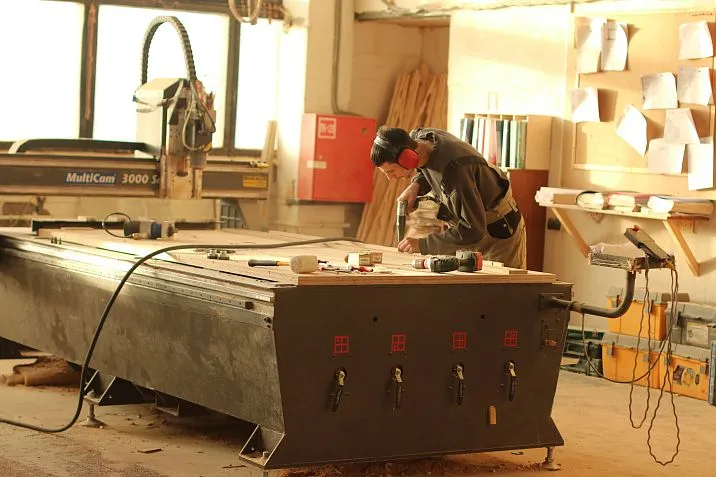
The business world is constantly changing, and along with it, the rules of the game in every industry. Today, we will examine the furniture business — a field where traditional craftsmanship, design innovations, modern production technologies, and, of course, powerful marketing tools converge. This article is intended for entrepreneurs, designers, marketers, and anyone interested in the history, current trends, and prospects of the furniture business. We will cover key aspects from planning and branding to the use of digital technologies and logistics, as well as share practical advice and successful company case studies.
Regardless of whether you are a beginner entrepreneur or an experienced businessperson seeking fresh ideas for growth, this material will provide you with a comprehensive understanding of the industry. By delving into history, current trends, and future forecasts, we aim not only to describe furniture as a product, but to show how deep market understanding, creativity, and innovation can transform ordinary production into a successful business.
The furniture businessFurniture business Today, it’s not just about furniture, but also about innovation, design, and strategic thinking.


Historical Perspective of the Furniture Business




Traditions and Crafts: Origins of Development
Furniture production has deep roots stretching back to antiquity. In every culture, there were their own traditions of furniture making, reflecting the characteristics of daily life, social status, and aesthetic preferences. From ancient times to the present day, furniture became not only a symbol of comfort, but also of status, prestige, and cultural identity.
Even in ancient times, craftsmen created furniture using wood, stone, and metal, passing down knowledge from generation to generation. Crafts developed in the Middle Ages became the foundation for the future industry. For example, carpentry, blacksmithing, and wood carving evolved into a full industry with the emergence of guilds of artisans. Each era contributed its own elements to the aesthetics and functionality of furniture, enabling the formation of unique styles and directions.
Our factory also produces:


Industrial Revolution and New Opportunities
The Industrial Revolution was a turning point for the furniture business. The emergence of mechanized production, new material processing technologies, and mass production changed the rules of the game. Instead of exclusive handmade items, the market saw products accessible to a broad range of consumers. This allowed significantly reducing costs and improving product quality.
Industrial furniture production allowed meeting the growing demand associated with rapid urban development and changes in people’s lifestyles. New production lines, automated equipment, and standardization became the foundation for mass consumption, leading to a sharp growth in the industry.
Get Consultation
Transition to the Modern Era: Globalization and Digitalization
The modern furniture business is undergoing a period of radical changes driven by globalization and digitalization. Today, it’s not just about quality and design, but also about the ability to quickly respond to market changes, adapt to new technologies, and use digital channels for promotion. Online stores, SEO optimization, social networks, and data analytics — all of this has become an essential part of success in today’s industry.
The history of the furniture business is the history of the evolution of ideas, technologies, and strategies. From manual labor to automated production, from local workshops to global brands — each stage of development reflects the dynamics of changing demand, tastes, and technologies. Today, the furniture business is transforming into a high-tech industry where traditional craftsmanship harmoniously combines with innovative approaches.
Current State of the Furniture Business: Trends and Challenges
Product Diversification and Custom Orders
One of the key trends in the modern furniture business is the drive toward customization. Consumers increasingly seek unique items that reflect their personal style and individuality. Mass production is giving way to customization and the ability to order exclusive solutions. In a highly competitive environment, unique offerings allow brands to stand out in the market.
Modern consumers value the ability to choose not only design, but also materials, hardware, colors, and even the shape of furniture. Such diversification helps brands satisfy even the most refined requests. In turn, manufacturers must adapt their production processes to individual orders, requiring flexibility and high technological sophistication.
Technological Innovations and Digitalization
Digitalization has touched all areas of business, and the furniture industry is no exception. Modern companies actively integrate technologies such as virtual reality (VR) and augmented reality (AR), allowing customers to "try on" furniture in their interiors even before purchase. Such technologies enhance the user experience and facilitate decision-making.
uses SEO to promote its products, allowing the company to occupy leading positions in search engines.Furniture business Modern consumers are increasingly thinking about the impact of their purchases on the environment. Eco-friendly materials, sustainable production methods, and waste recycling are becoming important criteria when choosing furniture. Brands focused on eco-friendliness gain a competitive advantage, as they can not only meet customer needs but also care for the planet.
Ecological Sustainability
Eliminating toxic materials, using renewable raw materials, and developing energy-efficient technologies — all of this is becoming part of corporate social responsibility. Such practices not only reduce environmental impact but also improve the company's image, creating additional value for the consumer.
Global challenges: competition and market changes
Global Challenges: Competition and Market Change
The global furniture market faces a number of challenges, ranging from market saturation to global economic and political changes. Competition is becoming increasingly fierce, and consumers are becoming more demanding. Against the backdrop of globalization, new players are emerging, offering products at competitive prices, forcing traditional manufacturers to reconsider their strategies.
Changes in logistics, fluctuations in raw material prices, and instability in global economic processes require companies to continuously monitor and respond promptly. Flexibility, innovative thinking, and strategic planning — these are the qualities that enable the furniture business to successfully overcome global challenges.
Marketing strategies for the furniture business
SEO and online marketing: the key to success in the digital age
In today's world, where information and purchases occur in the online space, SEO (search engine optimization) plays a crucial role. A proper SEO strategy allows brands to occupy high positions in search engines, attract target audiences, and increase conversion rates.
Developing high-quality content optimized for keywords such as 'furniture business' is an essential part of a successful strategy. In addition to text materials, infographics, videos, and interactive elements are used to maintain visitor attention. It is important not only to attract traffic but also to create a positive user experience that encourages repeat visits.
For example, a company implementingFurniture businessactively uses an inbound marketing strategy, creating useful content, educational articles, product reviews, and furniture selection guides. This helps not only increase brand awareness but also build trust with the audience.
Social networks: real-time dialogue with customers
Social networks today are a powerful promotional tool for any industry, and the furniture business is no exception. Platforms such as Instagram, Facebook, Pinterest, and TikTok allow brands to showcase their products, share inspiring interior design ideas, and actively engage with their audience.
Visually oriented platforms are especially important for the furniture business, as they allow showcasing the beauty, functionality, and quality of products. Posts with vibrant photos, video reviews, live sessions with designers and craftsmen — all of this helps establish an emotional connection with customers. Developing content with challenges and provocative elements can stimulate discussions, engagement, and subscriber growth.
It is important not only to publish information but also to actively engage with the audience: responding to comments, conducting contests, polls, and even organizing virtual tours of showrooms. This approach helps create a community around the brand and turns customers into loyal fans.
Content marketing: how to tell a brand's story
Content marketing is the art of telling a story that captivates, informs, and inspires. A successful furniture brand must not only sell products but also tell its philosophy, values, and history. Every piece of content — from blogs to videos — should contribute to building an image and fostering trust.
Interviews with designers, stories about the creation process, reviews of interior design trends, success stories — all of this helps brands stand out. Such materials become not just advertising but genuine stories that evoke emotional responses. Developing unique content optimized for keywords allows attracting new audiences and maintaining interest among existing customers.
Moreover, high-quality content helps reduce customer acquisition costs through organic traffic. For example, articles about new trends in the furniture business, optimized for search queries, can become a powerful lead source for companies actively working on their digital presence.
The role of design in the furniture business
Aesthetics and functionality: two pillars of success
Design is the heart of the furniture business. The aesthetic and functional quality of a product not only determines its commercial success but also the satisfaction of the end user. In a highly competitive environment, unique design solutions can become the decisive factor for the consumer.
Modern furniture design goes beyond simple combinations of form and color. It takes into account ergonomics, practicality, and psychological aspects of interior perception. Functional furniture that can adapt to different usage conditions is becoming increasingly popular. Here, it is not only the quality of manufacturing but also the ability to anticipate customer needs and offer innovative solutions that matters.
An excellent example is the combination of classic elements with modern technologies. Using new materials such as composites and recycled materials allows creating products with unique properties such as lightness, strength, and durability. Such integration of tradition and innovation becomes a hallmark of successful brands.
Cultural and regional characteristics
Furniture design has always reflected cultural characteristics and traditions. Each region has its unique styles, materials, and processing methods. In the context of globalization, it is important to consider these characteristics to create products that can meet the needs of both local and international customers.
For example, Eastern aesthetics with their rich ornamentation and refined lines may find buyers in the West, while modern minimalist solutions may become popular in countries with traditional tastes. Successful brands know how to adapt their collections to different markets while preserving their identity and uniqueness.
Examples of successful design cases
The history of the furniture business is full of examples of companies that, thanks to bold design solutions, have conquered global markets. Let's consider several cases:
- International brands:
Companies such as IKEA have proven that a successful combination of functionality, accessibility, and Scandinavian minimalism can change perceptions of furniture. Their innovative solutions, based on principles of sustainability and resource efficiency, allow them to create products that become part of the lives of millions of people around the world. - Local artisans and boutiques:
In different countries, there are numerous small brands focused on unique design solutions created in accordance with local traditions. Such companies often work with craftsmen, preserving authenticity and high product quality. Their story is a story of passion for their craft, creative exploration, and the desire to create something truly unique. - Collaborations with renowned designers:
Many successful furniture brands enter partnerships with renowned designers, enabling them to release limited collections with unique features. Such projects often become cultural icons, enhancing the company's prestige and expanding its audience.
These examples demonstrate that in the furniture business, design is not merely an element of appearance, but a strategic tool capable of setting the tone for the entire brand.
Technological innovations in the furniture business
Automation and digital technologies in production
Modern technologies have a significant impact on furniture production. Automation of processes, application of robotics and control systems allow significantly improving product quality, reducing costs, and accelerating production. Modern production lines use computer modeling, enabling precise calculations and minimizing human factors.
Digital technologies enable not only optimizing the production process but also creating custom-made items. Three-dimensional modeling (3D modeling) and virtual reality allow customers to visualize the finished product in a real interior. This significantly reduces decision-making time and increases trust in the brand.
For example, using specialized software for furniture design helps optimize material consumption, reduce waste, and minimize environmental impact. Integration of such technologies becomes an important competitive advantage in today's economy.
Application of virtual and augmented reality
Virtual reality (VR) and augmented reality (AR) are becoming a real breakthrough in the furniture business. Using VR catalogs, customers can "walk" through a virtual showroom, evaluate the design and functionality of products, and see how furniture will fit into an interior. AR technologies allow "trying on" furniture in real space using mobile devices, making the purchasing process more interactive and engaging.
Such innovations not only improve the customer experience but also reduce returns and increase customer satisfaction. They also contribute to enhancing customer loyalty, as they create an emotional connection with the brand, making the furniture selection process engaging and technologically advanced.
Integration of information systems and data analytics
Information systems and data analytics play a key role in optimizing business processes. Modern companies use ERP systems to manage production processes, control inventory, and plan logistics. Data analysis allows forecasting demand, optimizing supply chains, and promptly responding to market changes.
Using big data helps understand consumer preferences, segment the audience, and develop personalized offers. This approach not only reduces costs but also improves service quality, which positively impacts the brand's reputation.
Examples of integrating information technologies can be found both in large international companies and in local production facilities, where implementing innovative solutions allows remaining competitive even in a saturated market.
Logistics and supply chain management
Optimization of processes from production to the end consumer
Effective logistics is one of the key components of a successful furniture business. From timely delivery of raw materials to delivery of finished products to the consumer — each stage requires careful planning and control. In the context of globalization and increased demands for delivery speed, optimizing supply chains becomes a top priority.
Modern companies use logistics management systems, automated warehouses, and optimized delivery routes, which allows reducing waiting time and lowering costs. Precise calculations and demand forecasting help minimize costs associated with excess inventory and logistical errors.
Challenges and solutions in international logistics
Entering international markets is accompanied by additional challenges. Customs procedures, differences in standards and requirements, as well as currency fluctuations — all of this requires special attention. Companies successfully operating on a global scale invest in developing their own logistics infrastructure, establish partnerships with proven partners, and use modern technologies to track shipments in real time.
In the context of international competition, it is important not only to deliver products on time but also to ensure their preservation. Using modern packaging technologies, controlling temperature during transportation, and employing specialized equipment — all of this contributes to minimizing risks and increasing customer satisfaction.
Role of partnership relations and outsourcing
Companies often prefer to collaborate with external logistics operators, allowing them to focus on their core business — furniture production and design. Outsourcing logistics processes can significantly reduce costs, increase efficiency, and provide access to modern technologies in transportation and storage. However, such an approach requires careful selection of partners, verification of their reliability, and ability to meet high service standards.
Partnerships with suppliers and logistics companies not only reduce costs but also improve service quality. Effective communication, prompt problem resolution, and continuous updating of information systems — these are the elements that help the furniture business successfully integrate into global supply chains.
Problems and prospects of the international furniture business
Globalization: opportunities and threats
Globalization opens up enormous opportunities for the furniture business to expand its markets. Entering the international arena allows attracting new customers, enhancing brand recognition, and diversifying revenue sources. However, the international market is accompanied by a number of challenges: competition, currency instability, different regulatory requirements, and cultural differences.
Success on the international stage requires companies to have a high level of adaptability, the ability to consider regional specifics, and flexibility in strategy. It is important not only to offer quality products but also to create individual marketing campaigns tailored to local markets. Such an approach allows winning consumer trust and establishing sustainable positions even under tough competition.
Regional specifics and product localization
Each market has its own unique characteristics related to culture, climate, income levels, and consumer preferences. Localizing products, adapting design, materials, and even pricing policies becomes a necessary step for successfully entering a new market. Companies that have taken into account all regional specifics demonstrate steady growth and win consumer trust.
An example is adapting products to specific climatic conditions — using moisture-resistant materials in humid regions or applying additional thermal insulation technologies in cold climates. Such solutions help not only improve product quality but also reduce the risk of product rejection under challenging operating conditions.
Innovative strategies for international success
To successfully develop on the global market, the furniture business must actively use innovative strategies. Implementing new technologies, optimizing business processes, and developing unique products — all of this becomes an important tool for competitive advantage. Companies oriented towards innovation invest in research and development, collaborate with international partners, and strive for continuous improvement.
One such strategy is creating digital platforms that integrate all elements of the value chain — from production to sales. Using data analytics, big data, and artificial intelligence helps optimize processes, predict demand changes, and respond promptly to market trends.
The role of sustainable development and eco-friendliness in the furniture business
Eco-Friendly Materials and Technologies
Modern consumers increasingly pay attention to the eco-friendliness of products. In the furniture business, this means using natural and renewable materials, avoiding toxic substances, and implementing energy-efficient technologies. Producers who pay attention to sustainable development not only meet current requirements but also gain a competitive advantage in the market.
Using wood from sustainably managed forests, recycled materials, and eco-friendly production technologies helps reduce negative environmental impact. Such solutions not only contribute to nature conservation but also increase consumer trust in the brand. Eco-certification, participation in international programs, and transparency in production processes become important elements of companies' reputation policies.
Corporate Social Responsibility (CSR)
Corporate Social Responsibility is an essential part of modern business strategy. Companies engaged in the furniture business increasingly integrate principles of sustainable development into their activities, investing in social projects, supporting local communities, and developing infrastructure. This not only improves the brand's image but also contributes to creating a loyal audience that values responsibility and care for the environment.
CSR can take various forms: from charitable programs to participation in environmental initiatives and support for cultural projects. Such practices help create an emotional connection with consumers, enhancing the brand's prestige on the international stage.
The future of eco-oriented furniture business
Considering global trends in ecology and sustainable development, the future of the furniture business is directly linked to the adoption of eco-friendly technologies and materials. Companies investing in ecological initiatives already gain significant market advantages today, which will only strengthen their positions in the future. Developing new materials, innovative production methods, and striving to reduce carbon footprint become key factors for success.
Transitioning to a circular economy, where products are recycled and reused, is becoming an essential part of many companies' strategies. This not only helps reduce costs but also creates additional opportunities for businesses oriented towards the future.
How to build a successful furniture business: expert advice
Market research and planning
Any successful business begins with a deep market analysis. Before launching a project in the furniture business, it is necessary to study demand, competitive environment, consumer preferences, and design trends. Market research will help identify the target audience, reveal competitors' strengths and weaknesses, and determine growth opportunities.
Strategic planning should include developing a detailed business plan, financial calculations, risk assessment, and defining key performance indicators (KPIs). The more thorough the preparation, the higher the chances of success in a highly competitive environment.
Innovation and continuous development
The business world does not stand still, and the furniture business is no exception. To achieve steady growth, it is necessary to continuously introduce innovative solutions, update the product range, and stay abreast of new technologies. Investments in research and development, as well as continuous employee training, will allow the company to remain at the forefront of change.
Do not be afraid to experiment with new materials, technologies, and promotional formats. Implementing augmented reality elements, automating production, and using big data to analyze consumer preferences — all of this can become a decisive factor for successful business development.
Building a brand and marketing strategies
Creating a strong brand is a complex, multi-stage process that requires time and effort. It is important not only to offer a quality product but also to develop around it a unique story, values, and philosophy. Transparency, honesty, and attention to detail — these are the main principles that allow winning audience trust.
Invest in developing digital sales channels, high-quality content, and effective marketing campaigns. Use opportunities for SEO, social media, and content marketing to convey information about your brand to consumers. Developing a unique promotion strategy based on data analytics will help optimize your budget and achieve maximum effectiveness.
Building a team and partnership relationships
The key factor for the success of any business is a team of professionals capable of implementing ambitious projects. Select specialists with experience in various fields: from design and production to marketing and logistics. A well-coordinated team united by a common goal can overcome any difficulties and ensure steady company growth.
Moreover, an important aspect is establishing partnership relationships with suppliers, logistics operators, designers, and marketing agencies. Joint projects, knowledge exchange, and synergy of efforts help accelerate business development and reduce risks.
Examples of successful cases and brands
Case 1: Transformation of traditional manufacturing into the digital age
One bright example of successful development in the furniture business is the transformation of traditional manufacturing by transitioning to digital technologies. A company based in a small region, initially producing furniture using classical technologies, managed to elevate its production to a qualitatively new level thanks to investments in automation and adoption of new technologies.
Main steps included:
● Implementation of an ERP system for managing production processes;
● Use of 3D modeling for developing individual projects;
● Creation of an online platform for direct sales and customer feedback.
The result was increased sales volumes, expanded audience, and higher customer satisfaction levels. This example demonstrates that even traditional enterprises can successfully adapt to the challenges of the modern market.
Case 2: A brand focused on eco-friendliness and sustainable development
In the context of growing concern over environmental issues, another successful case demonstrates how the use of eco-friendly materials and technologies can become a strong competitive advantage. A company specializing in furniture made from recycled materials and wood from sustainably managed forests actively promotes its products through digital channels, emphasizing social responsibility and care for the environment.
A marketing strategy based on transparency of the production process and participation in environmental initiatives enabled the brand to gain consumer trust and achieve international recognition. Such an approach not only increases customer loyalty but also contributes to establishing a new quality standard in the industry.
Case 3: Innovative approach to custom furniture
The modern trend toward individualization allowed another brand to stand out among competitors. A company offering the ability to fully customize products, from material selection to individual design, developed a special online platform enabling customers to observe the creation process of their order in real time. Integration of virtual reality and augmented reality technologies made the process of choosing and ordering furniture engaging and interactive.
The result was high customer satisfaction, increased sales, and strengthened the brand’s image as an innovative leader in the custom furniture segment.
The future of the furniture business: forecasts and trends
New technologies and digital transformation
The future of the furniture business is inseparably linked to further digital transformation. The development of artificial intelligence, the Internet of Things (IoT), and new manufacturing technologies will define industry trends in the coming years. Companies capable of quickly adapting to changes, investing in research and development, and using data for strategic decision-making will occupy leading positions.
It is predicted that augmented and virtual reality technologies will become standard for all market players, enabling the creation of highly personalized offers for customers. In turn, automation and robotization of production processes will reduce costs and improve product quality, becoming an important competitive advantage.
Globalization and expansion of sales markets
With the development of digital platforms and international logistics, the furniture business will open new opportunities to enter the global market. Companies will be able to adapt more quickly to local requirements, creating specialized collections for different regions. This will allow diversifying revenue sources and reducing dependence on a single market.
Sustainable development and social responsibility
Environmental trends and requirements for sustainable development will continue to significantly influence the strategy of the furniture business. Companies that manage to integrate CSR principles into their activities will gain additional competitive advantages, attracting an audience concerned about the planet’s future. In the coming years, new standards of eco-friendliness and transparency in production processes can be expected.
Emergence of new business models
The development of platform economies, resource sharing, and furniture subscription models may become new trends in the industry. Such business models allow reducing initial costs for customers and ensuring steady revenue for manufacturers. Rental furniture services, already gaining popularity in major metropolitan areas, serve as an example.
Expert forecasts
Many analysts agree that the future of the furniture business will be characterized by a hybrid approach: traditional craftsmanship and innovative technologies will work in tandem, creating products capable of meeting even the most refined demands. It is not only important to follow trends but also to anticipate them, adapt the business model, and invest in employee training and development.
Conclusion
The furniture business is a unique industry combining traditional craftsmanship, design thinking, technological innovations, and modern marketing strategies. The history of this industry demonstrates how evolution from manual labor to automated production and from local workshops to global brands can transform ordinary manufacturing into a source of inspiration and success.
Modern trends such as customization, digitization, environmental responsibility, and globalization require entrepreneurs to be flexible, innovative, and strategic. Every company must understand that success in the market is achieved not only through product quality but also through the ability to build a brand, properly position itself, and respond promptly to changes.
We have examined the key aspects of the furniture business – from historical roots to modern challenges and prospects, from marketing strategies to the adoption of technological innovations. The presented successful case studies demonstrate that even under intense competition, success is possible if one is not afraid to experiment, invest in innovations, and build strong partnership relationships.
If you dream of building a successful business in this field, remember that success depends on a constant pursuit of perfection, willingness to adapt, and deep understanding of market needs. The furniture business is not just about producing items; it is the art of creating spaces where dreams, ideas, and the future reside.
Use the opportunities of digital marketing, such as SEO, social networks, and content marketing. For example, integrating strategically important keywords, such as Furniture businesswill help you take leading positions in search engines and attract your target audience. Create unique content, share success stories, demonstrate innovative solutions – and your audience will not remain indifferent.
ahead in the rapidly changing market