Article Contents:
- Introduction: The New Era of Furniture Business
- Industry Development Prospects
- Challenges and Opportunities
- Production Automation
- Digital Technologies and Internet Marketing
- Eco-friendly materials and sustainable production
- Social Responsibility and Corporate Culture
- Online and Offline Promotion
- Key SEO Methods and Content Marketing
- Investments, Forecasts, and Budgeting
- Scaling and Diversification Strategies
- History of Success and Experience of the Company
- How STAVROS Sets Trends in the Industry
- Impact of Global Factors on the Furniture Business
- New Business Models and Growth Strategies
- Industry Development Forecasts
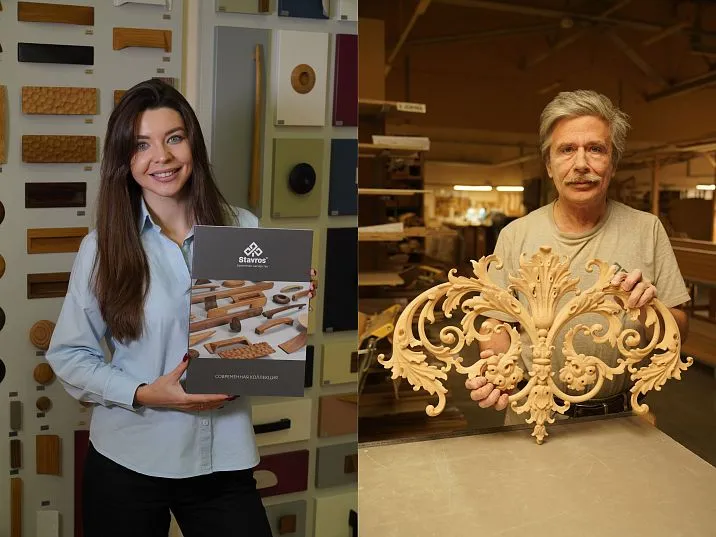
In an era of rapid change and dynamic technological development, when traditional business sectors are being rewritten on new digital pages, the furniture business in 2025 appears before investors, entrepreneurs, and designers as a field capable of surprising with innovative solutions, ecological responsibility, and unprecedented product quality. This article, written with years of experience in journalism, copywriting, SEO, and design, thoroughly examines the prospects of the furniture business in 2025, analyzes key technological and marketing trends, and demonstrates the example ofSTAVROS – a leader in this field, setting high standards and inspiring through its achievements.


Introduction: The New Era of Furniture Business
The world does not stand still, and the furniture business in 2025 is taking on new forms, approaches, and opportunities. Today, successful furniture production is not only about working with traditional materials but also about integrating the latest technological solutions, ecological standards, and flexible marketing strategies. The modern furniture business has long ceased to be a niche craft for artisans and has become a high-tech, dynamic industry where every detail and every innovative step matters.




Industry Development Prospects
In the near future, the furniture business is expected to become a battleground for active adoption of digital technologies, production automation, and sustainable solutions. The emergence of new materials, the shift to renewable energy sources, and a focus on ecological safety create additional opportunities for entrepreneurs. Experts’ forecasts are clear: in 2025, the industry will be characterized by a high degree of personalization, widespread use of artificial intelligence to optimize production processes, and even tighter integration of online sales with traditional distribution channels.
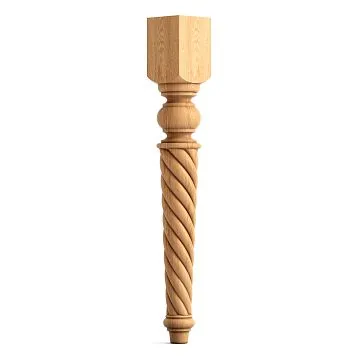
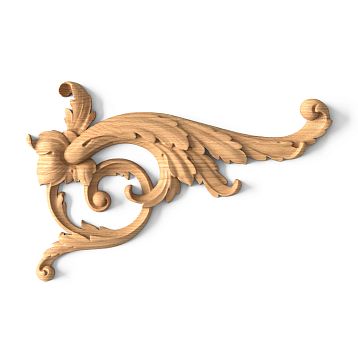
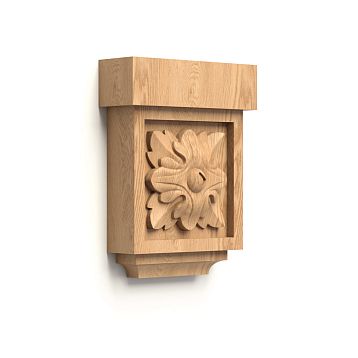
Our factory also produces:


Challenges and Opportunities
However, new opportunities are always accompanied by new challenges. The furniture business in 2025 faces the need to adapt to global economic changes, increased competition, as well as requirements for ecological responsibility and labor safety. This article will thoroughly examine strategies for overcoming these challenges, as well as methods for maximizing opportunities through the use of modern technologies and effective resource management.
Get Consultation
Technological Innovations in the Furniture Business 2025
One of the key factors determining success in the furniture business is the ability to integrate modern technologies into traditional production processes. This not only allows for improving product quality but also optimizing production costs, accelerating the launch of new models, and meeting growing consumer demands.
Production Automation
The world of technology is changing rapidly, and furniture manufacturing is not left behind. In 2025, automation of processes will become a cornerstone of successful enterprises. Modern production lines equipped with CNC machines, robotic assembly systems, and high-precision equipment allow significantly reducing manufacturing time, lowering error rates, and ensuring consistent quality of each component.
Automation helps accelerate the production cycle and increase labor productivity. Implementing such systems allows optimizing resource allocation, reducing labor costs, and creating conditions for business scaling. This is especially important for companies aiming to enter international markets and meet demand under rapidly changing economic conditions.
Digital technologies and internet marketing
In the context of globalization and the growth of digital technologies, the furniture business in 2025 cannot do without active use of online tools. Modern ERP systems, CAD/CAM programs for design, 3D modeling, and virtual reality have become an indispensable part of the furniture development and production process.
Internet marketing plays a decisive role in promoting products. SEO optimization, content marketing, SMM (social media marketing), and video marketing not only convey information about the latest developments to consumers but also create an emotional connection with the brand. WebsiteSTAVROSFor example, has long proven itself as a reliable source of information on modern trends in the furniture business, providing high-quality materials, analytical reviews, and case studies of successful projects.
Using digital platforms allows collecting and analyzing data on user behavior, helping adjust marketing strategies and offer clients exactly what they need. Thanks to this, the furniture business in 2025 becomes not just a manufacturing process, but a whole ecosystem oriented toward the needs of modern people.
Environmental sustainability and the furniture business in 2025
One of the key trends in modern furniture business is environmental sustainability. Modern consumers increasingly pay attention to ecological safety and corporate responsibility, which becomes an important factor when choosing products.
Eco-friendly materials and sustainable production
In 2025, furniture businesses will focus on using eco-friendly materials. The use of wood from sustainable forestry, recycled materials, natural paints, and varnishes has become an integral part of modern production. Sustainability is not just a marketing tactic but also a response to growing demands for quality of life and care for the environment.
Sustainable production implies implementing energy-efficient technologies, reducing waste, optimizing material recycling processes, and minimizing environmental impact. Such measures not only help reduce production costs but also create a positive company image, which is a key competitive advantage in consumers' eyes.
Social responsibility and corporate culture
The furniture business in 2025 must not only meet market needs but also bear social responsibility. Companies capable of conducting business with societal interests in mind gain additional trust and customer loyalty. A corporate culture based on principles of openness, honesty, and striving for perfection becomes a guarantee of sustainable development and long-term success.
Examples of such initiatives can be observed on the pages of leading companies in the industry, such asSTAVROSTheir projects aimed at supporting local communities, educational programs, and environmental initiatives help build a positive brand image and contribute to socially responsible business practices.
Marketing strategies in the furniture business in 2025
Online and offline promotion
In conditions of high competition and rapidly changing consumer preferences, successful product promotion becomes a key element of any enterprise's strategy. The furniture business in 2025 requires a comprehensive marketing approach, where online and offline channels are actively combined.
Online promotion includes website SEO optimization, blog management, publishing analytical articles, active presence in social networks, and using video content. These methods allow reaching a broad audience, forming a loyal community around the brand, and regularly attracting new customers. Website STAVROSFor example, demonstrates how the proper use of digital tools can become a powerful driver of success.
Offline activities include participation in industry exhibitions, conferences, seminars, and personal meetings with potential clients and partners. A combined approach not only increases brand awareness but also strengthens consumer trust, which is especially important in the furniture business, where purchasing decisions are often made based on personal contact and product quality demonstration.
Key SEO and content marketing methods
One of the most effective promotion tools is SEO. For the furniture business in 2025, it is important to optimize content for search queries related to the industry, such as 'furniture business 2025', 'innovations in furniture production', etc. High-quality content, including analytical articles, trend reviews, and case studies of successful projects, can not only attract the target audience but also enhance the brand's authority in the eyes of potential customers and investors.
Content marketing should be based on expertise and usefulness. Publishing detailed guides, video tutorials, and interviews with industry leaders helps build a positive image and gain audience trust. It is important that each material is written according to grammatical norms and has high informational value. This approach allows creating a solid foundation for further brand promotion and sales growth.
Financial aspects of the furniture business in 2025
Investments, forecasts, and budgeting
Financial stability is a cornerstone of successful business. The furniture business in 2025 requires careful planning of financial flows, cost calculation, and revenue forecasting. Modern enterprises invest in production line modernization, new technology implementation, and marketing strategy development, enabling them not only to increase production volumes but also to improve product quality.
Budgeting should be based on a detailed analysis of market conditions, assessment of raw material, energy, labor, and logistics costs. It is important to develop a financial model that will determine the break-even point and calculate the payback period of investments. Attracting external financing, whether bank loans or investments from business angels, should be justified by a clear development strategy and growth prospects.
Scaling strategies and diversification
One of the key aspects of a successful furniture business is the ability to scale production. To achieve this, companies must not only optimize internal processes but also diversify their product range, expanding sales geography and entering new markets. Investments in automation, digitalization, and new directions development help reduce risks and increase revenues.
Scaling strategies may include franchising programs, strategic partnerships with foreign companies, and the use of new business models such as furniture subscription or co-production with local partners. Such a comprehensive approach not only increases sales volume but also strengthens the brand's position on the international stage.
Case Study: Example of the company STAVROS
Success story and experience of the company
CompanySTAVROS is a bright example of how to achieve leadership in the furniture business by relying on innovative technologies, high product quality, and strategic planning. The company's story begins with a small workshop, where the fusion of traditional craftsmanship and modern production solutions enabled the creation of a unique product. Gradually, thanks to sound management, investment in innovation, and focus on customer needs, STAVROS became a major player in the market.
From the outset, the company focused on quality and innovation. The foundation of its success was high production standards, strict quality control, and continuous adoption of new technologies such as automated production, digital design, and ERP systems for resource management. These approaches enabled the company not only to win the trust of the local market but also to enter the international arena, where demand for quality furniture continues to grow.
How STAVROS sets industry trends
The company STAVROS regularly updates its production facilities, investing in the latest technological solutions and optimizing internal processes. Thanks to this, it is able to anticipate trends in the furniture business for 2025 and promptly adapt its product line to changing market requirements.
For example, the implementation of automated quality control systems and the use of advanced digital modeling methods allowed significantly reduce production time, increase precision, and create products meeting the highest standards.
STAVROS also actively develops directions for eco-friendly production. Using natural and recycled materials, energy-efficient technologies, and reducing production waste — all this helps not only improve the company's image but also contribute to the industry's sustainable development. Thanks to such initiatives, consumers increasingly choose STAVROS products, appreciating their quality, style, and responsibility toward nature.
Company STAVROS becomes an example to follow, demonstrating that success in the furniture business is achieved through the harmonious combination of traditional methods, modern technologies, and strategic planning. Its experience serves as inspiration for many entrepreneurs striving to create their successful business amid high competition and global challenges.
Future of the furniture business: Forecasts and trends for 2025
Influence of global factors on the furniture business
The furniture business in 2025 will actively depend on global economic, social, and technological factors. International competition, changes in trade policy, currency fluctuations, and growing demand for eco-friendly products — all these aspects will influence the industry's development.
Modern companies are forced to adapt to rapidly changing conditions, implementing innovative technologies and optimizing their production processes. This requires enterprises not only to be able to respond promptly to changes but also strategic planning that allows them to anticipate future market development. For many companies, the furniture business becomes a testing ground for new business models such as furniture subscription, customization of products, and the use of digital platforms for direct sales.
New business models and growth strategies
In 2025, new business models are expected to emerge that can revolutionize the furniture industry. These models may include:
● Subscription model for furniture, allowing customers to regularly update their interiors without the need to fully purchase new furniture.
● Customized production, enabling customers to personally participate in the design and functionality development of products.
● Franchising and partnerships, which help accelerate brand expansion and entry into new markets.
These models will help companies not only increase revenues but also strengthen ties with consumers, ensuring sustainable development and flexibility in the face of global competition.
Industry development forecasts
Analysts agree that the furniture business in 2025 will be characterized by the following key trends:
● Active implementation of digital technologies in all aspects of production and sales, which will allow optimizing processes, reducing costs, and improving product quality.
● Increased demand for eco-friendly and sustainable solutions, which will compel manufacturers to invest more in environmental initiatives and product certification.
● Growing global competition, where success will depend on companies' ability to quickly adapt to changes, offer innovative solutions, and develop effective marketing strategies.
● Personalization and customization of products, which will allow meeting the unique needs of each customer and creating products that match individual style and functional requirements.
These forecasts confirm that the furniture business in 2025 will be dynamic and competitive, requiring companies to continuously update their technologies and strategies.
Conclusion: The furniture business in 2025 — A step into the future
The furniture business in 2025 appears as an industry where innovative technologies, ecological sustainability, and sound strategic planning play a key role. Success is achieved through a comprehensive approach including production automation, process digitization, development of eco-friendly production methods, and active use of online tools for product promotion.
Example of the companySTAVROS Serves as a vivid testament that achieving high results in the furniture business is possible through continuous improvement, investment in innovation, and strategic vision for the future. Effective resource management, customer orientation, and flexibility in responding to market changes — these are the qualities that will help enterprises not only survive in harsh competition but also become industry leaders.
In 2025, the furniture business promises to become a stage for implementing the boldest ideas, where success is determined by companies' ability to adapt to new realities and offer products meeting high standards of quality and environmental responsibility. New technologies such as artificial intelligence, the Internet of Things, and virtual reality will play a crucial role in shaping the industry's future, enabling the creation of unique products that satisfy even the most refined demands of modern consumers.
For those striving to remain at the forefront of innovation and conquer new markets, it is not only essential to monitor global trends but also actively integrate advanced technologies into production processes. The furniture business in 2025 is a time of opportunities for those ready to change, experiment, and invest in development, creating products that become benchmarks of quality and style on the global market.
In conclusion, the future of the furniture business belongs to bold, innovative, and goal-oriented companies willing to adopt new technologies, adapt to changing conditions, and create products meeting the highest standards of modernity. Company STAVROS is confidently moving along this path, demonstrating that success is achieved through the harmonious combination of traditions, modern technologies, and strategic thinking.
Final Recommendations
- Invest in innovative technologies.
Modern ERP systems, 3D modeling, robotic lines, and digital marketing — key tools for success in the furniture business in 2025. - Develop eco-friendly production.
Using natural and recycled materials, energy-efficient equipment, and sustainable production methods not only meets the demands of the time but also enhances the company's image. - Actively work with clients.
Creating a unique product tailored to individual consumer needs and implementing flexible marketing strategies will help win audience trust and loyalty. - Scale the business through partnerships and franchising.
Entering international markets and building partner networks allow significantly increasing sales volumes and strengthening the brand's position globally. - Continuously improve the team.
Training and developing staff, implementing modern management methodologies, and fostering corporate culture contribute to enhancing the enterprise's operational efficiency. - Maintain flexibility and adaptability.
The ability to promptly respond to market changes, adjust strategy, and implement innovative solutions is the key to sustainable growth amid global competition.
Conclusion
The furniture business in 2025 represents a unique opportunity for companies aiming to secure leading positions on the global market. This is a time when innovative technologies, environmental sustainability, and digital production become primary drivers of success. Enterprises capable of integrating these elements into their strategy will gain a competitive advantage and be able to create products meeting the highest standards of quality and style.
Example of the companySTAVROS serves as a vivid benchmark for all aspiring to achieve success in the furniture business. Thanks to strategic planning, continuous investment in innovation, and the ability to adapt to changing market conditions,STAVROS already today sets trends and shapes the industry's future.
Thus, the furniture business in 2025 is a time of bold decisions, innovations, and opportunities. It requires entrepreneurs not only deep knowledge and professionalism but also the ability to see the future, be flexible, and be ready for change. Success in this field is achieved through a comprehensive approach, where every detail, from raw material selection to marketing strategies, plays an irreplaceable role.
The modern market demands continuous self-development, investment in new technologies, and active client engagement. Only those companies that can combine traditional production methods with advanced innovative solutions will succeed under intense competition and global changes. The furniture business in 2025 is not merely furniture production — it is an entire ecosystem shaping the future's appearance and becoming an inspiration for new generations of entrepreneurs.
For those striving not merely to enter the market but to conquer it, it is necessary to constantly monitor global trends, invest in technology, refine management processes, and above all, believe in one's success. Let the exampleSTAVROS inspire new achievements and motivate the realization of the most ambitious ideas in the furniture business.
Thus, the furniture business in 2025 is a time of opportunities, challenges, and innovations. A comprehensive approach based on modern technologies, environmental responsibility, and strategic planning will enable the creation of a successful enterprise capable of meeting the highest demands of modern consumers. The future belongs to those who are not afraid to change, strive for perfection, and are ready to keep pace with time. CompanySTAVROS already today sets standards and demonstrates that the furniture business can become a true platform for realizing the boldest ideas and achievements.