Article Contents:
- Ecological Revolution in Furniture Manufacturing
- Natural Materials as the Foundation of New Quality
- Circular Economy in Action
- Smart Technologies in Furniture
- Integration of the Internet of Things
- Wireless Technologies and Charging
- Multifunctionality as a Necessity of the Time
- Transformable Furniture of the New Generation
- Hidden storage systems
- Biophilic Design and Natural Motifs
- Organic Forms in Modern Furniture
- Natural Color Palette
- Personalization and customization
- Individual Approach to Each Customer
- Emotional Connection with Furniture
- Minimalism with a Human Face
- Functional Simplicity
- Muted Color Palette with Accents
- Production Technologies and Materials
- Digital production
- Composite materials of new generation
- Furniture for New Forms of Life
- Hybrid Spaces
- Collaborative Spaces
- Social Responsibility and Ethics
- Fair Trade and Transparency
- Inclusive Design
- The Future of the Furniture Industry
- New Business Models
- Globalization and Localization
- Conclusion
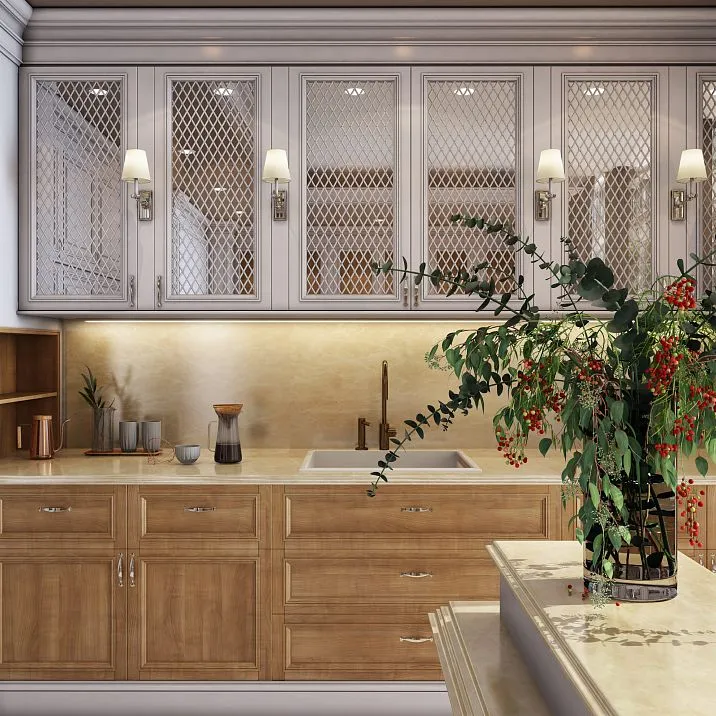
In the coming year, the furniture industry is experiencing a moment of radical transformation. Furniture Trends for 2025 They demonstrate not just evolutionary changes, but a revolutionary approach to understanding the role of furniture in modern living spaces. Today, furniture is not only functional interior items, but also intelligent systems, environmentally responsible solutions, and personalized living spaces.
What defines the appearance of furniture today? The pursuit of conscious consumption, integration of advanced technologies, ecological responsibility, and the need for maximum functionality of every square meter of living space. The modern consumer is no longer willing to compromise — they demand perfection in all aspects.


Ecological Revolution in Furniture Manufacturing




Natural Materials as the Foundation of New Quality
Ecological materials have ceased to be a marketing gimmick — they have become the foundation of modern furniture production. Solid wood with minimal chemical treatment, bamboo as a rapidly renewable resource, cork and recycled composites are leading in the production of premium furniture.
Certified wood with FSC and PEFC markings has become a mandatory standard for responsible manufacturers. Consumers have learned to distinguish these symbols as a guarantee not only of ecological purity but also of the company’s social responsibility.
Innovative wood-polymer composites demonstrate outstanding performance characteristics while ensuring full ecological safety. These materials combine the strength of traditional wooden panels with resistance to moisture and temperature fluctuations, without requiring toxic stains and coatings.
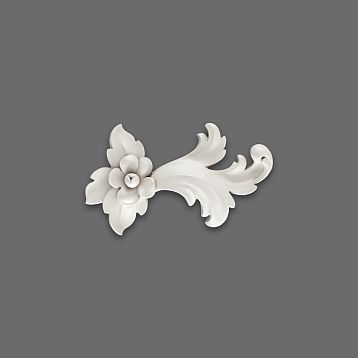
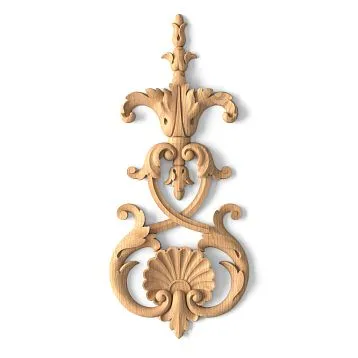
Our factory also produces:


Circular economy in action
The concept of a closed production cycle fundamentally changes the business models of furniture companies. Programs for accepting used furniture allow extracting valuable materials for creating new products, transforming waste into resources.
Modular constructions meet the needs of durability and adaptability in modern housing. Instead of replacing furniture entirely, consumers can update individual elements, reconfigure systems, or expand the functionality of existing items.
Recycling technologies have reached such a level of perfection that secondary materials often surpass primary ones in quality. Regenerated aluminum for frames, reclaimed wood fibers for panel materials, recycled polymers for hardware create a new standard of quality.
Get Consultation
Smart Technologies in Furniture
Integration of the Internet of Things
Furniture becomes part of a unified smart home ecosystem. Built-in sensors track usage, air quality, temperature, and humidity, automatically adjusting heating, ventilation, and lighting systems to residents' needs.
Voice control transforms sofas, beds, and tables into interactive objects. Adjusting position, changing mattress firmness, controlling built-in lighting — all this is done with simple voice commands without needing to search for remote controls.
Machine learning allows furniture to adapt to individual user habits. A chair remembers the optimal reading position, a bed automatically adjusts temperature and firmness for quality sleep, and a desk adjusts height and lighting depending on the time of day.
Wireless technologies and charging
Integrating wireless charging into tabletops, armrests of chairs, and headboards of beds eliminates the problem of multiple chargers and cables. Furniture becomes a power source for all family mobile devices.
USB ports and outlets are seamlessly integrated into furniture structures, providing access to power without compromising interior aesthetics. Hidden cable channels and wiring management systems create a perfectly organized workspace.
Automatic lighting systems with motion and time-of-day sensors create optimal lighting environments for various activities. LED lighting is integrated into furniture frames, creating striking visual accents and functional task lighting.
Multifunctionality as a necessity of the time
Transformable furniture of the new generation
Rising real estate costs and popularity of compact housing make multifunctional furniture not just desirable, but essential. Modern sofa-beds offer full-featured orthopedic mattresses, matching in comfort with stationary beds.
Modular systems for living rooms allow creating an infinite number of configurations from basic elements. Corner modules, ottomans, chairs, and tables combine in various combinations, adapting to changing family needs.
Transformable tables have evolved from simple folding designs to complex mechanical systems capable of changing not only size, but also height, configuration, and functional purpose. A coffee table transforms into a full-sized dining table for eight people in seconds.
Hidden storage systems
Innovative storage solutions turn every piece of furniture into functional space. Armrests of sofas hide compartments for remotes and magazines, stair steps become pull-out drawers, and headboards of beds combine the functions of nightstands and bookshelves.
Lift mechanisms for beds and sofas provide access to spacious storage compartments for bedding, seasonal clothing, and rarely used items. Gas struts make lifting heavy mattresses easy and safe.
Built-in organization systems in wardrobes and chests maximize usable space. Adjustable shelves, pull-out baskets, specialized holders, and dividers create personalized storage systems for every type of item.
Biophilic design and natural motifs
Organic forms in modern furniture
The desire to reconnect with nature is expressed in furniture design through smooth, organic shapes that mimic natural objects. Chairs replicate the shape of river stones, tables resemble wood cross-sections, and shelves curve like tree branches.
Live-edge wooden panels, preserving natural bark and texture, become central elements of tables and bar counters. Each piece is unique due to the uniqueness of natural forms and textures.
Integrating live plants into furniture structures creates real ecosystems within interiors. Built-in planters with automatic watering, vertical gardens in bed headboards, tables with integrated terrariums transform living spaces into green oases.
Natural color palette
Furniture design trends for 2025 Prefer natural tones and textures. Warm terracotta hues, soft olive nuances, deep oceanic blues create an atmosphere of tranquility and harmony.
Gradient transitions mimic natural phenomena — sunrises, sunsets, play of light on water surfaces. These techniques are applied both in textile furniture finishes and in cabinetry finishes.
Materials with thermochromic properties change hue depending on ambient temperature, creating dynamic interiors that live in rhythm with natural cycles.
Personalization and Customization
Individual approach to each client
The era of mass production of identical furniture is ending. Modern technologies allow creating personalized solutions without significant cost increases. 3D modeling and virtual reality enable seeing future furniture in real interiors even before production begins.
Online configurators offer millions of combinations of sizes, materials, colors, and functional options. Artificial intelligence analyzes the user's preferences, room layout, and lifestyle, suggesting optimal combinations of elements.
Digital printing on various materials opens up limitless possibilities for decoration. Personal photos on cabinet facades, custom patterns on upholstery, individual engravings on metal elements make each item unique.
Emotional Connection with Furniture
Modern furniture is no longer just functional items — it becomes a reflection of the owner's personality, values, and life philosophy. Each piece tells a story about the craftsmen, materials, and inspiration.
Handcrafted elements in mass production create a sense of uniqueness and authenticity. Hand-painted finishes, wood carving, forged details transform mass-produced items into works of applied art.
Storytelling has become an essential part of furniture marketing. Customers want to know the origin story of materials, the designer's philosophy, and the manufacturer's social mission. This information creates a deep emotional connection between the person and the object.
Minimalism with a human face
Functional simplicity
Minimalism in furniture for 2025 acquires new characteristics — it becomes more human and functional. Behind the external simplicity lie complex engineering solutions that ensure maximum comfort with minimal visual impact.
Hidden complexity is the main principle of modern minimalism in furniture. Clean lines and minimalist forms combine with advanced technologies and thoughtful ergonomics. Each element performs multiple functions without revealing its technical complexity.
Materials acquire special significance in minimalist interiors. The texture of wood, the play of light on metallic surfaces, the softness of natural fabrics become the main decorative elements.
Neutral palette with accents
The color palette of minimalist furniture expands through natural tones and subtle color nuances. Classic white, gray, and black are complemented by warm beige tones, soft terracotta accents, and deep blue nuances.
Monochromatic solutions create visual continuity in space, where furniture dissolves into architecture, becoming an inseparable part of it. Differences in texture and materials ensure visual interest without color contrasts.
Accent colors — cushions, blankets, decorative elements — enliven the neutral base, allowing easy mood changes in the interior without major alterations.
Production technologies and materials
Digital production
Additive technologies revolutionize furniture production. 3D printing allows creating complex geometric shapes inaccessible through traditional processing methods. Biodegradable plastics for 3D printing open new possibilities for eco-responsible production.
CNC machining has reached such a level of precision that it allows creating joints without visible fasteners. Complex three-dimensional profiles, carved from a single piece of material, ensure unprecedented strength and aesthetic perfection.
Laser cutting and engraving open new possibilities for decoration and personalization. Complex lace patterns, microscopic textures, precise geometric ornaments are created with previously unattainable accuracy.
New-generation composite materials
Innovative composites combine the best properties of various materials. Wood-polymer composites unite the naturalness of wood with the practicality of plastic, creating materials resistant to moisture, temperature, and mechanical impacts.
Carbon fiber finds application in creating ultra-light and strong furniture for specific tasks. Chairs weighing less than two kilograms withstand loads of 200 kilograms, opening new possibilities for mobile and transformable furniture.
Bio-composites based on natural fibers — flax, hemp, coconut — offer an ecological alternative to synthetic materials without compromising on strength and durability.
Furniture for new forms of life
Hybrid spaces
The pandemic radically changed the attitude toward home space. Home became an office, gym, cinema, and restaurant simultaneously. New furniture trends for 2025 respond to these changed needs.
Transformable workspaces allow instant switching between work and rest. A dining table transforms into a full-fledged workspace with adjustable height, built-in lighting, and document organization systems.
Mobile partitions and modular systems create private zones in open layouts. Sound-absorbing materials ensure acoustic comfort for video conferences and focused work.
Collaborative spaces
The growing popularity of coworking and shared spaces creates new requirements for furniture. It must be adaptable, durable, and capable of quickly transforming for various usage scenarios.
Modular systems for public spaces include elements that can be easily moved, combined, and transformed without special tools. Magnetic connections, quick-release fasteners, and wheeled systems ensure maximum mobility.
Antibacterial coatings and self-cleaning materials are becoming standard for public furniture. Copper elements, nanostructured surfaces, and UV disinfection are integrated into everyday furnishings.
Social Responsibility and Ethics
Fair Trade and Transparency
Modern consumers demand full transparency of production processes. Ethical sourcing of materials, fair labor conditions, and environmental responsibility are becoming competitive factors.
Blockchain technologies ensure traceability throughout the entire supply chain — from raw timber to the final product. Each product receives a digital passport with a complete production history.
Manufacturer social programs include supporting local communities, training in traditional crafts, and creating jobs in depressed regions. Furniture becomes a tool for social impact.
Inclusive design
Universal design is no longer a niche direction but has become a standard for quality furniture. Products are designed to meet the needs of people of different ages, physical abilities, and perceptual characteristics.
Tactile elements help visually impaired individuals navigate space. Contrasting colors, textured surfaces, and sound signals make furniture accessible to all user groups.
Adjustable parameters — height, tilt, depth — allow furniture to be tailored to individual user needs. This is especially important in households with children, elderly people, or individuals with disabilities.
The future of the furniture industry
New business models
The "furniture as a service" concept is gaining popularity among younger generations. Subscription models allow updating interiors without large upfront investments, which is especially relevant for people with mobile lifestyles.
The sharing economy is expanding to expensive furniture items. Designer chairs, antique tables, and specialized hobby furniture become accessible through shared-use platforms.
Crowdfunding allows designers to test demand for innovative solutions without large investments. Consumers gain the opportunity to influence product development at an early stage, becoming co-creators of future furniture.
Globalization and Localization
The paradox of the modern furniture industry — simultaneous globalization of design trends and localization of production. Global brands adapt their products to local tastes, climatic conditions, and cultural specifics.
Distributed production brings manufacturing closer to the consumer, reducing logistics costs and carbon footprint. A network of small, high-tech production facilities can quickly respond to local needs.
Digital technologies enable instant global design transfer and local production using local materials. This creates new opportunities for regional production development and preservation of traditional crafts.
Analysis of Furniture Trends for 2025 shows that the future of the industry lies with companies able to combine technological innovation with environmental responsibility, create an emotional connection with consumers, and ensure maximum functionality amid changing lifestyles.
Conclusion
The furniture industry in 2025 demonstrates maturity and readiness to address the most complex challenges of modernity. Environmental responsibility, technological innovation, personalization, and social significance define the industry's development vectors.
Modern furniture is no longer just interior decor but an intelligent partner in creating a comfortable living environment. It adapts to changing needs, conserves resources, supports user health and well-being.
Manufacturers who can integrate advanced technologies with traditional craftsmanship, ensure environmental safety without compromising functionality, and create an emotional connection with consumers will define the appearance of the furniture industry in the coming decades.
Study of Furniture Trends for 2025 confirms that the future belongs to companies capable of anticipating and shaping the needs of tomorrow. Only such an approach will allow creating products that are not just functional, but also inspiring.
STAVROS continues to lead in understanding and shaping modern trends in the furniture market, offering solutions that meet the most current demands of the time. Our mission is to create furniture of the future today, combining traditions of quality craftsmanship with advanced technologies and a deep understanding of modern human needs.