Article Contents:
- Introduction: Modern Trends in the Furniture Industry
- History of Development of Furniture Programs
- First Steps in Automating Furniture Production
- CAD/CAM Revolution in Furniture Design
- Software for Furniture Production: Process Optimization
- Software for Furniture Design: From Idea to Implementation
- Furniture Design Software: Innovations in Creating Unique Items
- Furniture Design and Engineering Software: What Market Leaders Offer
- Functionality Comparison: Which Programs Do Professionals Choose
- Integration of Traditional Methods with Digital Technologies
- Application of Furniture Manufacturing Technologies in Software
- Case Study: Integration of Software into Classic Furniture Production
- Example of Implementing Software for Furniture Production
- Example of Using Software for Furniture Design
- Real Success Stories
- Digitalization and Artificial Intelligence
- Globalization and Experience Exchange
- Role of Personalization in the Future
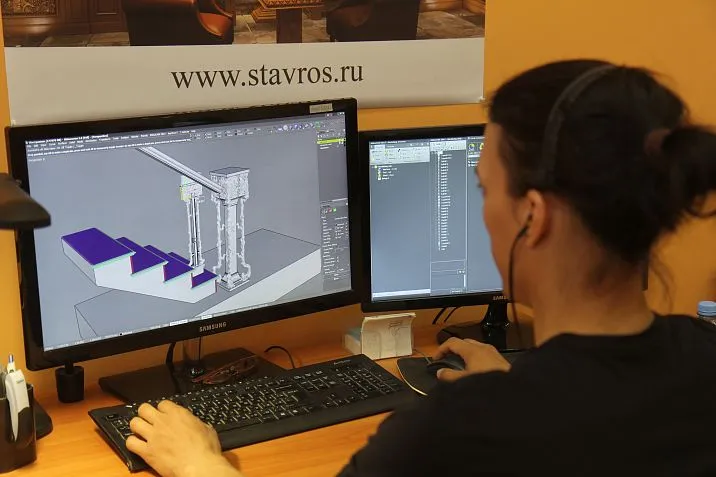
The modern furniture industry is undergoing a true digital revolution, where traditional craftsmanship meets advanced technologies. Today, furniture programs have become an indispensable tool for manufacturers, designers, and engineers. They not only optimize processes but also enable the creation of products meeting the highest quality standards, whether it’s furniture manufacturing technology or the production of unique classic furniture pieces. In this article, we will thoroughly examine the topic of furniture programs, their history, functional capabilities, and development prospects, as well as provide a detailed review of the best solutions for furniture production, design, and engineering.
classic furniture — is a symbol of elegance and high quality, and many modern solutions in the field of furniture programs are specifically designed to support traditions, combining them with innovative technologies.


Introduction: Modern Trends in the Furniture Industry
The modern furniture market demands high standards for both aesthetics and functionality of products. The combination of traditional craftsmanship techniques with digital tools has become the key to success in a highly competitive environment. Today, the following questions are at the forefront:
● How can software solutions optimize furniture production?
● How can the design process be accelerated without compromising quality?
● How to ensure high precision in manufacturing products that meet the standards of classic and traditional furniture?
These questions become especially relevant when it comes to integrating furniture software into daily furniture production practices. In this article, we combine key concepts:
"furniture software", "furniture production software", "furniture design software", "furniture design program", "furniture design software", "furniture design and drafting software", "furniture design programs", "furniture design and drafting programs", "best furniture software" – and demonstrate how they logically interconnect within a unified digital ecosystem of the modern furniture industry.




History of Development of Furniture Software
Our factory also produces:


Early Steps in Automating Furniture Production
The origins of furniture software date back to an era when early computer technologies were just beginning to penetrate industry. Early software solutions were simple and limited in functionality. Nevertheless, they laid the foundation for what we see today. Initially, such programs were used for calculating dimensions, optimizing material cutting, and creating technological drawings. Despite their modest functionality, it was precisely during these years that furniture manufacturing technology began to emerge, later evolving through digitalization.
Get Consultation
The CAD/CAM Revolution in Furniture Design
With the advent of Computer-Aided Design (CAD) and Computer-Aided Manufacturing (CAM) systems, a qualitative leap occurred. Furniture design software became a powerful tool for designers and engineers, enabling the creation of detailed 3D models of future products. Thanks to solutions such as "furniture production software" and "furniture design software", it became possible:
● Visualize the final product even before its manufacturing begins, significantly reducing time spent on revisions.
● Optimize the product's structure in terms of strength, ergonomics, and aesthetics.
● Reduce waste by accurately calculating parameters and automating material cutting.
Modern furniture design and drafting software allows combining traditional methods with digital technologies. This approach is relevant for creating products in the style of classic furniture and traditional furniture, where every detail matters.
Modern Furniture Software: Functionality and Capabilities
Furniture Production Software: Process Optimization
Modern furniture production software is a universal tool covering the entire workflow—from design to final quality control. Among the main functions of such programs are:
● Production planning: automated scheduling, material control, and resource optimization.
● Precise modeling: creating 3D models of products, calculating loads, determining optimal connection options.
● Quality control: digital scanning-based analysis systems allow detecting even microscopic defects.
These capabilities not only reduce production time but also lower costs, which is especially important for enterprises striving for high-quality and durable products.
Furniture Design Software: From Idea to Implementation
One of the key components of modern furniture production are design programs. They allow:
● Create detailed sketches and drawings, which are then used for manufacturing products.
● Integrate various design elements, adapting them to individual customer requests.
● Visualize products in virtual reality, helping to envision the final result even before production begins.
Such programs, as "furniture design programs" and "furniture design and drafting programs", become indispensable for those working in the premium segment. They contribute to creating unique samples that meet the requirements of classic furniture and products in the traditional style.
Furniture Design Software: Innovations in Creating Unique Products
Furniture design software occupies a special place among furniture programs. It combines visualization, analysis, and optimization functions, allowing designers to realize the most daring ideas. Furniture design software helps:
● Select color solutions and textures matching the latest fashion trends.
● Integrate elements of traditional craftsmanship with modern technologies.
● Create items capable of enduring the test of time while preserving their aesthetics and functionality.
This category of programs allows combining key concepts such as furniture manufacturing technology and traditional motifsclassic furniture, creating unique and long-lasting interior items.
Best Furniture Programs: Review and Comparison
Furniture Design and Planning Programs: What Market Leaders Offer
Today, the market offers numerous solutions, but not all of them can boast comprehensive functionality and high precision. Among the best furniture programs, we can highlight:
● Furniture design programs: These solutions allow creating detailed 3D models of items, integrating strength, ergonomics calculations, and visualizing the future product from various angles.
● Furniture manufacturing programs: They ensure automation of technological processes, quality control, and optimization of production costs.
● Furniture design program: Focused on the creative aspect of work, it allows selecting unique color palettes, textures, and decorative elements, which is especially relevant for creating items in the classical furniture style.
The advantage of the best solutions lies in their ability to combine functions for both design and production. Such furniture design and planning programs allow creating items meeting the highest standards.
Functionality Comparison: Which Programs Do Professionals Choose
When selecting software for furniture manufacturing and design, consider several key aspects:
- User interface convenience: The program should be intuitive and require no lengthy training.
- Flexibility and scalability: Ability to adapt to individual enterprise requests, as well as integration with other systems.
- Support for standards: The software must comply with modern requirements for quality and safety, which is especially important when producing items from natural materials.
- Integration with manufacturing processes: Ability to transfer data directly from the design phase to production, reducing rework time and increasing manufacturing accuracy.
The best furniture program today is one that can combine all these functions into a single solution. Professionals in furniture manufacturing actively use such systems to create items meeting the standards of classic and classical furniture.
Furniture Manufacturing Technology and Its Impact on Furniture Programs
Integration of Traditional Methods with Digital Technologies
Modern furniture programs are inseparably linked to the furniture manufacturing process. For example, when designing wooden items, it is important to consider the specifics of processing natural materials. Here, solutions that allow:
● Model the item's structure taking into account the physical properties of wood.
● Analyze strength characteristics and optimize connections.
● Simulate processing processes such as planing, sanding, and varnishing.
This approach allows creating a fully integrated system where design and production are unified. This is especially relevant for items in the classical furniture style, where every detail must be executed with maximum precision.
Application of Furniture Manufacturing Technology in Software
Furniture design programs actively use data obtained from research in furniture manufacturing technology. Modern systems allow considering:
● The impact of humidity, temperature, and other factors on the item's longevity.
● Features of different wood species, their texture and mechanical properties.
● Specifics of traditional processing methods, such as hand carving or inlay.
Such a comprehensive approach helps create items meeting the highest quality standards while preserving the traditions of classic and classical furniture.
Case Study: Integration of Software into Classic Furniture Production
For manufacturers specializing in classic furniture production, integrating furniture software has become a true revolution. Using design software allows:
● Reduce time spent on developing and revising drawings.
● Minimize errors in the production process.
● Ensure high precision when processing solid wood components.
An example of successful integration is the use of systems that allow direct data transfer from the design stage to production. This significantly reduces the risk of defects and increases efficiency, making the production process of items meeting classic furniture standards more transparent and controllable.
classic furniture – a vivid example of how traditions can be integrated with innovative technologies, creating items that captivate discerning clients.
Practical Cases: Successful Application of Furniture Software
Example of Implementing Software for Furniture Production
At one of the leading furniture factories specializing in solid wood products, a system was implemented combining the functions of furniture production and design software. Thanks to this solution, it was possible to:
● Optimize the technological process: Reduce production time by 30% through automated quality control and precise material calculation.
● Increase assembly accuracy: Using digital models allowed achieving perfect alignment of all connecting elements.
● Reduce scrap rate: Thanks to integrating data from the design stage into production, the risk of defects was significantly reduced.
Example of Using Software for Furniture Design
Another company operating in the classic furniture segment used specialized software to create custom projects. Here, designers, relying on digital modeling data, were able to offer clients:
● Customized solutions: Ability to choose the shape, color, and texture of the item in real time.
● Virtual interior modeling: Clients could see how the item would look in their space even before production began.
● Flexibility for changes: Ease of making adjustments and adapting the project to specific client requirements.
Such solutions demonstrate that modern furniture design and design software enables creating unique items that perfectly complement classic furniture concepts and traditions.classic furniture.
Real Success Stories
In the industry, there are numerous examples where implementing furniture software not only improved production metrics but also contributed to enhancing brand recognition. One such solution enabled the company to reach an international level, showcasing unique projects created using advanced software. This became possible due to the tight integration of all production stages — from idea to final finishing — into a single digital system.
The Future of Furniture Software: New Horizons and Prospects
Digitalization and Artificial Intelligence
The prospects for the development of furniture software are inextricably linked to further digitalization of production. Artificial intelligence and machine learning are already being introduced into data analysis, production process optimization, and even design generation. In the future, we can expect systems capable of:
● Automatically generate furniture projects based on analysis of trends and client preferences.
● Predict material behavior under various operating conditions, enabling the creation of more reliable products.
● Optimize production processes in real time by integrating design-stage data into production.
These innovations will open new opportunities for companies producing furniture in the classic style and traditional furniture, enabling them to create products meeting the highest standards.
Globalization and Exchange of Experience
The global furniture industry is becoming increasingly integrated. International cooperation and knowledge exchange facilitate the rapid adoption of the latest technologies in production. Companies using furniture design software already have access to the best global practices and integrate them into their manufacturing processes.
Such exchange allows creating items that not only meet local requirements but can also compete on the global market. This is especially relevant for the segmentclassic furniturewhere tradition and innovation come together to create unique products.
The role of customization in the future
Modern consumers increasingly prefer items created according to their individual requests. The future of furniture design software is linked to the possibility of mass customization, where each order becomes unique. Furniture design software will be integrated with online configurators, allowing customers to independently choose materials, colors, shapes, and decorative elements. This approach not only increases customer loyalty but also contributes to creating items that perfectly fit the interior.
Conclusions: Innovations, traditions, and the future of the furniture industry
Modern furniture design software has become a crucial tool that combines all aspects of furniture production, design, and development. It allows optimizing processes, creating unique projects, and integrating the latest technologies into manufacturing to meet the requirements of furniture production technology.
Key advantages of modern software include the following:
● High precision and detail: Furniture design software allows creating 3D models with maximum accuracy, which is especially important for solid wood items.
● Integration with production processes: The ability to transfer data directly from the design phase to production reduces time and minimizes the risk of errors.
● Flexibility and customization: Modern solutions allow adapting projects to specific client requests, which is especially relevant for the classic furniture segment.
● Environmental responsibility: Implementing technologies that optimize material usage and reduce energy consumption contributes to creating eco-friendly products.
These factors make furniture design software an indispensable tool for any enterprise striving for high-quality standards, whether producing items in the classic furniture style or developing innovative solutions for modern interiors.
Recommendations for specialists and manufacturers
To fully utilize the potential of furniture design software, we recommend the following steps:
- Invest in modern software solutions. Upgrade equipment and implement CNC, CAD/CAM, and digital modeling systems to improve accuracy and efficiency.
- Train personnel. Regularly conduct training and seminars for specialists to help them master the latest software features and capabilities.
- Integrate processes. Ensure close coordination between design and production stages. This will minimize errors and improve the quality of the final product.
- Focus on customization. Use modern online configurators that allow customers to independently customize projects by selecting materials, colors, and decorative elements.
- Preserve traditions. Do not forget the value of craftsmanship. Integrating traditional processing methods with digital technologies allows creating items worthy of the status of classic furniture and traditional furniture.
Final Reflections
Today, furniture design software has become an indispensable part of the modern furniture industry. It combines the capabilities for creating detailed 3D models, automating production, and customizing orders, enabling the creation of items meeting the highest standards.
Modern furniture design software allows designers to realize their boldest ideas, while furniture manufacturing software optimizes technological processes, making production not only faster but also higher quality. For those who value tradition, items in the styleclassic furniture remain a benchmark of refined taste and craftsmanship.
At the same time, integrating traditional methods with modern digital technologies opens up limitless possibilities for creating unique interior items. The best furniture software is the one that can combine all key functions: from design to production, ensuring maximum precision, flexibility, and individualized approach to each order.
We live in an era when technologies are rapidly evolving, and consumer demands are becoming increasingly specific. That is why implementing modern software solutions in furniture production has become a guarantee of success for any enterprise striving for high-quality standards and the longevity of products.
May the future of the furniture industry be filled with innovative solutions, preservation of traditions, and a constant pursuit of perfection. Furniture software is a powerful tool capable of transforming the entire production and design process, opening new horizons for creating items that will delight their owners for many years.
Conclusion: Looking ahead to the future of furniture production and design
In conclusion, we can note that modern furniture software represents a collection of powerful tools combining functions for creating, designing, and producing furniture. These solutions not only optimize processes but also ensure a high degree of customization for items meeting both modern trends and traditional values.
● Innovations in digital modeling and production automation reduce time and improve manufacturing quality.
● Integration with manufacturing processes allows minimizing errors and ensuring production stability.
● Customization of orders becomes possible thanks to flexible project setup systems, which is especially relevant for the segment of classic furniture and items in the style %sclassic furniture.
● Preserving traditions and craftsmanship in combination with modern technologies creates unique interior items that become true works of art.
The future of the furniture industry promises to be exciting. Each year new solutions emerge, enabling deeper integration of digital technologies into the manufacturing and design processes of furniture. Such furniture design and planning programs not only ease specialists' work but also open new opportunities for creativity and innovation.
We are convinced that only through harmonious combination of traditions, experience, and the latest technologies can we create items worthy of the title 'classic furniture.' Such solutions earn the trust of discerning clients and become benchmarks for future generations.
Recommendations for industry specialists
- Invest in digital technologies. Use the best software solutions for furniture design and production to ensure high precision and efficiency of work.
- Collaborate with experts. Exchange experience with leading specialists, participate in seminars and conferences to stay updated on the latest trends.
- Optimize processes. Implement integrated systems that allow linking design and production stages into a single information chain.
- Preserve the uniqueness of items. Use the capabilities of modern software to create personalized projects, which is especially important for the classic furniture segment.
- Pay attention to ecology. Implement eco-friendly technologies and materials to comply with global standards and earn customer trust.
Conclusion
Furniture programs have become an indispensable part of the modern furniture industry. They open new horizons in design, planning, and production, enabling the creation of items that not only meet modern requirements but also preserve the spirit of tradition. Integration of key concepts such as furniture manufacturing technology, classic furniture, traditional furniture, and furniture in classic style allows achieving the highest level of quality and aesthetics.
Modern furniture design programs and furniture planning programs are powerful tools capable of transforming the entire production process. They make it possible to create unique items that perfectly fit any interior and meet the demands of the most discerning clients.
If you strive for perfection and wish your items to become true works of art, be sure to pay attention to modern furniture programs. They will help you optimize your work, reduce costs, and, most importantly, create furniture that will delight the eye and serve for many years.
For additional information and inspiration, we recommend visiting the site %sclassic furniturewhere you can find the best examples of items created using advanced technologies while preserving traditions.
Let the digital revolution in the furniture industry become your reliable ally on the path to creating unique, durable, and aesthetically pleasing items. Your success lies in the harmony of innovation and tradition!