Article Contents:
- 1. Importance of proper material selection for furniture
- 2. Main Categories of Furniture Materials
- 2.1. Wood-based laminated materials
- Laminated particle board (Laminated Particle Board)
- MDF (Micro-fraction)
- Plywood
- 2.2. Solid Wood
- 2.3. Metal and glass
- 2.4. Plastic and acrylic
- 2.5. Materials for upholstered furniture
- 3.1. Density and thickness
- 3.2. Emission class (E0/E1/E2)
- 3.3. Moisture resistance
- 3.4. Wear resistance of upholstery fabrics (Martindale)
- 3.5. Wood hardness
- 4.1. Cabinet furniture (cabinets, shelves, sideboards)
- 4.2. Kitchen sets
- 4.3. Upholstered furniture (sofas, chairs)
- 4.4. Tables and chairs
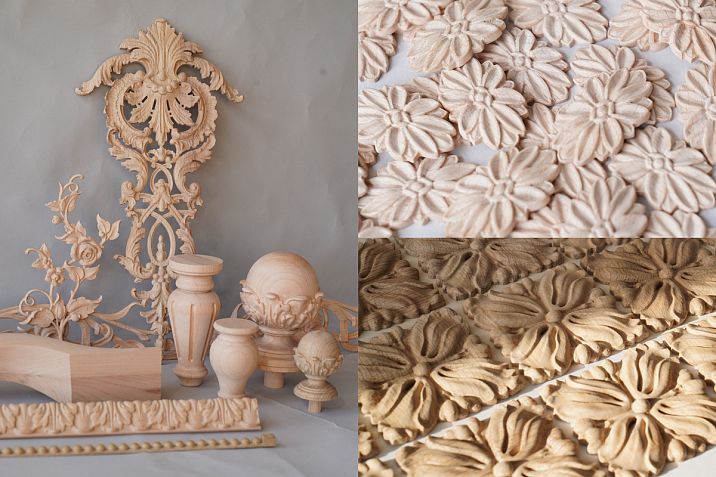
Today, the market offers a wide variety of materials used to create furniture of various styles and purposes. Previously, most interior items were made from solid wood, but now traditional options have been supplemented with particle board and fiberboard (Laminated Particle Board, MDF, plywood), various plastic coatings, metal, glass, as well as a full range of upholstery fabrics and fillers for soft furniture. Understanding the properties and characteristics of these materials helps make the right choice: ensuring durability, aesthetics, and ease of use. In this article, we will thoroughly examine what types of furniture materials exist, what to pay attention to when purchasing them, and in which situations it is better to use certain types.


1. Importance of proper material selection for furniture
- Strength and reliability. Under high loads (shelves in cabinets, sofas for daily sleeping), materials must withstand weight, not deform, and not creak. If the base (frame, board) is not strong enough, the furniture will quickly fail.
- Appearance. Wood texture, color and fabric finish, plastic gloss or enamel sheen — all of this forms the aesthetic. Different materials give furniture its character and stylistic direction.
- Ease of use. Moisture resistance, temperature stability, ease of cleaning — these qualities are critical for kitchen, bathroom, or office furniture. Poor edge on Laminated Particle Board can lead to end swelling, while cheap fabric can cause rapid wear.
- Safety and ecology. Many boards (Laminated Particle Board, MDF) use binding resins that emit formaldehyde. Quality grades comply with E1/E0 emission classes, which are safe for living spaces. Also important is the non-toxicity of varnishes, paints, and impregnations.
- Financial aspect. Materials can range from very affordable (simple MDF) to expensive (solid wood of premium species, complex acrylic finishes). A smart balance between budget and quality allows creating durable furniture without unnecessary overpayments.




2. Main categories of furniture materials
Furniture materials can be broadly divided into several groups: wood-based materials (panels, solid wood), metal and glass (including for frames and fronts), plastics and composites, as well as upholstery fabrics and fillers for soft furniture.
Our factory also produces:


2.1. Wood-based panel materials
MDF (laminated particleboard)
Description: manufactured by pressing wood particles with binding resins, then laminated with decorative film (melamine or laminate).
● Advantages:
1. Affordable price.
2. Wide range of decorative options (wood, stone, solid colors).
3. Easy maintenance: laminated surface repels dirt and wipes clean easily.
Disadvantages:
1. Edges are vulnerable to moisture (if poorly edge-banded).
2. Not suitable for deep routing.
3. May emit formaldehyde if emission class is higher than E1 (e.g., E2).
● Used for: cabinet bodies, shelves, office furniture, sometimes fronts (flat, without routing).
MDF (fine particle board)
Description: particleboard where the finest wood particles are pressed under high pressure and temperature.
● Advantages:
1. Dense and uniform structure => holds fasteners well, does not chip at edges.
2. Can be routed (creating shaped fronts, relief).
3. Higher moisture resistance than MDF (when properly treated).
Disadvantages:
1. More expensive than MDF.
2. Heavier, which may complicate transportation of large parts.
3. Requires finishing (film, enamel, veneer) — raw MDF lacks aesthetic appeal.
● Used for: kitchen fronts, cabinet doors, decorative relief panels, doors, sometimes bodies (if higher quality is needed).
Plywood
Composition: layers of veneer glued crosswise. Can be birch, coniferous, etc.
● Advantages:
1. High strength and dimensional stability.
2. Relatively light weight for large dimensions.
3. Suitable for frames, seating, DIY projects in eco- or Scandinavian style.
● Disadvantages:
1. Not always decorative without additional finishing (lacquers, paints).
2. Must check grade (I, II) and presence of moisture resistance (FC, FSC).
● Used for: chair and sofa frames, back panels of cabinets, Scandinavian furniture, designer projects.
Get Consultation
2.2. Solid wood
Description: Solid boards or beams from different species (pine, birch, beech, oak, etc.).
● Advantages:
1. Natural appearance, warm texture, "prestige".
2. Durability with proper care (especially oak, ash).
3. Possibility of restoration, sanding, and re-finishing.
Disadvantages:
1. High price, especially for hardwoods.
2. Sensitivity to humidity and temperature fluctuations (may "warp", crack).
3. Heavy weight (difficult to transport).
● Used in: classic or luxury cabinets, fronts, tables, chairs, carved elements.
2.3. Metal and glass
● Metal (steel, aluminum profiles, pipes) is commonly used in loft furniture frames, office chairs, tables. Durable, but aesthetically cold.
● Glass (tempered) is often found in display cabinet doors, countertops, inserts. Adds "lightness" to design, but requires careful handling.
2.4. Plastic and acrylic
● HPL/CPL: lamination on MDF or particleboard, provides high wear and water resistance. Used in kitchen fronts and countertops.
● Acrylic: acrylic films or panels create gloss or deep matte finishes on fronts. Modern, but more expensive than PVC film.
2.5. Materials for soft furniture
● Frame: plywood, solid wood, particleboard (budget), metal (rare).
● Fillers: spring blocks (serpentine, Bonnel, independent), polyurethane foam (PU) of various densities, latex.
● Upholstery: fabrics (flock, shenille, rush, jacquard), natural leather, eco-leather. Characteristics: wear resistance (Martindale), density, water- and stain-repellent treatments.
3. Key characteristics and their importance
3.1. Density and thickness
● Density: for panels (MDF/Particleboard) this indicates strength. For PU foam, density affects service life and comfort.
● Thickness: for shelves and cabinet bodies 16–18 mm, for countertops — 25–38 mm, for MDF fronts — 16–22 mm. The thicker, the sturdier and more expensive.
3.2. Emission class (E0/E1/E2)
● Applies to wood-based panels (particleboard, MDF). E1 is considered safe for residential use, E0 has even lower formaldehyde emissions. E2 is often not recommended for children's rooms.
3.3. Water resistance
● Plywood can be water-resistant (FC) or enhanced water resistance (FSP).
● Particleboard and MDF can have additional treatments, but still fear prolonged contact with water, especially edges.
3.4. Wear resistance of upholstery fabrics (Martindale)
● 15–20 thousand cycles — household level.
● 20–30 thousand — medium.
● 40 thousand and more — commercial level, for heavy loads.
3.5. Hardness of wood
● Soft pine, oak, and beech are harder. Harder species are better for load-bearing structures, though more expensive.
4. Use in different types of furniture
4.1. Cabinet furniture (cabinets, shelves, sideboards)
● MDF: affordable, wide range of decor options, E1 emission class. If on a budget, this is optimal.
● MDF: facades with routed patterns, increased durability under hinges. Cabinet bodies are also possible, but more expensive.
● Plywood: for eco-style, Scandinavian, DIY enthusiasts. Quality plywood can be left exposed (finished with varnish).
4.2. Kitchen sets
● Cabinet: moisture-resistant MDF or MDF, edges must be covered.
● Facades: MDF with PVC film, enamel, acrylic, veneer, sometimes solid wood (expensive).
● Countertop: HPL plastic on particleboard, artificial stone, solid wood with impregnation — depends on budget and style.
4.3. Soft furniture (sofas, chairs)
● Frame: plywood/solid wood (best option), particleboard (budget).
● Filling: PU foam density 25–35 kg/m³, springs (serpentine, Bonnel, independent), latex is possible (expensive).
● Upholstery: fabrics (linen, shenille, flock), leather, faux leather. Consider durability and maintenance.
4.4. Tables, chairs
● Tops: MDF/particleboard with plastic (HPL) or veneer, solid wood (prestige), glass (modern style).
● Legs: solid wood, metal, plywood in Scandinavian design.
● Chair upholstery: durable fabric or faux leather.
5. How to check material quality
- Visual inspection: surface flatness, absence of chips, cracks, delamination.
- Smell test: strong chemical odor may indicate high formaldehyde emission.
- Certificates: emission class (E0/E1), plywood grade (I, II), presence of international standards (FSC for wood, ISO).
- Tactile check: if it’s upholstery, “feel” the fabric density, elasticity, possibly test for stretch.
6. Where to buy furniture materials
● Construction hypermarkets: convenient for small purchases, but selection by decor and grade may be limited.
● Specialized warehouses/centers: "furniture materials center" offers a complete set (panels, upholstery, hardware) + cutting, edge banding, and consultation services.
● Online stores: wide selection, but no opportunity to "feel" samples. Reputation and reviews are important.
7. Selection tips
- Project analysis: what type of furniture (kitchen, cabinet, sofa)? How often and under what conditions will it be used (humidity, load)?
- Budget clarification: if limited, use MDF (fronts) + particle board (body), or simple fabric. With sufficient budget — solid wood, higher-grade plywood, premium fabrics.
- Edge quality: for particle board/MDF, without edge banding, ends deteriorate quickly. When ordering cut pieces, request ABS/PVC edge banding.
- Hardware: do not economize on hinges and mechanisms (Blum, Hettich) — they extend the product’s lifespan.
- Foam density: for sofas, minimum 25–30 kg/m³. Do not hesitate to ask sellers for these specifications.
8. Conclusion
Furniture materials — ranging from traditional solid wood to modern plastics and composites — is a broad topic that defines the entire lifecycle of furniture. Understanding key characteristics (density, emission class, durability, water resistance, grade) helps make informed choices and avoid disappointments related to rapid failure or unattractive appearance.
● For built-in furniture (cabinets, shelves, drawers), particle board (budget-friendly) or MDF (higher quality, routed edges) are most commonly used. Plywood and solid wood are more specialized solutions.
● For upholstered furniture (sofas, chairs), the frame (plywood/solid wood), filler (springs, appropriate density polyurethane), and upholstery (flocking, shennil, rush, leather) must be considered with durability in mind.
● Tables and chairs may have MDF with plastic, solid wood, or glass tops, and frames made of metal or wood.
In conclusion, when selecting materials, remember to consider certification (E0/E1 for panels), finish quality (edge banding, coating), brand reputation, and services (cutting, edge banding). Proper selection ensures you get beautiful, reliable, and comfortable furniture that will serve you for many years and continue to delight with its appearance and comfort.