Article Contents:
- The Importance of Small Details in Interior Design
- Furniture Fittings: Basics and Possibilities
- Functionality and Durability
- Aesthetic Perfection
- Examples of Application
- History and Modernity
- Advantages of the Furniture Module
- Ideas for Application
- Role in Creating an Image
- Functionality and Design
- Examples of Successful Solutions
- Harmonious Combination
- Ergonomic Principles
- Design Possibilities and Stylistic Solutions
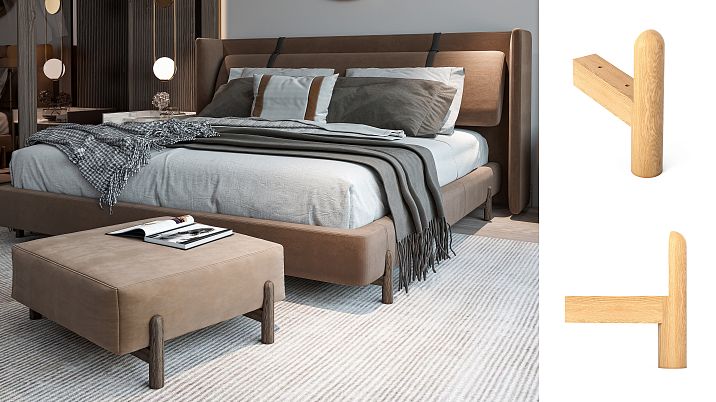
In modern interior design, small details play a decisive role. It is precisely these elements that set the tone for the entire space, combining functionality with aesthetics. In this article, we will consider such elements asfurniture fittings, furniture module andfurniture trinkets – indispensable components that help create a complete and harmonious interior.


The Importance of Small Details in Interior Design
Details are what transform an ordinary space into a unique work of art. It is precisely through small elements, such as decorative overlays, hardware, and accessories, that designers achieve a harmonious blend of traditions and modern trends. These elements can serve both purely decorative and practical functions, ensuring the durability and reliability of furniture.




Furniture Fittings: Basics and Possibilities
furniture fittings – are components that ensure secure connection, support, and stability of furniture construction. They play a key role in creating functional and aesthetically pleasing items.
Our factory also produces:


Functionality and Durability
High-quality furniture fittings contribute to extending the lifespan of furniture. Thanks to modern manufacturing technologies, these elements are produced with high precision, allowing to minimize wear and prevent possible damage during daily use.
Get Consultation
Aesthetic Perfection
In addition to practical characteristics, furniture fittings also serve a decorative function. They can serve as a striking accent, giving the item individuality. Using original shapes, textures, and finishes helps create a unique design that harmoniously fits into the overall interior.
Examples of Applications
In classic interiors, furniture fittings can be made using carved elements, giving furniture a traditional and elegant look. In modern styles, minimalist solutions are allowed, where emphasis is placed on clean lines and strict forms.
Furniture Module: An Element Combining Style and Functionality
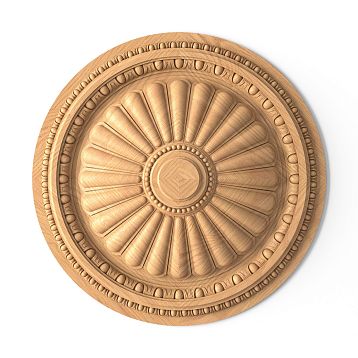
furniture module – This is a decorative element used to divide and accentuate zones in the interior. It can become a central compositional element, highlighting architectural features of the room.
History and Modernity
Historically, modules were used in classical architecture as a means of decorating building facades and interiors. Today, this tradition has received new life thanks to modern technologies and innovative materials. Furniture modules adapt to any stylistic solution – from classic to high-tech.
Advantages of Furniture Modules
● Visual Space Division: Modules help structure the interior, creating a sense of order and clarity.
● Decorative Effect: They serve as excellent decoration, capable of becoming a design highlight.
● Flexibility of Application: Modules easily integrate into various projects, whether built-in cabinets, kitchens, or office furniture.
Ideas for Application
In a classic interior, a furniture module can serve as a frame for mirrors, paintings, or decorative panels. In a modern space, it is an element that unites several functional zones, for example, in open-plan kitchens and living rooms.
Furniture Details: Elements Defining Individuality
furniture trinkets – These are small but very important elements that often become key accents in the interior. They can range from decorative overlays to unique handles used for finishing furniture.
Role in Creating an Image
Furniture details can radically change the appearance of an item. Sometimes, it is precisely these details that make furniture memorable and unique. These can be items in a classic style, or ultra-modern elements executed in minimalist design.
Functionality and Design
In addition to decorative function, furniture details often serve a practical purpose. For example, original handles not only decorate cabinets or chests but also ensure ease of use. Quality items guarantee smooth and comfortable interaction with furniture, making its use maximally pleasant.
Examples of Successful Solutions
In interiors with retro tones, furniture details can be made using brass or bronze elements, emphasizing the rich history of design. In modern projects, bright accents made of plastic or matte metal can be used, creating a sense of modernity and dynamism.
Integration of Furniture Elements into the Interior
Harmonious Combination
To achieve the best result, it is necessary to properly combine all decorative elements. Furniture fittings, modules, and details should complement each other, creating a unified whole. The choice of color, texture, and shape of each element should take into account the overall concept of the interior.
Ergonomic Principles
When integrating decorative elements, it is important not to forget their functional component. Each element should not only decorate but also serve a practical purpose – whether supporting the furniture structure or ensuring ease of use. Effective application of these principles allows creating an interior that pleases the eye and ensures maximum comfort.
Production Technologies
Modern production technologies allow creating furniture elements with high precision. Laser cutting, computer modeling, and automated coating application ensure that each detail is made with ideal proportions and without any defects. This is especially important for furniture fittings and modules, where precision is the guarantee of durability and aesthetic perfection.
Advantages of Using High-Quality Furniture Elements
● Durability: High-quality materials and modern production technologies ensure a long service life of items.
● Aesthetic Appeal: Each element is thought out in detail, allowing to create a unique and harmonious interior.
● Universality: Furniture fittings, modular units, and decorative elements easily adapt to any style—from classic to modern.
● Enhanced functionality: These elements not only decorate but also improve the operational characteristics of furniture, making it more convenient to use.
Conclusion
Furniture details—whetherfurniture fittings, furniture module orfurniture trinkets —are key components of a successful interior. They give space individuality, unify various design elements, and ensure high furniture functionality. Choose quality items from trusted manufacturers and experiment with shapes and materials to create a unique and harmonious interior.
Visitstavros.ruto explore the range of quality decorative elements that will help bring your design ideas to life. Let every detail in your interior express your taste and pursuit of perfection!