Article Contents:
- Why Design Studios Are Becoming Increasingly Popular
- The Role of Individualized Approach
- Market of Furniture Design Studio Services
- Classic as Eternal Value
- Modern minimalism
- Loft and industrial aesthetics
- Art of installation: installing trims
- Initial Analysis and Brief
- Sketches and 3D Modeling
- Material selection
- Production, Implementation, and Quality Control
- 3D Printing, Laser Cutting, and CNC
- Eco-Friendly Materials and New Finishes
- Portfolio
- Reviews and recommendations
- Open Communication
- Price and Quality Ratio
- Experimental Projects
- Client Self-Expression
- Offices and Coworking Spaces
- Restaurants and Cafes
- Hotels and Guesthouses
- How Traditional Experience Helps Create Innovations
- Hybrid Styles as Reflection of Our Era
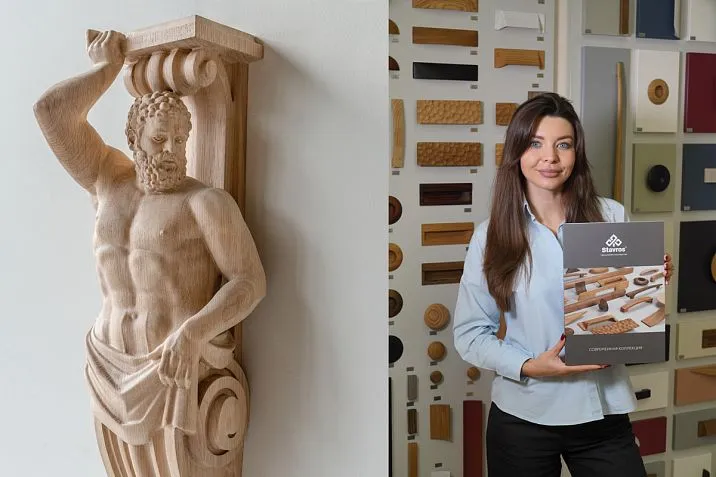
Furniture design is always an art combined with precise science of ergonomics, material usage, and consideration of client requests. However, in our era of multitasking and fast-paced life, many people increasingly prefer to turn to professionals who can comprehensively address space design issues. That is why furniture design studios are gaining popularity today: they do not merely sell ready-made furniture, but create unique interior solutions where every item becomes part of a thoughtfully designed concept.
What is the secret to the attractiveness of furniture design studios? Primarily, it lies in the ability to work 'client-centric,' taking into account all preferences, tastes, budget, and room characteristics. Some studios emphasize innovative technologies, while others specialize inclassic furnitureThirds combine several directions at once, creating truly exclusive items. Meanwhile, furniture design studios typically do not limit themselves to producing just one or two pieces. They are capable of comprehensively planning an interior — from built-in furniture and decor to lighting and space zoning.


Why design studios are becoming increasingly popular
On the one hand, modern people have access to a vast selection of ready-made furniture in stores and hypermarkets. On the other hand, this "overabundance of choice" often causes confusion. How to choose among hundreds of chairs and cabinets exactly those that will create a harmonious ensemble? How to account for all the nuances of layout, lighting, and lifestyle? Here, furniture design studios step onto the stage — professional teams capable of solving such tasks.




The role of individual approach
Today, the conversation is not only about the beauty of interior design, but also about emotional and psychological comfort. A furniture design studio strives to understand the "DNA" of your home or apartment: who lives in the space, what habits the inhabitants have, what motivates them to get up in the morning and how they prefer to rest after work. From these details, a unique picture emerges, allowing designers to create furniture and space that perfectly suit you.
Some people love hosting guests in the evenings, so a bar counter or spacious dining table becomes a central element. For another, privacy is more important: then it is necessary to plan a system of built-in cabinets, zone the space with soft partitions, and create an intimate corner for reading or creativity. An individual approach means that the studio will not impose standard solutions, but will offer what truly improves the client's life.
Our factory also produces:


The market of furniture design studio services
The market of design services is currently developing at explosive speeds. Companies that once focused exclusively on custom cabinet production are expanding their scope to full-fledged design support, including 3D visualization, textile and accessory selection. Young studios entering the market bring fresh perspectives and bold ideas, while industry "dinosaurs" rely on reputation and long-standing experience. This creates healthy competition, ultimately benefiting clients: the choice becomes broader, and the quality — higher.
However, as in any field, it is easy to encounter unprofessional service providers here. And therefore, it is important to be able to distinguish studios genuinely immersed in the design and production process from those who merely resell other people's work or operate in a template manner. In the following, we will discuss how to choose the right studio, avoid choosing the wrong contractor, and obtain a result that will delight you for years.
Get Consultation
Main directions of development of furniture design studios
The development of technologies, globalization, and changes in lifestyle lead to the fact that furniture design studios today offer a wide range of styles and directions. Let's consider the most common ones to understand the uniqueness of each.
Classic as an eternal value
One of the most in-demand directions remains classic. Perfect proportions, luxurious materials, carved details, and elegance — all of this makes it so attractive to many clients. Of course, classic furniture is quite monumental, and it is better to order it for spacious rooms or homes with high ceilings. But a skilled furniture design studio knows how to "lighten" classic style so that it fits seamlessly even into modern apartments.classic furniture The foundation of the classic approach — use of natural wood (oak, beech, walnut), expensive fabrics, carved and inlaid elements. However, modern "classic" can harmoniously include technological novelties: built-in lighting, hidden storage mechanisms, or pull-out elements.
At the opposite pole from classic are minimalism and modernism. Simple geometric forms, minimalist design, flat facades without decoration, neutral color palette — these are the main distinguishing features. Furniture design studios working in this style emphasize functionality: each cabinet, shelf, or rack must perform a specific task, without cluttering space with unnecessary details.
Modern minimalism
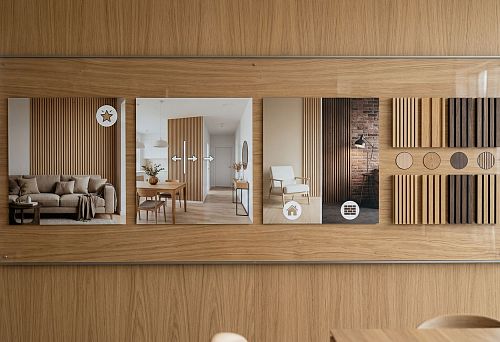
Modern minimalism is perfectly suited for small spaces and dynamic urban life, where convenience and rationality take precedence. In such interiors, built-in appliances, hidden handles, sliding doors, and modular transformers are often used, allowing quick adaptation of space to specific needs.
Modern minimalism is perfectly suited for small spaces and dynamic urban life, where convenience and rationality take precedence. In such interiors, built-in appliances, hidden handles, sliding doors, and modular transformers are often used, allowing for quick adaptation of space to specific needs.
Loft and industrial aesthetics
Loft and industrial styles are extremely popular among creative individuals and young people who value informality. Here, the "rawness" of materials is paramount: brick walls, concrete ceilings, metal structures, rough wood texture. However, industrial style is not only about brutality — it is also about the ability to skillfully play with space, making it functional and stylish.
Furniture design studios working in the loft format often create open layouts, combining living room, kitchen, and workspace into one space. Large windows, high ceilings, exposed engineering elements (pipes, beams) play an important role, becoming a kind of "decoration" for the interior. Meanwhile, furniture is designed with durability in mind and is often made of metal, solid wood, or glass.
Country and Provence
For those seeking home warmth and natural beauty, the country or its refined French variation — Provence — is ideal. In this case, furniture design studios focus on using natural wood, bleached or pastel shades, woven elements, and "simple" shaped cabinets. The main goal — to create a sense of coziness and closeness to nature. Designers often add hand-painted elements, surface distressing, floral prints on textiles.
Country and Provence are perfectly suited for country homes, cottages, as well as for city apartments where one wishes to preserve a bit of "rural" tranquility and romance. If desired, this style can be easily "refreshed" with modern details, such as glass panels or innovative storage mechanisms, without losing the overall concept of "returning to roots."
The process of a design studio: from idea to finished interior
For many clients, it remains a mystery how exactly a furniture design studio brings their wishes to life. Let's peek behind the scenes and examine the main stages of creating a unique furniture project.
Initial analysis and brief
Everything begins with the studio and client meeting. Designers strive to learn about the client's lifestyle, color, texture, and functional preferences. Important are also deadlines, budget, and specific characteristics of the object: square footage, architectural features, engineering systems. At this stage, a general understanding of the future project is formed: which zones will be designated, what kind of furniture is needed, how complex the decorative elements will be.
Clients often encounter unexpected questions here: "How do you like to spend evenings?", "Do you have pets at home?", "Do you prefer more open shelves or cabinets with closed facades?", "Do you prefer classic furniture or minimalism?". Answers will help the studio propose a unique solution reflecting the client's lifestyle.
Sketches and 3D modeling
Then designers move on to creating preliminary sketches to visualize the overall concept. Computer programs are often used to create 3D models, allowing to assess scale, proportions, and color combinations even before production begins. This is a key stage, as it is here that the final concept is formed and decisions about adjustments are made.
The client may request changes to the facade colors, handle shapes, or kitchen island placement. Thanks to 3D visualization technology, these changes are easily incorporated into the project, and the client can see how the interior will be updated. 3D modeling is especially relevant for complex projects, where every centimeter counts.
Material selection
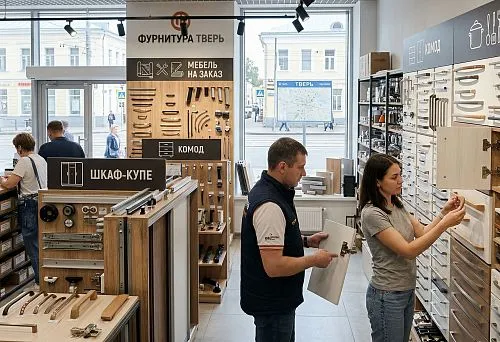
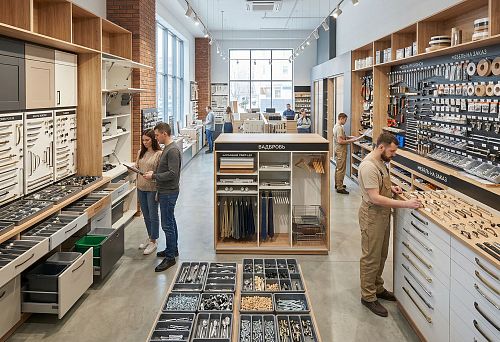
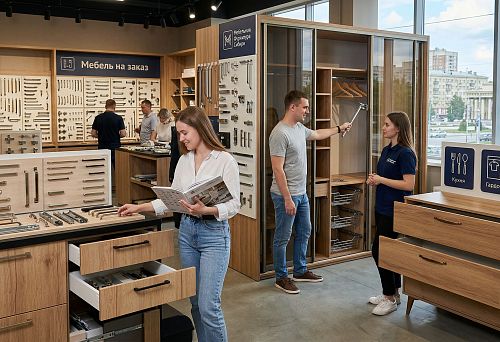
The next step is selecting specific materials, shades, and textures. Sometimes it is necessary to visit a showroom to feel samples of wood, fabric, and hardware "in person." A good furniture design studio usually offers several options "for any budget": from budget-friendly wood imitations to premium species, from standard hardware to premium European mechanisms.
At this stage, functional load is also considered. For example, if you have small children or pets, durable upholstery and facades, easy-to-clean and scratch-resistant materials are preferable. If there are allergy sufferers in the house, eco-friendly materials that do not emit harmful substances are chosen.
Production, Implementation, and Quality Control
When all details are agreed upon, the project moves into production. This may be the studio’s own workshop or its partners specializing in custom furniture manufacturing. At this stage, designers and managers carefully monitor quality, adherence to technology, and deadlines. Then comes the delivery, assembly, and installation of furniture on-site.
And here, "quality control at the finish" is especially important. Many studios include an author supervision service in their contract: a specialist visits the site, checks whether everything matches the project, whether the equipment and fasteners are correctly installed, and whether there are any surface damages. Often, final touches are added at this stage — arranging accessories, fitting decorative elements, adjusting lighting. The client receives "turnkey" not just a set of furniture, but a fully-fledged interior with thought-out details.
Modern Technologies in Furniture Design
Furniture design studios cannot stand still, as technology is rapidly evolving. Just 20–30 years ago, we could only dream of 3D printers, CNC machines, or augmented reality programs, but today these tools have become commonplace in professionals’ work.
3D Printing, Laser Cutting, and CNC
The key advantage of modern technologies is precision and speed. Details cut by laser or produced on CNC machines feature perfect geometry and flawless edges. 3D printers allow experimenting with shapes that were once considered technically complex or impossible. This opens up enormous opportunities for designers, especially in creating unique decorative elements, complex geometric patterns, and non-standard constructions.
Of course, such innovations increase project cost, but it all depends on the goal and budget. If you aim for truly exclusive furniture, such technologies are the best way to bring the boldest ideas to life. With them, you can create smooth wave-like forms, delicate inlays, three-dimensional ornaments, making the interior absolutely unique.
Eco-Friendly Materials and New Finishes
Recently, the trend toward eco-friendliness and sustainability is gaining momentum. Modern furniture design studios increasingly offer "green" solutions: using certified wood harvested from specially managed forests, applying water-based, health-safe paints, and utilizing recycled materials.
The technological advancement of new finishes is equally important. For example, highly durable varnishes have emerged that protect wood from moisture and mechanical damage. Or, stain-resistant fabrics for upholstery that allow easy spot removal. As a result, the client receives furniture that not only looks great but remains in excellent condition for a long time and does not cause significant harm to the environment.
How to Choose the Right Furniture Design Studio
There are many players on the market, each claiming their "uniqueness," "high quality," and "affordable prices." It is important to understand how to distinguish a truly professional team from those focused solely on quick profit. Below are several criteria worth paying attention to.
Portfolio
The most reliable way to determine if this designer is "your" one is to review their portfolio. It’s good if it includes diverse projects: apartments, country houses, commercial spaces. Pay attention not only to photos of the finished interior, but also to visualizations or drawings, if they are available in open access. Compare "before and after": how impressive are the transformations? If the portfolio is limited to a few low-quality photos or you feel the projects look formulaic, it’s better to look for another studio.
Reviews and Recommendations
Do not hesitate to ask potential contractors for contacts of previous clients — a good specialist usually gladly shares recommendations. Look for reviews online, on specialized forums, or social media. Of course, negative comments should also be critically evaluated: sometimes clients have unrealistic expectations or poorly formulated requests. However, if there are too many negative reviews, it’s a reason to be cautious.
Open Communication
Professionals are ready to answer your questions, explain nuances, show materials, and provide detailed consultations. If a studio tries to "hide" all details, does not disclose prices and deadlines, avoids explanations, it’s worth thinking about the transparency of their work. The contract is another indicator of reliability. It must clearly specify stages, deadlines, costs, and responsibilities of each party.
Price and Quality Ratio
An abnormally low price compared to the market average should raise concerns: the studio may be cutting corners on materials or not allocating sufficient time for work. On the other hand, a high price does not guarantee a great result. The optimal option is when the estimate details every expense, down to hardware and delivery. This way, you will understand exactly what you are paying for and can adjust costs as needed.
Furniture Design Studio: A Place for Experimentation and Self-Expression
Furniture design studios are becoming sort of "creative laboratories" where diverse ideas, styles, and technologies converge. Sometimes designers challenge public taste, proposing bold color solutions or unexpected material combinations. At other times, they prefer to "tame" avant-garde, softening it to a level comfortable for a broad audience.
Experimental Projects
Many studios enjoy implementing experimental projects that allow them to go beyond conventional commercial formats. This may include conceptual furniture with unusual geometry, innovative storage systems, transformable items that change shape or function. Such projects, on one hand, demonstrate the designers’ professionalism, and on the other hand, stimulate the imagination of potential clients.
When a studio has its own production base, it can easily test new technologies and finishing methods to offer truly unique solutions. For example, designers can create an exclusive series of chairs with laser-cut carvings, or use 3D printing to produce original hardware.
Client Self-Expression
It is important to understand that creating unique furniture is a two-way process. The studio offers ideas and experience, but the client brings their individuality. In the ideal scenario, the designer becomes something of a translator: translating the client’s dreams and desires into the language of forms, colors, and textures. Sometimes, people themselves are not fully aware of what they need, and only discover it through dialogue with a team of professionals.
If you have long dreamed of a home office in English style or a bedroom inspired by Japanese aesthetics — why not discuss this with the studio? Perhaps, through collaborative creativity, an even more interesting and profound concept will emerge, surpassing initial expectations.
Features of working with commercial projects
Furniture design studios work not only on residential interiors but also on commercial ones: offices, restaurants, hotels, stores, and exhibition halls. Here, aesthetics and comfort are not the only priorities — corporate branding, functionality for high foot traffic, and compliance with safety and operational standards are equally important.
Offices and co-working spaces
Modern offices are increasingly moving away from the "gray cubicle" format and striving to create flexible spaces that stimulate creativity and comfort. Furniture design studios develop work zones taking into account ergonomics, acoustics, and lighting. For example, they install transformable partitions so employees can adjust the layout for team collaboration or individual focus. Furniture also becomes modular: tables with adjustable heights, chairs with back support, storage systems with flexible configurations.
Restaurants and cafes
In the hospitality industry, the key task is to create an atmosphere that guests will want to return to. Interior design, including furniture, plays a decisive role in shaping coziness, status, and the unique style of the establishment. Furniture design studios help conceptualize (whether a loft bakery or a classic restaurant with columns and moldings) and realize it through selection of tables, chairs, bar counters, lighting, and decor. At the same time, ergonomic requirements are considered: guests must be comfortable sitting, waitstaff must have easy access to tables, and materials must withstand intensive use and be easy to maintain.
Hotels and resorts
Here, the combination of functionality and aesthetics is crucial, since hotel rooms and lobbies are the face of the hotel. Thoughtful design conveys to guests the comfort and status of the establishment, creating a sense of relaxation and rest. At the same time, furniture must be durable and safe, meeting fire and sanitary safety standards. Furniture design studios working with hotels often propose modular and universal solutions to quickly refresh interiors without significant expenses.
The fusion of traditions and new horizons
In the work of furniture design studios, there is a remarkable synthesis of the past and the future. Traditional styles (classicism, country) coexist here with the most advanced technologies. Some clients prefer strict modern lines and innovations, others seek timeless elegance, which is provided byClassic FurnitureBut most professional teams do not see a contradiction in combining "eternal values" with the latest materials and production methods.
How traditional experience helps create innovations
A successful furniture design studio usually has specialists of different profiles in its staff: designers, engineers, marketers, and sometimes master craftsmen who know all the intricacies of working with wood, metal, and fabrics. Traditional woodworking techniques, carpentry methods, secrets of hand finishing — all of this remains relevant even in the 21st century. In fact, it is precisely this "baggage" that helps studios create furniture pieces that stand out against mass-produced alternatives.
At the same time, knowledge of traditional furniture culture allows for the implementation of innovations more subtly and qualitatively, without disrupting the harmony of forms and proportions. For example, one can create a classic chest of drawers with carved fronts, but with built-in drawers on silent guides. Or use patination and inlay on cabinet doors, combined with modern touch-sensitive handles.
Hybrid styles as a reflection of our era
Another trend — mixing different styles: eclecticism, fusion, boho, scandi-boho. Some clients do not want "pure" loft or "classic" baroque, but strive to find their own individual mix that takes into account the unique features of their personality and life circumstances. The furniture design studio becomes a partner in these experiments, helping to balance seemingly incompatible elements.
For example, in an interior, an industrial-style leather sofa andClassic chair with elegant armrests may coexist. The key is to find a common "thread" that will tie everything together: this could be a unified color palette, similar textures, or one decorative motif. Thoughtfully chosen details will allow you to create an interior where every item "breathes" its own story, yet does not stand out from the overall harmony.
Conclusion: the future belongs to furniture design studios?
Looking at the modern market and the development of technologies, one can confidently say that the future truly belongs to furniture design studios capable of working at the intersection of art, craftsmanship, and innovation. More and more people understand that a quality interior is not just a trendy picture, but a space where one lives easily, comfortably, and joyfully.
● Individuality. Clients value a unique approach and strive to obtain furniture that reflects their personality.
● Comprehensive service. Design studios offer not only furniture development but also full project support, saving clients time and effort.
● Technology. Latest production methods, eco-friendliness, and smart solutions make studio work more flexible and engaging.
● Hybridity and experimentation. Modern life dictates the mixing of styles and forms — and this is continuous creative space for furniture designers.
The key is to find "your" team: professionals who can listen to you and bring your dreams of the ideal interior to life. When it comes to long-term comfort and enjoyment of your home or office, choosing the right furniture design studio becomes a decisive factor. And if you still have doubts, simply take the first step: review the portfolio, ask questions, discuss ideas. Perhaps, it is precisely this approach that will open up a new perspective on interior design, improving your daily life for the better.
Because good furniture is not only the items around us, but also part of family history, a symbol of coziness, reliability, and inspiration. And when such an approach combines with the skill of designers, the result can exceed all expectations. A furniture design studio is a place where your boldest or most delicate visions of home can take on their real, beautiful, and functional form. And if you are drawn to the idea of combining tradition with innovation, if you are seeking something more than mass solutions, then collaboration with such a studio may be the very step that will make your home or business space unique in every sense.