












































































Article Contents:
- Introduction to Furniture Layout
- Why is furniture layout so important?
- 1. Unified Style and Concept
- 2. Harmony of Forms and Lines
- 3. Color Scheme and Materials
- 4. Functionality and Ergonomics
- Decorating Walls and Ceilings
- Layout in Hallways and Waiting Areas
- Furniture Decoration
- Step 1: Space Analysis
- Step 2: Choosing Style and Concept
- Step 3: Selecting Materials and Colors
- Step 4: Installation and Placement of Elements
- Minimalism and Functionality
- Eclecticism and Mixing Styles
- Eco-Friendly Materials
the art of furniture layout, paying attention to decorative solutions, and understanding how to properly applyfurniture layoutfor creating a unique interior.decorative furniture layout to create a unique interior.


Introduction to Furniture Layout
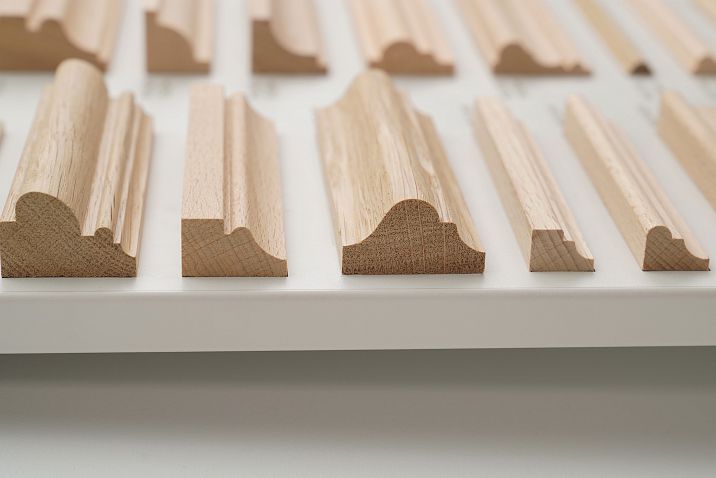
Furniture layout is not just about distributing furniture elements in space. It is a careful consideration of composition, where every detail plays its part. Layout includes selecting, positioning, and decorative finishing of elements such as moldings, cornices, baseboards, and other finishing materials that serve as a link between the functional part and the artistic concept of the interior.




Why is furniture layout so important?
- Interior Cohesion: Properly chosen layout helps create a harmonious interior where all elements complement each other.
- Focus on Details: Decorative elements highlight the character of the room, emphasizing its unique features and giving it individuality.
- Optimal Space Utilization: Furniture layout not only decorates the interior but also makes it more functional, rationally distributing zones for various activities.
Our factory also produces:


Basic Principles of Decorative Furniture Layout
Get Consultation
1. Unified Style and Concept
The first step in creating a successful layout is defining the interior style. Classic, modern, minimalism, or eclecticism – each style imposes its own requirements on decorative elements. For example, in a classic interior, preference is given to elegant moldings and carved cornices that emphasize refinement and elegance. Such solutions can be found by reviewing the assortment offurniture layout leading manufacturers.
2. Harmony of Forms and Lines
When selecting decorative elements, attention should be paid to their shape and lines. They should be in harmonious proportion with main furniture items and architectural features of the room.Decorative Furniture Layout should complement, not overload, the interior. The ideal combination of smooth cornice lines with sharp skirting lines can create visual balance and give the space a finished look.
3. Color Scheme and Materials
Color palette and finish texture play a decisive role in creating an atmosphere. Natural wood, lacquered surfaces, metallic tones – material selection must correspond to the overall interior design. Furniture layout using high-quality finishing materials not only adds aesthetic appeal but also guarantees the longevity of decorative elements.
4. Functionality and Ergonomics
Along with the aesthetic aspect, functionality is important. Layout elements should contribute to the convenience of furniture use, simplify maintenance, and ensure practicality. For example, properly selected skirting boards conceal utilities and protect walls from damage, while cornices can serve as a base for installing additional lighting or decorative elements.
Application of Furniture Layout in Interior Design
Wall and Ceiling Decoration
One of the most popular ways to apply furniture layout is wall and ceiling decoration. Decorative moldings and cornices allow creating a 'tiled' finish effect, even if only decorative elements are actually used. This approach helps visually expand the space and add additional depth to the room.
Layout in Hallways and Waiting Areas
Hallways and lobbies are often overlooked in terms of decorative design. However, thoughtful furniture layout can transform these spaces into stylish and cozy zones, where every detail emphasizes the overall interior design. Usingfurniture layout in such areas allows creating a memorable impression and making a strong impression on guests.
Furniture decoration
Decorative layout is also a way to transform standard furniture. Adding decorative appliqués, skirting boards, or cornices can completely change the appearance of a cabinet, table, or chest, turning them into true works of art.Decorative Furniture Layout allows experimenting with shapes and textures, creating unique designer solutions.
Practical Recommendations for Creating Furniture Layout
Step 1: Space Analysis
Before beginning decoration, it is important to conduct a thorough analysis of the room. Identify main zones, assess architectural features and existing color palette. This will help you understand which decorative elements will be most appropriate for this interior.
Step 2: Style and Concept Selection
Determine the style in which the furniture layout will be executed. For a classic interior, carved and detailed moldings are suitable, while for modern minimalism – clean and strict lines. It is important that the chosen style harmonizes with the overall concept of the room.
Step 3: Material and Color Selection
Material and color selection must correspond to both functional requirements and aesthetic preferences. Prefer high-quality finishing materials that ensure durability and high aesthetic value. For example, decorative elements made of natural wood add warmth and coziness to the interior, while modern composite materials provide a strict and minimalist look.
Step 4: Installation and Placement of Elements
After selecting all elements, they must be installed correctly. It is important to observe proportions and ensure each detail is in its proper place. Professional installation guarantees that the furniture layout will look neat and harmonious, and decorative elements will serve you for many years.
Trends in Modern Furniture Layout
Minimalism and functionality
Modern interior design trend – minimalism, which implies using a small number but high-quality decorative elements. In this case, each detail becomes an accent, and furniture layout allows preserving clean lines and thoughtful composition.
Eclecticism and mixing styles
In some interiors, solutions combining elements of different styles work well. Eclectic furniture layout allows combining classic carved elements with modern minimalist details, creating a unique and memorable room image.
Eco-friendly materials
Increasingly popular are materials manufactured according to ecological principles. Natural wood, recycled materials, and modern composites are becoming a choice for those who aim to create an interior safe for health and the environment. High-quality decorative elements presented infurniture layoutcan become not only an aesthetic solution but also an environmentally responsible choice.
Conclusion
Furniture layout is a true art capable of transforming any interior. Proper combination of decorative elements such as moldings, cornices, and baseboards helps create a harmonious and functional design that will please the eye and serve for many years. Using principlesfurniture layout and implementing ideasfurniture decorative layoutyou can achieve a truly unique result reflecting your individual style and high quality standards.
Approach decoration with attention to detail, experiment with forms and materials, and every detail of your interior will become a contribution to creating a space where you want to live. Visit the websitestavros.ruto familiarize yourself with a wide range of high-quality decorative elements capable of inspiring you for new design achievements.
In the end, furniture layout is not just a way to decorate a space, but a whole concept combining functionality and aesthetics, traditions and innovations. May your interior be filled with harmony, style, and unique individuality, and every detail tell the story of your taste and pursuit of perfection.


