Article Contents:
- Revolution of perception: why natural wood conquers hearts
- Phenomenon of tactile memory
- Living breath of the material
- Palette of nature: diversity of wood species
- Oak — The Monarch of the Furniture Kingdom
- Ash — dance of elegance and strength
- Walnut — embodiment of luxury
- Exotic treasures
- Symphony of styles: from classical canons to avant-garde experiments
- Classic grandeur
- Scandinavian philosophy
- Modern eclecticism
- Technological alchemy: transforming wood into a masterpiece
- Scientific approach to drying
- Art of connections
- Finish coatings: protection and aesthetics
- Ergonomic principles: when beauty meets comfort
- Anthropometry in design
- Adaptation to needs
- Functional innovations: maximum benefit from every element
- Hidden storage systems
- Technology integration
- Production culture: from idea to realization
- Custom Design
- Assembly Without Compromise
- Ecological responsibility: care for the planet
- Certified wood
- Principles of circular economy
- Economic aspects: investment in the future
- Long-term perspective
- Impact on property value
- Care and preservation: wisdom of generations
- Daily care
- Restoration and renewal
- Psychology of interior: influence on emotional state
- Biophilic design
- Color therapy of natural shades
- Modern trends: looking toward the future
- Personalization and customization
- Technological Innovations
- Regional characteristics: traditions of the world
- European Schools of Craftsmanship
- Eastern philosophy of wood
- Conclusion: Choosing in Favor of Eternal Values
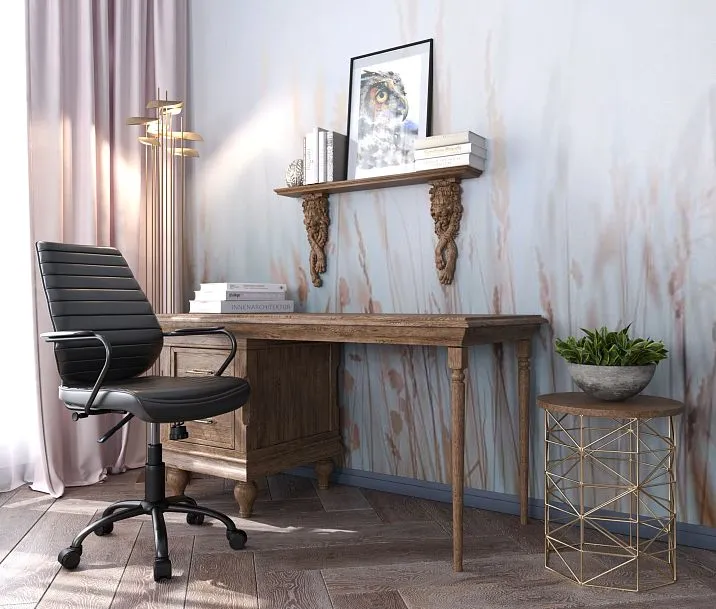
Have you ever paused in awe before an ideal interior, where every item seems to breathe natural beauty? The secret to such magic lies in material selection — and nothing is more beautiful than furniture made of natural woodThis is not just home decor — it is a whole universe of natural textures, scents, and energy that transforms an ordinary dwelling into an oasis of harmony and style.
In our fast-paced era of plastic and synthetics, wooden furniture has become a symbol of returning to roots, to the authentic and real that nature itself created. Each fiber of the solid wood holds the story of decades of growth, each pattern of annual rings — a unique message from time. Choosing natural wood means choosing not only beauty, but also a philosophy of life in harmony with nature.


Revolution of perception: why natural wood conquers hearts




Phenomenon of tactile memory
Touching real wood activates the most ancient mechanisms of human perception. Our genetic memory preserves millennia of interaction with this material — from the first tools to magnificent temples. That is why contact with wooden surfaces evokes such deep emotional responses.
Modern neuroscience confirms: tactile sensations from natural wood stimulate the production of serotonin and dopamine — hormones of happiness and pleasure. The silky surface of polished walnut, the noble roughness of brushed oak, the warmth of pine boards — each texture tells its own story and creates a unique atmosphere.
Our factory also produces:


The living breath of the material
What distinguishes real wood from its imitations? The ability to live and interact with the surrounding environment. Wood continues to "breathe" even after the most careful processing, regulating the humidity of the air in the room. When the air becomes too dry, the wood releases stored moisture. During periods of high humidity — it absorbs excess moisture.
This natural process creates an ideal microclimate, beneficially affecting the health and well-being of all inhabitants of the home. Especially important is this quality in children's rooms and bedrooms, where we spend one-third of our lives.
Get Consultation
Palette of nature: diversity of wood species
Oak — the monarch of the furniture kingdom
Oak furniture embodies strength, reliability, and aristocratic dignity. The density of this wood reaches an impressive 700 kilograms per cubic meter, guaranteeing exceptional structural strength. High concentration of tannins provides natural protection against moisture, pests, and microorganisms.
The color diversity of oak captivates the imagination: from delicate honey tones of young trees to rich chocolate hues of ancient giants. Thermal treatment allows obtaining nearly black tones while preserving the characteristic coarse texture with expressive growth rings.
Ash — a dance of elegance and strength
Ash wood demonstrates an amazing harmony of technical and aesthetic characteristics. Light base with contrasting dark stripes creates a dynamic, lively texture capable of transforming even the most rigid interior.
The unique impact toughness of ash allows creating furniture with slender, elegant elements without sacrificing strength. This species is a true chameleon in the hands of a master, easily accepting any stains while preserving its characteristic striped structure.
Walnut — embodiment of luxury
Walnut wood is rightfully considered one of the most noble materials in furniture production. Rich color palette — from light brown to deep chocolate tones, wavy wood grain forming unique patterns — all this turns walnut furniture into true works of art.
Exceptional dimensional stability makes walnut ideal for precise mechanisms and complex constructions. Excellent workability allows craftsmen to realize the most daring design concepts.
Exotic treasures
Redwood, wenge, teak, zebrawood — these names sound like mantras for true connoisseurs of beauty. Mahogany impresses with its stability and rich reddish-brown color with golden hues. Wenge surprises with its contrasting black-brown texture and hardness surpassing many metals.
Each exotic species is a whole world of unique properties, scents, and visual effects. Furniture made of natural wood Exotic species becomes not just a setting, but a collectible object, an investment in beauty and prestige.
Symphony of Styles: from classical canons to avant-garde experiments
Classical grandeur
Classic wooden furniture is the quintessence of centuries-old traditions of furniture art. Strict proportions based on mathematical laws of beauty, symmetrical compositions, refined decorative elements create an atmosphere of respectability and culture.
Carved cornices with meticulous detailing, turned columns and balusters, three-dimensional panels with deep relief — each element of classical furniture is the result of centuries of refinement of forms. Gilding or silver patination accentuates the relief of carving, creating a sense of noble antiquity.
Scandinavian Philosophy
Scandinavian aesthetics introduced revolutionary principles into the world of design: functionality above decoration, honesty of materials more important than showy luxury. Scandinavian wooden furniture embodies the philosophy of lagom — moderation and harmony.
Light wood species — birch with its silky surface, pine with characteristic resin veins, ash with expressive texture — are processed minimally, preserving maximum natural beauty. Forms are extremely minimalist, but every line is meticulously perfected.
Modern Eclecticism
Current design trends open boundless opportunities for creative experimentation. Wooden furniture can combine with metallic elements, creating captivating contrasts of textures and material temperatures. Glass inserts add lightness to massive forms.
LED lighting integrated into wooden structures transforms an ordinary cabinet or shelf into a light sculpture. Asymmetric compositions, non-standard proportions, play of scales — modern style allows experimentation without losing connection to nature.
Technological alchemy: transforming wood into a masterpiece
Scientific approach to drying
The quality of finished furniture is established at the earliest stages of wood processing. Kiln drying is a high-tech process requiring precise control of temperature, humidity, and air circulation. Optimal final wood moisture content is 8-10% — this is the golden standard, excluding deformation and cracking.
Modern drying kilns are equipped with computerized control systems that automatically adjust parameters depending on the wood species, initial moisture content, and required characteristics of the finished material.
Art of joinery
Strength and durability of wooden furniture directly depend on the quality of joinery. Traditional methods — mortise and tenon, dovetail, pegged joints — have been tested over centuries of use and remain the benchmark of reliability.
Modern CNC milling machines allow creating joints with precision down to hundredths of a millimeter. However, final assembly is still performed by the hands of an experienced craftsman who senses the material and understands its nature.
Finish coatings: protection and aesthetics
Choosing a finish coating is a compromise between beauty, durability, and eco-friendliness. Natural oils and waxes preserve the wood's natural beauty, allowing the material to "breathe" and regulate humidity. They create a pleasant-to-touch surface with a natural sheen.
Polyurethane varnishes provide maximum protection against damage and contamination. Modern formulations are virtually invisible, do not alter the natural wood color, and simultaneously create a durable protective film.
Ergonomic principles: when beauty meets comfort
Anthropometry in Design
Creating truly comfortable furniture made of natural wood requires a deep understanding of human anatomy and biomechanics. The height of work surfaces, depth of seats, angles of backrests — each parameter affects the user's comfort and health.
Modern ergonomics considers not only physiological but also psychological aspects of human interaction with furniture. Correct proportions create a sense of harmony and calm, while incorrect proportions cause subconscious discomfort even with external attractiveness.
Adaptation to needs
The best furniture is that which seamlessly adapts to the user's needs. Adjustable elements, transformable structures, modular systems — all of this allows creating personalized solutions for every home.
Adaptability is especially important in children's furniture, which must "grow" alongside the child, and in work zones, where proper space organization directly affects productivity and health.
Functional innovations: maximum benefit from every element
Hidden storage systems
Modern Wooden furniture are not just beautiful items, but complex functional systems. Drawers with soft-close mechanisms, swivel mechanisms in corner sections, built-in organizers — all of this makes furniture use maximally convenient.
Hidden storage systems deserve special attention, as they allow maintaining ideal order without compromising interior aesthetics. Panels can swing, slide, or rotate, revealing access to internal space.
Integration of technologies
Natural wood beautifully combines with modern technologies. Built-in audio systems, concealed charging cables, integrated lighting — all of this can be seamlessly incorporated into wooden structures.
Smart home systems are organically integrated into wooden furniture. Touch control panels, wireless charging, climate control — technologies serve comfort without compromising the aesthetics of natural materials.
Production culture: from idea to realization
Custom design
Each piece of quality wooden furniture is the result of careful design and planning. 3D modeling allows seeing the future product in all its details, making necessary adjustments even before production begins.
Parametric design automatically recalculates the entire structure when individual elements are changed. This is especially important when creating furniture for non-standard spaces or to meet individual client requirements.
Multi-stage Quality Control
Quality control systems permeate the entire production process. Incoming raw material inspection ensures wood meets technical specifications. Operational control at each processing stage eliminates the possibility of defects. Final inspection of finished products confirms compliance with all standards.
Modern measuring instruments allow controlling parameters with precision down to microns. Laser measuring devices, digital moisture meters, spectral analyzers — high-tech equipment guarantees stable quality.
Ecological Responsibility: Care for the Planet
Certified Wood
Modern furniture production is inseparably linked to principles of sustainable development. The FSC certification system guarantees that the wood comes from responsibly managed forests. This means not only preserving biodiversity but also respecting the rights of local communities.
Preference for domestic wood species not only reduces transportation costs and carbon footprint but also supports regional economic development. Russian oak, beech, and birch do not fall short of foreign equivalents in quality.
Circular economy principles
Zero-waste production — not just a trendy trend, but a necessity of the modern era. Sawdust is converted into fuel pellets, shavings are used for composite materials, offcuts are utilized for souvenirs and small items.
Even after the end of its service life, wooden furniture can find new applications. Restoration, repurposing, use as material for other projects — natural wood lives many lives.
Economic aspects: investment in the future
Long-term perspective
Quality furniture made of natural wood is not an expense, but a long-term investment. With proper care, such furniture can serve for decades, and often for centuries. Dividing the cost by years of use results in a very reasonable annual price.
Moreover, quality wooden furniture tends to increase in value over time. Antique pieces made from valuable wood species can reach auction prices many times higher than their original cost.
Impact on property value
Quality furniture made of natural wood significantly enhances interior appeal and overall property value. Potential buyers are willing to pay extra for thoughtful finishes and quality furnishings.
For commercial spaces, this factor is even more significant. Offices and public areas with wooden furniture are perceived as more prestigious and reliable, positively impacting company image.
Care and Maintenance: Wisdom of Generations
Daily Care
Natural wood is a living material that requires attention and care. But this care is not burdensome, rather it is pleasant. Daily cleaning with a soft cloth not only removes dust but also allows you to feel the warmth and texture of the material.
Proper care extends the life of furniture and preserves its original beauty. Using special wood care products, protecting from direct sunlight, and maintaining optimal humidity — simple rules that guarantee longevity.
Restoration and renewal
One of the main advantages of wooden furniture is the possibility of restoration. Scratches can be sanded, dull surfaces polished, and worn finishes renewed. Even serious damage often can be professionally restored.
This ability to restore makes wooden furniture especially valuable from an ecological standpoint. Instead of discarding worn items, they can be brought back to life, extending their service life for decades.
Interior Psychology: Impact on Emotional State
Biophilic Design
The concept of biophilic design is based on humanity's innate need for contact with nature. The presence of natural wood in interior spaces satisfies this need on a subconscious level, creating a sense of harmony and well-being.
Studies show: people living in environments with natural materials demonstrate more stable emotional states, better stress management, and fewer illnesses. Wooden furniture contributes to creating a healthy living environment.
Natural Color Therapy
Natural wood colors have a beneficial effect on mental state. Warm honey tones create a feeling of coziness and security. Cool silver tones promote concentration and mental clarity.
It is important to avoid bright synthetic dyes, which may cause eye fatigue and irritation of the nervous system. Natural wood color palettes are universal and do not become tiresome over time.
Modern Trends: Looking to the Future
Personalization and Customization
Modern consumers increasingly value uniqueness and the ability to adapt furniture to their needs. Mass customization systems allow creating individual solutions without significant increases in production costs.
The ability to choose wood species, finish types, sizes, configurations, and additional options provides virtually unlimited opportunities for personalization. Each piece of furniture can become a reflection of the owner's individuality.
Technological Innovations
Integrating modern technologies with traditional materials opens new horizons. Built-in air purification, ionization, and aromatization systems transform wooden furniture into active elements of a healthy home.
Sensory surfaces that change lighting color based on mood or time of day, adaptive systems that respond to human presence — the future of wooden furniture is full of amazing possibilities.
Regional Characteristics: Traditions of the World
European Schools of Craftsmanship
Each country in Europe has contributed to the development of furniture art. Italian masters are renowned for their refined design and flawless execution. The German school emphasizes functionality and technological excellence.
French tradition combines luxury with elegance, while English tradition combines solidity with comfort. Each school has its own secrets and characteristics passed down from generation to generation.
Eastern Philosophy of Wood
Asian understanding of wood is based on a deep philosophy of unity with nature. Japanese masters achieve incredible perfection in material processing, creating items that serve for centuries.
Chinese tradition considers each piece of furniture as an element of a system contributing to the harmony and prosperity of the home. The Korean school combines practicality with refined aesthetics.
Conclusion: Choosing in Favor of Eternal Values
Choosing wooden furniture is not just a purchase, but a philosophical affirmation in favor of authenticity, quality, and connection with nature. In a world of rapidly changing trends and synthetic materials, wooden furniture remains a symbol of constancy and true values.
Each solid wood item is unique due to the unique wood grain pattern. Nature does not create copies — each item has its own character, individual beauty, and special energy. This makes wooden furniture not just decor, but a companion in life.
Modern technologies allow us to fully unleash the potential of natural materials, creating items that combine traditional beauty with innovative functionality. Precision processing, eco-friendly coatings, thoughtful ergonomics — all serve one purpose: to create furniture that will delight generations.
Wooden Furniture Products — is an investment not only in the beauty of your home, but also in the health of your family, ecological well-being of the planet, and preservation of craftsmanship traditions. It is a choice made by people who understand the difference between price and value, between fashion and style.
STAVROS Company embodies the best traditions of furniture art in every project. Decades of experience working with natural materials, deep understanding of wood as a living material, use of advanced manufacturing technologies — all this creates the foundation for creating exceptional furniture.
STAVROS masters approach their work not as a manufacturing process, but as a creative dialogue with natural material. Each item is born from understanding the character of wood, respect for its properties, and a desire to reveal its hidden beauty.
STAVROS philosophy is based on principles of quality, eco-friendliness, and individual approach. The company uses only premium wood, applies environmentally safe processing technologies, and creates items tailored to the individual needs of each client.
Choosing STAVROS means choosing not just furniture, but a lifestyle based on respect for nature, appreciation of quality, and pursuit of perfection. It is a partnership with artisans who transform ordinary wood into artworks capable of serving generations and becoming part of family history.