Article Contents:
- Revolutionary Approaches to Classifying Modern Hardware
- Technological Breakthroughs in Fastening Solutions
- Specialized Systems for Different Types of Furniture
- Furniture Handles as Part of a Design Concept
- Innovative Materials in Hardware Production
- Soft-Close Systems as a Standard of Quality
- Ergonomic Aspects of Modern Hardware
- E-commerce as a Catalyst for Industry Development
- Specialized Solutions for Non-Standard Tasks
- Logistical Advantages of Digital Platforms
- Quality Control in the Digital Age
- Economic Efficiency of Digital Procurement
- Future Technologies in Furniture Hardware
- Ecological Aspects of Modern Hardware
- Training and Development of Competencies
- The Future of E-commerce for Furniture Hardware
- Conclusion
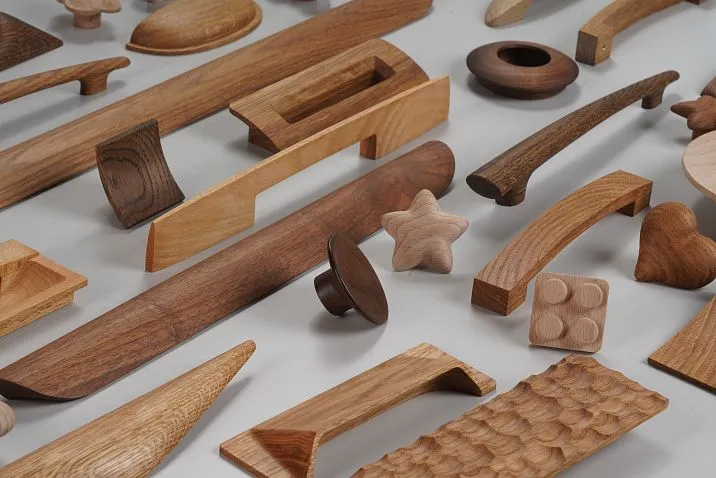
The modern furniture manufacturing industry is undergoing radical changes linked to the widespread shift to digital procurement platforms. Furniture Hardware Online Store Represents a new philosophy of interaction between manufacturers, distributors, and end consumers, where each element of the process is optimized for maximum efficiency.
The foundation of this transformation lies in understanding that quality hardware constitutes the soul of any furniture item. Without reliable hinges, cabinet furniture becomes a pile of wooden panels; without quality guides, drawers become inconvenient; and without thoughtfully designed handles, even the most sophisticated design loses functionality.


Revolutionary Approaches to Classifying Modern Hardware
Functional hardware encompasses mechanisms that enable movement of furniture elements. Hinges of various configurations, drawer guide systems, lift mechanisms for flip-top doors, and sliding systems for wardrobe cabinets form the technological foundation of modern furniture.
Surface-mounted, semi-surface-mounted, and inset hinges provide various mounting options for cabinet doors. Modern hinges are equipped with soft-close mechanisms that ensure smooth and silent closure even with a light push. This technology has fundamentally changed the perception of quality furniture.
Decorative hardware forms the visual image of a furniture item. Handles, appliqués, furniture legs, and decorative elements create a stylistic concept and emphasize the designer's idea. The variety of shapes, materials, and finishes allows for the realization of any creative vision.
Furniture legs deserve special attention as elements defining the aesthetics and functionality of an item. Wooden legs of various profiles, metal legs with chrome plating, height-adjustable systems — each option solves specific design and operational tasks.




Technological Breakthroughs in Fastening Solutions
The fastening system of modern furniture represents a complex set of engineering solutions, where each element performs a strictly defined function. Confirmers, eccentric bolts, dowels, and various types of screws ensure the strength of connections while allowing for multiple assembly and disassembly cycles.
The minifix system revolutionized the approach to assembling cabinet furniture. These miniature, yet extremely strong elements allow creating disassemblable structures that are easy to transport and assemble without special tools. For the consumer, this means the ability to assemble furniture themselves without compromising the quality of connections.
Eccentric bolts represent an even more advanced solution for concealed fastening. The mechanism consists of a body inserted into a pre-drilled hole and an eccentric that, when turned with a special key, generates a powerful clamping force. Such connections withstand significant loads and are virtually invisible on the finished product.
Our factory also produces:


Specialized systems for various types of furniture
Kitchen furniture imposes special requirements on hardware. Increased humidity, temperature fluctuations, intensity of use, and hygiene requirements determine specific characteristics of necessary components.
Full-extension guides provide access to the entire drawer volume, which is critically important for kitchen storage. Modern guides withstand loads up to 65 kilograms and are equipped with soft-close systems. Some models also feature a Push-to-open function, allowing drawers to be opened with a simple push.
Lift mechanisms for upper cabinets transform the ergonomics of kitchen space. Gas struts of varying power provide easy opening even for heavy doors and hold them in an open position. This solution is especially valued in modern kitchens with high ceilings.
Get Consultation
Furniture handles as elements of design concept
Modern furniture handles are not just functional elements, but key design accents. The variety of shapes, materials, and mounting methods allows creating unique stylistic solutions for any interior.
Inset handles are integrated into the facade thickness, creating a minimalist aesthetic without protruding elements. Such solutions are especially popular in modern interiors, where every detail adheres to principles of functionality and minimalism.
Surface-mounted handles provide limitless opportunities for design creativity. Classic models with gold and patina recreate the atmosphere of historical interiors, while ultra-modern solutions made of stainless steel or composite materials emphasize the technological nature of the space.
Integrated profile handles represent an innovative solution where functionality is combined with aesthetics. These elements are milled directly into the facade or manufactured as an inseparable part of the door, creating a visually unified surface.
Innovative materials in hardware production
Modern materials science opens new horizons for producing furniture hardware. Traditional metals are supplemented with composite materials, ceramics, glass, and high-tech polymers.
Zinc alloys provide the optimal balance of strength, corrosion resistance, and the ability to create complex shapes using die-casting. These materials allow manufacturing handles with intricate details and complex geometry while maintaining affordable cost.
Aluminum profiles open opportunities for creating lightweight yet strong structures. Anodizing and powder coating provide a wide color range and long-lasting finish. Aluminum hardware is especially in demand in office and medical furniture.
Stainless steel remains the benchmark of quality for the most demanding applications. The matte, polished, or decorative-finish surfaces of steel hardware combine functionality with aesthetic appeal.
Soft-close systems as a standard of quality
Soft-close technology has fundamentally changed the perception of quality furniture. Hinges with soft-close mechanisms, drawer soft-close systems, and lift system dampers ensure comfortable use and extend the lifespan of furniture.
Hydraulic dampers represent the most advanced solution for ensuring smooth closure. Precisely tuned mechanisms absorb the kinetic energy of moving elements and provide controlled deceleration. High-quality dampers operate almost silently and retain functionality for decades.
Integrated soft-close systems are embedded directly into guides or hinges, ensuring compactness. Such systems are especially valued in premium furniture, where every millimeter of internal space matters.
Ergonomic aspects of modern hardware
Ergonomics has become a decisive factor in selecting furniture hardware. Properly chosen elements ensure comfortable use, reduce physical strain, and prevent injuries.
Handle installation height is calculated based on anthropometric data and ensures a natural hand position when opening. Special solutions with extended levers and reduced activation force are developed for people with limited physical capabilities.
Handle grip sizes comply with ergonomic standards and ensure secure holding without excessive muscle strain. Modern biomechanical research enables the creation of handles that reduce fatigue during intensive use.
Online trade as an industry development catalyst
The shift to online trading of furniture hardware has become a catalyst for qualitative changes in the industry. Furniture Hardware Online Store Provides opportunities that are fundamentally impossible in traditional retail.
Detailed technical documentation, 3D models, installation and operation video instructions transform the process of selecting hardware into an informed technical decision. Professional buyers gain access to the full spectrum of technical specifications, enabling them to make reasoned decisions.
Filtering by technical parameters allows instantly finding hardware with required characteristics. Searching by size, material, load capacity, color, and style saves time for professionals and ensures accurate selection.
The ability to compare different options within a single interface helps evaluate the advantages of each solution. Comparison tables, detailed photos, and technical drawings provide comprehensive information for decision-making.
Specialized solutions for non-standard tasks
Modern furniture production often requires non-standard solutions that cannot be found in standard catalogs. Online platforms provide access to specialized hardware for unique projects.
Marine hardware made of stainless steel with enhanced corrosion resistance is intended for furniture used in high-humidity conditions. Such elements are indispensable in producing furniture for bathrooms, saunas, and yachts.
Anti-vandal hardware is developed for public spaces where furniture is subjected to intensive use. Reinforced structures, special coatings, and concealed mounting methods ensure durability under demanding operating conditions.
Children's furniture requires hardware with enhanced safety requirements. Rounded edges, absence of sharp corners, use of eco-friendly materials, and additional safety systems ensure protection for young users.
Logistical advantages of digital platforms
Modern logistics for online furniture hardware trade has reached a level that ensures delivery speed and reliability comparable to the best global standards. Automated warehouses, optimized delivery routes, and integration with transport companies create a flawless order fulfillment system.
Express delivery of critical components allows production to continue uninterrupted during unforeseen situations. The ability to obtain necessary hardware within several hours has fundamentally changed approaches to production planning.
Consolidating orders from various suppliers into a single shipment optimizes logistics costs and simplifies the process of receiving goods. Modern online platforms coordinate deliveries from different manufacturers to form complete batches.
Quality control in the digital age
Quality control systems for online furniture hardware trade include multi-level checks at every stage — from production to delivery to the end consumer. Digital technologies allow tracking each product batch and guaranteeing compliance with stated specifications.
Incoming inspection at warehouses includes checking dimensions, materials, coatings, and functionality of each batch. Modern measuring equipment ensures control accuracy down to hundredths of a millimeter, which is critically important for precision hardware.
Traceability systems allow identifying each product unit and enable prompt contact with customers of a specific batch if needed. This ensures a high level of service and allows rapid response to any quality issues.
Economic efficiency of digital procurement
Economic advantages of purchasing hardware through online stores are becoming increasingly evident for manufacturers of all scales. Direct deliveries from manufacturers, optimized logistics, and process automation ensure significant cost savings.
Dynamic pricing systems allow offering different prices depending on order volume, procurement frequency, and customer category. Flexible pricing policies consider the specifics of each client and ensure maximum economic efficiency.
Loyalty programs for regular customers provide additional discounts, priority service, and access to new products. Accumulative bonus systems encourage long-term cooperation and create mutually beneficial partnership relationships.
Future technologies in furniture hardware
The development of digital technologies opens new horizons for integrating smart solutions into furniture hardware. Smart hardware with built-in sensors and control systems transforms ordinary furniture into interactive spaces.
Electronic locks with biometric identification provide the highest level of security for particularly valuable items. Remote control systems allow monitoring access to furniture via mobile applications.
Load and wear sensors provide information about the condition of hardware and alert users to the need for maintenance. Predictive analytics allows preventing breakdowns and scheduling component replacements before failure.
Environmental aspects of modern hardware
Environmental responsibility is becoming a decisive factor in selecting furniture hardware. Manufacturers are increasingly focusing on using recycled materials, reducing production energy consumption, and creating fully recyclable products.
Environmental safety certification confirms compliance with strict environmental standards. Absence of harmful emissions, use of safe coatings, and full recyclability make such hardware preferable for modern consumers.
Packaging from recycled materials and optimization of logistical processes to reduce carbon footprint demonstrate a comprehensive approach to environmental responsibility. Many manufacturers implement programs for recycling used hardware.
Training and development of competencies
Online platforms are becoming centers for disseminating professional knowledge in the field of furniture hardware. Educational materials, video courses, and technical documentation help specialists enhance their qualifications and adopt new technologies.
Technical library includes detailed installation, adjustment, and maintenance instructions for various types of hardware. Professional schematics, drawings, and specifications ensure precision in installation work.
Webinars and online consultations with technical experts provide the opportunity to receive qualified assistance in solving complex technical issues. Interactive learning format makes the process of acquiring new knowledge more effective.
The future of online furniture hardware trade
Future prospects for online furniture hardware trade are linked to further integration of digital technologies, artificial intelligence, and automation processes. Online store for furniture hardware The future will use predictive analytics to forecast customer needs and automatically generate orders.
Virtual and augmented reality will allow customers to evaluate hardware in the context of a specific furniture item even before purchase. 3D visualization and interactive catalogs will make the selection process more intuitive and efficient.
Integration with automated furniture design systems will ensure automatic selection of required hardware based on the 3D model of the item. Artificial intelligence will analyze technical specifications and propose optimal solutions.
Conclusion
The modern era of digital technologies has fundamentally transformed the furniture hardware market, turning online trade into the primary channel for professional procurement. Quality furniture for furniture online store provides unprecedented opportunities for selecting, comparing, and purchasing necessary components.
Technological innovations, environmental responsibility, ergonomic solutions, and economic efficiency define the industry's development trajectory. Furniture manufacturers gain access to the global market for quality hardware through convenient digital platforms.
The future belongs to integrated solutions, where purchasing hardware becomes part of a comprehensive technological process for creating furniture. Artificial intelligence, predictive analytics, and process automation will define new industry standards.
STAVROS continues to lead in providing quality furniture hardware through modern online platforms, ensuring professionals access to the best global solutions. Investments in technology, logistics, and service create the foundation for further industry development and meeting growing market demands.