Article Contents:
- Furniture Hardware: More Than Just Details
- Functional Variety: From Simple to Complex
- Materials of Manufacture: From Classic to Innovations
- Aesthetics and Design: From Function to Form
- How to Choose the Perfect Hardware for Your Furniture
- Functional Requirements: What Really Matters
- Style Compatibility: Harmony in Details
- Technical Parameters: What to Pay Attention To
- Where to Buy Furniture Hardware: Overview of Options
- Specialized Stores: Professional Approach
- Online Stores: Convenience and Variety
- Construction Hypermarkets: Accessibility and Mass Availability
- Manufacturers and Official Distributors: Quality Guarantee
- Leading Furniture Hardware Manufacturers: Who to Trust
- European Brands: Traditions of Quality
- Asian Manufacturers: Balance of Price and Quality
- Russian Companies: Adaptation to Local Conditions
- Innovations in Furniture Hardware: What the Market Offers Today
- Silent Closing Systems: Comfort in Details
- Handle-Free Opening Mechanisms: Minimalism in Design
- Smart Furniture: Integration with "Smart Home" Systems
- Eco-Friendly Materials and Technologies: Care for the Future
- Furniture Hardware for Different Types of Rooms: Selection Features
- Kitchen: Functionality and Moisture Resistance
- Bathroom: Moisture Resistance Above All
- Children's Room: Safety and Reliability
- Living Room and Bedroom: Aesthetics and Quiet Operation
- Economic Aspects of Choosing Furniture Hardware
- Price Categories: From Budget to Premium Solutions
- Factors Affecting Cost
- Long-Term Savings: Investing in Quality
- Design Trends in Furniture Hardware: What's Relevant Today
- Minimalism and Hidden Solutions
- Natural materials and eco-friendliness
- Technological sophistication and smart solutions
- Individualization and customization
- Practical tips for choosing and purchasing furniture hardware
- Preparation for purchase: what to know in advance
- Choosing a reliable supplier: what to pay attention to
- Assembly and compatibility: important nuances
- Installation and maintenance: extending service life
- Conclusion: the art of choosing the perfect hardware
- About the Company STAVROS
- History and achievements
- Product range and services
- Company philosophy
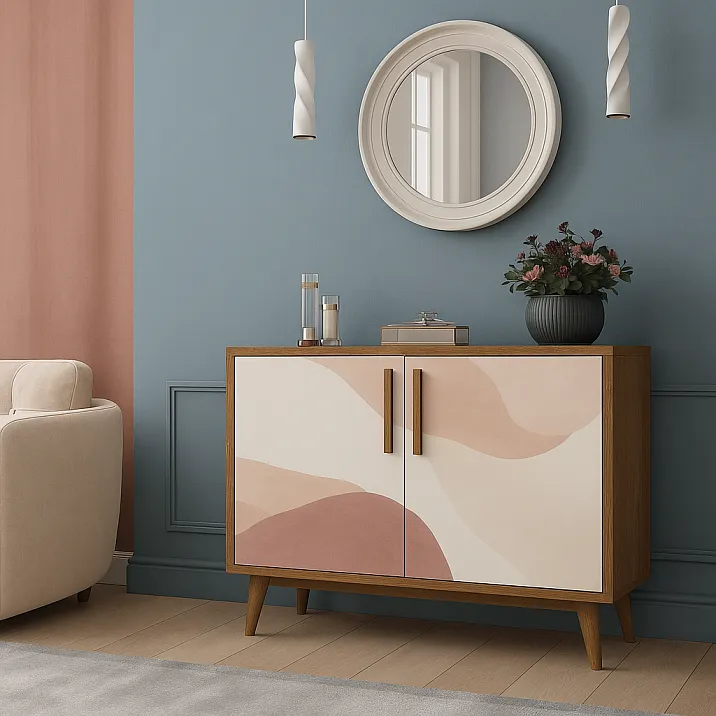
Imagine furniture without hinges, handles, guides, and lifting mechanisms. Shapeless boxes, immovable doors, drawers that cannot be pulled out. Absurd? Definitely! Furniture hardware is not just functional elements — it is the soul of furniture, its character and individuality. It is what turns an ordinary cabinet into a work of art, and a standard kitchen into an ergonomic space where every movement brings pleasure.
The question of Where to buy furniture hardwareThis question arises for everyone who faces the need to update their interior, restore a favorite piece of furniture, or create a unique handmade item. And this question is far from trivial — the quality of hardware affects not only aesthetics, but also durability, functionality, and safety of furniture.
In this article, we will dive into the fascinating world of furniture hardware, reveal the secrets of its selection, discuss the latest trends and innovations, and share expert recommendations that will help you make an informed choice and transform your interior beyond recognition.


Furniture hardware: more than just details
Furniture hardware is a broad category of products that ensure the functionality, ergonomics, and aesthetics of furniture. It is not just 'metal parts,' but carefully designed mechanisms and components that make furniture use convenient, safe, and enjoyable.




Functional diversity: from simple to complex
Modern furniture hardware represents a whole world of engineering solutions, each designed to solve a specific problem:
Hinges and hinges — ensure door movement. Modern hinges are high-tech devices with soft-close systems, three-plane adjustments, built-in dampers. They can be visible or hidden, surface-mounted or inset, with an opening angle from 95 to 175 degrees.
Drawer guides — allow drawers to be pulled out and pushed in with minimal effort. Ball-bearing, roller, telescopic — each type has its advantages. Modern guides are equipped with soft-close systems, protection against accidental falling out, full-extension mechanisms.
Lifting mechanisms — an innovative solution for upper cabinets in kitchens and living rooms. They allow doors to open upward, saving space and providing convenient access to contents. Gas, spring, electric — the choice depends on the door weight and frequency of use.
Handles and buttons — not only functional elements, but also important design accents. From minimalist profile handles to sophisticated models with Swarovski crystals — your imagination is the only limit.
Feet and legs — ensure furniture stability and protect flooring. Adjustable feet compensate for floor unevenness, while decorative legs can become a striking design accent.
Storage systems — pull-out baskets, pantographs, cargo, bottle holders — all of this allows maximum space efficiency and convenient access to contents.
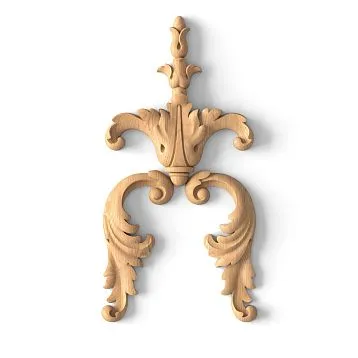
Our factory also produces:


Materials of manufacture: from classics to innovations
The quality and durability of furniture hardware largely depend on the materials from which it is made:
Metal alloys — the basis of most mechanisms. Zinc alloys, stainless steel, aluminum — each material has its advantages. Zinc alloys provide strength and precision in casting, stainless steel is resistant to corrosion, aluminum is lightweight and does not oxidize.
Polymers and composites — modern materials that ensure silent operation, resistance to wear and chemical exposure. Nylon, polyacetal, polypropylene — these materials are used to manufacture rollers, dampers, guides.
Natural materials — wood, leather, ceramic — are primarily used in decorative elements. They give furniture warmth and individuality, but require more careful maintenance.
Get Consultation
Aesthetics and design: from function to form
Modern furniture hardware is not only functionality, but also an important design element:
Style diversity - from classic to ultra-modern minimalism. Hardware can emphasize the style of furniture or create an interesting contrast.
Color solutions - traditional chrome, gold, bronze are complemented by modern matte finishes, colored enamels, and antiquing effects.
Textures and finishes - polished, matte, textured surfaces create different tactile and visual effects.
Inlay and decoration - crystals, natural stones, enamels, engraving - all of this turns an ordinary handle into a work of art.
How to choose the perfect hardware for your furniture
Choosing furniture hardware is not just a trip to a store and buying the first set you like. It is a careful analysis of needs, usage conditions, stylistic preferences, and budget constraints.
Functional requirements: what really matters
Before asking yourself, Where to buy furniture hardware, determine what functional requirements you have for it:
Intensity of use - for furniture used daily (kitchen cabinets, wardrobes), hardware with increased durability and long service life is required.
Load - the weight of doors, contents of drawers and shelves determines the requirements for hinges, guides and fastening elements.
Usage conditions - humidity, temperature fluctuations, exposure to chemicals - all of this affects the choice of materials and finishes.
Safety - especially important for children's furniture. Door closers, finger protection, absence of sharp edges - these features may be critically important.
Ergonomics - ease of use, accessibility, minimal effort to open and close - these factors directly affect the comfort of daily furniture use.
Stylistic harmony: harmony in details
Furniture hardware should harmoniously fit into the overall design of the furniture and interior:
Style compatibility - classic furniture requires matching hardware with traditional shapes and finishes, modern furniture - minimalist and technological solutions.
Color harmony - hardware can match the color of the furniture or create contrast. It is important that this contrast is an intentional design decision, not a random mismatch.
Proportionality - the size of the hardware should correspond to the size of the furniture. Massive handles on miniature drawers or tiny hinges on heavy doors will look ridiculous and fail to provide adequate functionality.
Conceptual unity - all hardware elements should be consistent in style. Mixing different styles is permissible only as an intentional design approach.
Technical parameters: what to pay attention to
When choosing furniture hardware, it is important to consider technical characteristics that ensure durability and reliability:
Material and finish - must match usage conditions. Corrosion-resistant materials are required for humid environments.
Load capacity - hinges, guides, lifting mechanisms have weight limits they can withstand. Exceeding these limits will lead to rapid wear and failure.
Usage lifespan - the number of opening/closing cycles guaranteed by the manufacturer. For heavily used furniture, this parameter is especially important.
Adjustability - the ability to precisely adjust the position of doors, drawers, and panels ensures perfect alignment and smooth operation.
Compatibility - hardware must be compatible with the material and construction of the furniture. Some hinges are designed for specific door thicknesses, while guides are for specific drawer depths.
Where to buy furniture hardware: overview of options
The question of Where to buy furniture hardwarehas many options. Each option has its own advantages and disadvantages that are important to consider when choosing.
Specialized stores: professional approach
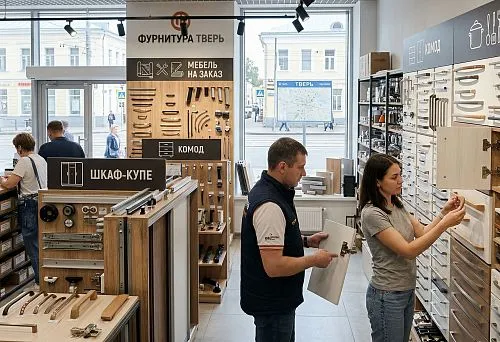
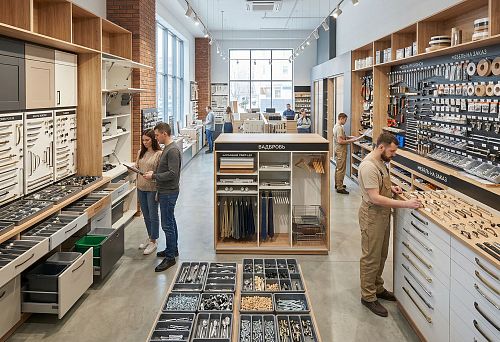
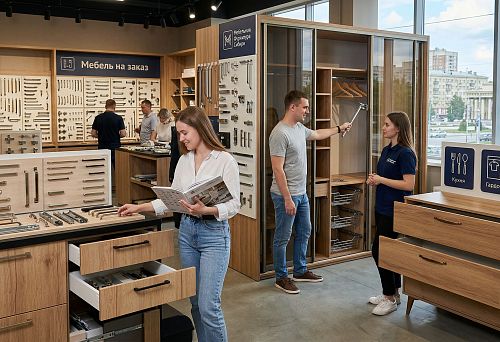
Specialized furniture hardware stores offer a wide selection and professional consultation:
Advantages:
- Ability to see and touch the product before purchasing
- Professional consultation from specialists
- Guarantee of product authenticity and quality
- Ability to purchase all necessary components in one place
Disadvantages:
- Higher prices compared to online stores
- Limited selection due to physical store space
- Need for personal visit
Online stores: convenience and variety
Online shopping is becoming an increasingly popular way to purchase furniture hardware:
Advantages:
- Extensive selection, including rare and specialized items
- Ability to compare prices and features
- Convenience of ordering anytime of day
- Delivery to home or pickup point
- Often lower prices due to absence of retail space maintenance costs
Disadvantages:
- Inability to physically assess product quality before purchase
- Risk of receiving a product that does not match photos or description
- Delivery waiting time
Construction hypermarkets: accessibility and mass availability
Large construction and furniture hypermarkets also offer a wide selection of hardware:
Advantages:
- Accessibility and convenience of location
- Ability to purchase hardware along with other construction and finishing materials
- Regular promotions and discounts
- Availability of product "here and now"
Disadvantages:
- Limited selection, predominantly mass-market models
- Not always high-quality consultation
- Risk of purchasing questionable quality products
Manufacturers and official distributors: quality guarantee
Purchasing hardware directly from manufacturers or their official representatives has its own features:
Advantages:
- Guarantee of product authenticity and quality
- Full range of brand products
- Professional technical support
- Ability to order custom solutions
Disadvantages:
- Usually higher prices
- Limited product range to one brand only
- Not always convenient location of branded stores
Leading furniture hardware manufacturers: who to trust
The furniture hardware market features many brands, but only some have earned unqualified trust from professionals in the furniture industry and demanding consumers.
European brands: traditions of quality
Blum (Austria) - one of the world's leaders in producing high-quality furniture hardware. The company specializes in hinges, lifting mechanisms, and sliding systems. Blum's products are distinguished by innovative technologies, flawless quality, and long service life. The company's proprietary technologies BLUMOTION (soft-close system), TIP-ON (mechanical opening without handles), and SERVO-DRIVE (electric opening) have become quality standards in the furniture industry.
Hettich (Germany) - a company with over 125 years of history, offering comprehensive solutions for furniture of any purpose. Hettich's product range includes hinges, guides, lifting mechanisms, sliding door systems, and much more. The company pays special attention to the ergonomics and functionality of its products.
Häfele (Germany) - an international group specializing in furniture and construction hardware. The company offers over 150,000 product items, ranging from basic fasteners to complex electronic access control systems. Häfele is known for its innovative solutions for optimizing space and enhancing furniture functionality.
Grass (Austria) - a manufacturer of premium furniture hardware with an emphasis on design and innovation. The company specializes in sliding systems, hinges, and lifting mechanisms. Grass's products are distinguished by elegant design, smooth operation, and durability.
Asian manufacturers: price and quality balance
FGV (China/Italy) - a company combining Italian design and Chinese manufacturing. FGV offers a wide range of hinges, guides, and lifting mechanisms at affordable prices while maintaining decent quality.
GTV (Poland/China) - a manufacturer offering a full spectrum of furniture hardware, from basic models to premium lines. The company actively develops its own innovative technologies and strives for optimal price-to-quality ratio.
Russian companies: adaptation to local conditions
Domestic furniture hardware manufacturers are actively developing, offering products adapted to Russian operating conditions and market requirements.
Valmax - one of the largest Russian manufacturers of furniture hardware. The company offers a wide range of products: from simple hinges and guides to complex lifting mechanisms and storage systems.
Boiard - a Russian company specializing in the production and supply of furniture hardware. The product range includes both proprietary developments and products from foreign partners. Boiard actively develops production in Russia, adapting its products to the needs of the domestic market.
Innovations in the world of furniture hardware: what the market offers new
The world of furniture hardware is not standing still. New technologies and solutions are constantly emerging, making furniture use even more comfortable, functional, and aesthetically appealing.
Silent closing systems: comfort in details
Smooth and silent closing technologies have become a real breakthrough in the world of furniture hardware:
Hinge dampers - ensure smooth door closing without noise and vibration. Modern dampers are integrated directly into the hinge body, making them practically invisible.
Smooth closing systems for drawers - prevent drawer impact against furniture body during closing. This not only reduces noise but also extends furniture lifespan, preventing damage from impacts.
Lift mechanisms dampers - ensure smooth facade lowering, preventing falls and damage.
Handle-free opening mechanisms: minimalism in design
The trend toward minimalist design has led to the emergence of systems that allow opening furniture without using traditional handles:
Push-to-open - mechanisms that open doors or drawers with a light press on the facade. After pressing, the facade extends several centimeters, allowing you to grasp it by hand and fully open it.
Electric actuators - systems that open furniture with a light touch or even without it, using motion sensors. Particularly relevant for kitchen furniture when hands are occupied or dirty.
Profiled handles - integrated into the facade or positioned along its edge, creating an illusion of no handles while maintaining ease of use.
Smart furniture: integration with "smart home" systems
Furniture hardware is becoming increasingly "smart," integrating with modern technologies:
Electronic locks - provide protection for valuable items without using keys. They open via code, fingerprint, or smartphone.
Automatic opening systems - respond to voice commands or are controlled via a mobile app.
Built-in lighting - activates when opening a cabinet or drawer, ensuring comfortable use of furniture even in darkness.
Fill sensors - track the number of items in a drawer or on a shelf and can automatically generate a shopping list or alert you when restocking is needed.
Eco-friendly materials and technologies: caring for the future
Modern furniture hardware manufacturers are paying more attention to ecological aspects:
Safe materials - elimination of toxic coatings and materials in favor of environmentally friendly alternatives.
Energy-efficient solutions - systems with low energy consumption or operating on renewable energy sources.
Recycled materials - use of secondary raw materials for producing some hardware components.
Durability - creation of products with long service life, reducing waste and the need for replacement.
Furniture hardware for different types of rooms: selection considerations
Choosing furniture hardware should consider not only aesthetic preferences but also the characteristics of the room where the furniture will be used.
Kitchen: functionality and resistance to moisture
The kitchen is a space with special usage conditions: high humidity, temperature fluctuations, exposure to steam and grease. Therefore, hardware for kitchen furniture must meet special requirements:
Materials - must be resistant to corrosion and household chemicals. Optimal choices are stainless steel, aluminum, and special polymers.
Hinges - for kitchen cabinets, recommend hinges with increased load capacity and soft-close systems. The opening angle should be at least 110 degrees to ensure convenient access to contents.
Guides - for kitchen drawers, optimal systems are full-extension with increased load capacity (from 30 kg) and protection against accidental falling out.
Lift mechanisms - for upper cabinets, recommend systems with fixed open position and soft-close.
Storage systems - pull-out baskets, cargo, bottle holders, corner systems - all of this allows maximum efficient use of kitchen space and ensures convenient access to contents.
Bathroom: moisture resistance is paramount
The bathroom is a space with extreme usage conditions: constant high humidity, condensation, temperature fluctuations. Hardware for bathroom furniture must be:
Absolutely moisture-resistant - preferred materials are those resistant to corrosion: stainless steel, aluminum, special polymers.
Resistant to chemical exposure - bathroom furniture often comes into contact with cosmetics and household chemicals that may be aggressive to certain materials.
With protective coating - additional protection against moisture and corrosion extends the service life of hardware in high-humidity conditions.
Children's Room: Safety and Reliability
When selecting hardware for children's furniture, safety is the primary concern:
Absence of sharp edges and corners — all hardware components must have rounded shapes to minimize the risk of injury.
Finger-jam protection systems — special closers and limiters that prevent doors and drawers from closing abruptly.
Durability and reliability — children often use furniture in unintended ways (e.g., hanging from cabinet doors), so the hardware must withstand increased loads.
Child lockout — for cabinets containing potentially hazardous items, childproof locking systems are recommended that prevent small children from opening doors or drawers.
Living Room and Bedroom: Aesthetics and Quiet Operation
In living spaces where comfort and aesthetics are important, hardware must meet special requirements:
Quiet operation — smooth-closing systems for doors and drawers ensure silence and comfort.
Aesthetic appeal — hardware can be either inconspicuous or a decorative element that highlights the furniture’s style.
Ease of use — ergonomic handles, smooth mechanisms, optimal force for opening and closing.
Durability — quality hardware retains its functional and aesthetic properties throughout the furniture’s entire lifespan.
Economic Aspects of Choosing Furniture Hardware
The question of Where to buy furniture hardwareThis is inextricably linked to financial aspects. The cost of furniture hardware can vary over a very wide range, and it is important to understand what affects the price and how to find the optimal price-to-quality ratio.
Price Categories: From Budget to Premium Solutions
Budget segment — entry-level hardware, typically manufactured in China, Turkey, Russia. Characterized by low cost, basic functionality, limited usage lifespan (up to 20,000 open/close cycles). Suitable for furniture with low usage intensity or temporary solutions.
Mid-range segment — optimal price-to-quality ratio. Products from well-known mid-range brands or basic lines of premium manufacturers. Ensures reliable operation, sufficient lifespan (40,000–60,000 cycles), and good aesthetic qualities.
Premium segment — high-quality hardware from leading global manufacturers. Features flawless craftsmanship, innovative technologies, long lifespan (100,000 cycles and more), extended warranty, exclusive design.
Factors Affecting Cost
Brand and country of origin — products from European manufacturers (Austria, Germany, Italy) traditionally cost more than Asian equivalents.
Materials and technologies — use of high-quality materials, innovative technologies, and complex engineering solutions increases cost.
Functionality — the more additional features (smooth closing, electric drive, synchronization), the higher the price.
Design and finish — exclusive design, handcrafted elements, decorative features significantly increase cost.
Packaging — some manufacturers include all necessary mounting hardware and templates in the package, which may affect the final price.
Long-term savings: Investing in Quality
When selecting furniture hardware, it is important to think strategically and evaluate not only initial costs but also long-term economic consequences:
Lifespan — quality hardware lasts 3–5 times longer than budget alternatives, making it a more economical solution in the long run.
Maintenance and repair costs — high-quality mechanisms require minimal maintenance and rarely fail, reducing operational costs.
Preservation of furniture value — quality hardware maintains the furniture’s functionality and aesthetics throughout its lifespan, preserving its resale value.
Comfort of use — investments in quality hardware pay off through daily comfort of using furniture, which is difficult to quantify in monetary terms but has immense value for quality of life.
Design Trends in Furniture Hardware: What’s Relevant Today
Furniture hardware, like any interior element, is subject to the influence of fashion trends. Current design trends in furniture hardware reflect general directions in architecture and interior design.
Minimalism and hidden solutions
One of the dominant trends in recent years remains minimalism, with its clean lines and sleek forms:
Hidden hinges — completely invisible when the door is closed — create a "floating" facade effect and emphasize the purity of furniture lines.
Integrated handles - profiled handles built into the edge of the door panel or forming a recess in its surface, minimally disrupting the overall design.
Handleless opening systems - push-to-open and electric drive technologies allow complete elimination of visible hardware components, creating a monolithic surface effect.
Hidden guides - systems that are not visible when the drawer is closed, supporting the overall concept of minimalism.
Natural Materials and Eco-friendliness
The return to nature and ecological awareness are reflected in furniture hardware design:
Natural materials - wood, leather, stone are used both in their pure form and in combination with metal.
Eco-friendly coatings - abandoning toxic varnishes and paints in favor of natural oils, waxes, and eco-friendly coatings.
Recycled materials - using secondary raw materials to produce some hardware components.
Biodegradable components - replacing plastic elements with biodegradable alternatives from plant-based materials.
Technological and smart solutions
Modern technologies are actively integrated into furniture hardware:
Electronic access systems — locks with biometric identification, smartphone control, integration with "smart home" systems.
Automation — electric actuators for opening and closing, responding to voice commands or gestures.
Built-in lighting — LED elements integrated into handles, hinges, and other hardware components, creating additional illumination and decorative effects.
Touch control — replacement of mechanical buttons and switches with touch panels integrated into the furniture surface.
Individualization and customization
The pursuit of uniqueness and personalization is reflected in furniture hardware:
Modular systems - allow combining different elements and creating unique solutions.
Interchangeable decorative elements - ability to change the appearance of hardware without replacing the entire mechanism.
Custom design — services for creating hardware according to individual orders, taking into account all client preferences.
3D printing - technology enabling the creation of unique hardware elements with virtually unlimited design possibilities.
Practical tips for choosing and purchasing furniture hardware
Choosing and purchasing furniture hardware is a process requiring attention to detail and understanding of basic principles. Here are several practical tips to help you make the right choice and avoid common mistakes.
Pre-purchase preparation: what to know in advance
Before heading to the store or opening a website with questions about Where to buy furniture hardware, you must carry out preparatory work:
Measurements — accurately measure all required parameters: facade thickness, drawer depth, door height and width. For some types of hardware (e.g., hinges), specific measurements are required, such as facade overlap with the cabinet body.
Weight — determine the approximate weight of facades and drawer contents. This is critically important for selecting hinges, lift mechanisms, and guides with appropriate load capacity.
Intensity of use — assess how frequently the furniture will be used. For components with high usage intensity (e.g., kitchen cabinets), hardware with increased durability is required.
Style and color palette — determine which style and color of hardware will harmonize with your furniture and overall room interior.
Choosing a reliable supplier: what to pay attention to
The question of Where to buy furniture hardware, directly related to choosing a reliable supplier:
Reputation and experience - preference should be given to companies with long-standing experience and positive customer reviews.
Assortment - a wide assortment allows you to choose the optimal solution for a specific task and purchase all necessary components in one place.
Consultations - the opportunity to receive professional consultation on selecting and installing hardware significantly reduces the risk of errors.
Warranties and service - the presence of product warranty and service support ensures protection of your investments.
Price-to-quality ratio — the most expensive hardware is not always the optimal choice, and the cheapest may turn out to be unnecessarily expensive in the long run due to low quality and short lifespan.
Kitting and compatibility: important nuances
When choosing furniture hardware, it is important to consider compatibility and matching:
Kit completeness - some manufacturers include in the kit all necessary fasteners, installation templates, and instructions, while others sell these components separately.
Compatibility with furniture material — different types of hardware are designed for different materials (solid wood, MDF, particleboard, glass) and have specific installation requirements.
Compatibility between components — if you are purchasing different hardware elements (hinges, handles, guides), ensure they are compatible with each other and with your furniture’s construction.
Replacement parts - confirm whether replacement parts are available for the selected hardware and how long the manufacturer plans to keep this model in stock.
Installation and maintenance: extending service life
Proper installation and regular maintenance significantly extend the lifespan of furniture hardware:
Professional installation — for complex mechanisms (lift systems, multi-point locks), it is recommended to entrust installation to professionals.
Strict adherence to instructions - if you are installing hardware yourself, carefully study the instructions and follow all manufacturer recommendations.
Regular maintenance - periodic lubrication of moving parts, checking and tightening fasteners, and adjusting mechanisms maintain optimal hardware performance.
Proper operation - following recommendations for maximum load, avoiding sudden movements and impacts, and careful handling of mechanisms significantly extend the service life of hardware.
Conclusion: the art of choosing the ideal hardware
Furniture hardware is not just functional elements, but important details that determine the comfort, durability, and aesthetics of furniture. Choosing the right hardware is an art requiring knowledge, attention to detail, and understanding of your needs.
The question of Where to buy furniture hardware, has many answers, but the key factor is not where you buy, but your conscious approach to selection. Consider functional requirements, stylistic compatibility, technical parameters, and economic aspects. Do not compromise on quality — remember that good hardware is an investment in the comfort and longevity of your furniture.
Follow trends, but do not forget about practicality. Minimalism and hidden solutions, natural materials and eco-friendliness, technological and smart solutions, customization and personalization - all these trends can be adapted to your specific needs and preferences.
Remember that even the highest-quality hardware requires proper installation and regular maintenance. Entrust complex tasks to professionals and follow the manufacturers' recommendations for operation and maintenance.
Finally, choose reliable suppliers with a good reputation, wide product range, and professional support. STAVROS is one of the leaders in the furniture hardware market, offering a wide range of products from leading global manufacturers, professional consultations, and impeccable service.
About the company STAVROS
STAVROS is a recognized expert in the Russian market for furniture and door fittings. Since its founding, STAVROS has aimed to offer its clients only the best solutions combining innovative technology, flawless quality, and refined design.
History and Achievements
Over the years, STAVROS has earned a reputation as a reliable supplier and expert in furniture and door systems. Collaboration with leading global manufacturers enables STAVROS to offer Russian clients the most modern and high-quality solutions meeting international standards.
Product Range and Services
STAVROS offers a full range of products for equipping furniture of any purpose:
- Handles and Decorative Elements
- Specialized Storage Systems
- Supports, Legs, and Adjustment Elements
In addition to a wide range of products, STAVROS provides professional consultations, technical support, and installation and maintenance services for furniture systems.
Company Philosophy
STAVROS's philosophy is based on three key principles:
- Quality without Compromise — only proven manufacturers and meticulous control of each item
- Innovation and Development — continuous product range updates in line with the latest technological advancements
- Customer-Oriented Approach — individual attention to each client and project
STAVROS is not just a furniture fittings supplier, but a reliable partner who will help you create ideal furniture combining functionality, durability, and aesthetic perfection.
Choosing STAVROS means choosing quality proven over time and innovations defining the future.