Article Contents:
- Origins of Classical Furniture: Traditions That Remain With Us
- Historical Overview
- Key Features of Classical Furniture
- Why Classicism Is Always Relevant
- Payment Schemes and Financing
- Examples of Classical Furniture
- Defining the Interior Design Concept
- Choosing quality materials
- Restoration and Care
- Personal Style and Heritage
- Combining with Modern Elements
- Luxurious Living Room
- Elegant Dining Room
- Office with Touches of Tradition
Furniture is not just functional items, but a living reflection of culture, history, and personal taste. This idea is especially vividly expressed in classical furniture, which for centuries has set the tone for comfort, harmony, and elegance in interior design. In this article, we will discuss the significance of furniture in space design, focus on the features of classical furniture, its historical heritage, and modern applications. Learn how to properly select classical elements to create an interior where every item becomes a work of art. Additional inspiration can be found on theclassical furniture page.


Origins of Classical Furniture: Traditions That Remain With Us




Historical Overview
Classical furniture originated in the Renaissance and reached its peak in the 17th–18th centuries, when kings, aristocrats, and wealthy merchants sought to create an atmosphere of refinement and grandeur in their homes. These items were crafted using expensive materials, intricate carving, and elaborate ornamentation, reflecting the culture and art of their time.
Our factory also produces:


Key Features of Classical Furniture
Classical furniture is characterized by the following features:
● Elegant lines. Soft, flowing contours and symmetry create a sense of harmony.
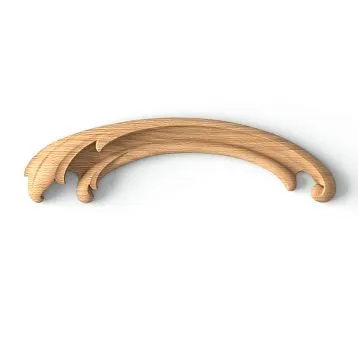
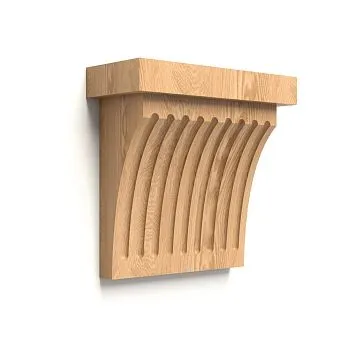
● Rich detailing. Carved elements, inlays, moldings, and exquisite finishes make each piece unique.
● High-quality materials. Natural wood, leather, luxurious fabrics, and metallic accents form the basis for durability and beauty of the items.
● Historical continuity. Every detail tells a story, allowing one to immerse in the atmosphere of past eras.
Get Consultation
Classical Furniture in Modern Interiors
Why Classicism Is Always Relevant
Despite changes in fashion trends, classical furniture remains popular due to its timeless aesthetics. It can create an atmosphere of luxury and stability, adding touches of tradition and eternal beauty to interiors. Classical furniture pieces do not merely serve utilitarian functions; they become compositional centers, setting the tone for the entire space.
Modern interpretations of classics
Modern designers often turn to classic motifs, adapting them to the needs and tastes of today. In such interiors, classic furniture can be combined with minimalist elements, modern materials, and technological solutions. This allows creating a harmonious balance between the past and the present, where classic becomes an indispensable part of modern style.
Examples of classic furniture
Classic furniture covers a wide range of items: from elegant chests, refined chairs and tables to luxurious wardrobes and buffets. Each piece is distinguished by high-quality craftsmanship, intricate details, and strict harmony of forms. For those seeking inspiration and wishing to purchase original examples of classic furniture, an excellent source of information and examples isthe page on classic furniture.
Practical tips for choosing classic furniture
Definition of interior concept
Before purchasing or ordering classic furniture, it is important to clearly understand what style you want to implement in your interior. Classicism can be presented in various interpretations: from strict academic elegance to soft romantic atmosphere. Decide what accent you want to emphasize: rich details and ornaments or minimalist lines with elements of refinement.
Choosing quality materials
The key aspect of classic furniture is the use of natural and high-quality materials. When selecting items, pay attention to:
● Natural wood. Oak, walnut, mahogany – these species are renowned for their strength and beauty of texture.
● High-quality fabrics and leather. They should be not only aesthetically pleasing but also durable.
● Metallic elements. Gold, bronze, or brass inlays add nobility and refinement to furniture.
Restoration and care
If you already have vintage furniture items, their restoration is an excellent way to return the item to its original appearance and preserve its historical value. Regular care for classic furniture includes:
● Using special compositions to protect wood.
● Regular cleaning with soft means.
● Professional restoration in case of defects.
Classic furniture as a reflection of individuality
Personal style and heritage
Each piece of classic furniture carries a part of history and individuality. Choosing furniture, you are not simply buying an interior item—you are acquiring a history where the craftsmanship of past centuries blends with your personal taste. Classic furniture can become a family heirloom, passed down from generation to generation, preserving its uniqueness and style.
Combining with modern elements
Modern interiors often include elements of classicism, creating an unexpected and harmonious contrast. For example, a classic sofa or armchair can be complemented by a modern coffee table, while an opulent wardrobe can be paired with minimalist decorative elements. Such a mix of styles allows creating a unique space that reflects both love for traditions and a desire for innovation.
Examples of successful interiors with classic furniture
Luxurious living room
In the interior of a luxurious living room, classic furniture can become the central element of the composition. Imagine an exquisite sofa with carved wooden elements, an elegant coffee table, a chest adorned with delicate moldings and sculptural details. All these elements, unified in a single style, create an atmosphere of timeless elegance and refinement.
Elegant dining room
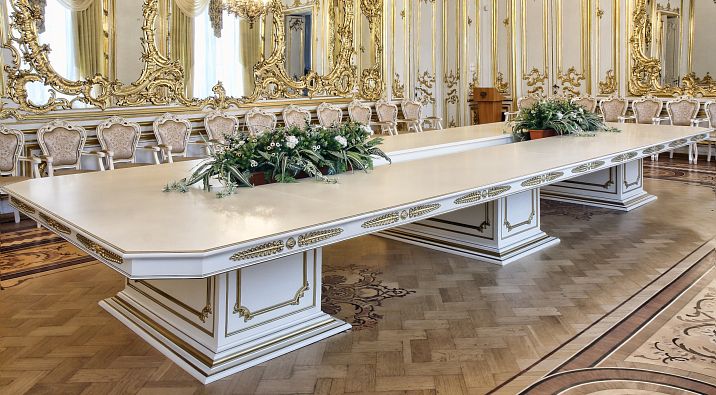
A dining room designed in a classic style often becomes a place where the entire family gathers around a festive table. Classic dining tables, chairs with carved legs, and sideboards for tableware—all of these help create a sense of solemnity and coziness. Such furniture not only fulfills functional tasks but also becomes a decorative element that highlights the status and taste of the owners.
Office with touches of tradition
An office designed using classic furniture creates an atmosphere of intellectual comfort and strict elegance. Tables, chairs, bookcases made of natural wood with rich decorative elements promote concentration and inspire creativity. Such an office becomes a place where the past meets the present, and classic motifs become a source of modern energy.
Where to find classic furniture
If you wish to be inspired and select high-quality samples of classic furniture, we recommend paying attention to specialized stores and online platforms. For example, onclassical furniture page you will find a wide selection of items crafted using traditional techniques with the best materials.
Modern manufacturers combine age-old traditions with the latest technologies, offering furniture that meets all requirements of quality, aesthetics, and functionality. This allows you to create an interior where classic furniture will not only be a central element but also harmoniously complement modern details.
Conclusion
Furniture is more than just functional interior items; it reflects the history, culture, and individuality of each person. Classic furniture, with its elegant lines, richness of details, and enduring refinement, remains relevant regardless of time. It is capable of creating an atmosphere of luxury, warmth, and harmony in the interior, making any space truly unique.
When choosing classic furniture, it is important to pay attention to the quality of materials, traditional manufacturing techniques, and individual style. Each item — whether it is a sofa, table, chair, or cabinet — carries a piece of history that unites the past and the present. And it is precisely this harmony of tradition and modernity that makes classic furniture timeless and indispensable.
Let your home be filled with comfort, elegance, and inspiration, and let classic furniture become a true embodiment of your taste and pursuit of perfection. Discover the richness of styles and forms, find your ideal solution, and create an interior that will delight you and your loved ones for many years.