Article Contents:
- Baroque – The History of the Style
- Features and Nuances of Baroque Interior Design
- Color combinations
Baroque furniture is not just interior elements, but true works of art embodying beauty and elegance. Strict lines, delicate patterns, rich ornamentation — these are inherent features of this style, which remains in demand in interior design worldwide and continues to inspire designers and aesthetes around the globe.
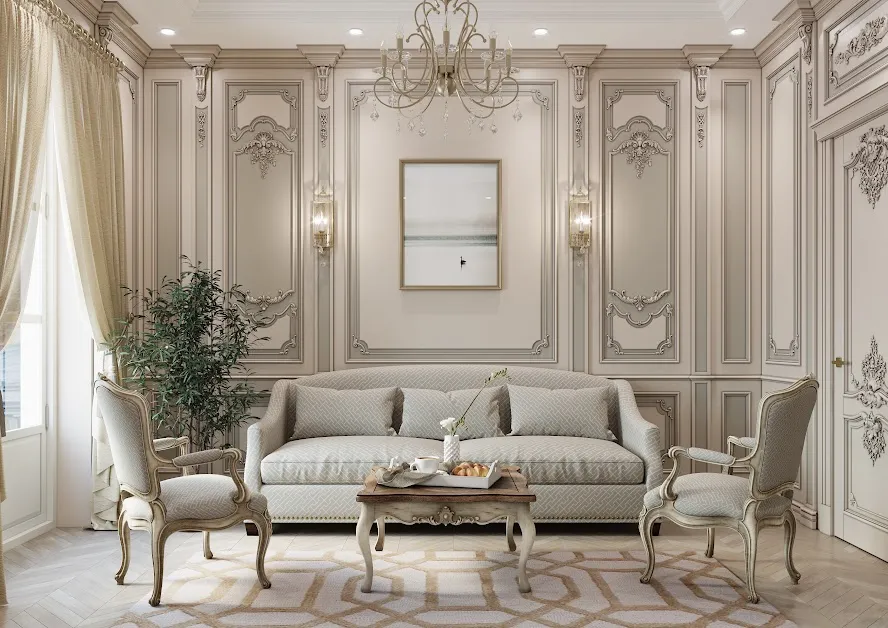
Buy Baroque Furniture can be used to create a unique atmosphere combining luxury, nobility, and refinement. Items such as baroque living room furniture, classic sofas with high backs, chairs and tables with carved legs will allow you to feel the atmosphere of true royal grandeur. Baroque furniture emphasizes status and elegance, and each piece possesses its own unique energy and distinctive style.


Baroque – the history of the style's emergence
In Italy, at the turn of the 16th–17th centuries, a unique baroque style emerged, characterized by absolutism and grandeur, extravagance, opulence, and attention to the smallest details. This style quickly spread across Europe, becoming extremely popular and dominant in art, design, and architecture. Baroque is distinguished by architectural forms that demonstrate abundance, passionate emotional content, and theatricality. This style aimed to create an impression of movement, grandeur, and dynamism.
The term 'baroque' comes from the Portuguese 'perola barroca', meaning 'irregular pearl' and 'elaborate pattern'. These definitions reflect the uniqueness and unevenness of the direction. The style emerged thanks to architects Francesco Borromini and Gian Lorenzo Bernini, who set the main trends and tendencies. Buildings with smooth facade lines, elegant protrusions, arched openings, stained-glass windows, abundance of columns, and exquisite stucco serve as examples of this architectural direction.
Furniture in the baroque style, characteristic of the baroque era, reflected these features, creating luxurious and majestic items that emphasized the status and wealth of the owner. In interiors, rich tones, expensive materials, gold elements, and ornaments were used, creating an atmosphere of luxury and festivity.
During its period of emergence, the style persisted in Germany and South America. At this time, the Catholic Church actively built magnificent churches and cathedrals, where Catholic baroque stood out for its extravagance against the strict and modest Lutheran churches. This trend rapidly spread to France and Austria, and the style transitioned from church architecture into everyday life, becoming one of the key architectural directions in Europe.
Clients of construction, including representatives of Italian nobility and religious figures, wanted to make their homes and public buildings more impressive to enhance their prestige. Baroque interiors were meant to evoke admiration and wonder, so artists decorated ceilings with complex mythological scenes, while stucco and mirrors complemented the overall design.
Each country had its own features in decorating spaces in the baroque style. For example, French decorators used fabrics and tapestries instead of gilding to decorate walls, preferring rich and vibrant color palettes such as red, green, and golden-brown.
Palace interiors were distinguished by luxury and grandeur: large windows, high ceilings, and statues created an atmosphere of wealth. During the baroque period, painting art flourished, and the walls of many rooms were adorned with artworks. In palaces, large-scale paintings on mythological themes and portraits of members of the royal family predominated. During the baroque period, not only aristocratic and royal palaces, but also mansions of wealthy citizens were built.
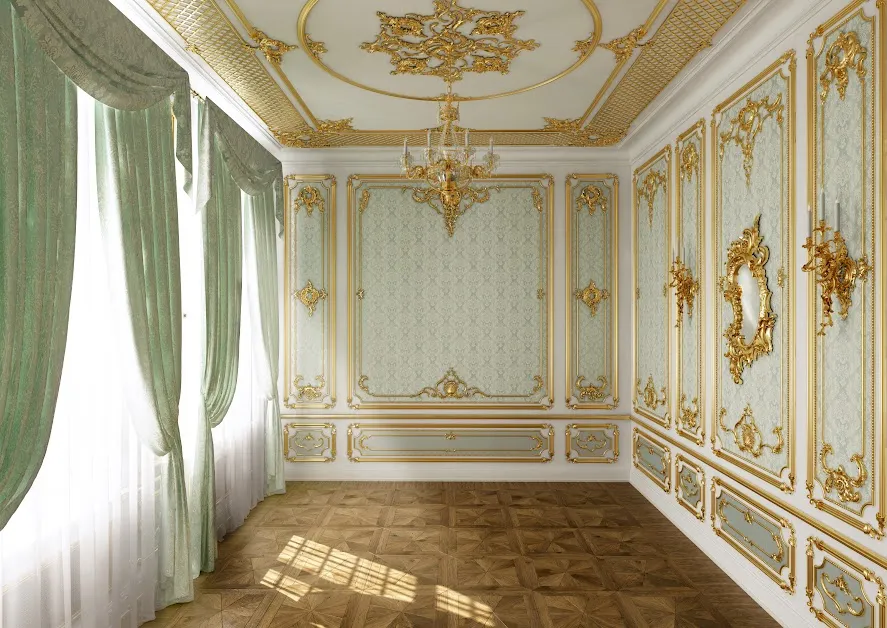
Some of the most famous palaces in the baroque style are the Palace of Versailles in France and the Winter Palace in Russia.
Baroque furniture was a true masterpiece, leading to the emergence of dynasties of master carpenters, such as the famous French family of Boulle, who created unique interior elements for palaces, and their works became models for imitation.




Features and Nuances of Baroque Interior Design
Baroque emphasizes opulence of the setting, when space is completely isolated from the outside world, and all details are created to individual order with meticulous attention to details, rejecting standard solutions. Initially, furniture here serves as decoration, and only later performs a practical function.
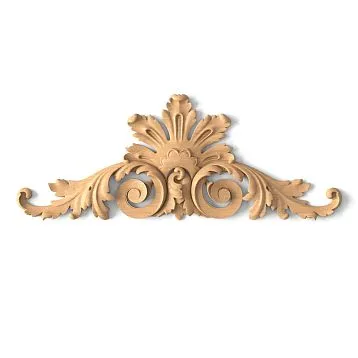
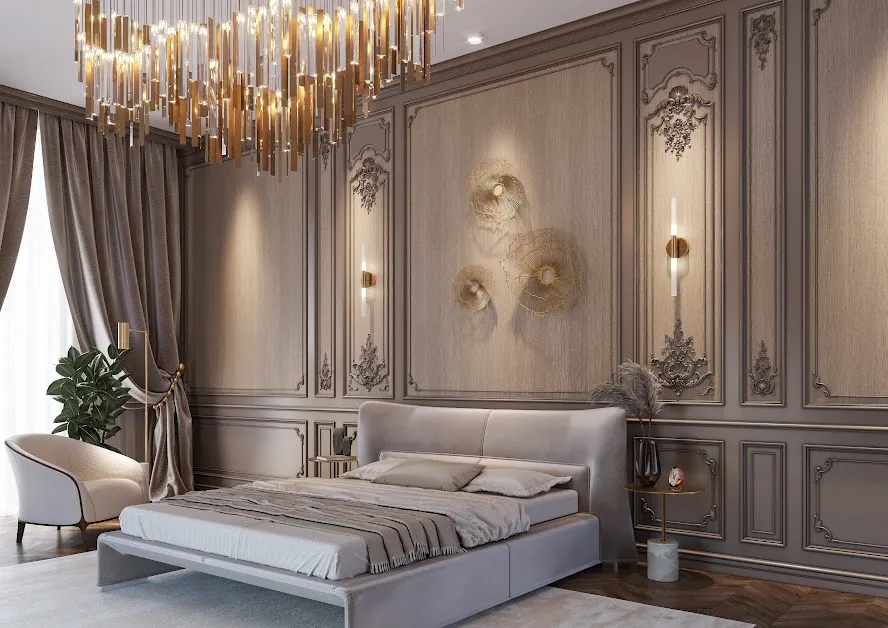
Even in a small room, you can create a baroque atmosphere by combining dark accents and light tones, furniture with carved decoration and gilding, as well as hidden light sources. To save budget, you can use replicas of original furniture, polyurethane copies of stucco elements, and alternative materials for surface finishing.
Baroque is an unmistakable, easily recognizable, yet complex style associated with luxury and grandeur. It is often also called the palace and Venetian style, and its implementation requires a spacious room and high ceilings.
Our factory also produces:


Color Combinations
Baroque is characterized by a rich and saturated color palette, including shades of red, green, blue, gold, copper, silver, and white. These colors symbolize luxury and refinement, creating an atmosphere of wealth and elegance. For interior decoration in the baroque style, expensive materials such as gold, bronze, silver, crystal, and marble are used. They give the interior a majestic and luxurious appearance, emphasizing its aristocratic character.