Article Contents:
- Philosophy of Russian furniture art
- Soul in every detail
- Regional diversity of traditions
- Materials and Technologies: From Traditions to Innovations
- Wood as a living material
- Modern technologies and traditional craftsmanship
- Ecology and sustainability
- Typology of Russian furniture: from izba to palace
- Dining room furniture: the heart of the Russian home
- Cabinet furniture: keepers of family heritage
- Bedroom furniture: temple of family rest
- Integration into modern interiors: challenges and solutions
- Scale and proportions
- Color Solutions and Combinations
- Functional adaptations
- Regional schools: diversity in unity
- Northern traditions: strength and rigor
- Central Russia: richness of ornament
- Southern regions: Cossack elegance
- Practical aspects of selection and placement
- Analysis of needs and possibilities
- Furnishing and stylistic unity
- Placement in interior
- Care and longevity: investment in the future
- Features of caring for wooden furniture
- Restoration and renewal
- Inheritance

Why, in the era of globalization and standardization, are we increasingly turning to our roots? Why, in a world of glass and plastic, do we seek the warmth of wood and the handcrafted beauty of carving? Furniture in Russian style It is not merely a fashion for ethnicity, but a return to roots, to understanding that our home should reflect our soul, not the faceless catalogs of international chains.
When we speak of Russian furniture, we are not merely facing a set of functional items, but a whole world of images, traditions, and life philosophies. This is furniture born in the workshops of folk artisans, where each carving tool left its unique mark, and wood became living poetry of forms and ornamentation.
Today, the Russian style in furniture is experiencing a genuine revival. It is not only nostalgia for the past — modern masters create works that organically combine historical memory with the requirements of the 21st century. High-quality wooden furniture by Russian masters has become a symbol of status, an indicator of taste, and a deep understanding of beauty.


Philosophy of Russian furniture art




Soul in every detail
What distinguishes authentic Furniture in Russian style from stylization? Primarily — understanding that furniture must serve not only the body but also the soul. Russian masters never created merely functional items — every chair, every table, every cabinet was a work of art, a bearer of cultural codes and family traditions.
The foundation of the Russian approach to furniture lies in the principle of wholeness. You cannot simply take a Western form and decorate it with Russian ornaments — it would become a counterfeit, devoid of soul. True Russian furniture arises from an understanding of lifestyle, climate, and the psychology of the people. It must be sturdy, like the Russian character, warm, like Russian hospitality, and beautiful, like the Russian landscape.
Symbolism holds particular importance. In Russian tradition, every decorative element carries symbolic meaning. Carved suns on chair backs invoked luck, plant motifs symbolized fertility and prosperity, geometric patterns protected homes from evil forces. Modern furniture in the Russian style may not blindly copy antique forms, but it must preserve this deep symbolic foundation.
Russian furniture has always been family-oriented. It was created not for a single season, but for generations. A massive oak table passed from father to son, a carved chest from mother to daughter. This philosophy of longevity is especially relevant today, when we are tired of disposable items and seek genuine values.
Our factory also produces:


Regional diversity of traditions
Russia is an immense country, and distinct furniture-making traditions have formed in its various corners. Northern furniture was characterized by strict lines and restrained decoration — the harsh climate did not lend itself to excesses. Yet, what beauty lay hidden in the noble simplicity of Karelian birch, in the precise proportions of Archangelos tables!
Central Russia gifted the world more decorative examples. Here, Хохлома painting and Gorodets crafts flourished, creating furniture that was a true feast for the eyes. Vibrant colors, lavish ornaments, golden scrolls transformed an ordinary chair or cabinet into a piece of folk art.
Southern regions contributed their own touch through lighter, more elegant forms. Cossack furniture was particularly elegant, combining the functionality of military life with a love for beauty and comfort. Masters from the Don and Kuban regions created unique pieces that reflected the influence of steppe expanses and southern sun.
Understanding these regional differences is crucial when creating modern furniture in the Russian style. You cannot mechanically mix elements from different traditions — each has its own logic, aesthetics, and place in the home.
Get Consultation
Materials and technologies: from traditions to innovations
Wood as a living material
The foundation of Russian furniture is wood. But not any wood — wood that grew on our soil, imbued with our air, hardened by our frosts. Each species had its own purpose and symbolic meaning.
Oak — the king of the Russian forest — was used for the most important furniture. Oak tables, cabinets, chests served for centuries, becoming true family heirlooms. Oak furniture symbolized stability, reliability, and prosperity. Modern masters continue this tradition, using oak to create premium-class furniture.
Birch — a gentle, feminine wood — was used for more delicate items. Birch furniture was favored in noble estates for its elegance and ability to take fine carving. Karelian birch, with its unique texture, was especially prized.
Pine and spruce — coniferous species — gave furniture a distinctive aroma and energy. Resinous species possessed natural antiseptic properties, which was important in harsh climates. Furniture made from coniferous wood created an atmosphere of forest freshness and health in the home.
Linden — soft, pliable — was indispensable for delicate carving. Linden was used to create the most elegant decorative elements, transforming ordinary furniture into works of art.
Modern technologies and traditional craftsmanship
Today's manufacturers of Russian-style furniture face a complex challenge: how to preserve the spirit of traditional craftsmanship while using modern technologies? The answer lies in a balanced combination of machine precision and handwork.
Modern machines allow achieving perfect geometric forms, ensuring precise joints, creating complex profiles. But the soul of the furniture still lies with the craftsman. Carving, fitting, finishing — all of this requires human hands, eyes, and sensitivity to the material.
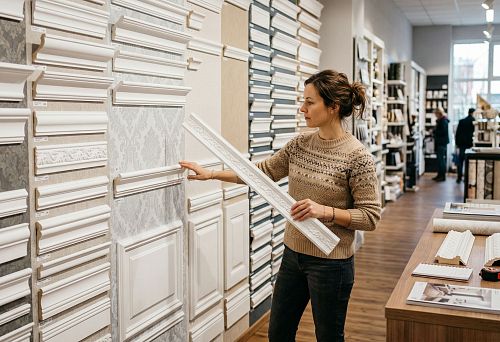
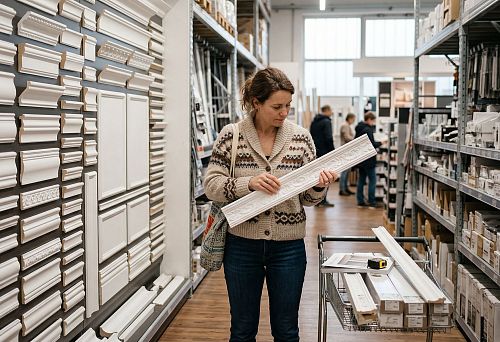
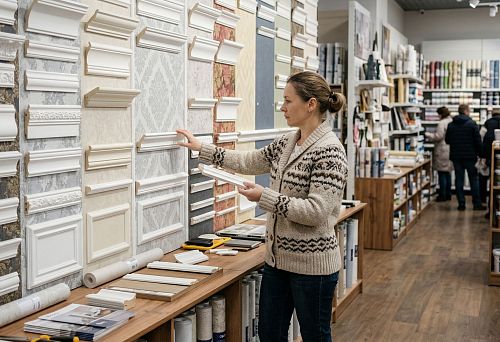
Decorative elements in the Russian style Today, they can be made not only from wood, but also from modern materials — polyurethane, composites. This allows reducing costs, increasing durability, expanding design possibilities. The key is that shape, proportions, and stylistics remain faithful to traditions.
Modern varnishes and stains protect wood better than traditional compositions, yet still preserve its natural beauty. New technologies of brushing and patination allow modern furniture to acquire a noble patina of age, creating the impression of antique value.
Ecological and Sustainable Design
In the era of ecological awareness, the Russian tradition of working with natural materials gains particular relevance. Russian-style furniture was originally ecological — our ancestors simply knew no other materials besides wood, linen, and wool.
Modern manufacturers of Russian furniture continue this tradition, using only certified wood from sustainably managed forests. Finishing is done with eco-friendly compositions, safe for both people and the environment.
The longevity of Russian furniture is also an ecological factor. An item serving generations does not create waste, does not require constant replacement. This is a philosophy of rational consumption, especially relevant in our time.
Typology of Russian furniture: from izba to palace
Dining furniture: the heart of the Russian home
A table in a Russian home is not merely a place for eating — it is the center of family life, a place for important decisions, a symbol of prosperity and hospitality. Traditional Russian tables are massive, sturdy, capable of gathering a large family with guests.
A classic Russian table has a rectangular shape and is made from solid oak or pine. The tabletop is thick, monolithic, often from a single piece of wood. Legs are massive, stable, often adorned with carving. Such a table could serve not only for eating, but also as a work surface, for hobbies or games.
Modern interpretations of the Russian table preserve the main principles — sturdiness, natural materials, functionality. But they also take into account the realities of modern life: the table may be extendable, have additional shelves for storage, be adapted to the sizes of modern apartments.
Chairs and benches complemented the table. Traditional Russian benches — long seating without backs, designed for several people. Benches saved space and emphasized the communal character of Russian life. Modern designers create stylish interpretations of benches — with backs, cushions, in various sizes.
Furniture: Keepers of Family Heritage
Cabinets, trunks, and buffets in the Russian home were not merely storage places, but keepers of family history. Trunks preserved dowries, buffets held the finest tableware, and cabinets stored festive clothing.
A Russian trunk is a work of art. Massive, covered in leather or painted with bright colors, adorned with wrought iron hinges and locks. The trunk was mobile — it could be moved, which was important in an era of frequent relocations.
Modern designers create stylish interpretations of trunks — ottomans with storage, coffee tables with flip-up tops, decorative boxes for small items. The key is to preserve the spirit of the original: solidity, beauty, functionality.
Buffets and sideboards allowed beautifully arranging and displaying guests the finest tableware, books, family heirlooms. Traditional Russian buffets had a glass-topped upper section for display and a closed lower section for storage. Modern buffets in Russian style preserve this logic but adapt to contemporary needs — they may have lighting, special bottle holders, compartments for electronics.
Bedroom Furniture: Sanctuary of Family Rest
In Russian tradition, the bed was not merely a place for sleep, but a true sanctuary of family rest. Traditional Russian beds were high — this protected against cold coming from the floor and emphasized the status of the owners.
The headboard of the bed was often adorned with carvings featuring protective symbols — sun, tree of life, birds. These ornaments were meant to protect sleep and bring prophetic dreams. Modern bedroom furniture in Russian style preserves these traditions, creating beds with high carved headboards.
Comodes and dressing tables complemented the bedroom set. A Russian comode is usually a tall piece with multiple drawers, allowing compact storage of personal items. Dressing tables were more elegant, often adorned with inlays or painting.
Integration into Modern Interiors: Challenges and Solutions
Scale and Proportions
One of the main problems when using Russian-style furniture in modern interiors is the issue of scale. Traditional Russian furniture was designed for spacious izbas and tents, where high ceilings and large areas allowed for massive forms.
Modern apartments require a more delicate approach. There is no room for a massive oak table for ten people — it would simply overwhelm the space. But this does not mean one must abandon the Russian style. Modern designers create adapted versions — compact-sized tables, yet preserving proportions and the spirit of the original.
The key rule — furniture should match the size of the room. In a small kitchen, it’s better to place one quality table in Russian style than try to squeeze in an entire set. In a spacious living room, on the contrary, one can afford large-scale solutions.
It is also important to consider ceiling height. Tall cabinets and buffets are suitable in rooms with ceilings over three meters. In standard apartments, it’s better to choose more low-profile models or use horizontal compositions.
Color solutions and combinations
Traditional Russian furniture was quite colorful. Red, blue, green, and gold were favored. But in a modern interior, such a palette may seem too aggressive. How to find a balance?
One approach — use traditional colors as accents. The base of the furniture can be neutral — natural wood, white, beige — while bright colors appear in decorative elements, textiles, tableware.
Another option — work with muted versions of traditional colors. Instead of bright red — terracotta, instead of blue — gray-blue, instead of green — olive. Such a palette looks more modern but retains a connection to traditions.
It is important to remember compatibility with other interior elements. Russian-style furniture works beautifully with natural materials — stone, brick, linen. It does not pair well with chrome, glass, plastic. When planning an interior, one must consider the entire composition as a whole.
Functional Adaptations
Modern life imposes requirements on furniture that our ancestors did not have. Space for electronics, cables, charging devices. How to adapt traditional forms to new needs?
Modern Russian furniture manufacturers offer interesting solutions. A traditional buffet may be equipped with compartments for audio systems, TV stands are styled as antique trunks, writing desks receive built-in outlets and cable channels.
It is important that the technical components do not disrupt the stylistic integrity. All wires should be hidden, modern elements should be inconspicuous. The furniture should look traditional, yet fully meet modern needs.
Regional Schools: Diversity in Unity
Northern Traditions: Strength and Rigor
Russian North gave the world a unique school of furniture art, distinguished by harsh beauty and functionality. There was no room for excesses — every detail had to be justified by practical necessity.
Northern furniture is characterized by strict lines, minimal decoration, emphasis on the natural beauty of wood. Light-colored woods prevail — pine, spruce, birch. Decoration, if any, is executed in subdued color palettes — white, gray, muted red.
The feature of the Northern school is the use of local technologies and materials. Notched joints, traditional woodworking methods, local wood species — all this created a recognizable style that still has many admirers.
Modern designers working in the traditions of the North create furniture for those who appreciate noble simplicity, ecological friendliness, and a connection with nature. Such furniture is perfect for country homes, Scandinavian-style interiors, and minimalist spaces.
Central Russia: richness of ornamentation
Central regions of Russia — Moscow, Tver, and Yaroslavl Oblasts — were centers of development of decorative crafts. Here, Хохлома, Gorodets painting, and wood carving flourished. Furniture became ornate, festive, and richly decorated.
Characteristic features of the Central Russian school: bright colors, rich painting, abundance of carved elements. Favorite motifs — flowers, berries, birds, geometric patterns. Furniture was often fully painted, turning into true masterpieces of folk art.
This tradition is especially relevant for children's rooms, kitchens, and dachas — anywhere where cheerful, vibrant furniture is appropriate. Modern masters adapt traditional painting to contemporary forms, creating unique pieces.
Southern regions: Cossack elegance
Southern regions of Russia — Don, Kuban, Stavropol — developed their own distinctive furniture style, characterized by elegance and refinement. Cossack culture, with its military traditions and steppe grandeur, left its mark on local furniture craftsmanship.
Southern furniture was often lighter in construction but richly decorated. Techniques such as inlay, carving, and forging were used. Favorite motifs — military symbols, steppe plants, geometric patterns of Eastern origin.
Modern furniture in the traditions of the Southern school suits spacious interiors where expressive forms and rich decoration have room. This is furniture for those who are not afraid of bright accents and appreciate theatricality in interiors.
Practical aspects of selection and placement
Analysis of needs and possibilities
Choosing furniture in Russian style It begins with a honest analysis of your own needs and possibilities. The first question — why do you need this furniture? If it's an attempt to follow fashion, better wait. The Russian style requires a deep understanding and acceptance of its philosophy.
The second question — where will the furniture be placed? The Russian style works well in spacious rooms with high ceilings. In small rooms, heavy furniture may create a feeling of confinement. But this does not mean you should abandon the idea — simply choose more compact models.
The third question — how will the furniture fit into the existing interior? The Russian style does not combine well with high-tech, minimalism, or loft. But it works beautifully with classic, country, and eco styles. You may need to reconsider the entire interior.
The fourth question — are you ready for special care? Natural wood requires attention, protection from moisture and temperature fluctuations. Carved elements are harder to clean. Paint may fade in sunlight. All this must be considered when choosing.
Furnishing and stylistic unity
Russian furniture works best as a set. A single piece may disappear in a modern interior or look out of place. It's better to create a thematic zone — dining room, bedroom, office — and furnish it entirely in the Russian style.
When furnishing, it's important to maintain stylistic unity. Do not mix furniture from different regional traditions — the northern austerity with southern ornamentation. It's better to choose one line and develop it.
Pay attention to materials. All items should be made of the same wood species or, at least, match in tone and texture. Metal hardware should also be in a unified style — brass, cast iron, wrought iron.
Color selection requires special attention. If you choose painted furniture, ensure the palette is harmonious. It's better to use 2-3 main colors plus the natural wood color as a base.
Placement in the Interior
Proper placement of furniture in the Russian style can dramatically change the perception of the interior. Russian furniture prefers a central position; it should not be hidden in corners or lost among other furniture.
The table is the center of composition. The rest of the furniture is arranged around it. In the living room, this may be a coffee table; in the dining room — a dining table. The key is to give it enough space.
Cabinets and buffets are better placed against walls, but not hidden in niches. They should be perceived as independent architectural objects. If space allows, a cabinet can be placed in the middle of the room as a space divider.
Lighting plays a critical role. Carving and painting require proper lighting that highlights their beauty. Avoid cold neon — it kills the warmth of wood. Better use warm light, directional lamps, and candles.
Care and longevity: investment in the future
Care for wooden furniture
Quality furniture in the Russian style is an investment for decades. But for it to justify the investment, proper care is needed. Wood is a living material that requires attention and care.
The main enemy of wooden furniture is moisture. Avoid placing furniture near sources of moisture — radiators, air conditioners, windows. Maintain optimal humidity in the room at 40-60%. Use humidifiers or dehumidifiers if necessary.
Direct sunlight can damage wood and paint. If furniture is placed near a window, use curtains or blinds. This is especially important for painted furniture—paint may fade unevenly.
Regular cleaning is the foundation of care. Use soft cloths and avoid abrasive cleaners. For cleaning carved elements, a soft brush or vacuum cleaner with a brush attachment works well.
Once or twice a year, perform preventive treatment with special wood compositions. They nourish the wood, restore the protective layer, and prevent cracking.
Restoration and Renewal
Even with the most careful care, furniture may eventually require restoration. Do not see this as a problem—it’s an opportunity to refresh your favorite furniture, restore its original look, or even improve it.
Minor scratches and scuffs can be fixed yourself using special wax pencils or polishes. For serious damage, it’s better to consult a professional restorer.
Paint may fade or partially wear off over time. A skilled artisan can restore it while preserving the original style as much as possible. Sometimes, it makes sense to completely refresh the paint if the old one is severely damaged.
Do not hesitate to adapt old furniture to new needs. You can install pull-out organizers in a chest of drawers, outlets in a desk, or modern hardware in a wardrobe. The key is to do this delicately, without compromising the stylistic integrity.
Inheritance
One of the main values of quality Russian furniture is the ability to pass it down to children and grandchildren. These are not just interior items, but a family story embodied in wood.
Keep track of each item’s 'biography' — when and where it was purchased, who made it, and what changes were made. This information will be valuable for future generations.
Teach children how to properly handle furniture. Russian furniture requires respect — it cannot be used as sports equipment or a footrest. But with proper care, it will serve for generations.
Think about how the furniture will fit into future interiors. Quality classic forms are timeless, always relevant. However, overly specific elements may limit usability.
Modern Furniture in Russian style — this is not a nostalgic gesture, but a conscious choice made by people who value quality, beauty, and connection to cultural roots. This is furniture for those who understand that home is not just a place for sleep and meals, but a space of the soul, where every item should delight and inspire.
In a world of mass production and disposable items, Russian furniture remains an island of authenticity. Each piece is the result of centuries of experience, embodying craftsmanship and love for one’s craft. Choosing such furniture is not just furnishing a home — it is creating a space for life, full of meaning and beauty.
The company STAVROS has been a faithful guardian of Russian furniture art traditions for more than two decades, creating items that honor the great traditions of domestic masters. The combination of historical authenticity with modern technologies, use of premium materials, and flawless craftsmanship make STAVROS products a benchmark in their field. Choosing STAVROS means choosing not just furniture — you are choosing a piece of Russian soul, embodied in noble forms of wood and metal.