












































































Article Contents:
- Secrets of producing elite wooden furniture
- Philosophy of wood selection: from forest to workshop
- Wood species: character in every fiber
- CNC Machines: Precision Serving Beauty
- Modern equipment at the service of craftsmanship
- Joints: strength for centuries
- Design directions: from classicism to avant-garde
- Classic styles: enduring elegance
- Modern trends: functionality and aesthetics
- Final finishing: protection and beauty
- Traditional Processing Methods
- Modern protective coatings
- Ergonomic features of wooden furniture
- Comfort as the basis of design
- Author collections and limited editions
- Ecological aspects of production
- Responsible forestry
- Zero-waste production
- Psychological impact of natural wood
- Biophilic connection with nature
- Tactile sensations
- Investment Appeal of Quality Furniture
- Long-term economic benefit
- Rise in the value of antique furniture
- Innovative solutions in traditional production
- Integration of modern technologies
- Hybrid Materials
- Global trends in wooden furniture design
- Japanese wabi-sabi philosophy
- Scandinavian functionality
- Regional characteristics of furniture production
- Russian Woodworking Traditions
- European Schools of Craftsmanship
- Criteria for choosing quality furniture
- Assessment of wood quality
- Quality of Processing and Finishing
- Care and Maintenance: Secrets of Longevity
- Creating an optimal microclimate
- Proper care of the surface
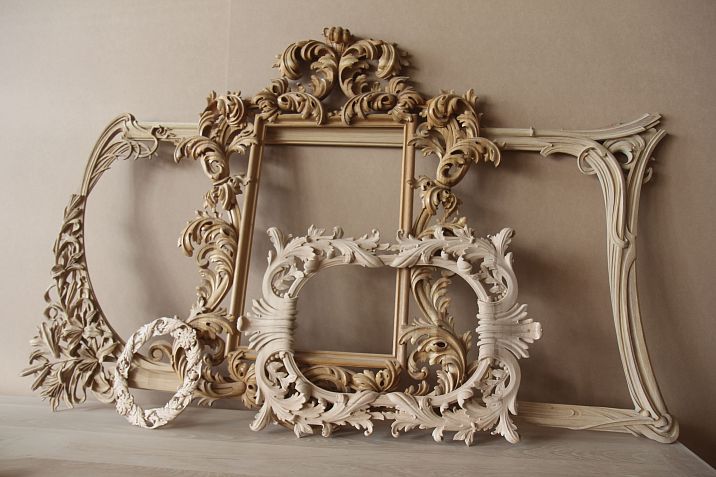
When we speak of true quality, of things that will last for decades and become family heirlooms, we inevitably turn to what is created by nature itself. Furniture made of solid natural wood Represents the pinnacle of furniture art, where each piece carries a living history — from the first sprout to the moment it becomes an elegant interior item. In an era of mass production and synthetic materials, solid wood furniture becomes a symbol of status, eco-friendliness, and timeless beauty.
Why natural wood? The answer lies not only in its aesthetic qualities but also in unique properties that cannot be artificially reproduced. Each wooden blank has an individual character — an incomparable grain pattern, color tones, and structural density.


Secrets of producing elite wooden furniture




Philosophy of wood selection: from forest to workshop
Creating quality furniture begins long before the first tool touches the wood. Raw material selection is an art requiring deep knowledge and years of experience. Master carpenters can determine the potential of each log and predict how the wood will behave after processing.
Humidity is a critical parameter determining the longevity of the future product. The optimal level is 8-12%, achieved through specialized kiln drying over several months. Natural drying, although longer, ensures maximum material stability.
The direction of wood fibers plays a decisive role in the strength of the structure. Experienced masters arrange elements so that fibers work under compression in the most heavily loaded areas, ensuring decades of flawless service.
Our factory also produces:


Wood Species: Character in Every Fiber
The choice of wood species determines not only the appearance of the furniture but also its functional characteristics. Each wood species has unique properties that craftsmen use to create the ideal product.
Oak — the king of furniture production. Density up to 720 kg/m³ ensures exceptional strength, while its expressive texture with clearly defined growth rings creates a unique decorative effect. Oak furniture darkens over time, acquiring a noble patina.
Ash combines high strength with elasticity. The light sapwood and darker heartwood create a natural contrasting pattern. This species is ideal for modern interiors due to its neutral color palette.
Walnut — embodiment of luxury. Chocolate-brown hue with golden highlights makes any item prestigious. Walnut wood is easy to work with, allowing for the creation of complex decorative elements.
Beech is characterized by uniform structure and a pleasant pinkish tone. High density and lack of pronounced texture make it a universal material suitable for any interior style.
Get Consultation
Technological innovations in traditional craftsmanship
Modern equipment at the service of craftsmanship
Creation furniture made of solid natural wood Today, it represents a synthesis of traditional techniques and advanced technologies. Modern CNC machines provide millimeter precision in processing, unattainable by hand.
Milling centers allow creating complex profiles with perfect repeatability. Computer control eliminates human factors in mass production, guaranteeing identical parts.
Polishing systems provide mirror-smooth surfaces. Multi-stage processing from coarse grit P80 to final P400 creates a foundation for high-quality finishing.
Joints: strength for centuries
The quality of furniture is determined not only by material, but also by the method of joining parts. Traditional joinery, tested over centuries, remains the benchmark of reliability.
Dowel joints provide maximum strength without metal fasteners. A precisely fitted dowel fits into the groove with minimal clearance, creating a practically monolithic structure.
The "horseshoe" joint is used in the most critical joints. The wedge shape prevents joint separation even under significant loads.
Dowels — wooden pins that additionally reinforce joints. Made from hardwoods, they provide additional structural strength.
Design directions: from classic to avant-garde
Classic styles: enduring elegance
Classic furniture made of natural wood never goes out of style. Strict proportions, tested over time, create a sense of stability and reliability. Each decorative element has deep meaning and historical justification.
The English style is characterized by massive forms and rich ornamentation. Dark wood species combined with leather upholstery create an atmosphere of aristocratic homes. Carved elements are executed with jewel-like precision, turning each item into a work of art.
French classicism is distinguished by more elegant proportions and refined decoration. Gilding, inlay, intricate carving — all of this requires the highest level of artisan skill.
Modern trends: functionality and aesthetics
Modern interpretation of wooden furniture proves that natural materials fit perfectly into minimalist interiors. The absence of decorative excesses is compensated by perfect proportions and flawless surface quality.
Scandinavian minimalism values simplicity and functionality. Light wood species, natural tones, maximum use of natural texture create a sense of freshness and purity.
Eco-style maximally preserves the natural appearance of wood. Furniture with live edges, minimal surface treatment, natural oil finishes emphasize the material's natural origin.
Final Finishing: Protection and Beauty
Traditional finishing methods
The quality of the final finish determines not only the appearance of the furniture, but also its durability. Traditional finishing methods, passed down from generation to generation, are still considered the standard of quality.
Shellac finish — a classic finish that creates a deep gloss and highlights the natural beauty of wood. Applying the finish requires high skill — the process may take several weeks, but the result exceeds all expectations.
Wax finish gives the surface a soft, velvety sheen. Wax penetrates the wood pores, creating a protective layer and emphasizing the natural texture. Such a finish is easily restorable when needed.
Modern Protective Coatings
Modern lacquer materials allow creating finishes with specified properties. Polyurethane varnishes provide maximum resistance to mechanical impacts, acrylic compositions combine eco-friendliness with high protective properties.
UV-cured lacquers create an exceptionally durable finish in seconds. The absence of solvents makes the process environmentally safe, and the quality of the finish surpasses traditional methods.
Ergonomic features of wooden furniture
Comfort as the basis of design
Creating truly comfortable furniture requires a deep understanding of human anatomy and behavior. Ergonomic studies show that properly designed furniture can significantly improve quality of life.
The seat height of a chair should be 40-45 cm for average-height individuals. However, individual characteristics may require adjustment of this parameter. A backrest inclination of 95-105° ensures proper spinal support.
Seat depth affects weight distribution. The optimal depth is 38-42 cm, providing support for the thighs without pressure on the knee area.
Adaptation to individual needs
One of the main advantages of custom furniture manufacturing is the ability to adapt to specific user needs. Height, weight, body type characteristics, specific requirements — all of these are considered during design.
Adjustable elements allow adapting furniture for different users. Height, tilt, and depth adjustment mechanisms make the furniture truly universal.
Ecological Aspects of Production
Responsible forestry
Modern furniture production is inseparably linked to ecological issues. Using wood from sustainably managed forests is not merely a fashion trend but a necessity for preserving natural resources.
FSC certification guarantees that the wood comes from forests managed responsibly. This means not only restoring felled areas but also preserving biodiversity, protecting water resources, and respecting the rights of local communities.
Regional raw materials reduce the product's carbon footprint by minimizing transportation costs. Using local wood species also supports regional economies and preserves traditional craftsmanship.
Waste-free production
Modern technologies allow the use of almost all parts of the tree. Large logs are used for making main furniture components, medium-sized pieces for decorative elements, and small fragments for fuel or compost.
Waste recycling from production has become an industry standard. Sawdust and shavings are used to make fuel briquettes, while wood dust serves as a filler for other materials.
Psychological impact of natural wood
Biophilic connection with nature
Humans are genetically predisposed to positively perceive natural materials. This innate love for living things, called biophilia, explains the special relationship with wooden furniture.
Stress reduction is a scientifically proven effect of having natural wood in interiors. Studies show that even brief contact with wooden surfaces lowers cortisol levels in the blood.
Improved concentration is another positive effect. Natural materials do not distract attention with aggressive colors or artificial textures, creating a calm working atmosphere.
Tactile sensations
Touching natural wood activates multiple receptors, transmitting information about the material's temperature, texture, and humidity to the brain. These sensations form positive emotions and a sense of comfort.
The surface temperature of wooden furniture is always close to human body temperature, creating a sense of 'warmth' of the material, unlike metal or glass.
Investment attractiveness of quality furniture
Long-term economic benefit
Purchase furniture made of solid natural wood This is an investment in long-term prospects. High initial cost is offset by exceptional durability and the possibility of passing down through generations.
The lifespan of quality wooden furniture is measured in decades. With proper care, an oak table can serve over a century, maintaining functionality and attractive appearance.
Restorability is an important advantage of natural wood. Unlike furniture made from composite materials, wooden items can be restored, repainted, or reconfigured.
The value of antique furniture increases
Quality furniture made of natural wood only increases in value over time. Antique pieces, especially works by renowned masters, become collectible and investment items.
The uniqueness of each item makes it irreplaceable. Even mass-produced furniture made from solid wood possesses individual characteristics due to the uniqueness of the wood grain.
Innovative solutions in traditional production
Integration of Modern Technologies
Modern wooden furniture can integrate advanced technologies without compromising the natural aesthetics of the material. Concealed cable channels, built-in charging devices, and wireless communication systems make traditional furniture maximally functional.
Smart furniture with integrated sensors can track usage, regulate lighting, and even analyze sleep quality in the case of beds. All electronics are concealed within the wooden structure.
Hybrid materials
Combining natural wood with other materials opens new possibilities for designers. Glass adds lightness to heavy wooden forms, metal brings an industrial aesthetic, and stone adds monumentality.
Composite solutions allow the use of advantages of each material. Wooden frames ensure ecological safety and warmth, metal elements provide strong connections, and glass surfaces require minimal maintenance.
Global trends in wooden furniture design
Japanese philosophy of wabi-sabi
The Japanese aesthetic of imperfection is gaining more followers in global design. Furniture in the wabi-sabi style highlights natural wood defects — knots, cracks, irregularities — turning them into decorative elements.
Asymmetry has become a manifestation of naturalness. Furniture with live edges, irregular shapes, and natural curves creates a sense of organicity and connection with nature.
Scandinavian functionality
The Scandinavian approach to furniture design is based on the principle 'less is more'. Each element must carry functional load, and decorative excesses are excluded.
Light-colored woods — birch, pine, spruce — create a sense of spaciousness and purity. Natural tones and minimal surface treatment highlight the material's inherent beauty.
Regional characteristics of furniture production
Russian woodworking traditions
Russian furniture art has deep roots and unique traditions. Using local wood species — oak, ash, birch — creates a distinctive stylistic approach.
Wood carving is a hallmark of Russian craftsmen. Geometric ornaments, plant motifs, and stylized animal images transform every item into a piece of folk art.
European Schools of Craftsmanship
European furniture-making traditions have been shaped by various historical styles. Italian furniture is distinguished by its elegant forms, German furniture by functionality, and French furniture by luxurious finishes.
Cabinetmakers' guilds still uphold high quality standards. Traditional techniques are passed from master to apprentice, ensuring the continuity of craftsmanship traditions.
Criteria for selecting quality furniture
Assessment of wood quality
When choosing solid wood furniture, it is important to pay attention to the quality of the original material. The surface should be smooth, free of defects, cracks, and loose knots.
The direction of layers in laminated wood should alternate to ensure dimensional stability. High-quality laminated wood does not fall short of solid wood in terms of strength characteristics.
Wood moisture can be checked with a special instrument. Exceeding permissible values may lead to furniture deformation during use.
Quality of processing and finishing
The final finish should be even, without streaks, bubbles, or uncoated areas. The surface should be smooth to the touch, free of roughness.
Joint connections should be tight, with no visible gaps. Quality furniture does not creak or wobble even with intensive use.
Care and Maintenance: Secrets of Longevity
Creating an optimal microclimate
Natural wood is a living material that continues to react to environmental changes even after processing. Maintaining stable temperature and humidity is key to the longevity of wooden furniture.
Optimal air humidity is 45-60%. Too dry air may cause wood to crack, while excessive humidity leads to swelling and deformation.
The temperature regime should be stable. Sudden temperature changes cause internal stresses in wood, which may result in cracking.
Proper surface care
Wooden furniture requires gentle but regular care. Proper cleaning and maintenance extend the lifespan and preserve the original beauty of the pieces.
Daily cleaning should be done with a soft dry cloth or a special brush. Movements should be directed along the wood grain.
Using special wood care products nourishes the wood and maintains the protective properties of the finish. Formulations based on natural waxes and oils are most preferable.
Choosing Furniture made of solid natural woodYou are investing not only in beauty and functionality, but also in the health of your family. Natural materials create a unique microclimate in the home, promoting psychological comfort and emotional well-being.
Each piece made from solid wood is unique, like a fingerprint. The unique pattern of wood grain, color tones, and tactile sensations make your furniture truly special. These are not just interior items — they are companions in life that become even more beautiful over time, acquiring a noble patina of age.
In today's world, where authenticity and eco-friendliness are valued, solid wood furniture has become a symbol of conscious consumption. Choosing natural materials means caring not only for your comfort but also for the planet's future.
STAVROS Company sets the standard for quality in producing solid wood furniture. More than half a century of experience, modern manufacturing technologies, and deep respect for craftsmanship traditions enable STAVROS to create exceptional quality items. Every piece leaving STAVROS workshops carries a part of the master's soul, the warmth of natural wood, and a guarantee of longevity. STAVROS is not just a furniture manufacturer — it is a guardian of traditions and creator of family heirlooms that will delight several generations of your family.


