Article Contents:
- 1. Brief History of Wood Usage
- 1.1 Earliest Evidence
- 1.2 Development of Crafts and Construction Traditions
- 1.3 Transition to the Industrial Era
- 2.1 Ecological Purity and Renewability
- 2.2 Thermal Insulation and Microclimate
- 2.3 Sound Insulation
- 2.4 Aesthetics and Tactile Feel
- 2.5 Strength and Durability
- 3.1 Solid Block
- 3.2 Veneer and Plywood
- 3.3 Parquet and Parquet Flooring
- 3.4 Glued Lumber
- 3.5 Thermally Modified Wood
- 3.6 Wood-Polymer Composites
- 4.1 Drying and Conditioning
- 4.2 CNC Milling and Carving
- 4.3 Laminating and Film Coating
- 4.4 Innovative Stains and Finishes
- 5.1 Construction
- 5.2 Furniture and Interior Design
- 5.3 Artistic Items and Crafts
- 5.4 Industrial Use and Packaging
- 5.5 Leisure and Landscape Design
- 6.1 Sustainable Forestry
- 6.2 Carbon Footprint Reduction
- 6.3 Technological Innovations
- 6.4 The Future of Wooden Structures
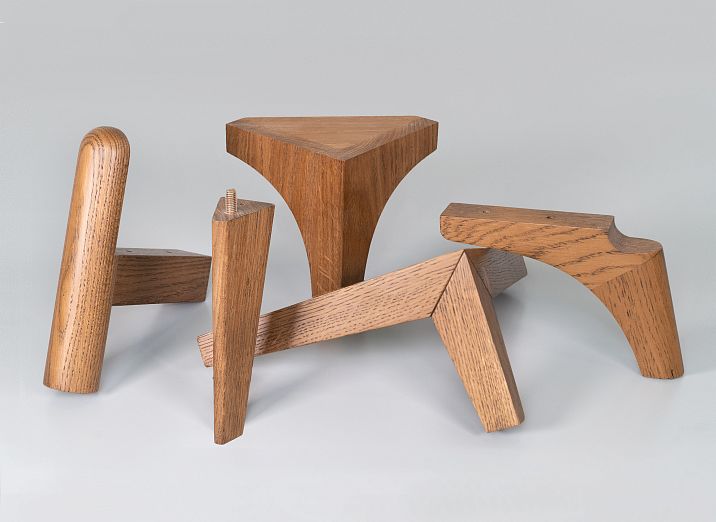
Natural wood is one of the oldest materials used by humanity for thousands of years. It was valued for its accessibility, strength, beauty, and ability to evoke a sense of coziness. With the development of industry and the emergence of synthetic materials, wood partially lost its leading position, but in recent years, interest in it has grown again. Ecological awareness, the search for natural solutions, and the desire for a healthy lifestyle make wood increasingly popular in construction, interior design, furniture manufacturing, and artisan crafts. In this article, we will thoroughly examine the advantages of using natural wood, the types of wood-based materials available, and how modern technologies help unlock the rich potential of this remarkable resource.


1. Brief History of Wood Usage




1.1 Earliest Evidence
Wood has accompanied humanity since ancient times. Archaeological findings indicate that early humans used wood for building shelters, crafting tools, weapons, and household items. The softness and pliability of this material allowed for diverse shapes, and its relatively easy processing made it especially valuable in eras when metals had not yet been mastered.
Our factory also produces:


1.2 Development of Crafts and Construction Traditions
As the first civilizations emerged — in Egypt, Mesopotamia, China, and India — wood began to play a crucial role in constructing temples, ships, and palaces. Various crafts developed: wood carving, carpentry, joinery, and decorative finishes. Later, in the ancient world, Greeks and Romans established a comprehensive theoretical foundation for wood processing and began applying it to large-scale public projects. In the Middle Ages, wood became one of the primary materials for building fortresses, churches, and residential homes, especially in forest-rich regions (Northern and Eastern Europe, Siberia, Scandinavia).
Get Consultation
1.3 Transition to the Industrial Era
With the development of industry in the 18th–19th centuries, metal and concrete became significant. However, wood did not disappear from everyday life but adapted to new conditions: factories producing lumber, plywood, and glued wood emerged, facilitating mass production of furniture and other items. In the 20th century, wood ceded some market share to plastics and composite materials but remained actively used in construction, finishing, and decorative arts.
2. Advantages of Natural Wood Materials
2.1 Ecological Purity and Renewability
The main advantage of wood is its ecological nature. Unlike synthetic materials, wood does not contain harmful chemical compounds (provided it is properly processed) and does not emit toxic substances during use. Moreover, it is a renewable resource: under rational forestry management, felled trees are replaced by new plantings. This approach contributes to preserving biodiversity and maintaining ecological balance.
2.2 Thermal Insulation and Microclimate
Wood possesses a unique ability to 'breathe,' regulating humidity levels and creating a comfortable microclimate indoors. Wood’s thermal conductivity is significantly lower than that of concrete or metal, allowing wooden structures to retain heat in winter and help maintain coolness in summer. This is especially important for northern regions, where the climate is harsh and minimizing heat loss is critical.
2.3 Sound Insulation
Natural wood has good sound insulation properties. Numerous pores and fibrous structure absorb part of sound waves, reducing noise levels indoors. This quality is highly valued in constructing private homes, recording studios, concert halls, and office spaces.
2.4 Aesthetics and Tactile Appeal
Another important advantage of wood is its visual and tactile appeal. Natural textures, rich color palettes, warm and pleasant-to-touch surfaces — all of this makes wood a favorite material among designers and architects. Numerous wood species, each with its distinctive grain pattern, allow for diverse stylistic solutions: from classical carving to modern minimalism.
2.5 Strength and Durability
With proper care and protection, wood can serve for centuries. Numerous historical monuments — wooden churches, bridges, furniture — confirm that products made from quality wood retain their properties for decades and even centuries. Modern stains, varnishes, oils, and antiseptics enhance the material’s resistance to moisture, pests, and fungi, making it even more durable.
3. Types of Natural Wood Materials
3.1 Solid Wood
The most traditional option is boards, beams, and other lumber products obtained directly from tree trunks. Solid wood is valued for its natural texture, high mechanical strength, and elegant appearance. It is widely used in furniture manufacturing, construction, and producing exclusive decorative elements. The main drawback of solid wood is its susceptibility to deformation under changes in humidity and temperature, although modern drying and treatment methods minimize this issue.
3.2 Veneer and Plywood
Veneer is a thin slice of wood obtained by peeling or planing the trunk. It retains the natural texture and color of wood but can easily be combined with a base made from less valuable species or sheet materials. Plywood is created by gluing several veneer layers together so that the wood fibers are oriented perpendicularly to each other. This gives plywood increased strength and resistance to deformation. Plywood is widely used in construction, furniture manufacturing, packaging, and container production.
3.3 Parquet and Parquet Flooring
For flooring, natural wood remains one of the most popular materials. Parquet consists of small planks made from solid precious species (oak, beech, ash, etc.), laid out in patterns. Parquet flooring is a multi-layered construction, with the top layer made from valuable veneer and the lower layers from more common species. This approach reduces cost and increases material stability while preserving the aesthetic of natural wood.
3.4 Glued Lumber
Glued lumber, consisting of several boards glued together with special resins, is increasingly used for building houses and saunas. The cross-laminated arrangement eliminates internal stresses and significantly increases strength. Glued lumber has good thermal insulation, is less prone to cracking, and has a long service life.
3.5 Thermally Modified Wood
Modern thermal treatment technologies allow improving wood properties without using chemical additives. When heated to a specific temperature in a controlled environment, the fiber structure changes, reducing hygroscopicity and increasing resistance to decay. Thermally treated wood retains its natural color or takes on a darker tone, offering designers new possibilities for creating stylish interiors and exteriors.
3.6 Wood-Polymer Composites
Although wood-polymer composites (WPC) contain synthetic components, they are primarily made from natural wood flour or fibers. This material retains the warm aesthetic of wood but offers enhanced resistance to moisture and ultraviolet radiation. WPC is widely used for decks, facades, fences, and garden furniture, where minimizing maintenance and protection from external influences is crucial.
4. Modern Wood Treatment Technologies
4.1 Drying and conditioning
Proper drying is the foundation of wood's longevity and stability. Modern drying chambers allow control over temperature and humidity, adapting the process to specific wood species. Correct drying prevents cracking and rotting, and reduces the likelihood of deformation during use.
4.2 CNC Milling and Carving
In furniture and decorative production, CNC machines are widely used. They ensure high precision when creating complex shapes, patterns, and ornaments. This saves time, improves quality, and opens the way to unique design solutions. Meanwhile, hand carving in wood retains its value, remaining within the realm of artisan crafts.
4.3 Laminating and Coating with Films
Laminating or coating wood with protective films, veneers, and laminates improves surface performance. These coatings add extra strength, protect against moisture and mechanical damage, and allow color and texture variation. They are used both in mass furniture production and in designer projects.
4.4 Innovative Stains and Lacquers
Modern water-based stains, oils, and lacquers reduce negative impact on the environment and human health while enhancing wood's resistance to moisture, ultraviolet radiation, and pests. Most of these products preserve the material's 'breathable' structure, highlight natural grain, and extend the lifespan of finished products.
5. Applications of Natural Wood
5.1 Construction
In construction, wood is commonly used for frame and log houses, saunas, utility buildings, and for finishing facades, roofs, and terraces. Wooden structures are valued for their energy efficiency, low carbon footprint, and ability to harmonize with natural surroundings.
5.2 Furniture and Interior Design
Solid wood furnitureParquet floors, wooden ceiling beams, wall panels, and decorative elements — all of these create an atmosphere of comfort and warmth. Natural wood in interiors symbolizes status and refined taste, whether in classic or modern styles. Designers often combine different species, colors, and textures to achieve original and harmonious solutions.
5.3 Artistic Items and Crafts
Sculptures, carved icons, musical instruments, boxes, figurines, and souvenirs — the list of wooden artistic items is practically endless. Talented artisans use both traditional and modern techniques to create unique masterpieces that combine craftsmanship with the natural beauty of wood.
5.4 Industrial Use and Packaging
Wooden crates, pallets, and other packaging are in demand in logistics and trade due to their strength and ease of repair. Wood can also serve as raw material for paper, particleboard, MDF, and fuel pellets (pellets). Recycling wood processing waste contributes to resource conservation and reduces landfill burden.
5.5 Leisure and Landscape Design
In landscape design, wood is used to create gazebos, pergolas, benches, bridges, decorative fences, and playgrounds. Natural material harmonizes with the environment, adds comfort, and does not disrupt the natural appearance of gardens or parks. With proper selection of species and treatments, such structures retain their attractive appearance for a long time.
6. Environmental Aspects and Development Prospects
6.1 Sustainable Forest Management
To ensure wood remains a renewable resource, sustainable forestry principles must be followed. It is important not only to restore felled areas but also to preserve biodiversity, protect rare plant and animal species. International certification systems such as FSC and PEFC confirm that timber harvesting adheres to ecological and social standards.
6.2 Carbon Footprint Reduction
Wood production and processing often require less energy and resources than the production of metal or plastic. Moreover, over its lifetime, wood accumulates carbon, helping combat climate change. Building wooden homes and using solid wood products contribute to reducing CO2 emissions and improving building energy efficiency.
6.3 Technological Innovations
Modern research into wood modification, development of new adhesive formulations, and thermal treatment methods open up broad prospects for further improving material properties. High-tech solutions enable the production of ultra-strong beams, lightweight and durable panels, as well as decorative coatings capable of withstanding extreme operating conditions.
6.4 The Future of Wooden Structures
Today, in many countries around the world, multi-story buildings are being constructed using glued timber structures. This not only demonstrates the potential of wood as an alternative to concrete and steel, but also stimulates the development of building codes and standards adapted to new technologies. Perhaps in the next decade, we will see even more architectural projects in which wood becomes the primary structural and aesthetic element.
7. Practical Tips for Choosing and Caring for Natural Wood
- Species selection: Consider climate, humidity levels, and specific operating conditions. For example, larch and oak are better suited for outdoor structures, while pine and birch are ideal for interiors and furniture.
- Drying quality: Before purchase, ensure the wood has undergone proper drying. This reduces the risk of cracking and warping.
- Protective coatings: Use stains, oils, varnishes, or paints appropriate for the operating conditions. Pay attention to ecological certifications and product compositions.
- Regular maintenance: Wooden surfaces should be periodically cleaned of dust and dirt, and protective layers should be renewed. Small defects or scratches should be addressed promptly to prevent further damage.
8. Conclusion
Materials from Natural Wood — this is not merely a construction or finishing material, but a philosophy that unites the beauty of nature, centuries-old craftsmanship traditions, and modern technological achievements. Wood has the ability to bring harmony, comfort, and a sense of closeness to natural origins into our lives, while also solving a range of practical issues—from energy efficiency to durability. At the same time, responsible forestry and the adoption of innovative processing methods help reduce environmental impact and ensure the sustainable development of the industry.
Today, more and more people recognize that using natural materials is a contribution to preserving the environment and caring for their own health. Wood gives us cozy homes, functional furniture, works of art, and inspires creativity. Considering the development of new technologies, increased interest in ecological solutions, and a rich history of application, wood continues to remain one of the most valuable materials capable of meeting the needs of modern society in harmony with nature.
Let this unique material continue to accompany humanity, helping to create not only beautiful, but truly 'living' spaces. After all, natural wood is a symbol of warmth, strength, eco-friendliness, and the eternal connection between humans and their environment.