Article Contents:
- 1. Historical Context and the Role of Wood in Furniture Production
- 1.1 Ancient Roots
- 1.2 Development of Crafts and Furniture Traditions
- 1.3 Industrial Revolution and Mass Production
- 2.1 Oak
- 2.2 Beech
- 2.3 Ash
- 2.4 Walnut
- 2.5 Pine
- 2.6 Birch
- 3.1 Plywood
- 3.2 Particle Board (PB)
- 3.3 Medium-Density Fiberboard (MDF)
- 3.4 Laminate, Laminated MDF, and Other Laminates
- 4.1 Drying and Conditioning
- 4.2 Planing and Milling
- 4.3 Gluing and Pressing
- 4.4 Sanding and Preparation for Finishing
- 4.5 Finishing: Lacquers, Oils, Paints
- 5.1 Advantages
- 5.2 Disadvantages
- 8.1 Environmental Awareness
- 8.2 Innovations in Technology
- 8.3 Blending Tradition and Modern Design
- 8.4 Smart Storage Systems
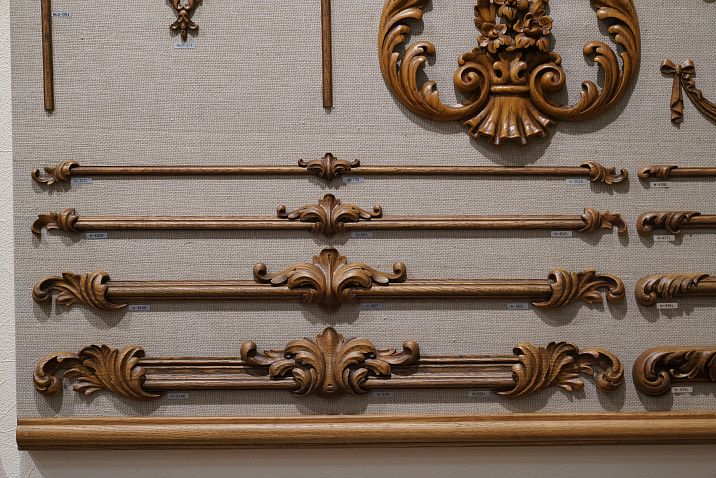
Furniture made of natural wood has always enjoyed special respect and affection from customers. It is valued for its durability, longevity, aesthetic appeal, and ability to bring a unique sense of coziness into interiors. Despite the emergence of numerous synthetic materials, wood does not lose its popularity and, in recent years, even experiences a new surge. This is due to people’s desire for eco-friendly, natural, and safe solutions in their home environments.
In this article, we will examine the main types of wood used in furniture manufacturing, analyze various processing methods and technological nuances, as well as discuss the advantages and disadvantages of wooden materials. The information obtained will help you make an informed choice when selecting wooden furniture and better understand which specific factors influence the quality, price, and longevity of the products.


1. Historical Context and the Role of Wood in Furniture Production




1.1 Ancient Roots
Since ancient times, wood has served humanity as the primary building and furniture material. In ancient civilizations—from Egypt to China—wood was used to make beds, tables, chests, and household items. Wood carving, applied for religious and decorative purposes, indicated the special value of this material, and knowledge about different types of wood was passed down from generation to generation.
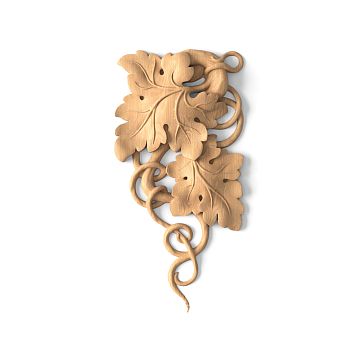
Our factory also produces:


1.2 Development of Crafts and Furniture Traditions
As crafts developed and labor became specialized, wood became the basis for producing not only utilitarian items but also luxurious furniture for palaces and temples. In medieval Europe, carpenters and joiners attained the status of respected masters, creating exquisite cabinets, chests, and beds with carved details. During the Renaissance, wooden furniture became a true work of art, adorned with intricate ornaments, inlays, and gilding.
Get Consultation
1.3 Industrial Revolution and Mass Production
With the advent of the industrial era (18th–19th centuries), wood processing technologies underwent significant changes: mechanical saws, turning, and milling machines appeared, greatly accelerating furniture production and expanding its variety. Wood became an accessible material not only for the aristocracy but also for the middle class. Later, in the 20th century, with the development of the chemical industry, alternative materials (MDF, particleboard, plastics) emerged, but natural wood did not lose its status, continuing to be a symbol of quality and aesthetics.
2. Main Wood Species for Furniture
The variety of wood species provides furniture makers and designers with a wide range of options in terms of color, texture, strength, and cost. Below, we will examine the most popular varieties you may encounter when choosing wooden furniture.
2.1 Oak
Oak is one of the hardest and most durable species. It features a distinctive texture and light brown or grayish hue, which may darken over time, acquiring a noble appearance. Oak furniture can serve for decades and even be passed down through generations. Oak items are often used in classic and traditional interiors, although modern design also happily employs this species due to its versatile appearance.
Advantages:
● High strength and wear resistance.
● Beautiful natural wood grain pattern.
● Shape stability despite humidity fluctuations.
Disadvantages:
● Relatively high price.
● Heavy items (may complicate transportation).
2.2 Beech
Beech is a hard but sufficiently elastic species, easy to process and paint. Beech usually has a light, yellowish-pink color, which may slightly darken over time. Beech furniture is strong and reliable, though slightly cheaper than oak.
Advantages:
● Good wear resistance.
● Smooth and even structure.
● Excellent for bent furniture elements.
Disadvantages:
● Moderate moisture resistance, requires careful impregnation.
● Less durable compared to oak.
2.3 Ash
Ash is renowned for its expressive texture with beautiful wavy grain. It possesses high elasticity and strength, making it ideal for producing sports equipment, tool handles, and, of course, furniture. The color ranges from light cream to grayish or slightly pinkish tones.
Advantages:
● Strength and elasticity.
● Expressive texture.
● Adaptable to various finishes.
Disadvantages:
● May warp if improperly dried.
● Higher cost compared to some other species.
2.4 Walnut
Walnut is a noble wood with a rich palette of tones: from light brown to chocolate, with soft hues. Walnut wood has moderate hardness and is easy to work with. Walnut furniture is traditionally associated with luxury and elegance.
Advantages:
● Elegant texture and warm tone.
● Easy carving and routing.
● Good resistance to deformation.
Disadvantages:
● High price.
● Difficulty in finding large, high-quality solid boards.
2.5 Pine
Pine is a softer wood, distinguished by its affordable price and warm yellowish tone. It is often used in producing inexpensive furniture, as well as in country and suburban homes, where simplicity and naturalness are valued. Pine is easy to process, but due to its softness, it may retain dents and scratches.
Advantages:
● Low cost.
● Pleasant natural resin scent.
● Easy processing and light weight of finished products.
Disadvantages:
● Susceptible to mechanical damage.
● Less durable compared to hardwoods.
2.6 Birch
Birch is characterized by a light, almost white tone with a slight yellowish or pinkish undertone. It is a relatively hard wood that is easy to paint and stain. Birch wood is often used for making furniture in Scandinavian style, as well as in children's rooms.
Advantages:
● Affordable price.
● Uniform structure, easy to process.
● Easily paints and finishes.
Disadvantages:
● Less moisture-resistant than oak or ash.
● May darken over time if not coated with a protective layer.
3. Alternative and composite wood-based materials
Not all furniture we call 'wooden' is made from solid wood. There are other materials based on wood but subjected to additional processing.
3.1 Plywood
Plywood consists of veneer sheets glued together with alternating grain directions. This structure gives plywood high strength and resistance to deformation. Plywood is widely used in furniture manufacturing for carcasses, back panels, and internal partitions. High-quality birch or coniferous plywood can be veneered with premium species or painted.
Advantages:
● Stable shape, little prone to warping.
● Relatively low cost.
● Ability to form complex curved shapes (bent parts).
Disadvantages:
● Less attractive appearance without additional finishing.
● Quality depends on the type of adhesive and plywood grade (number of layers, absence of voids).
3.2 Particleboard (Particleboard)
Particleboard is produced by pressing wood particles with resins. This material is cheaper than solid wood or plywood, but requires additional finishing (veneer, laminate, or film), since particles themselves do not have an attractive texture. Particleboard is widely used in manufacturing economy-class furniture.
Advantages:
● Low cost.
● Sufficient strength for general-purpose applications.
● Easy to process.
Disadvantages:
● Sensitive to moisture (especially in cheaper grades).
● May emit formaldehyde (important to check emission class).
● Not repairable or restorable like solid wood.
3.3 Medium-density fiberboard (MDF)
MDF is a board made of fine wood fibers bonded with synthetic resins. Compared to particleboard, MDF has a more uniform structure and is easier to machine, allowing for complex facades and decorative elements. MDF is used to manufacture kitchen facades, sliding wardrobes, and other furniture.
Advantages:
● Smooth and uniform surface.
● Suitable for painting, laminating, and veneering.
● Lower hygroscopicity compared to particleboard.
Disadvantages:
● Still inferior to solid wood in strength and durability.
● Can be heavy (depending on density).
3.4 Laminated particleboard, laminated MDF, and other laminates
To improve the appearance of particleboard or MDF panels, they are often covered with a decorative laminate layer. Laminated particleboard (Laminated Particleboard) and laminated MDF (Laminated MDF) are panels with a melamine or PVC film applied to the surface. These materials are widely used in furniture: kitchen sets, cabinets, office furniture. Their main advantages are rich color palette, ease of cleaning, and affordable price.
4. Technological nuances of production and processing
4.1 Drying and conditioning
Before becoming part of furniture, wood must be properly dried. Excessive moisture leads to cracking, deformation, and rot. Computer-controlled drying chambers allow maintaining the required temperature and humidity, tailored to specific wood species. Proper drying is the key to stable geometric dimensions and long-term durability of parts.
4.2 Planing and milling
To achieve the required dimensions and smoothness for boards and beams, they are planed. Then, depending on the design, parts may be processed on milling machines, including CNC machines. This technology enables creating complex profiles, grooves, and decorative elements with high precision.
4.3 Gluing and pressing
In the production of panel parts, as well as plywood, MDF, and particleboard, the key process is gluing under pressure. Various adhesive compositions are used: PVA, urea-formaldehyde, polyurethane, etc. It is important that adhesives are safe for health and comply with sanitary norms regarding formaldehyde emission levels.
Thus, wooden furniture does not lose its relevance but, on the contrary, becomes increasingly sought after in the context of growing ecological awareness and pursuit of quality. It can serve for many years, delight the eye, and pass down craftsmanship traditions accumulated over centuries. Choosing wooden furniture means betting on naturalness, reliability, and beauty that never goes out of style.
After mechanical processing, the wood surface is sanded to make it smooth and even. Different grit abrasives may be used depending on the wood species and furniture type. The final stage is preparation for finishing, including dust removal and application of primer coatings.
4.5 Finishing: Lacquers, Oils, Paints
To protect wood from moisture, ultraviolet radiation, and mechanical damage, protective-decorative coatings such as lacquers, paints, oils, and waxes are used. Lacquers form a hard film on the surface, paints allow complete color change, while oils and waxes preserve the natural texture, giving wood a soft sheen. The choice of coating depends on the furniture style, usage conditions, and buyer preferences.
5. Advantages and Disadvantages of Solid Wood Furniture
5.1 Advantages
- Ecological Safety: Wood is a natural and safe material, free of toxic substances (provided it undergoes proper processing).
- Durability: With proper care, solid wood furniture can last for decades.
- Aesthetics: The unique texture and warm color of wood create a cozy atmosphere in the room.
- Repairability: Damage to wooden surfaces is often repairable (sanding, patching, repainting).
- Style Variability: Different wood species and finishing methods allow wooden furniture to fit both classic and modern interiors.
5.2 Disadvantages
- Cost: High-quality solid wood furniture can be significantly more expensive than equivalents made of particleboard or MDF.
- Moisture Sensitivity: At high humidity or sharp temperature changes, wood may warp or crack.
- Maintenance Requirements: To maintain the original appearance of wooden items, protective coatings must be regularly renewed.
- Heavy Weight: Some species (oak, beech) have significant mass, making transportation and rearrangement more difficult.
6. Criteria for Choosing Quality Wooden Furniture
- Wood Species: Confirm the exact type of wood used for the furniture. Species vary in hardness, moisture resistance, and appearance.
- Processing Methods: Check if the wood is properly dried, and look for chips, cracks, or signs of poor milling.
- Assembly Quality: Solid wood furniture should have secure joints (dowel, tongue-and-groove, rarely bolted). Glued parts must not have gaps.
- Finishing: Lacquer, oil, or paint must be applied evenly, without streaks or scratches. Pay attention to the eco-friendliness of the materials used.
- Origin and Certifications: Some manufacturers indicate compliance certificates (e.g., FSC), confirming legal wood sourcing and adherence to sanitary standards.
7. Care for Wooden Furniture
- Regular Cleaning: Wipe furniture with a soft dry cloth, avoiding abrasive pads or cleaning agents.
- Avoid Excessive Moisture: Wood does not like prolonged contact with water. If necessary, wipe with a damp cloth and immediately dry thoroughly.
- Protection from Temperature Fluctuations: Do not place wooden furniture near heating appliances or direct sunlight to avoid drying out or fading.
- Use Specialized Products: Oils and waxes help preserve the surface’s noble appearance. Lacquer coatings require periodic inspection for chips and scratches.
- Caution with Heavy Objects: To avoid damaging the surface, use stands, mats, or special protective pads.
8. Prospects and Modern Trends in Wooden Furniture Production
8.1 Ecological Awareness
In recent years, demand for eco-friendly materials and natural furniture has increased. Buyers are increasingly interested in the origin of wood and its processing methods. Manufacturers respond to this demand by introducing FSC or PEFC certifications and offering products with reduced levels of harmful substances.
Modern furniture factories actively use computer modeling, robotic lines, laser cutting, and CNC milling. This increases the accuracy of parts, speeds up production, and allows for implementing complex design ideas while preserving the natural beauty of wood.
In the interiors of the 21st century, solid wood furniture is increasingly combined with metallic or glass elements, creating a striking contrast. Natural materials add warmth to the space, while modern minimalist design highlights the aesthetic qualities of wood without cluttering the space with details.
8.3 Combination of Traditions and Modern Design
8.4 Smart Storage Systems
Wooden furniture is also becoming more functional. It incorporates transformation mechanisms, lifting devices, hidden drawers, and shelves. This makes the items more versatile, allowing space-saving and maintaining order in the home.
Solid wood furniture is not only decorative items but also a unique continuation of nature in our homes. It provides comfort, warmth, and a special atmosphere that cannot be recreated with synthetic materials. Wood delights the eye with its natural texture, pleasant tactile sensations, and unique aroma.
9. Conclusion
When selecting wood materials for furniture, it is important to consider the species, processing methods, and assembly quality. This directly affects the durability, functionality, and appearance of the items. Although alternatives (MDF, particleboard, composites) occupy a significant portion of the market, solid wood remains the benchmark for high quality and style.
Modern trends — ecological awareness, technological innovations, and the desire for harmony in interiors — only enhance interest in natural wood. The development of production, use of robotic machines, and new impregnation methods, along with careful management of forest resources, open new prospects for woodworking.
Thus, wooden furniture does not lose relevance; on the contrary, it becomes increasingly popular in the context of growing ecological awareness and the pursuit of quality. It can serve for many years, delight the eye, and pass down craftsmanship traditions accumulated over centuries. Choosing wooden furniture means betting on naturalness, reliability, and beauty that will never go out of style.
Thus, wooden furniture does not lose its relevance but, on the contrary, becomes increasingly sought after in the context of growing ecological awareness and the pursuit of quality. It can serve for many years, delight the eye, and pass down craftsmanship traditions accumulated over centuries. Choosing wooden furniture means betting on naturalness, reliability, and beauty that will never go out of style.