Article Contents:
- 1. Historical Perspective on Wood Usage
- 1.1 Oldest Finds and First Tools
- 1.2 Ancient Civilizations and Construction Traditions
- 1.3 Middle Ages: Peak of Craftsmanship
- 1.4 Modern Era and Industrial Revolution
- 2.1 Natural Solid Wood
- 2.2 Plywood
- 2.3 Particle Board (PB)
- 2.4 Medium Density Fiberboard (MDF)
- 2.5 Laminate, Parquet, and Parquet Flooring
- 2.6 Glued Lumber and Laminated Wood
- 2.7 Wood-Polymer Composites (WPC)
- 3.1 Sawing and Planing
- 3.2 Drying
- 3.3 Gluing
- 3.4 Milling and Carving
- 3.5 Laminating and Finishing
- 4.1 Construction and Architecture
- 4.2 Furniture and Interior Design
- 4.3 Decor and Artistic Items
- 4.4 Packaging and Containers
- 4.5 Leisure and Landscape Design
- 5.1 What is "Protm"?
- 5.2 Core Principles of "Protm"
- 5.3 Advantages of "Protm" for the Market
- 6.1 Resource Renewability
- 6.2 Carbon Footprint and Climate Benefits
- 6.3 Waste and Recycling
- 6.4 Future Prospects
- 7.1 Criteria for Selecting Wood
- 7.2 Processing and Protection
- 7.3 Maintenance and Repair
- 8.1 Role of Crafts and Folk Art
- 8.2 Contemporary Art and Design
- Epilogue: Looking to the Future
Wood has accompanied humanity throughout the entirety of its development. Since ancient times, it has served as a building and finishing material, a source of warmth, and an object of art. Natural wood enchanted with its unique grain, amazed with its strength and at the same time its flexibility, inspiring craftsmen to create unique items. Today, in the age of high technology and globalization, wood materials and products have not lost their relevance; on the contrary, thanks to new processing methods and increased interest in eco-friendliness, they are experiencing a true renaissance. In this article, we will thoroughly examine the history and current trends in wood usage, reveal the specifics of its processing, and discuss how "protm" influences the development of this industry.


1. Historical Perspective on Wood Usage




1.1 Oldest Discoveries and First Tools
Wood is one of the most accessible and easily processed natural resources. Archaeological findings confirm that even in prehistoric times, humans made tools, weapons, household items, and even elements of dwellings from wood. Thanks to its physical properties, wood allowed primitive societies not only to survive but also to refine their material processing skills, laying the foundation for the development of future crafts.
Our factory also produces:


1.2 Ancient Civilizations and Construction Traditions
As ancient civilizations — Egyptian, Sumerian, Greek, Roman, and others — emerged, wood became one of the most important construction materials. Egyptians used valuable wood species to make furniture and boats, Romans built bridges and ships, and Greeks were renowned for their wood carving art. In many cultures, wood held sacred significance, symbolizing life and fertility, and craftsmen who worked with it enjoyed prestige and respect.
Get Consultation
1.3 Middle Ages: Peak of Crafts
During the Middle Ages, wood became the foundation for building castles, fortresses, and churches. Although stone and brick were also widely used, in certain regions of Europe and Asia, wood was the primary material, especially for residential buildings and utility structures. Crafts such as carpentry, joinery, and carving developed and refined. Specialized workshops emerged, where masters passed down the secrets of wood processing from generation to generation.
1.4 Modern Era and Industrial Revolution
With the onset of the Industrial Revolution, wood began to cede some positions to metal and brick, especially in large-scale construction. However, during this period, in Europe and North America, the first factories appeared, producing standardized lumber, plywood, and laminated wood. This spurred the development of industrial production of furniture and other wooden products, which became more accessible to mass consumers.
2. Types of Wood Materials and Their Characteristics
The modern wood processing industry offers a wide range of materials, each with specific characteristics and applications. Let us consider the most common ones.
2.1 Solid Wood
Solid wood refers to whole boards and beams obtained directly from the tree trunk. Density, hardness, and color depend on the species: oak, beech, ash, birch, pine, cedar, and many others. Solid wood is valued for its natural beauty, strength, and durability. It is used to make furniture, staircases, flooring, doors, windows, and various interior items. Disadvantages of solid wood may include relatively high cost and susceptibility to deformation under changes in humidity and temperature.
2.2 Plywood
Plywood is a layered material obtained by gluing thin veneer sheets into multiple layers. The direction of fibers in adjacent layers is perpendicular, which adds additional strength and resistance to deformation. Plywood is used in construction for wall and roof cladding, as well as in furniture and packaging production. Due to its versatility and relatively low cost, plywood has gained widespread popularity in many industries.
2.3 Particle Board (PB)
Particle board is a material obtained by hot pressing wood particles with synthetic resins. Particle board is widely used in the production of furniture carcasses and as a base for flooring. Its main advantage is low cost, but particle boards have limited water resistance and are not highly decorative, often requiring veneer or laminate finishes.
2.4 Medium-Density Fiberboard (MDF)
MDF is a more advanced analog of particle board, made from wood fibers bonded with lignin or urea resins. The material has a uniform structure, is easily machinable and decorative, and is often used for producing furniture facades, wall panels, and decorative elements. MDF has higher density and better water resistance compared to particle board, expanding its application scope.
2.5 Laminate, parquet, and parquet flooring
Wood also occupies an important place in the field of flooring. Parquet and parquet flooring are made from natural wood, have an attractive appearance and high durability. Laminate is a multi-layer material based on MDF or particleboard panels, covered with a wear-resistant decorative layer. Laminate is easier to install and maintain, and is also cheaper than natural parquet.
2.6 Glued Lumber and Glued Wood
Glued lumber is a construction material obtained by gluing several layers of boards together. This technology allows eliminating internal stresses and increasing strength. Glued lumber is widely used in building houses, saunas, and small architectural forms. Glued wood can also be used to manufacture beams, floors, and other load-bearing structures, as it has high reliability and is less prone to cracking.
2.7 Wood-Polymer Composites (WPC)
WPC is a combination of wood flour (or fibers) with polymer binders. The material combines the aesthetics of wood with resistance to moisture and ultraviolet radiation. WPC is often used for terraces, facades, fences, and garden furniture. It requires minimal maintenance, is not afraid of temperature fluctuations, and can last for decades.
3. Wood Processing Technologies
Modern processing technologies allow producing wood materials and products with high precision and diverse properties. Some of the key methods:
3.1 Sawing and Planing
Sawing is the primary method for obtaining boards, beams, and blanks. Planing is used to give surfaces smoothness and the required geometry. Special machines ensure high-precision processing, reduce waste, and increase productivity.
3.2 Drying
Moisture is one of the most important parameters of wood. At too high moisture content, the material is susceptible to rot and deformation, while at too low moisture content it may crack. Modern computer-controlled drying chambers allow setting optimal drying parameters for specific wood species, preserving its structure and enhancing its performance characteristics.
3.3 Gluing
Gluing layers of veneer, boards, or fibers allows creating multi-layer structures with special properties. It is important to select the right adhesive: water-resistant resins are used for outdoor applications, while low-formaldehyde content formulations are used for indoor applications. Gluing technologies are widely used in producing plywood, MDF, particleboard, and glued lumber.
3.4 Milling and Carving
Modern CNC machines (Computer Numerical Control) enable manufacturing parts of complex shapes with high precision. This is especially relevant for furniture production and decorative finishing, where intricate patterns and elements are required. Hand carving retains its artistic value, but for large-scale production, automated milling is preferred.
3.5 Laminating and Facing
To improve the appearance and protect wood from external influences, laminates, films, and veneers of valuable wood species are applied. These coatings increase surface wear resistance, add additional decorative appeal, and allow using more affordable wood species as a base.
4. Application of Wood in Various Sectors
4.1 Construction and Architecture
Wood is one of the most in-demand materials in low-rise construction. Warm, eco-friendly houses made of timber, round logs, or frame structures are popular worldwide. In addition, glued lumber and solid wood allow constructing not only suburban cottages but also large public buildings, bridges, and sports complexes.
Modern architects increasingly turn to wood as a way to create visually expressive, eco-friendly, and energy-efficient structures. Tall wooden buildings are no longer rare in Scandinavia, Canada, and Japan. There are examples of skyscrapers made of glued timber structures that demonstrate that wood can compete with concrete and steel in the most ambitious projects.
4.2 Furniture and Interior Design
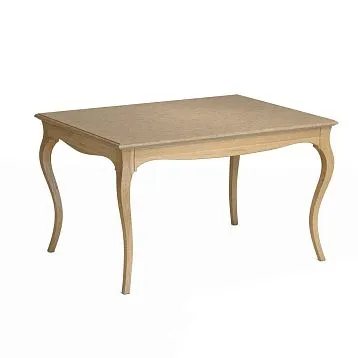
The furniture industry is a classic example of how wood materials and products are used in household and commercial sectors. Tables, chairs, cabinets, beds, chests, and many other items are made from solid wood, MDF, particleboard, and plywood. Furniture made of natural wood is valued for its eco-friendliness and aesthetic appeal, while products made from sheet materials are valued for their affordability and design variety.
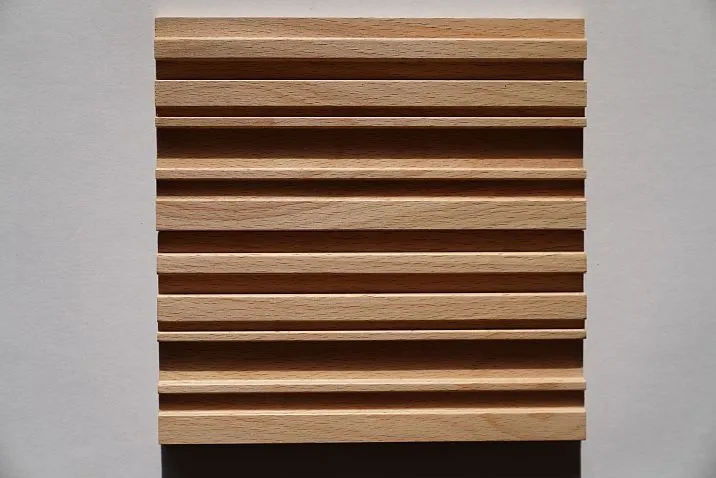
In interior design, wood is used for wall cladding, decorative panels, flooring, doors, and staircases. The natural texture and warm tones of wood help create a cozy atmosphere, while modern processing methods ensure durability and ease of maintenance.
4.3 Decoration and Artistic Items
Carved panels, sculptures, souvenirs, musical instruments — all of these are made from different types of wood. Art workshops and individual artisans often combine traditional processing methods with innovative technologies (laser engraving, 3D milling) to create unique art pieces. The aesthetics of natural wood, its texture, and its ability to age beautifully attract both collectors and ordinary buyers.
4.4 Packaging
Wooden packaging, crates, and pallets are widely used in logistics and warehousing. Their strength, availability of raw materials, and ease of production make them indispensable for transporting and storing goods. For packaging food products (fruits, vegetables, cheeses, wines), wood is ideal due to its 'breathable' structure, which preserves the freshness of products.
4.5 Leisure and Landscape Design
Wood is used to make garden furniture, gazebos, swings, bridges, and other small architectural forms that harmoniously blend into the natural landscape. Natural materials highlight the beauty of gardens or parks and create a cozy atmosphere for outdoor relaxation. Special impregnations and coatings protect wood from moisture, mold, and insects, allowing the items to retain their attractive appearance for many years.
5. "Protm" and its role in the industry's development
5.1 What is "Protm"?
By "Protm" we mean a comprehensive approach that combines the Program for Rational Adoption of Technological Methods (or another concept, briefly "Protm") in the field of wood processing and production of wooden products. The goal of "Protm" is to optimize processes, increase environmental friendliness and profitability, and implement innovative solutions at all stages of the life cycle of wooden products.
5.2 Main principles of "Protm"
- Environmental responsibility. When harvesting timber, principles of resource renewability, protection of forest areas, and compliance with forestry legislation are taken into account. Use of certified raw materials reduces negative impact on the environment.
- Innovations in processing. "Protm" implies the introduction of modern technologies — from computer modeling to robotic lines — which allow saving material and increasing processing accuracy.
- Quality and safety. All production stages, from selecting wood species to packaging finished products, undergo strict control. Non-toxic adhesives and impregnations are used, reducing the risk of harmful substance emissions.
- Effective waste management. An important element of "Protm" is the recycling of wood processing waste (sawdust, offcuts, shavings) for producing biofuel or composite materials. This reduces landfill volumes and increases economic benefit.
- Training and development of personnel. Qualified personnel are the foundation of any high-tech industry. "Protm" implies continuous employee training, enhancing their competencies and disseminating advanced experience in the field of wood processing.
5.3 Advantages of "Protm" for the market
● Increased competitiveness: innovative processing methods allow creating higher quality and attractive products capable of competing on the global market.
● Reduced costs: efficient production organization, optimization of material and energy consumption lead to lower product cost.
● Strengthened reputation: using eco-friendly raw materials and safe technologies increases consumer trust, as more people value eco-responsible approaches.
● Expanded product range: thanks to new technologies, previously difficult or impossible to produce items (complex decorative elements, large glued structures, etc.) become accessible.
6. Environmental Aspects and Development Prospects
6.1 Resource renewability
Wood is a renewable resource if logging is conducted in accordance with reforestation norms and regulations. Certification of forestry enterprises according to FSC (Forest Stewardship Council) and PEFC (Program for the Recognition of Forest Certification) standards confirms that ecological and social requirements are met during tree harvesting. Such certifications help consumers choose products from responsible sources.
6.2 Carbon footprint and climate advantages
Wood is capable of storing carbon, making its use beneficial in terms of combating climate change. Carbon dioxide emissions during the production of wooden products are often lower than those from metal or concrete analogs. In addition, the energy efficiency of wooden houses allows reducing heating and air conditioning costs.
6.3 Waste and secondary processing
Waste is generated during wood processing: sawdust, shavings, offcuts. Thanks to secondary processing technologies, they can be used to produce fuel briquettes, particleboard, MDF, paper pulp, as well as composts and substrates. Such a closed-loop system helps reduce pressure on landfills and more rational use of natural resources.
6.4 Development prospects
Current trends in construction and industry increasingly focus on environmental friendliness and energy conservation. Wood as a material fits perfectly into the "green economy" concept. Each year, new wood processing and modification methods emerge, enhancing its operational characteristics. The global market for wooden structures, furniture, and decorative items is growing, along with the range of innovations aimed at improving quality and preserving natural resources.
7. Practical recommendations for selecting and caring for wooden products
7.1 Criteria for selecting wood
- Purpose: for construction, it is better to choose strong and moisture-resistant species (larch, oak). For furniture, softer species (pine, birch) are suitable, which are easy to process.
- Quality: the wood should be properly dried, free of cracks, knots, and signs of rot. For outdoor use, moisture-resistant or thermally modified wood is essential.
- Certificates: presence of FSC or PEFC certificates indicates legal origin of raw materials and compliance with environmental standards.
7.2 Processing and protection
● Antiseptics and impregnations: protect wood from fungi, mold, and insects.
● Lacquers and oils: create a water-repellent layer, highlight the texture, and extend the product's service life.
Paints: add color and extra protection, but may hide the natural wood grain.
7.3 Care and Repair
● Regular cleaning: remove dust and dirt with soft cloth or special brushes.
● Check coating condition: scratches and chips should be promptly repaired to prevent moisture penetration.
● Scheduled repairs: in case of severe surface wear or damage to individual components, restoration or replacement of parts may be required.
8. Influence of Culture and Art on Perception of Wood
8.1 Role of Crafts and Folk Art
Folk crafts of many countries are closely linked to wood: carving, weaving, turning, painting. Each item, whether a traditional Russian matryoshka or a Japanese lacquer box, carries the imprint of national character and historical traditions. The cultural heritage embodied in wooden items continues to live today, enriched by new technologies and ideas.
8.2 Contemporary Art and Design
Contemporary artists and designers experiment with the form, texture, and properties of wood, creating objects that go beyond conventional perceptions of this material. Installations, sculptures, and performances using wood evoke a wide range of emotions in viewers: from nostalgia for the 'traditional' to admiration for the possibilities of the 'innovative'. More and more artisans strive to use eco-friendly and safe materials to emphasize the idea of responsible relationship with nature.
9. Conclusion
Wooden materials and products play a key role in the modern world, despite the abundance of artificial substitutes and high-tech developments. Wood combines natural beauty, functionality, and ecological safety, making it indispensable in construction, furniture manufacturing, decoration, industry, and even art. For centuries, people have refined woodworking skills, creating increasingly complex and elegant forms without losing their deep connection to nature.
Today we observe not only the continuation of traditions, but also the emergence of new trends: tall wooden buildings, innovative composite materials, as well as comprehensive programs such as 'protm', aimed at optimizing and sustainable development of the industry. These trends indicate that wood will remain in demand in the future and even strengthen its position against the backdrop of growing interest in ecological solutions.
The key to successful application of wood lies in the thoughtful combination of tradition and innovation. On one hand, it is important to preserve and develop crafts that convey cultural heritage and the spiritual meaning of working with wood. On the other hand, new technologies, automation, and rational resource management (including waste recycling) help make production more efficient and accessible. This comprehensive approach enables the creation of high-quality products that meet modern standards of ecological and social responsibility.
If you plan to use wood in your projects, whether building a country house, creating original furniture, or developing an art object, it is worth paying attention to several important points:
- Choosing the right species and type of wood. Consider the usage characteristics, climatic conditions, and design requirements.
- Correct processing technology. Quality drying, application of protective coatings, and use of modern milling or carving methods ensure the longevity and beauty of products.
- Ecological aspects. Whenever possible, choose certified wood, and during production, use technologies that reduce environmental impact.
- Adoption of innovations. Using "protm" methods, automation, and modern materials (MDF, particleboard, etc.) provides competitive advantages and expands creative horizons.
In conclusion, wood is not merely a construction or decorative material. It is part of our culture, history, and daily life. It warms us with its natural texture and inspires creativity, opening the path to harmony with nature. With the right approach, wood can become a foundation for sustainable development, offering solutions that combine beauty, functionality, and care for the planet’s future.
Epilogue: Looking to the Future
In the coming years, wood will continue to strengthen its position in the market for construction and decorative materials. Technologies such as thermal treatment, production of multi-layer and composite structures, and digital transformation (application of BIM modeling, robotic machinery, and 3D printing) will define the industry’s development direction. Wood will become a key element in smart homes and "green" infrastructure, where it will be used not only for aesthetics but also for energy efficiency, sound insulation, and maintaining a healthy microclimate.
New architectural concepts experimenting with tall wooden buildings prove that the potential of wood is far from exhausted. Developers and scientists actively explore possibilities of genetic improvement of forests, refine adhesive compositions and modification methods, enhancing the strength and durability of wooden materials. All this indicates that wood will remain one of the key materials of the 21st century, combining ancient traditions with the latest scientific and technological achievements.
Thus, "wooden materials and products" is a vast field where culture, technology, ecology, and economics are closely intertwined. Each of us, choosing wooden furniture, flooring, doors, or decorative elements, contributes to preserving craftsmanship, supporting responsible forestry, and developing innovative production. May this conscious attitude toward wood and everything it symbolizes help us preserve the beauty and harmony of the world for future generations.