Article Contents:
- 1. The Significance of Wooden Staircases in Modern Interior Design
- 1.1 Aesthetics and Functionality
- 1.2 Ecological and durability
- 1.3 Cultural Heritage and Modern Trends
- 2.1 Staircase Posts
- 2.2 Staircase Balusters
- 2.3 Staircase Handrails
- 2.4 Newel Posts
- 2.5 Staircase Components and Elements
- 3.1 Selection and Preparation of Raw Materials
- 3.2 Modern Drying and Treatment Methods
- 3.3 Mechanized Processing and Digital Modeling
- 3.4 Final Processing and Finishing
- 3.5 Quality Control and Certification
- 4.1 Ecological and Natural Properties
- 4.2 Strength and Reliability
- 4.3 Aesthetic Appeal
- 4.4 Design Flexibility
- 4.5 Thermal and Sound Insulation Properties
- 5.1 Residential Homes and Apartments
- 5.2 Public Buildings and Commercial Properties
- 5.3 Exclusive Designer Projects
- 5.4 Architectural Projects and Restoration
- 6.1 Criteria for Selecting Quality Components
- 6.2 How to Properly Organize the Purchase
- 6.3 Care for Solid Wood Stairs
- 7.1 Innovative Technologies and Eco-Friendly Production
- 7.2 Expanding Product Range and Custom Solutions
- 7.3 Growing Demand for Natural Materials
Wood is an eternal symbol of warmth, comfort, and reliability, and solid wood products consistently occupy leading positions in the world of interior design and architecture. A staircase, as one of the key elements of any home, becomes not just a functional component but also an important decorative accent reflecting the owner’s individuality and taste. When selecting materials for wooden staircases, special attention is paid to the quality of components, structural strength, and aesthetic appeal. In this article, we will examine all aspects related to purchasing materials for wooden staircases, as well as discuss modern processing technologies, advantages of natural materials, and practical recommendations for creating a unique interior. Pay attention to proven solutions and reliable manufacturers, to ensure that your staircase will last for decades.buy materials for wooden staircaseswhich will serve for decades.


1. Significance of Wooden Staircases in Modern Interiors




1.1 Aesthetics and Functionality
A staircase is not just a means of connecting levels in a house, but also an important design element. Natural wood possesses a unique texture, natural tones, and can create an atmosphere of coziness and warmth. Every detail made from solid wood adds a unique charm and sense of harmony to the interior. High-quality staircase components contribute to creating a cohesive look, where each element has its place and function.
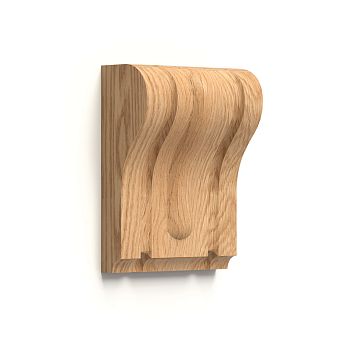
Our factory also produces:


1.2 Ecological and durability
One of the main advantages of materials for wooden staircases is their eco-friendliness. Natural wood is a renewable resource, free from harmful impurities, which is especially important for living spaces. With proper care and treatment, solid wood products can last for decades, retaining their beauty and functional properties even under intensive use.
Get Consultation
1.3 Cultural Heritage and Modern Trends
Wood has been used in construction and finishing since ancient times. Traditional craftsmanship methods, passed down from generation to generation, find expression in modern technologies that allow achieving high precision and aesthetic quality in products. Solid wood staircases, produced using modern methods, can combine elements of classic style and ultra-modern design, making them a universal choice for various interiors.
2. Main Components for Wooden Staircases
When designing and constructing wooden staircases, it is extremely important to pay attention to every detail. Each component of the structure affects the overall strength, safety, and appearance. Let us consider the main components necessary for creating an ideal staircase.
2.1 Staircase Posts
Posts for staircase are support elements that play a decisive role in ensuring the stability of the entire structure. They withstand primary mechanical loads, transferring them to the foundation, and determine the overall geometry of the staircase. High-quality solid wood posts have high strength, resistance to deformation, and excellent durability. When selecting posts, it is important to pay attention to the wood species, uniformity of texture, and absence of internal defects.
2.2 Staircase Balusters
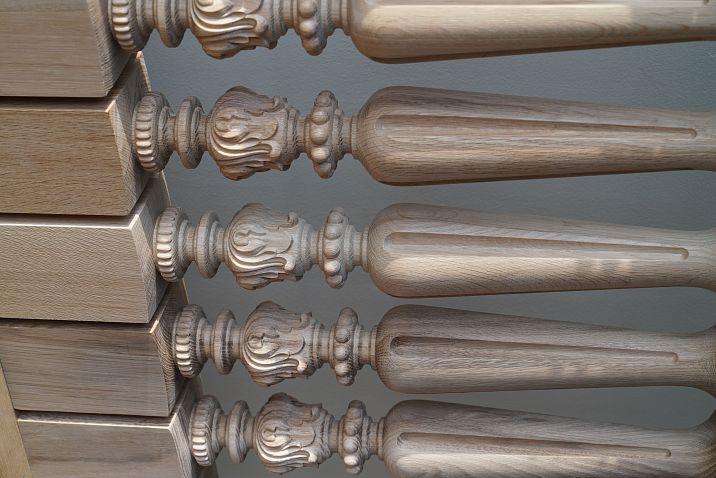
balusters for staircases perform both decorative and structural functions. They not only provide additional stability to the staircase, but also serve as a decorative element emphasizing the interior style. Modern solid wood balusters can have various shapes — from classic carved designs to minimalist contemporary interpretations. Their quality depends directly on the processing methods used in production.
2.3 Staircase Handrails
stair railings are an important element ensuring safety while moving along the staircase. They serve as support, allowing users to feel confident while ascending and descending. Handrails can be made in various styles and finishes — from classic to modern — enabling their integration into any interior. A high-quality handrail made of natural solid wood is not only practical but also gives the staircase a finished look.
2.4 Newel Posts
Newel posts are a decorative and functional solution for the top part of the staircase, serving as both a protective element and an interior accent. Newel posts are often used to finish landings, transitions, and other areas where a complete look is required. Solid wood products, produced using modern technologies, retain their original beauty, highlighting the interior’s individual style.
2.5 Components and Elements for Staircases
In addition to main elements, there is a wide range of other components necessary for assembling staircases. These may include fasteners, decorative caps, templates for carving, and more. All these details, combined into a single whole, form not only a strong structure but also an aesthetically complete object capable of transforming any interior. To ensure durability and quality, it is advisable to choose products from reputable manufacturers who guarantee high quality and longevity.buy materials for wooden staircasesTo ensure durability and quality, it is advisable to choose products from reputable manufacturers who guarantee high quality and longevity.
3. Technologies for Manufacturing Wooden Staircases
Modern production of solid wood products combines the best traditions of craftsmanship with advanced technologies. Below are the main stages and methods used in manufacturing wooden staircases.
3.1 Selection and Preparation of Raw Materials
The initial stage of production is the careful selection of timber. For creating staircases, species with high mechanical properties, resistance to deformation, and attractive texture are used. Quality control begins even at the logging stage, where timber is inspected for defects, knots, cracks, and other undesirable elements. Only after this does the timber proceed to the production workshop, where it undergoes primary processing and drying.
3.2 Modern Drying and Treatment Methods
One of the key problems when using wood is shrinkage and deformation of the material. Modern drying technologies allow for even moisture removal, preventing cracks and deformations in the finished product. The application of special thermal treatment and thermomodification methods significantly enhances the material's performance, making it resistant to moisture and biological agents.
3.3 Mechanized Processing and Digital Modeling
With the advent of Computer Numerical Control (CNC) systems, processing solid wood has reached a new level of precision. Laser cutting, milling, and digital modeling allow for creating complex geometric shapes, decorative patterns, and carved elements with minimal tolerances. These technologies ensure high-quality products, preserve the natural beauty of wood, and enable the realization of the most daring design concepts.
3.4 Final Processing and Finishing
The final stage of production includes finishing the products. Using high-quality varnishes, oils, and stains allows protecting the surface from external factors, highlighting the natural texture and tones of the wood, and giving the product a complete and presentable appearance. Final finishing not only extends the product's service life but also makes it more appealing to the end user.
3.5 Quality Control and Certification
Each stage of production is controlled using modern testing methods. Products undergo strict testing for strength, resistance to mechanical loads, moisture exposure, and other factors. The presence of certificates confirms compliance with high quality standards, which is an important factor when selecting materials for wooden staircases.
4. Advantages of Wooden Staircases and Their Components
4.1 Ecological and Natural Properties
Materials for wooden staircases are an eco-friendly solution that not only does not harm the environment but also contributes to creating a healthy microclimate in the room. Natural wood does not emit harmful substances, and with proper care, it can serve for decades, preserving its aesthetic and functional qualities.
4.2 Strength and Reliability
Products made from solid wood, manufactured using modern technologies, possess high strength and resistance to mechanical loads. Staircase components such as posts, balusters, and handrails ensure the reliability of the entire structure, preventing deformations and extending the product's service life.
4.3 Aesthetic Appeal
Natural wood always attracts with its unique texture, warm tones, and distinctive structure. Every detail of a solid wood staircase becomes a work of art capable of highlighting the interior's individuality. Decorative elements, created using modern technologies, form a harmonious blend of tradition and modernity.
4.4 Design Flexibility
One of the major advantages of natural material is its versatility. Wood is easily processed and can be used to create items in various styles—from classic to modern. Modern technologies allow realizing the most daring design ideas, and a wide range of components enables selecting the optimal solution for any interior.
4.5 Thermal and Acoustic Insulation Properties
Solid wood staircases have excellent thermal and acoustic insulation properties. These properties help create a comfortable microclimate in the home, reduce heating costs, and ensure quietness in the room. The natural structure of wood creates an "air gap" effect, further enhancing its functionality.
5. Application of Materials for Staircases in Interior Design
5.1 Residential Homes and Apartments
In private homes and apartments, a wooden staircase is a central interior element that combines practicality and decorative function. Solid wood products create an atmosphere of coziness and warmth, becoming a preferred choice for those who value natural materials and strive for eco-friendliness. When selecting materials for wooden staircases, it is recommended to pay attention to proven components, tobuy materials for wooden staircaseswhich will serve for many years.
5.2 Public Buildings and Commercial Facilities
In hotels, offices, restaurants, and shopping centers, wooden staircases not only perform their primary functions but also become part of the establishment's brand style. Strong and elegant solid wood structures attract guests' attention, highlight the brand's status and individuality. High-quality posts, balusters, handrails, and newels, created using modern technologies, form a harmonious and memorable appearance in any public space.
5.3 Exclusive Design Projects
In the exclusive design segment, solid wood products are used to create unique interior solutions. Artistic carving, inlay, and combining with other natural materials allow implementing individual projects reflecting the owner's taste and style. Such items become not only functional objects but also true works of art capable of transforming space and giving it a unique character.
5.4 Architectural Projects and Restoration
In restoration projects of historical buildings and modern architectural projects, wooden structures are often used to restore the original appearance of objects. Using natural solid wood allows preserving authenticity and adding cultural value to the object. At the same time, modern processing technologies guarantee the longevity and high quality of the products, which is an important aspect when preserving historical heritage.
6. Practical recommendations for selecting and purchasing materials
6.1 Criteria for selecting quality components
When selecting materials for a wooden staircase, it is important to pay attention to:
● Wood species. The quality and properties of the selected wood species determine the durability and appearance of the finished product. Oak, beech, ash, and larch are popular choices for manufacturing strong and aesthetically pleasing staircases.
● Processing technologies. Modern methods such as laser cutting, CNC machining, thermomodification, and application of protective coatings allow preserving the natural beauty of the material and significantly improving its operational characteristics.
● Certification and warranties. Check for quality certificates, warranty obligations, and positive customer reviews. Reliable manufacturers always provide complete information about their products.
6.2 How to properly organize the purchase
When purchasing materials for a wooden staircase, we recommend:
● Familiarize yourself with the product range on official manufacturer websites. For example, to purchase components, visit the pageStaircase Components and Elements.
● Select posts, balusters, handrails, and newel caps based on the specifics of your interior and architectural project.
● Consult with specialists to choose the optimal price-to-quality ratio and receive recommendations for caring for the items.
6.3 Care for solid wood items
To preserve the aesthetics and longevity of solid wood materials, it is important to follow care rules:
● Regularly wipe items with a soft cloth, using specialized wood care products.
● Periodically treat surfaces with protective compounds, oils, or varnishes to prevent exposure to moisture, ultraviolet rays, and microbes.
● Avoid direct exposure to extreme temperatures and sunlight, which may cause discoloration and deformation of the material.
7. Market prospects for wooden staircase materials
7.1 Innovative technologies and eco-friendly production
Current trends in woodworking are aimed at minimizing environmental impact and increasing production energy efficiency. The use of renewable resources, environmentally friendly processing methods, and cutting-edge technologies enables the creation of products capable of meeting even the most demanding consumer requirements. This makes wooden staircase materials attractive not only from a design perspective but also from a sustainable development standpoint.
7.2 Expanded product range and customized solutions
The emergence of new wood processing technologies opens up broad opportunities for manufacturers to expand their product range. Each staircase element can be custom-made according to the client’s preferences. Designers increasingly experiment with shapes, textures, and finishes, enabling the creation of exclusive projects that perfectly fit the concept of modern interiors.
7.3 Growing demand for natural materials
The modern market increasingly focuses on the eco-friendliness and naturalness of materials used. Consumers strive to create interiors where natural beauty and harmony with nature prevail. Wooden staircase materials made from high-quality solid wood meet these requirements, contributing to the creation of a healthy and cozy atmosphere in the home.
8. Conclusion
Wooden staircase materials are not just a structural element, but a philosophy that unites centuries-old craftsmanship traditions with innovative modern production technologies. Natural wood used to manufacture posts, balusters, handrails, and newel caps becomes the foundation for creating unique interior solutions that combine strength, eco-friendliness, and aesthetic appeal.
When selecting materials for a staircase, pay attention to the quality of raw materials, modern processing methods, and reliability of components. Modern technologies allow creating items capable of serving for decades, preserving their beauty and functional characteristics even under intensive use. If you wantbuy materials for wooden staircases, choose trusted manufacturers guaranteeing high quality and durability of their products.
Using solid wood in staircase construction not only highlights the interior’s aesthetics and style but also contributes to creating a healthy microclimate in the room. The eco-friendliness, strength, and unique decorative properties of solid wood items make them popular both in residential homes and public and commercial spaces.
Under constant technological development and increased attention to eco-friendly materials, solid wood items remain a top choice for those who value quality, individuality, and natural beauty. They not only perform their utilitarian function but also become true works of art capable of transforming any interior, adding warmth, coziness, and harmony.
Thus, if you plan to create a unique staircase that will serve you faithfully for many years, pay attention to high-quality solid wood materials and components. Visit pages of such categories asStaircase Components and Elements, Posts for staircase, balusters for staircases, stair railings и Newel postsInvesting in solid wood staircase materials means choosing quality, aesthetics, and eco-friendliness that will remain relevant for many years, passing down from generation to generation. Let your staircase become a symbol of harmony between tradition and innovation, reflecting the eternal beauty of nature and the high craftsmanship of modern production.
13.89 $ р.