Article Contents:
- Introduction
- 1. History and Evolution of Woodworking Materials
- 1.1 Roots of Traditions
- 1.2 Modern Processing Technologies
- 1.3 Impact of Digital Technologies
- 2.1 Structural Materials
- Wooden Beams
- Beams and Support Elements
- 2.2 Finishing Materials
- Wood Panels
- Wooden strips
- Wooden Molding
- Wooden cornices
- Wooden skirting boards
- Wooden Angles
- Modern processing methods
- Use of CNC Machines and Laser Cutting
- Ecological Technologies
- Interior solutions
- Wall Cladding
- Ceilings
- Furniture and Accessories
- Exterior Solutions
- Facades
- Verandas and Gazebos
- Landscape Design
- Processing Technologies and Personalization
- Ecological responsibility
- Blending Traditions and Modernity
- Criteria for Choosing Materials for Finishing Wooden Walls
- Tips for Maintaining Wooden Wall Finishes
- Installation Recommendations
- Innovative Processing Technologies
- Ecological sustainability
- Interior Individualization
- Classic Interior
- Modern minimalism
- Eco-Interior
- Industrial Style and Loft
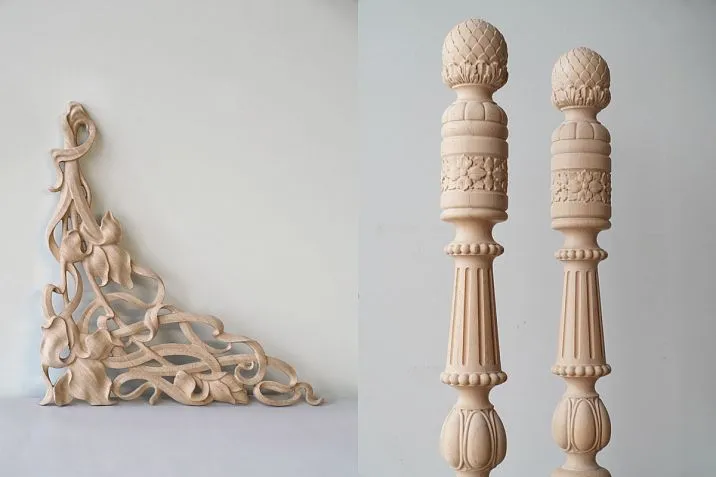
Natural wood has been the primary material for constructing buildings, furniture, and decorative elements for centuries. Modern woodworking combines centuries-old craftsmanship traditions with advanced processing technologies, enabling the creation of unique items with high strength, eco-friendliness, and aesthetic appeal. In this article, we will thoroughly examine woodworking materials, their classification, processing characteristics, and applications, as well as provide recommendations for selection and maintenance. Discover why high-quality woodworking materials become a guarantee of successful and long-lasting results in construction and design.


Introduction
Wood is a material that will never lose its relevance. Its natural texture, warm tones, and inherent strength make it indispensable for creating cozy, eco-friendly, and stylish interiors, as well as for constructing houses and buildings. Woodworking materials encompass a wide range of products: from structural elements such as beams and planks to finishing details — rails, baseboards, moldings, and cornices. Modern processing technologies allow achieving a high level of precision, making each item not only beautiful but also functional.
This article is intended for those who wish to delve deeper into the intricacies of working with natural wood, learn about the latest innovations in wood processing, and obtain practical advice on selecting and caring for materials. We will pay special attention to key elements, such aswoodworking materials, includingwooden plank, wooden rail wooden baseboard, wooden cornice andwooden moldingThis article consists of several sections covering all aspects of working with wood, from its selection to innovative processing methods and practical care recommendations.




1. History and evolution of woodworking materials
Our factory also produces:


1.1 Roots of traditions
The use of wood in construction and finishing dates back to more than one thousand years. Even in ancient times, craftsmen used natural wood to build homes, temples, and public buildings. Traditional wooden houses were renowned for their carved decorations, rich texture, and the natural charm of the material. Artisans passed down secrets of wood processing from generation to generation, creating items that not only served utilitarian purposes but were also works of art.
Get Consultation
1.2 Modern processing technologies
With the development of technology, the approach to working with wood has changed. Today, the use of CNC machines, laser cutting, and computer modeling allows achieving incredible precision in creating decorative elements. These innovative methods allow preserving the natural beauty of the material while improving its performance properties. Now items such aswooden molding, can have complex patterns and delicate details that were previously possible only by hand.
1.3 Influence of digital technologies
Digital technologies have significantly expanded the possibilities for personalizing items. Now it is possible to create unique design solutions tailored to the individual requirements of the client. Personalized elements such aswooden baseboard or wooden cornice, allow highlighting the individuality of the interior, creating an exclusive design, and realizing the boldest creative ideas.
2. Main categories of wooden materials
Woodworking materials can be conditionally divided into several main categories, each with its own characteristics and areas of application.
2.1 Structural materials
This category includes elements used to create load-bearing structures and frames.
Wooden planks
wooden plank — one of the main elements of structural work. Planks are used to create wall, floor, roof, and other structure frames. They ensure structural strength, even load distribution, and resistance to external influences. High-quality planks are characterized by uniform dimensions, minimal knots and cracks, and are treated with special compounds that protect them from moisture and insects.
Beams and support elements
Beams are large elements used to form load-bearing structures. They play an important role in load distribution, maintaining building stability, and creating its architectural appearance. Modern technologies allow manufacturing beams with high precision, ensuring their durability and reliability.
2.2 Finishing Materials
This category includes decorative and finishing elements used to create an aesthetically pleasing interior.
Wooden panels
Wooden panels are used for wall, ceiling, and furniture cladding. They can be made from solid wood or composite materials that mimic natural wood. Panels create a warm and cozy atmosphere, highlighting the natural beauty of the material.
Wooden strips
wooden rail – a thin decorative element used to create inserts, panels, and accent zones. Strips add structure to interiors, provide depth, and emphasize wood grain texture. Thanks to modern processing methods, strips have a flawless smoothness and can be used in various design solutions – from classic to ultra-modern.
Wooden moldings
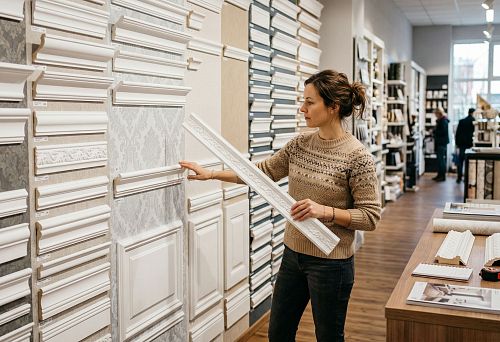
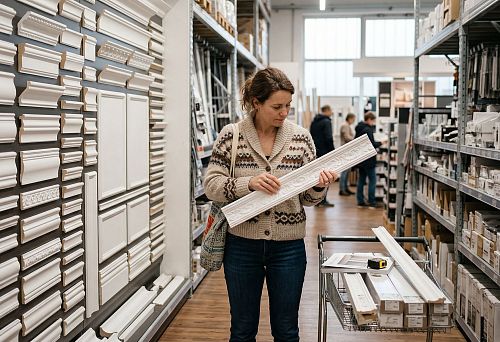
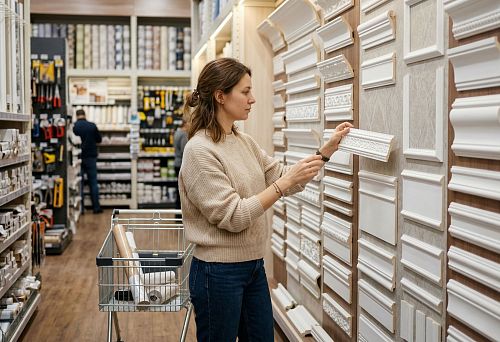
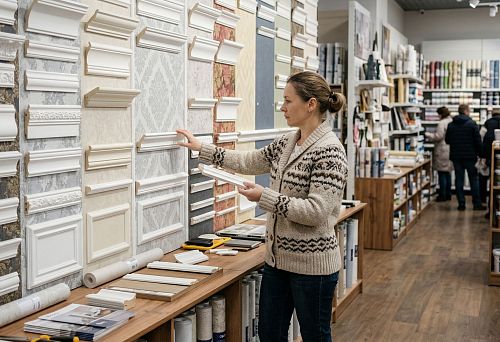
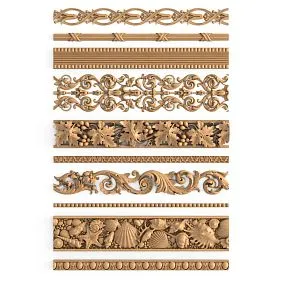
wooden molding – a decorative element used to finish junctions between walls, ceilings, and furniture. Moldings can be crafted in various styles: from traditional carved to modern smooth lines. They add elegance and completeness to interiors, creating smooth transitions between different surfaces.
Wooden cornices
A wooden cornice is a decorative element used to finish windows and doors. Cornices conceal technical seams, create a unified space between ceiling and walls, and serve as a base for attaching textile elements such as valances or curtains. They play an important role in visually expanding space and adding completeness to it.
Wooden skirting boards
A wooden skirting board is a classic decorative element used to conceal junctions between walls and floors. Skirting boards protect the lower part of walls from damage, dust, and dirt, giving interiors a neat and finished look. They can be made in various styles, allowing you to choose the optimal solution for any design.
Wooden corners
Wooden corner – an element used to reinforce connections between decorative elements. Corners prevent gaps, ensuring structural strength and neatness. They can be made in minimalist styles or as decorative elements with carving, highlighting the individuality of the interior.
3. Wood processing technologies
Modern processing methods
Wood processing technologies are constantly improving, enabling the creation of items with perfect precision while preserving the natural beauty of the material. Main processing methods include:
● Sanding and polishing: Multi-stage sanding ensures surface uniformity, while subsequent polishing highlights the natural sheen of wood. These processes are especially important for decorative elements such as strips, moldings, and skirting boards.
● Carving and inlay: Traditional wood carving methods are now combined with modern laser cutting technologies, enabling the creation of complex decorative patterns. Hand-carved elements impart a unique charm and reflect the craftsmanship of artisans.
● Protective coatings: Ecological lacquers, oils, waxes, and water-based paints are used to ensure the longevity of items. These coatings protect wood from moisture, UV rays, and mechanical damage, preserving its natural texture and color saturation.
Use of CNC machines and laser cutting
Modern CNC machines allow high precision in cutting and milling wood. Laser cutting enables the creation of detailed decorative elements that can be used to manufacture moldings, cornices, and strips. These technologies open up vast possibilities for designers, allowing them to bring even the boldest ideas to life.
Ecological technologies
According to modern eco-trends, environmentally friendly compositions are used for wood processing. They contain no harmful substances, making the products safe for health and the environment. Using such technologies allows creating durable and weather-resistant items, which is especially important for construction and finishing work.
4. Application of wooden decorative materials in construction and design
Interior solutions
Natural wood is used to finish various interior elements, creating a warm and cozy atmosphere in the home.
Wall cladding
Using wooden panels and decorative strips allows creating a unified covering that gives the room individuality. Application ofmaterials for finishing wooden walls allows achieving an aesthetic and functional effect, making walls lively and natural.
Ceilings
Wooden ceilings create a sense of spaciousness and coziness. They can be made as solid panels or using decorative elements such as ceiling skirting, moldings, and cornices. This allows creating complex compositional solutions that highlight the architectural features of the room.
Furniture and accessories
Natural wood is the primary material for furniture manufacturing. Wooden tables, chairs, wardrobes, and chests not only boast high quality but also unique design. Decorative elements such aswooden plankwooden strip and wooden skirting, help create a harmonious finish, emphasizing the natural texture of the material.
Exterior Solutions
Natural wood is widely used in facade and exterior structure design. Cladding facades with wooden panels creates a warm, natural appearance of the building that harmoniously blends with the surrounding nature.
Facades
Wooden panels for facade cladding allow creating a unique design that highlights the building's individuality. They protect the structure from adverse weather conditions and give the house an eco-friendly and natural look.
Verandas and Gazebos
Wooden finishing elements are used to create verandas, gazebos, and decorative fences. Such structures are not only functional but also possess high aesthetic potential, making the house's exterior complete and harmonious.
Landscape Design
Wooden materials are used in landscape design to create decorative elements such as fences, benches, and pergolas. This helps integrate the building into the surrounding nature, creating an elegant and harmonious outdoor space.
5. Modern Trends and Innovations
Processing Technologies and Personalization
Modern wood processing technologies allow creating items with a high degree of personalization. Using CNC machines and laser cutting opens the possibility of manufacturing unique decorative elements tailored to individual client requirements. Personalized moldings, cornices, strips, and skirting allow creating interiors reflecting the owner's style and taste.
Ecological Responsibility
The modern trend toward eco-friendliness requires using materials that do not harm the environment. Natural wood is a renewable resource, and eco-friendly processing and finishing methods make it safe for health. Eco-design has become an integral part of modern construction, contributing to creating interiors that are not only beautiful but also functional from an ecological standpoint.
Combining Tradition and Modernity
Modern wooden finishing materials combine centuries-old craftsmanship traditions with modern technologies. Traditional carving and inlay techniques combine with digital modeling, allowing to create unique items that retain their authenticity and meet modern design requirements. This combination of tradition and innovation allows achieving maximum aesthetic expressiveness and longevity of the items.
6. Practical Recommendations for Selection and Purchase
Criteria for Selecting Materials for Finishing Wooden Walls
When selecting materials for finishing wooden walls, the following factors should be considered:
● Raw Material Quality: Natural wood should be free of defects, have a uniform texture, and stable dimensions. High-quality raw material is the guarantee of the product's durability and aesthetic appeal.
● Processing Methods: Prefer materials that have undergone multi-stage sanding, polishing, and protective coating. This ensures ideal smoothness and preservation of the natural wood tones.
● Style and Design: Materials should harmoniously fit into the overall interior concept. Choose items that match the style of your home—whether classic, modern, or eco-design.
● Supplier Reliability: Contact proven suppliers who guarantee high product quality. Reliable companies such asStavros, offer a wide range of finishing materials, allowing you to select the optimal price-to-quality ratio.
Care Tips for Wooden Wall Finishes
To preserve the original beauty and longevity of wooden finishing materials, proper care is essential:
● Regular Cleaning: Wipe surfaces with a soft cloth to remove dust and dirt. Avoid using aggressive cleaning agents that may damage the protective coating.
● Periodic Treatment with Protective Compounds: Regular renewal of varnish, oil, or wax will help maintain color saturation and protect the wood from moisture and ultraviolet rays.
● Preventive Inspection: Regularly inspect the condition of finishing elements for cracks, scratches, and other damage. Timely repairs help prevent more serious defects and extend the lifespan of the items.
Installation Recommendations
Quality installation of finishing materials is crucial for their longevity:
● Surface Preparation: Ensure walls are smooth, clean, and ready to accept the finishing material. This may require preliminary sanding or leveling.
● Use of Quality Fasteners: Secure attachment of elements such aswooden rail orwooden molding, ensures structural stability and prevents displacement of items.
● Final Finishing: After installing materials, be sure to perform final finishing with protective compounds to ensure ideal smoothness and long-lasting durability.
7. Future Development of Wooden Finishing Materials
Innovative Processing Technologies
Each year, wood processing technologies become more advanced. The use of CNC machines, laser cutting, and digital modeling opens new possibilities for creating high-precision decorative elements. This enables the production of items with unique patterns, perfectly smooth surfaces, and complex decorative features, which is especially relevant for wooden wall finishes.
Ecological Sustainability
Modern trends in construction and design focus on using eco-friendly materials. Natural wood, as a renewable resource, is a key element in this process. Eco-friendly finishing materials, processed using certified compounds, contribute to creating a healthy and safe interior, as well as help reduce environmental impact.
Interior Individualization
Interior personalization is becoming increasingly popular. Natural wood is easy to work with and allows for individual design solutions. The ability to choose species, color, texture, and decorative elements enables owners to create a unique space that reflects their personal style and taste. Digital modeling technologies allow for the realization of the boldest design ideas, making each project exclusive.
8. Examples of successful projects
Classic interior
In classic interiors, finishing wooden walls using natural panels, moldings, cornices, and skirting boards creates an atmosphere of refinement and nobility. Carved patterns, rich wood texture, and warm tones make the interior harmonious and elegant. Such projects often use high-qualitymaterials for finishing wooden walls, which allows creating a unique space filled with traditions and historical heritage.
Modern minimalism
Modern interiors oriented towards minimalism value simplicity, clean lines, and functionality. In such rooms, wooden finishing materials are used in the form of smooth panels and minimalist decorative elements that highlight the natural wood texture. Elements such aswooden rail andWooden cornercreate clear lines and structure the space, giving the interior a modern and stylish look.
Eco-interior
Eco-interiors are built on the principles of using natural materials and minimizing synthetic elements. Finishing wooden walls with natural panels, battens, moldings, and skirting boards allows creating an interior that harmoniously blends with nature. Eco-friendly coatings used in such projects preserve the natural beauty of wood and contribute to creating a healthy microclimate in the room. This approach allows achieving a high level of ecological safety and aesthetic expressiveness.
Industrial style and loft
In interiors in the loft and industrial style, wooden finishing materials are used to create contrast with cold materials such as concrete and metal. Natural wood adds warmth and organic feel, softening the strict lines of industrial design. Elements such aswooden cornice and wooden skirting, help create visual balance, making the interior modern yet cozy and functional.
9. Conclusion
Materials for finishing wooden walls play a key role in creating an interior filled with natural beauty, warmth, and ecological purity. Natural wood is a material that combines centuries-old craftsmanship traditions with modern innovative technologies. Using high-quality products such aswooden molding, wooden cornice, wooden skirting, wooden batten, wooden beam, and wooden angle, allows creating a unique, durable, and stylish space. When choosing materials, it is important to pay attention to the quality of raw materials, processing technologies, and compatibility with interior design.
Modern wood processing technologies allow achieving high precision and durability of products while preserving their natural beauty. Eco-friendly coatings and innovative processing methods contribute to creating a healthy and comfortable environment, which is especially important for residential and commercial spaces.
Purchasing high-quality materials for finishing wooden walls is an investment in the future of your home. Reliable suppliers such asmaterials for finishing wooden walls, offer a wide range of products that will meet even the most demanding requirements for quality and design. Choose natural wood, trust innovative technologies, and create an interior filled with warmth, coziness, and natural harmony.