Article Contents:
- 1. Historical Overview and Significance of Wood in Construction
- 1.1. Traditional Use of Wood
- 1.2. Role of Wood in Cultural and Ecological Context
- 2.1. Laminated and Glued Lumber
- 2.2. Wood-Polymer Composites
- 2.3. Thermomodification of Wood
- 2.4. Use of Nanotechnology
- 3.1. Ecological and Natural Properties
- 3.2. Aesthetic Appeal and Uniqueness
- 3.3. High Strength and Durability
- 3.4. Thermal and Sound Insulation Properties
- 3.5. Ease of Installation and Possibility of Modular Construction
- 4.1. Physical and Mechanical Properties
- 4.2. Aesthetic and Decorative Properties
- 4.3. Energy Efficiency and Sound Insulation
- 5.1. Laser Cutting and Digital Modeling
- 5.2. Thermal Treatment and Thermomodification
- 5.3. Chemical Protection and Application of Protective Coatings
- 5.4. Nanotechnology Coatings
- 6.1. Foundation Preparation and Insulation
- 6.2. Assembly and Fastening Technology of Elements
- 6.3. Final Finishing and Decorative Treatment
- 7.1. Advantages of wooden walls
- 7.2. Disadvantages and limitations
- 7.3. Modern solutions to overcome disadvantages
- 8.1. Economic justification
- 8.2. Ecological responsibility and sustainable development
- 9.1. Modern trends in interior design
- 9.2. Architectural solutions and innovative projects
- 9.3. Impact on indoor microclimate and atmosphere
- 10.1. New materials and technologies
- 10.2. Role of digital technologies and automation
- 10.3. Ecological responsibility and legislation
- 11.1. Criteria for material selection
- 11.2. Recommendations for installation and operation
- 11.3. Maintenance and care
Wood has always occupied a special place in the history of construction. Today, it once again becomes a sought-after material capable not only of ensuring the strength and durability of walls but also of creating a unique atmosphere of coziness and warmth. Wood as a wall material is the result of synthesizing ancient traditions and modern technologies, allowing to overcome the natural shortcomings of raw material and fully utilize its advantages. In this article, we will thoroughly examine the features of wooden walls, modern methods of their manufacturing and installation, as well as advantages, disadvantages, and prospects for using wood as the primary material for cladding and creating wall structures.


1. Historical overview and significance of wood in construction




1.1. Traditional use of wood
Since ancient times, wood has served as one of the main construction materials. In traditional wooden houses, churches, and public buildings, wood was used not only as a load-bearing element but also as a decorative material. The architectural heritage of many countries testifies to the fact that ancient masters knew how to work with wood so that it retained its beauty and functionality for centuries.
Our factory also produces:


1.2. Role of wood in cultural and ecological context
In addition to practical qualities, wood possesses distinct aesthetic value. Its natural texture, warm tones, and ability to 'breathe' make wooden walls especially attractive in interior design. Moreover, the use of wood aligns with principles of ecological sustainability, as wood is a renewable resource. In today's world, where environmental care is becoming a priority, wood as a wall material gains additional significance.
Get Consultation
2. Modern technologies for producing wooden walls
2.1. Laminated and glued timber
One of the most popular technologies is the use of glued timber. This material is created by bonding several layers of wood under high pressure using special adhesive compositions. Laminated wood material is characterized by uniformity, absence of internal defects, and high strength, making it ideal for creating load-bearing structures and wall cladding.
2.2. Wood-polymer composites
Innovative research has led to the development of wood-polymer composites, where natural wood fibers are combined with polymer matrices. This material has improved operational characteristics: increased resistance to moisture, ultraviolet radiation, and biological pests. Composites allow creating durable and aesthetically pleasing walls that are easy to install and maintain.
2.3. Thermomodification of wood
Thermally modified wood is a product of processing natural material at high temperatures (typically from 160 to 240 °C) under limited oxygen access. This process alters the chemical structure of wood, reducing its moisture absorption and increasing resistance to fungal, insect, and other biological agents. Thermally modified wood is widely used for cladding and decorative elements, as well as for load-bearing structures.
2.4. Use of nanotechnology
Recent advances in nanotechnology allow for significant improvement of wood properties. Adding nanoparticles such as titanium dioxide or silica creates coatings that enhance mechanical strength, scratch resistance, and resistance to atmospheric precipitation. Such technologies enable the creation of wood-based wall materials that retain the aesthetic appeal of natural raw material while simultaneously offering functional advantages of modern composites.
3. Advantages of Using Wood for Walls
3.1. Ecological and Natural Properties
Wood is an ecologically clean material, free of harmful substances, which is especially important for residential spaces. Unlike synthetic alternatives, wooden walls contribute to a healthy microclimate: they "breathe," regulate air humidity, and create comfortable living conditions. Moreover, using a renewable resource helps reduce negative environmental impact.
3.2. Aesthetic Appeal and Uniqueness
Each wooden panel has a unique texture and tone, allowing for individual interior design. Natural wood can bring warmth, coziness, and the atmosphere of a home hearth to any space. Various treatments—from varnishing to deep thermal modification—allow highlighting the natural beauty of wood and adapting its appearance to a specific style.
3.3. High Strength and Durability
When properly processed and protected, wood becomes a material capable of withstanding significant mechanical loads. Laminated timber, glued materials, and thermally modified wood demonstrate high dimensional stability, resistance to deformation, and wear resistance. Such walls can serve for decades, maintaining their performance even under intensive use.
3.4. Thermal and Sound Insulation Properties
Wooden walls have high thermal insulation properties, significantly reducing heating costs. The natural structure of wood creates an "air gap" effect, contributing to effective room insulation. Additionally, wood is an excellent sound insulator, reducing noise levels both from outside and between different rooms within a building.
3.5. Ease of Installation and Possibility of Modular Construction
Modern technologies allow creating wooden panels and blocks that are easy to install and dismantle, which is especially important during renovation or building modernization. Modular wooden structures provide rapid assembly and scalability, making them attractive for fast-track construction and temporary structures.
4. Technical Characteristics and Features of Wood Wall Materials
4.1. Physical and Mechanical Properties
For successful application of wood in wall construction, the following key characteristics must be considered:
● Density and hardness. The density of the material directly affects its strength characteristics and ability to withstand loads.
● Degree of shrinkage and deformation. Proper drying and thermal treatment reduce the likelihood of material shrinkage after installation, which is crucial for maintaining wall geometry.
● Resistance to moisture and biological agents. Surface treatment and application of special compounds protect wood from rot, mold, and insects.
4.2. Aesthetic and Decorative Properties
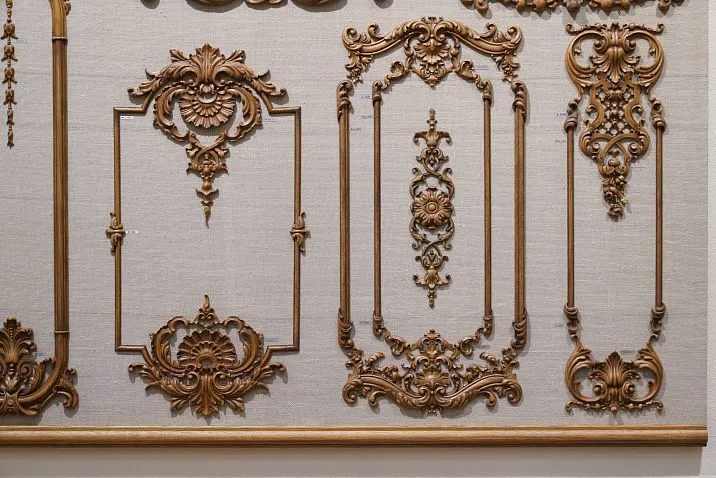
Wood wall materials can vary in color, texture, and finish. Natural wood can be used in its untreated form or after varnishing, staining, or applying protective coatings. Various decorative technologies allow creating relief surfaces, inlays, and other artistic elements, offering wide design possibilities.
4.3. Energy Efficiency and Sound Insulation
As previously mentioned, wooden walls have high thermal and sound insulation properties. These characteristics are especially important for residential buildings, where comfort and energy efficiency play a key role. Special constructions and installation technologies allow enhancing these qualities, ensuring optimal indoor microclimate.
5. Modern Wood Treatment and Protection Methods
5.1. Laser Cutting and Digital Modeling
Modern laser cutting technologies allow creating perfectly flat and precise elements for wooden walls. Digital modeling systems help design complex structures, ensuring maximum accuracy during manufacturing and installation. These methods contribute to minimizing waste and improving overall production efficiency.
5.2. Thermal Treatment and Thermal Modification
As previously mentioned, thermal treatment of wood significantly improves its performance characteristics. Thermally modified wood becomes more resistant to moisture and biological pests, which is especially important for exterior walls and structures exposed to temperature fluctuations and climatic conditions.
5.3. Chemical Protection and Application of Protective Coatings
Special chemical compositions and varnishes are used to protect wooden surfaces from adverse factors. Applying protective coatings not only enhances the material's strength but also highlights its aesthetic properties. Modern compositions have high ecological safety and can ensure the longevity of wooden walls for decades.
5.4. Nanotechnology Coatings
Innovative nanotechnology solutions enable the creation of self-cleaning and antimicrobial surfaces. Such coatings can protect wood from contamination, ultraviolet radiation, and microbial exposure, extending the material's service life and reducing maintenance costs.
6. Installation of Wooden Walls
6.1. Foundation Preparation and Insulation
When constructing wooden walls, attention should be paid to foundation preparation. The optimal combination of wood with insulating materials allows creating a structure with high energy efficiency. Before installation, the foundation must be properly treated, and vapor- and waterproofing layers must be installed to prevent moisture penetration and ensure the structure's longevity.
6.2. Assembly and Fastening Technology
Modern methods of installing wooden walls involve using modular elements assembled with special fastening systems. Using high-quality connections ensures even load distribution and prevents material deformation over time. The installation technology minimizes the risk of errors and significantly reduces construction time.
6.3. Final Finishing and Decorative Treatment
After installing a wooden wall, the finishing stage occurs, which plays a key role in creating an aesthetically pleasing and functional interior. Depending on the chosen style and purpose of the room, wooden surfaces may be coated with varnish, stain, paint, or decorative elements. Final treatment protects the material from mechanical damage and environmental influences, highlighting its natural beauty and uniqueness.
7. Comparison with Alternative Wall Materials
7.1. Advantages of Wooden Walls
Unlike traditional materials such as brick or concrete, wooden walls have several unique advantages:
● Ecological safety. Natural wood does not contain harmful chemicals, contributing to a healthy microclimate.
● Aesthetics. Wood gives rooms warmth and coziness, possessing a unique texture and natural beauty.
● Ease of installation. Modular constructions and modern technologies allow for quick and high-quality wall assembly.
● Energy efficiency. Excellent thermal and acoustic insulation properties help reduce heating costs and create comfortable indoor conditions.
7.2. Disadvantages and Limitations
Despite obvious advantages, the use of wood has its limitations:
● Sensitivity to moisture. Without proper treatment and protection, wood may rot, especially in high-humidity conditions.
● Need for regular maintenance. To preserve aesthetic and functional characteristics, wooden walls require periodic treatment with protective compositions.
● Fire resistance limitations. Compared to non-combustible materials, wood requires additional fire safety measures.
7.3. Modern Solutions to Overcome Limitations
Thanks to modern technologies such as thermomodification, nanocoatings, and comprehensive chemical treatment, most wood disadvantages have been significantly reduced. These measures allow significantly extending the service life of wooden walls and ensuring their safety under various operating conditions.
8. Economic and Ecological Efficiency
8.1. Economic Justification
Using wooden walls can be a profitable investment. Although the cost of high-quality material and technological processing may be higher, long-term durability and low operating costs offset initial expenses. Additionally, reduced heating costs due to wood's excellent thermal insulation properties further enhance the economic efficiency of such structures.
8.2. Ecological Responsibility and Sustainable Development
In the context of global ecological challenges, using renewable resources has become a key aspect of sustainable construction. Wood, as a natural material, contributes to reducing the carbon footprint, as trees absorb carbon dioxide during growth. Applying environmentally friendly technologies for processing and installing wooden walls meets modern standards for energy efficiency and environmental protection.
9. Design and Architectural Possibilities
Wooden walls allow implementing the most daring design ideas. From classic style to minimalism, from rustic to high-tech — the possibilities of using wood are virtually limitless. The natural texture of wood creates a unique blend of tradition and modernity, which is especially valued in premium interiors.
Architects increasingly resort to using wooden walls as a primary structural element. This allows creating not only aesthetically pleasing but also functional constructions. Examples of modern architectural projects demonstrate how the application of wood can transform a building's appearance, adding warmth, uniqueness, and ecological appeal.
9.2. Architectural Solutions and Innovative Projects
9.3. Influence on Microclimate and Atmosphere of Rooms
9.3. Influence on Microclimate and Atmosphere of Rooms
In addition to aesthetic aspects, wooden walls significantly affect the microclimate in rooms. Natural wood can regulate humidity levels and improve acoustics, creating a favorable atmosphere for living and working. These advantages are especially valuable in residential homes, schools, offices, and public buildings.
10. Prospects for Development and Future Innovations
10.1. New Materials and Technologies
At the intersection of traditional technologies and modern scientific research, new types of materials for wooden walls continue to be developed. Combining natural fibers with synthetic polymers, using nanotechnology and digital modeling opens up new opportunities for creating materials that combine the best qualities of natural raw materials with high performance characteristics.
10.2. Role of Digital Technologies and Automation
The future of wooden construction is linked to further automation of production and installation processes. Using systems of artificial intelligence, robotic lines, and digital design will increase the precision of element manufacturing, reduce production costs, and ensure high-quality end products. These innovative solutions will make the process of erecting wooden walls even more efficient and accessible.
10.3. Environmental Responsibility and Legislation
Strengthening environmental standards and requirements for energy efficiency will stimulate the development of technologies aimed at creating durable, safe, and environmentally clean materials. Government support for sustainable development projects and the use of renewable resources will become key drivers for further development of wooden construction.
11. Practical Tips for Choosing and Maintaining Wooden Walls
11.1. Criteria for Material Selection
When selecting wood for walls, the following aspects should be considered:
● Wood species. Different species have their own characteristics: oak is known for high strength, pine for ease of processing, and larch for moisture resistance.
● Treatment method. Pay attention to thermal modification, laminating, and application of protective coatings — this directly affects the material's durability and resistance.
● Environmental certifications. The presence of quality and environmental safety certificates guarantees the absence of harmful impurities and compliance with modern standards.
● Cost and warranty obligations. Compare prices, delivery terms, and warranty services from different suppliers.
11.2. Recommendations for Installation and Operation
To ensure the longevity of wooden walls, the following recommendations should be followed:
● Thoroughly prepare the foundation, ensuring quality waterproofing and vapor barriers.
● Use only proven fastening materials and follow technological instructions during installation.
● Regularly conduct technical inspections, renew protective coatings, and address minor damages.
● Conduct restoration work as needed to preserve the aesthetic and functional appearance of the walls.
11.3. Maintenance and Care
Care for wooden walls includes:
● Regular cleaning with special non-aggressive chemical-free cleaners.
● Periodic treatment with protective compounds to prevent exposure to moisture, ultraviolet rays, and microbes.
Monitoring of fasteners and mounting elements to prevent deformations.
Conclusion
Wooden wall material is a modern solution capable of combining traditional values with the latest technologies. Wood, possessing unique aesthetic and functional characteristics, becomes the basis for creating warm, eco-friendly, and durable structures. The application of modern processing methods, such as lamination, thermomodification, and nanotechnology coatings, significantly expands the scope of wood applications, transforming it into a high-tech and competitive material.
The advantages of wooden walls are obvious: they not only ensure comfort and aesthetics but also contribute to energy efficiency, sound insulation, and the creation of a healthy microclimate in rooms. Modern technologies allow solving problems traditionally associated with wood, such as shrinkage, moisture impact, and biological agents, making wooden wall material a reliable and functional choice for contemporary architectural projects.
The future of wooden construction is linked to further automation, digital modeling, and eco-friendly technologies. New materials combining the natural properties of wood with innovative composites open up boundless opportunities for architects and builders to realize creative and functional projects. In the context of global ecological challenges and rapid technological progress, wooden walls will become an essential part of sustainable development and modern design.
Choosing wooden wall material means investing in quality, durability, and ecological safety. Proper selection, skilled installation, and regular maintenance allow you to create unique spaces where nature and technology work in harmony, ensuring comfort and aesthetic appeal for many years to come.
Modern wooden walls are not merely a tribute to tradition but a living example of how ancient materials can successfully integrate into high-tech modern construction solutions. They symbolize sustainability, warmth, and natural beauty, capable of transforming any space and creating conditions for a healthy, comfortable, and aesthetically perfect life.