Article Contents:
- 1. Importance of choosing the right material for facades
- 2. Main groups of materials for facades
- 3. Solid wood: classic and status
- 3.1. Brief characteristics
- 3.2. Advantages
- 3.3. Disadvantages
- 3.4. Conclusion
- 4.1. Brief characteristics
- 4.2. Advantages
- 4.3. Disadvantages
- 4.4. Conclusion
- 5.1. Brief characteristics
- 5.2. Advantages
- 5.3. Disadvantages
- 5.4. Conclusion
- 6.1. Brief characteristics
- 6.2. Advantages
- 6.3. Disadvantages
- 6.4. Conclusion
- 7.1. Brief characteristics
- 7.2. Advantages
- 7.3. Disadvantages
- 7.4. Conclusion
- 8.1. Brief Description
- 8.2. Advantages
- 8.3. Disadvantages
- 8.4. Conclusion
- 9.1. What It Is
- 9.2. Advantages
- 9.3. Disadvantages
- 9.4. Conclusion
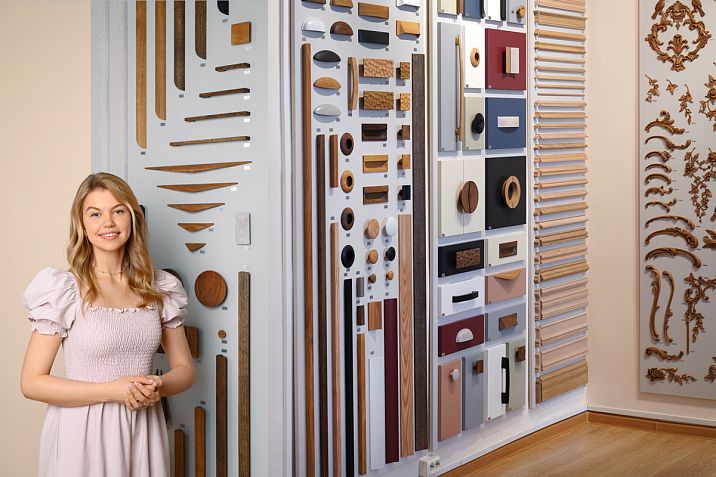
A cabinet front is essentially the "face" of a kitchen, cabinet, living room, or any other storage system. It is the front that defines the overall style of the item, its visual impact, and often its ease of use. Today, the market offers numerous options: from traditional solid wood to modern acrylic and plastic finishes, allowing virtually any design to be realized. But which material is best for cabinet fronts? Considering factors such as budget, aesthetics, durability, and ease of maintenance, you can make an informed decision.
In this article, which reaches approximately 2000 words, we will thoroughly examine the main materials for cabinet fronts, their pros and cons, areas of application, and provide practical tips to help you choose the optimal solution for your kitchen, hallway, living room, or office.


1. Importance of Choosing the Right Material for Fronts
- Visual Dominance
The front is the most noticeable part of furniture. Even if the body is made of a simple material, an expressive front can "make" the interior. - Functionality and Convenience
Fronts are subjected to constant stress when opening and closing doors. It is important that the material withstands these loads, does not get damaged by moisture, temperature fluctuations, or ultraviolet exposure. - Service Life
The quality of the material directly affects its durability. This is especially true for kitchens, where fronts are exposed to harsh conditions (steam, water splashes, grease, heat from stoves). - Maintenance and Cleanliness
Some finishes can be easily wiped clean with a damp cloth without leaving streaks, others require delicate polishing, and some may quickly absorb stains, which is inconvenient in daily life. - Style and Atmosphere
Natural wood provides warmth, veneer gives a "luxurious" look at lower costs, while glossy acrylic or enamel looks modern and visually expands space.
Thus, the material of the front not only determines aesthetics but also the comfort of daily use, meaning that an error in selection can significantly affect the overall impression of the furniture.




2. Main groups of facade materials
- Solid wood
- Veneered facades (veneer + base from panel)
- Film facades (MDF under PVC)
- Plastic facades (HPL/CPL)
- Acrylic facades
- Enamel / paint (on MDF)
- Laminated facades (laminate finish on particleboard)
- Metal and glass (less common, but popular in designer solutions)
Each category has its own strengths and weaknesses, as well as a price range.
Our factory also produces:


3. Solid wood: classic and status
Get Consultation
3.1. Brief description
Facades are entirely made of solid wood (oak, beech, ash, birch, pine, etc.). Such furniture is considered a sign of "premium class," especially when referring to valuable species.
3.2. Advantages
- Authenticity and "warm" texture
The natural beauty of wood grain adds warmth and elegance to the interior. - High durability
Hardwood species (oak, beech) withstand heavy loads. Facades are not easily scratched or damaged. - Durability and restoration
In case of scratches, solid wood can be sanded and re-coated with varnish or oil.
3.3. Disadvantages
- Price
Solid wood items are significantly more expensive than other options. - Sensitivity to moisture and temperature fluctuations
Under improper microclimate (high humidity, excessive dryness), solid wood may crack, warp, or swell. - Heavy weight
Large solid wood facades can be bulky, making installation more difficult and hinges subject to increased stress.
3.4. Conclusion
Solid wood is the choice of those who appreciate tradition, classic, country, Provence, chalet styles. If you are willing to provide proper operating conditions and allocate a substantial budget, you will achieve luxurious facade appearance and longevity.
4. Veneered facades: balance of beauty and economy
4.1. Brief description
Veneer is a thin slice of natural wood (0.3–0.6 mm) glued onto a panel base (usually MDF, rarely particleboard). Then the facade is coated with varnish or oil for protection and aesthetics.
4.2. Pros
- Natural exterior appearance
Real wood texture is visible at a lower cost than solid wood. - Variety of species
You can choose oak, beech, walnut, exotic (zebrano, padauk), etc. - Less prone to 'breathing'
The base (MDF) is more dimensionally stable than solid wood.
4.3. Disadvantages
- Thin layer
It may chip upon impact, exposing the base. - Restoration difficulty
It is difficult to replace damaged veneer sections. - Price
More expensive than simple film options, but cheaper than solid wood.
4.4. Conclusion
Veneer is ideal for classic and neoclassical interiors, high-end office furniture. It combines the 'live' look of wood with the stability of a panel base.
5. Film facades (MDF + PVC): cost-effective solution
5.1. Brief characteristics
A PVC film is vacuum-pressed onto a routed MDF blank, replicating the facade's shape and protecting against moisture.
5.2. Advantages
- Wide range of finishes
Wood, stone, solid color, glossy and matte textures. - Relatively low price
Cheaper than enamel and veneered facades, while still allowing for complex routing. - Moisture Resistance
With proper lamination (no peeling), it withstands humid cleaning and kitchen conditions well.
5.3. Disadvantages
- Sensitivity to high temperatures
Near ovens or cooktops, the film may start to peel off. - Limited 'luxury' appearance
Despite imitations, PVC film near natural wood or quality veneer does not look as noble. - Risk of swelling if the technology is compromised
Poor vacuum pressing or incorrect adhesive may result in 'bubbles'.
5.4. Conclusion
Film facades are one of the most popular options in the mid-price segment. They are ideal for kitchens in the "classic" style (carved) with a limited budget, but thermal zones and manufacturing quality must be considered.
6. Plastic facades (HPL, CPL): practicality and functionality
6.1. Brief characteristics
A plastic (HPL — High Pressure Laminate or CPL — Continuous Pressure Laminate) is applied to a panel base (MDF / particleboard), which gives the facade increased wear resistance, water resistance, and heat resistance.
6.2. Advantages
- High strength and durability
Not afraid of moisture, temperature fluctuations, mechanical damage. Often used on kitchen countertops. - Variety of finishes
Imitates wood, stone, metallic, solid glossy or matte surfaces. - Hygiene and easy care
Closed surface repels dirt, easily wiped with a damp cloth.
6.3. Disadvantages
- Price
HPL may be more expensive than MDF / PVC film. - Processing complexity
Post-forming (bending plastic at the edge) requires special equipment and skills. - Countertops with end joints require a high-quality adhesive seam, otherwise moisture will penetrate inside.
6.4. Conclusion
Plastic facades are ideal for kitchens and bathrooms where resistance to aggressive environments and high loads is important, while maintaining a modern appearance.
7. Acrylic facades: gloss and elegance
7.1. Brief characteristics
Acrylic — a special film or panel that is glued to MDF, creating a deep gloss or, conversely, supermat finish. Considered a more "solid" option compared to PVC film.
7.2. Pros
- Bright gloss (for glossy facades) creates a visual "mirror-like" effect, expanding the space.
- Easy to clean
The surface is non-porous; most stains can be washed off with water or a mild cleaning agent. - Current modern look
Looks great in minimalism, high-tech.
7.3. Cons
- Fingerprints and microcracks
Fingerprints are visible on the glossy surface; micro-scratches may occur, which are not always removable. - Cost
Acrylic facades are more expensive than film facades and comparable to HPL plastic. - Limitations in milling
Flat facades without complex relief are more commonly made.
7.4. Conclusion
Acrylic is an excellent choice for modern kitchens and living rooms with a focus on gloss or matte 'depth'. With careful handling, it retains its 'newness' and striking appearance for a long time.
8. Enamel (painting on MDF): endless palette
8.1. Brief characteristics
MDF facade is primed, sanded, painted with enamel (in several layers), and then varnished. It can be glossy, matte, or satin.
8.2. Advantages
- Unlimited color range
Any shade from RAL or NCS scales can be chosen. - Milling is possible
Relief and details can be easily painted to achieve a classic or creative design. - Striking gloss (with multi-layer varnish) or stylish matte finish.
8.3. Disadvantages
- High cost
The painting process is complex (camera, multiple priming and sanding stages), which increases facade costs. - Sensitivity to impacts
Enamel may chip, exposing the base. Repair requires local restoration, which is difficult to make invisible. - Fingerprints and marks
Fingerprints may also be visible on glossy enamel.
8.4. Conclusion
Enamel suits projects where an individual color palette is important, milling is desired, and budget allows. It looks great in classic, neoclassical, and modern minimalist interiors.
9. MDF facades: a simple solution for the budget segment
9.1. What is it
MDF — medium-density fiberboard covered with melamine or laminate film. Usually used for carcasses, but sometimes for facades (in a primitive version without milling, since MDF does not support it).
9.2. Advantages
- Lowest price
For budget furniture in offices, rental housing, cottages, etc. - Wide range of decorative options
Natural (wood, stone), solid color, fantasy. - Low maintenance
Easy to wipe, laminated surface well protects against household stains.
9.3. Disadvantages
- Limited design options
Cannot make curved facade parts, routing — only flat doors. - Low moisture resistance
Swelling may begin upon moisture contact with edges. - Fasteners vulnerability
After multiple hinge replacements, holes "crack".
9.4. Conclusion
If a simple, economical option without embellishments is needed, laminate facades are suitable for office furniture and guest accommodations. But for a more expensive and stylish project, better consider MDF/veneer/acrylic.
10. Metal and glass: accents in designer projects
● Metal facades: rare, but found in high-tech, loft styles. Can be aluminum frames with glass or painted sheet inserts. Look striking but cost more and feel colder to the touch.
● Glass facades: usually glass is glued onto MDF or aluminum frames. Or frame glazing is used. Provides lightness and "airiness", but requires careful handling.
11. Material coordination with hardware
Without reliable hinges, guides, handles, and mechanical systems, even the most beautiful facade may disappoint in use. Consider:
- Hinges: for heavy facades (solid wood, thick MDF), stronger models are needed, preferably with closers.
- Guides: in kitchens and bathrooms, better use ball-bearing, telescopic guides with closers.
- Handles: choice of shape and material (metal, wood, plastic) should match the style. Classic carved facades pair with button handles or ornate brackets; minimalism — with rails or push-to-open.
12. How to determine the "best" material for facades?
- Project style. Classic prefers wood (solid, veneer) or routed MDF with enamel. High-tech welcomes acrylic, plastic, glass. Scandinavian style may be based on particleboard or light enamel facades.
- Budget. Cheapest — laminate, slightly more — PVC film on MDF, mid-range — acrylic or plastic, higher — veneered MDF, top — solid wood.
- Functional requirements. Kitchen/bathroom — need moisture resistance and heat resistance. Living room — main focus is aesthetics. Children's room — eco-friendliness.
- Maintenance. Gloss (acrylic, enamel) requires frequent wiping of fingerprints, solid wood demands humidity control, while PVC film and plastic are less demanding.
13. Practical tips
- Check thickness
Optimal 16–19 mm, thin 12–14 mm may warp. - Certificates
For MDF and laminate panels, ensure emission class E1/E0 (ecology). Request manufacturer documentation. - Consider samples
It is important to assess the texture, color, and gloss in person, by attaching samples to walls or countertops. Catalog photos may distort the shade. - Consider the climate
If the room is humid (unheated cottage or bathroom), plan for end sealing and high-quality edges. - Optimal brands
Blum, Hettich, Grass (hardware), Egger, Kronospan, Swiss Krono (laminate material) — well-known manufacturers guaranteeing stable quality.
Conclusion
Material for furniture facades is a key factor determining the appearance, practicality, and durability of furniture. The "best" option in each case may vary, as much depends on budget, style, functional requirements, and personal preferences.
● For classic and luxurious authenticity — solid wood or veneer.
● For versatility and diverse designs — MDF facades (under PVC film, enamel, acrylic).
● For elegant gloss — acrylic or enamel on MDF.
● For durability and moisture resistance — plastic facades (HPL).
● For budget-friendly solutions — MDF with film or particleboard, if manufacturing technology is properly executed.
Ultimately, material selection should be balanced: consider the room's character (kitchen, living room, office), usage intensity, overall interior style, and, of course, financial possibilities. Only then will you get facades that are not only beautiful but also practical, withstand daily wear, and delight the eye for many years.