Article Contents:
- 1. The significance of natural wood in staircase construction
- 1.1 Historical perspective
- 1.2 Advantages of natural wood
- 2.1 Oak
- 2.2 Walnut
- 2.3 Ash
- 2.4 Birch
- 3.1 Modern drying methods
- 3.2 Mechanical Processing
- 3.3 Laminating and Finishing
- 3.4 Thermal Treatment and Modification
- 3.5 Impregnation and Finishing
- 4.1 Classic Style
- 4.2 Modern Minimalism
- 4.3 Industrial style
- 4.4 Eclectic and custom solutions
- 5.1 Balustrades and handrails
- 5.2 Treads and landings
- 5.3 Skirting boards and decorative elements
- 6.1 Ecological purity and safety
- 6.2 Certification and manufacturer responsibility
- 6.3 Social contribution and support for crafts
- 7.1 Regular cleaning and coating refreshment
- 7.2 Humidity and temperature control
- 7.3 Professional repair and restoration
- 8.1 Blending of traditions and modern technologies
- 8.2 Ecological minimalism
- 8.3 Personalization and custom projects
- 8.4 Integration with smart technologies
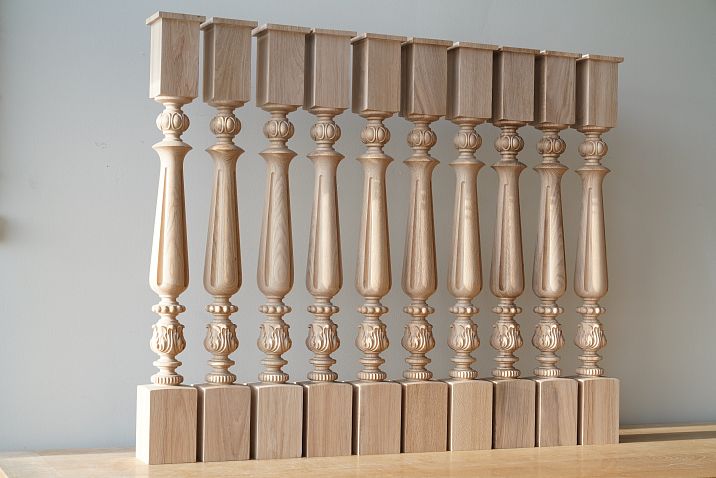
A staircase is not just an interior element, but an important artery connecting levels of space and defining the overall style of the home. One of the most popular solutions for staircase construction remains natural wood. Its warmth, unique texture, and durability create an atmosphere of comfort and aesthetic perfection. In this article, we will thoroughly examine why wood material for stairs remains the best choice for modern interiors, what types of wood are used, which processing technologies are applied, and how to properly select components to create a reliable and beautiful staircase. For more detailed information and to explore the product range, we recommend visiting Catalog of components and elements for staircases.


1. The value of natural wood in staircase creation




1.1 Historical perspective
The use of wood in staircase construction has ancient roots. Even in ancient times, craftsmen created wooden staircases that not only connected floors but also adorned architectural ensembles. Carved wooden staircases, made using traditional craftsmanship, served as a symbol of nobility and status. Over time, wood processing technologies improved, and today, natural wood remains an indispensable material for creating staircases that combine aesthetic appeal with high functionality.
Our factory also produces:


1.2 Advantages of natural wood
Natural wood is a material possessing a number of unique advantages:
● Natural beauty and unique wood grain pattern. Each board has its own unique texture, making every staircase unique.
● Strength and durability. With proper care, a wooden staircase can serve for decades, maintaining its functionality and appearance.
● Ecological purity. Natural wood does not contain harmful chemicals, which is especially important for creating a healthy interior.
● Warmth and coziness. Wood has the ability to 'breathe', creating a comfortable microclimate in the room and giving the interior a special atmosphere of comfort.
Choosing wood as a material for a staircase is an investment in quality and durability, as well as a bet on natural aesthetics that never goes out of style.
Get Consultation
2. Types of wood for staircase manufacturing
2.1 Oak
Oak is one of the most popular species for staircase manufacturing. This material is renowned for its high strength, durability, and attractive texture. Oak staircases give a room a luxurious and solid appearance, and their structure provides reliable support and resistance to loads.
● Advantages of oak:
○ High strength and durability.
○ Rich and expressive wood grain pattern.
○ Excellent resistance to mechanical damage and moisture.
● Disadvantages:
○ Oak can be relatively expensive, which affects the cost of the finished product.
○ Oak products are significantly heavier, requiring additional attention during installation.
2.2 Walnut
Walnut is a noble wood species that gives staircases an elegant and refined appearance. The color of walnut ranges from light brown to dark chocolate, allowing it to be used in interiors of various styles—from classic to modern minimalism.
● Advantages of walnut:
○ Appealing appearance with a rich color palette.
○ Easy to work with and capable of creating elegant decorative elements.
○ Exclusivity, making each staircase a unique work of art.
● Disadvantages:
○ High cost and limited availability of quality raw material.
○ Requires maintenance to preserve the original luster and color saturation.
2.3 Ash
Ash is a species known for its elasticity and strength. Ash staircases are characterized by a light tone with an expressive texture, making them a universal solution for modern interiors.
● Advantages of ash:
○ High elasticity and durability.
○ Easy to process, allowing for the creation of complex designer elements.
○ Universal appearance suitable for various interiors.
● Disadvantages:
○ Under improper care, ash may warp or change shape.
○ Requires adherence to optimal operating conditions to maintain dimensional stability.
2.4 Birch
Birch is an affordable and practical wood species often used to make staircases in modern interiors. Its light, almost white tone creates a sense of lightness and spaciousness.
● Advantages of birch:
○ Uniform structure and pleasant texture to the touch.
○ Availability and relatively low cost.
○ Easy to paint and finish.
● Disadvantages:
○ Less strong compared to oak or walnut.
○ Requires regular maintenance to prevent fading and color changes.
3. Wood processing and finishing technologies for staircases
3.1 Modern drying methods
Proper wood drying is a crucial stage that determines the stability and longevity of the finished staircase. Modern drying chambers with automatic temperature and humidity control allow achieving optimal conditions for each wood species. This prevents cracking, warping, and other deformations, preserving the material's strength.
3.2 Mechanical Processing
After drying, the wood is planed and milled to achieve the desired shape and smoothness. Modern CNC machines allow creating complex profiles, decorative carved elements, and unique patterns, which is especially valuable when manufacturing staircases with custom designs.
3.3 Laminating and Veneering
To enhance aesthetic appeal and protect the wood, laminating is often used. Covering with veneer or laminate not only improves the appearance of the product but also provides additional protection against moisture, scratches, and other mechanical damage. Modern technologies allow achieving high-quality finishes while preserving the natural wood texture.
3.4 Thermal Treatment and Modification
Thermal wood treatment is an innovative method that improves the wood's performance without using chemical additives. Thermally modified wood becomes more resistant to rot, moisture, and insects, which is especially important for staircases used both indoors and outdoors. This technology preserves the natural appearance of the material while adding extra strength and durability.
3.5 Impregnation and Finishing
The final stage of wood processing is applying protective and decorative coatings. Lacquers, oils, waxes, and paints not only preserve the natural beauty of the material but also extend the lifespan of the product. Eco-friendly formulations with low toxicity ensure safety for health and the environment. Regular renewal of protective coatings helps maintain the original appearance and quality of the wooden staircase for many years.
4. Design solutions: from classic to modern
4.1 Classic Style
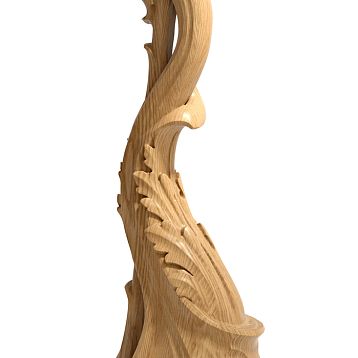
In a classic interior, a staircase made of natural wood becomes a central element, unifying the entire space. Solid oak or walnut, crafted with traditional carving and inlay, gives the room a sense of luxury and timeless elegance. Classic staircases are often adorned with decorative railings, elegant balustrades, and carved handrails, highlighting their artistic value.
4.2 Modern Minimalism
Modern interiors in a minimalist style require simple and functional solutions. A staircase made of beech or birch, processed using modern technologies, becomes not just a means of moving between floors but also an element of aesthetic expression. Clean lines, absence of unnecessary ornamentation, and use of natural tones create a harmonious and contemporary look for the space.
4.3 Industrial style
In industrial-style interiors, elements of wood and metal are often combined. Staircases made of solid or glued-laminated timber, complemented with metal railings or fastening elements, give the space a distinctive 'raw' look reflecting the spirit of the industrial era. Such design is ideal for lofts, offices, and open-plan spaces where the combination of strength and aesthetics is important.
4.4 Eclectic and custom solutions
Many modern designers experiment by combining traditional elements with innovative ideas. A staircase can become a true art object, custom-made to order. Using unconventional shapes, original patterns, and bold color solutions allows creating a unique design reflecting the owner's personality. Such projects require a high level of craftsmanship and creative approach, and natural wood remains the ideal material for realizing the boldest design concepts.
5. Components and elements for wooden staircases
To create a quality and reliable staircase, it is necessary not only to choose the right material but also to properly select components and hardware. Inthe catalog of components and elements for staircases various options are presented, from balusters and railings to steps and handrails, which will help complete the project at the highest level.
5.1 Balustrades and railings
Balustrades and railings play a key role not only in safety but also in the visual appearance of the staircase. Wooden items, crafted using traditional craftsmanship and modern technologies, can be complemented with metal or glass elements, creating interesting compositions. Each detail should match the overall interior style, highlighting the natural beauty of the wood.
5.2 Steps and landings
Steps are the foundation of every staircase. They can be made from solid wood, plywood, or composite materials covered with veneer. The main requirement for steps is their strength, resistance to wear, and ease of use. Using natural wood ensures comfort when ascending and descending, as well as gives the staircase a solid and stylish appearance.
Modern wood processing technologies, such as planing, milling, thermal treatment, and laminating, allow creating staircases that serve for decades while retaining their original beauty and functionality. At the same time, using natural materials contributes to creating eco-friendly and healthy interiors, where every detail is imbued with the traditions of craftsmanship and respect for nature.
Decorative handrails, carved panels, and other finishing elements allow you to create a harmonious staircase appearance. Such elements highlight the uniqueness of the project and give it a finished look. Modern technologies enable the creation of complex ornaments and patterns while preserving the traditional charm of natural wood.
6. Environmental and Social Aspects
6.1 Environmental Purity and Safety
Using natural wood for staircase construction is a choice in favor of environmental purity and safety. Natural wood does not contain toxic substances, which is especially important for residential spaces. When sustainable forestry principles are followed, wood is a renewable resource, contributing to preserving nature for future generations.
6.2 Certification and Manufacturer Responsibility
When selecting materials for staircases, it is important to pay attention to the presence of environmental certifications confirming the origin of the wood and compliance with sustainability standards. International standards such as FSC and PEFC guarantee that the material is obtained in accordance with all necessary requirements. This not only improves product quality but also promotes responsible production.
6.3 Social Contribution and Support for Crafts
The development of the wood processing industry supports traditional crafts and contributes to creating jobs in regions with abundant forest resources. By purchasing staircases and components made of natural wood, we support artisans and manufacturers who pour their soul and experience into each product, passing down cultural heritage from generation to generation.
7. Practical Recommendations for Caring for Wooden Staircases
7.1 Regular Cleaning and Coating Renewal
To ensure a wooden staircase retains its original appearance for many years, regular cleaning and renewal of protective coatings are necessary. Wipe surfaces with a soft dry cloth, avoiding aggressive cleaning agents that may damage the protective layer. When scratches or wear are detected, it is recommended to promptly reapply varnish or oil.
7.2 Humidity and Temperature Control
Wood is sensitive to sharp changes in humidity and temperature. To avoid deformation, warping, or cracking, it is essential to maintain stable climatic conditions in the room. Using humidifiers in winter and regular room ventilation will help maintain optimal microclimate parameters.
7.3 Professional Repair and Restoration
In case of serious damage or changes in the condition of the staircase, it is recommended to consult professionals. Restoration work carried out by experienced craftsmen will restore the aesthetic and functional characteristics of wooden items. This is especially important for solid wood staircases, where every detail matters.
8. Modern Design Trends and Innovative Solutions
8.1 Blending Tradition and Modern Technologies
Modern interior design strives for a harmonious combination of classic materials with the latest technologies. Natural wood used for staircase construction allows preserving warmth and traditional aesthetics, while innovative processing methods achieve unparalleled quality and functionality. Craftsmen use digital modeling, laser carving, and automated lines to create unique and durable items.
8.2 Ecological Minimalism
The trend toward ecological minimalism is gaining momentum in the design world. Simplicity of forms, natural tones, and absence of unnecessary decorative elements are key features of modern style. Wooden staircases designed in this manner become not only functional elements but also the main interior accent, emphasizing purity and harmony with nature.
8.3 Personalization and Custom Projects
Modern clients increasingly prefer individual solutions that reflect their personal taste and lifestyle. A custom wooden staircase, designed according to a designer’s sketch, can transform an ordinary space into a unique work of art. Craftsmen work individually with each client, selecting wood species, decorative elements, and hardware to create an item fully meeting the client’s wishes. Additional information and examples of completed projects can be found inthe staircase components catalog.
8.4 Integration with Smart Technologies
Modern interiors are increasingly equipped with smart control systems that allow automating various processes. Wooden staircases can be integrated with such technologies — for example, installing built-in lighting, touch panels, and security systems makes staircase use more convenient and functional. This not only enhances comfort but also creates a modern, tech-savvy space appearance.
9. Conclusion
Wooden staircase material is a choice in favor of eternal beauty, durability, and environmental purity. Wood, possessing unique physical and chemical properties and a rich history of use, remains an indispensable interior element capable of transforming any home. From classic solutions in oak and walnut to modern constructions in ash and birch — each option has its advantages and characteristics, allowing you to select the ideal solution for any space.
Modern wood processing technologies, such as planing, milling, thermal treatment, and laminating, allow creating staircases that serve for decades while retaining their original beauty and functionality. At the same time, using natural materials contributes to creating eco-friendly and healthy interiors, where every detail is imbued with the traditions of craftsmanship and respect for nature.
By choosing wood for your staircase, you not only create an aesthetic and durable interior element, but also invest in longevity, uniqueness, and comfort of your home. For additional information, to explore the range of staircase components and elements, we recommend visitingCatalog of components and elements for staircases.
Thus, finishing, construction, and design of wooden staircases represent an art where traditions meet innovations, and quality and environmental responsibility go hand in hand. Natural wood can bring warmth, coziness, and a unique style to your home, delighting the eye and serving for many years. May your space be filled with natural harmony, and every staircase become a true work of art embodying the beauty, durability, and timeless relevance of natural material.
Natural wood is a choice for those who strive for the highest quality, aesthetics, and environmental purity. Creating a wooden staircase opens up a world of possibilities where every detail, every line, and texture becomes a reflection of your taste and attention to detail. Modern technologies allow not only to preserve the natural charm of the material but also to impart new properties that meet the requirements of modern lifestyle.
Let your staircase become a symbol of harmony between the past and the future, where centuries-old craftsmanship traditions blend with advanced technologies. Natural wood is an investment in quality, durability, and an eco-friendly future that will delight you and your loved ones for many years. For detailed exploration of the assortment and selection of the best solutions, be sure to visitthe wood materials catalog.
Choose natural wood — choose beauty, strength, and heartfelt warmth that will remain with you forever.