Article Contents:
- 1. Natural wood: the foundation of a wooden table
- Ecological and unique beauty
- Advantages of using natural wood
- Role of the top in table design
- Materials and manufacturing technologies for tops
- Functionality and care of the top
- Significance of frames in table construction
- Materials and production technologies for frames
- Importance of the frame for the table's longevity
- Role of the base in construction
- Materials and features of base manufacturing
- Influence of the base on overall construction

A wooden table is not just a piece of furniture, but a true work of art, combining traditional craftsmanship and modern wood processing technologies. Key components of such an item are not only the wood itself, but also properly selected tops, frames, and bases, which determine not only the aesthetics, but also the strength, functionality, and longevity of the table.
In this article, we will thoroughly examine the materials used to manufacture wooden tables, why natural wood remains an indispensable material, as well as the characteristics of table tops, frames, and bases. We will also discuss how the proper selection and processing of these elements affect the quality of the finished product.


1. Natural wood: the foundation of a wooden table




Ecological and unique beauty
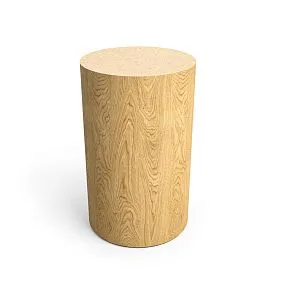
Natural wood is a material with an incomparable texture, rich color palette, and natural patterns that give the table individuality. Each wood species has its own characteristics: oak, beech, ash, and walnut are distinguished by high strength, wear resistance, durability, and unique decorative qualities.
During the manufacturing of wooden tables, wood undergoes several technological processes: drying, sanding, and treatment with protective compounds. These stages not only preserve the natural beauty of the material but also protect it from moisture, mechanical damage, and environmental influences.
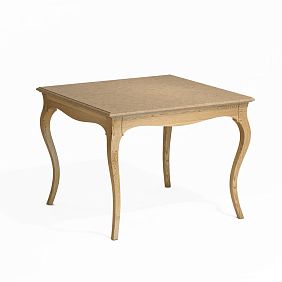
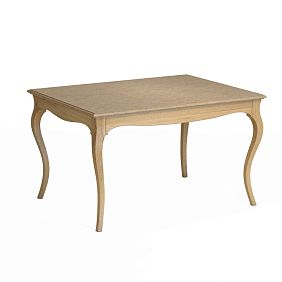
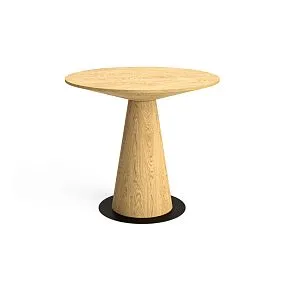
Our factory also produces:


Advantages of using natural wood
● Durability: Properly processed wood can serve for more than a decade, maintaining its strength and resilience.
● Ecological safety: Natural wood is an environmentally friendly material that contains no harmful substances and contributes to creating a healthy microclimate.
● Aesthetics: Natural wood tones and texture create a unique charm and make each table distinctive.
Get Consultation
2. Tops: visual accent and functional covering
Role of the top in table design
The top is the upper, most noticeable, and functional part of a wooden table. It serves as a working surface, withstands loads, and is the face of the product. Depending on the table's purpose (working, dining, coffee table), the top may have different thickness, finish, and decorative execution.
Materials and manufacturing technologies for tops
Wooden countertops are often made of:
● Solid wood panels: They have high strength and aesthetic value. Such countertops preserve the natural wood grain pattern and can have various textures depending on the type of wood.
● Laminate surfaces: Protective films and varnishes are used to create a more durable finish, extending the countertop's lifespan and making it easier to maintain.
Wooden countertops can be found in various styles – from classic carved models to modern smooth variants. In our selection, you can explorecountertops made from high-quality solid wood, which will be an excellent solution for your interior.
Functionality and care of the countertop
A quality countertop must withstand constant mechanical loads, be resistant to moisture, and be easy to clean. To maintain its appearance, it is recommended:
● Wipe the surface regularly with a soft cloth.
● Periodically renew the protective coating (varnish or oil) to preserve the natural sheen and color of the wood.
● Avoid aggressive chemical agents that can damage the protective layer.
3. Wooden frames: the basis of strength and durability
The role of frames in table construction
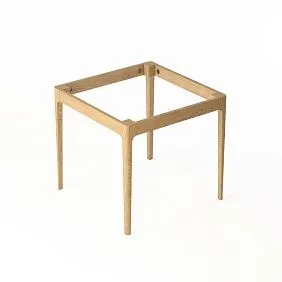
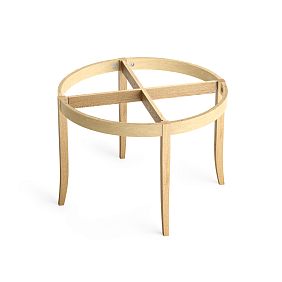
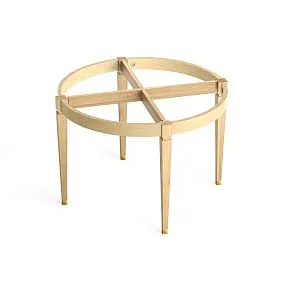
The frame is the internal skeletal structure of the table, ensuring its stability, strength, and longevity. It serves as a load-bearing structure, distributing the load from the top countertop to the support elements, preventing deformation and twisting over time.
Materials and production technologies for frames
For manufacturing frames, high-quality wood resistant to loads and deformation is preferred. Modern technologies allow producingwooden frames with high precision, ensuring perfect compliance with design specifications. Such frames:
● Are made from solid beams or combined elements.
● Undergo additional treatment to protect against moisture and fungal damage.
● Can be constructed using complex structural solutions to enhance the aesthetic value of the product.
The importance of the frame for the longevity of the table
A reliable frame is the guarantee of stability for a wooden table. It ensures even load distribution, prevents cracks and twisting, and extends the lifespan of the entire structure. When selecting a table, attention should be paid to the quality of the frame, as it affects not only the visual appeal of the product but also its functional characteristics.
4. Table bases: the foundation of support and design accent
The role of the base in construction
The base is the supporting part of the table that connects the top surface to the countertop. It plays a key role in ensuring the table's stability and strength, and can also become a striking design element, giving the product a unique character.
Materials and features of table base manufacturing
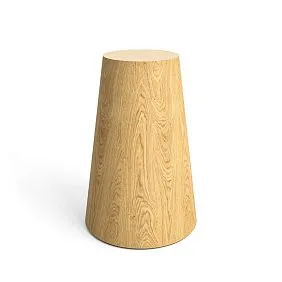
Table bases are made from strong wooden elements capable of withstanding significant loads. Using high-quality solid wood and modern processing methods allows achieving high stability and longevity. Ourtable bases are manufactured taking into account all requirements for strength and aesthetics:
They can be made as single-piece elements or assembled from multiple components.
They feature a variety of design solutions – from classic to modern minimalist models.
They are treated with protective compounds to enhance resistance to wear and environmental exposure.
Influence of the base on the overall structure
A properly designed base significantly increases the table's reliability. It not only distributes the load from the tabletop but also contributes to creating harmonious proportions in the product's design. A quality base ensures a long service life for the table and makes it stable even under intensive use.
Conclusion
The material of the wooden table is a combination of high-quality wood, thoughtful structural solutions, and modern design. Natural wood used for tabletops, frames, and bases guarantees not only the eco-friendliness and durability of the product but also its unique aesthetics.
Tabletops play a key role, providing the working surface, withstanding mechanical loads, and serving as the face of the table.
Wooden frames are the foundation of strength, evenly distributing loads and ensuring structural stability.
Table bases complement the overall composition, serving as both functional and decorative elements, whose quality determines the stability and longevity of the product.
Modern wood processing technologies, use of high-quality protective coatings, and precise execution of structural elements allow creating wooden tables that will delight you with their beauty and functionality for many years. When choosing material for the table, it is important to consider not only the appearance but also the performance characteristics of each component.
If you are looking for high-qualitytabletops, wooden frames andtable basesPay attention to offers from leading manufacturers that combine traditional technologies with innovative solutions.
Thus, choosing materials for a wooden table is a guarantee of its strength, beauty, and longevity. Natural wood, thanks to its unique qualities, gives the product an unmistakable character and allows creating a table that will become the centerpiece of any interior. May your table not only serve as a practical piece of furniture but also delight the eye with its natural aesthetics and high-quality craftsmanship.