












































































Article Contents:
- Foundations of Conceptual Thinking in Furniture Design
- Visualization and Planning Tools
- Material and Technology Research
- Ergonomics as the Foundation of Functional Design
- Trends in Modern Furniture Design
- Color Psychology in Furniture Design
- The Design Creation Process from Idea to Realization
- Working with Space and Proportions
- Innovative Approaches to Form Creation
- Perception Psychology in Furniture Design
- Ecological Design and Sustainable Development
- Production Technologies and Their Impact on Design
- Collaboration and Interdisciplinary Cooperation
- The Future of Furniture Design
- Conclusion
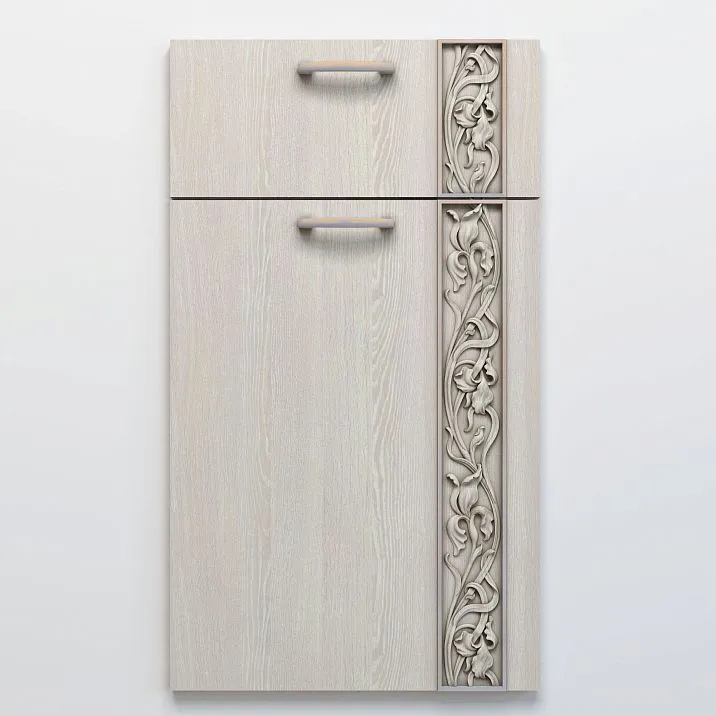
How does an ideal interior piece come into being? What lies behind each elegant line, each carefully considered detail? The process of creating furniture design is a remarkable symbiosis of creative imagination and practical knowledge, where artistic vision meets engineering precision. In today’s world, where everyone strives for the uniqueness of their home, the ability how to create furniture design becomes a key skill for those who wish to turn their dreams into reality.
Furniture design is not simply drawing beautiful shapes. It is a comprehensive process requiring a deep understanding of human needs, knowledge of materials, production technologies, and current trends. Every successful designer begins with a simple question: 'How can we make people’s lives more comfortable and beautiful?' This question becomes the starting point for creating truly functional and aesthetically appealing solutions.




Foundations of Conceptual Thinking in Furniture Design
Any significant design begins with a concept — the central idea that defines the direction of the entire project. This may be a philosophy of minimalism, a pursuit of eco-friendliness, or a desire to recreate the atmosphere of a particular era. The concept becomes a compass guiding every decision during the development process.
Concept development requires a deep analysis of the target audience’s needs. The modern consumer seeks not just functional furniture — they want each item to tell a story, reflect their lifestyle and values. User experience becomes a central element of the design process, defining not only the form but also the emotional impact of the product.
The creative process is inseparably linked to research. Studying cultural characteristics, analyzing behavioral patterns, understanding social trends — all this forms a knowledge base upon which innovative solutions are born. The designer must be simultaneously an anthropologist, psychologist, and artist.




Visualization and Planning Tools
Modern technologies have fundamentally changed approaches to furniture design. 3D modeling allows creating photorealistic images even before production begins, saving time and resources. Programs such as Autodesk Fusion 360, SketchUp Pro, or SolidWorks offer limitless possibilities for experimenting with form and materials.
However, technologies do not replace traditional methods — they complement them. Sketching remains an indispensable tool for quickly capturing ideas and finding unconventional solutions. Pencil and paper allow for instant fixation of inspiration, creating multiple variations and finding the optimal solution.
Prototyping is another crucial stage in the furniture design process. Even simple cardboard mockups help assess proportions, ergonomics, and overall perception of form. Modern 3D printing technologies make this process even more accessible and precise.
Our factory also produces:



Material and Technology Research
Material selection determines not only the appearance of the product but also its functional characteristics, durability, and cost. Modern materials science offers designers truly limitless possibilities — from traditional solid wood to innovative composite materials.
Natural materials are experiencing a renaissance. Consumers increasingly value eco-friendliness and authenticity. Oak, walnut, beech, maple — each species has unique characteristics that the designer must consider. Understanding the properties of wood — its texture, density, workability — is the foundation for creating quality design.
Composite materials open new horizons for creativity. Laminated boards, MDF, and multiplex allow creating complex shapes at relatively low cost. It is important to understand the technological limitations of each material and use their advantages as effectively as possible.
Innovative materials constantly expand the designer's palette. Bio-composites from recycled materials, thermoformed plastics, shape-memory metal alloys — all of these are tools of the future, already accessible to progressive designers today.
Get Consultation
Ergonomics as the foundation of functional design
Beauty without functionality is an empty shell. Ergonomics is the cornerstone of modern furniture design. Understanding human anatomy, movement patterns, and comfort needs must precede any aesthetic decisions.
Ergonomic standards are not dogma — they must be adapted to specific tasks and users. A programmer's workstation requires entirely different solutions than a dining area or relaxation zone. Anthropometric data from various population groups helps create truly universal solutions.
Modern ergonomic trends consider not only physical but also psychological aspects of human interaction with objects. Tactile sensations, color impact, even the sounds furniture makes during use — all of these influence the overall impression of the product.
Trends in modern furniture design
The world of furniture design is constantly evolving, reflecting changes in lifestyle, technology, and societal values. Sustainable development has become not just a trend, but a necessity. Designers increasingly turn to circular economy principles, creating products designed for long-term use and potential secondary recycling.
Adaptability is another key trend of modernity. Furniture must easily transform to meet changing user needs. Modular systems, transformable structures, multifunctional solutions — all of these respond to the realities of modern life, where space is becoming an increasingly valuable resource.
Personalization reaches new heights thanks to technological advancements. The ability to customize dimensions, colors, textures, and functions allows each consumer to obtain a unique product perfectly suited to their needs and preferences.
Integration of technology transforms furniture into smart objects. Built-in wireless charging, lighting systems, presence sensors — modern furniture becomes part of the Internet of Things, enhancing comfort and functionality of living spaces.
Color psychology in furniture design
Color is one of the most powerful tools for influencing emotions and perception. Color psychology helps designers create products that are not only beautiful but also capable of affecting users' mood and well-being.
Warm tones — red, orange, yellow — create a sense of coziness and energy, but may cause fatigue with prolonged exposure. Cool colors — blue, green, purple — promote concentration and relaxation, but may create a sense of detachment.
Neutral palette — white, gray, beige — remains popular due to its versatility and ability to serve as a backdrop for vibrant accents. Modern coloring technologies allow creating complex shades that change depending on lighting and viewing angle.
Surface texture is no less important than color. Matte, glossy, textured surfaces reflect light differently and create various visual effects. Combining different textures in one product adds depth and interest to the design.
The process of design creation from idea to realization
Transforming an idea into a finished product is a complex multi-stage process requiring coordination of various specialists and clear planning. It all begins with a brief — a detailed description of the project's tasks, constraints, and goals.
The research phase includes market analysis, studying competitors, surveys of potential users. This stage may take a significant portion of the project's time, but it is critically important for creating a genuinely sought-after product.
Conceptual development begins with generating multiple ideas. Brainstorming, sketching, creating mood boards — all these techniques help find non-obvious solutions and select the most promising development directions.
Detailed development includes creating technical drawings, calculating loads, selecting hardware and fastening elements. At this stage, an abstract idea transforms into a concrete technical project ready for implementation.
Prototyping and testing allow identifying project shortcomings before mass production begins. Modern rapid prototyping technologies make this stage more accessible and efficient.
Working with space and proportions
Furniture does not exist in a vacuum — it must harmoniously fit into its surrounding space. Proportionality is the foundation of visual harmony. The golden ratio, the rule of thirds, Le Corbusier's Modulor — these and other proportion systems help create visually appealing forms.
The scale of the product must correspond to the size of the room and the height of the users. Too large furniture overwhelms space, too small furniture disappears into it. An experienced designer knows how to find the optimal balance between functionality and visual impact.
The visual weight of objects is determined not only by their physical dimensions, but also by color, texture, and shape. Dark, heavy objects appear heavier than light and delicate ones. Understanding these principles allows creating balanced compositions.
Innovative approaches to form creation
Modern technologies open new opportunities for experimenting with form. Parametric design allows creating complex geometric structures that cannot be achieved through traditional methods.
Biomimicry — borrowing forms and principles from nature — provides inspiration for creating not only aesthetically pleasing but also functionally optimal solutions. Bone structure, leaf shape, plant growth principles — all of these can serve as a basis for innovative design.
Algorithmic form creation uses mathematical models to generate shape. This approach is especially effective when creating repeating elements or complex spatial structures.
Perception psychology in furniture design
Human perception of form follows certain laws that designers must consider. Gestalt principles — proximity, similarity, closure, continuity — help create forms that are easily readable and perceived as a unified whole.
Emotional design takes into account not only functional but also emotional needs of users. Furniture can evoke feelings of safety, joy, calmness, or energy. Understanding mechanisms of emotional impact allows creating deeper and more meaningful products.
Cultural codes and archetypes play an important role in design perception. What appears attractive in one culture may be unacceptable in another. Market globalization requires designers to understand cultural specifics of different regions.
Ecological design and sustainable development
Ecological responsibility has become an important factor in decision-making for both manufacturers and consumers. The product’s life cycle must be considered at all stages of design — from raw material extraction to product disposal.
Local materials not only reduce transportation carbon footprint but also support local economies. Using regional wood species and local craftsmanship traditions creates a unique product identity.
Durability has become a new luxury. Furniture designed for decades of use is more eco-friendly than cheap items with short lifespans. Design for durability requires not only high-quality materials but also timeless aesthetics.
Production technologies and their impact on design
Modern production technologies have fundamentally changed the possibilities of furniture design. CNC machining allows creating complex shapes with high precision and repeatability. This opens new horizons for experimenting with geometry and texture.
Additive technologies (3D printing) allow creating shapes impossible to achieve with traditional methods. Metal, plastic, even wood printing is becoming increasingly accessible and high-quality.
Automation of production processes improves quality and reduces manufacturing costs. Robots can perform complex operations with high precision, freeing humans for creative work.
Collaboration and interdisciplinary cooperation
Modern furniture design rarely results from the work of a single person. Teamwork unites designers, engineers, marketers, and manufacturers. Each specialist contributes to creating a successful product.
User testing at all development stages helps create truly convenient and functional products. Feedback from real users often leads to unexpected discoveries and improvements.
International cooperation allows combining the best traditions of various design schools. Scandinavian minimalism, Italian elegance, Japanese functionality — synthesizing different approaches creates unique solutions.
The future of furniture design
Technological development and changing lifestyles form new requirements for furniture design. Smart furniture with integrated sensors and control systems is becoming reality. Tables that remember user preferences, chairs adapting to anatomy — this is no longer science fiction.
Virtual and augmented reality are changing ways of designing and presenting design. The ability to "try on" furniture in one’s interior before purchase fundamentally changes the consumer experience.
Artificial intelligence is beginning to be used for generating design solutions and optimizing production processes. AI can analyze user preferences and propose personalized solutions.
Conclusion
The art of creating furniture design continues to evolve, absorbing new technologies and responding to changing societal needs. From initial sketches to the final product — each stage requires deep knowledge, creative thinking, and understanding of human nature.
The design development process for furniture is becoming increasingly complex and interdisciplinary. A successful designer must be both an artist and an engineer, a psychologist and a technologist. Only such an approach allows creating products that not only perform their function but also enrich people’s lives.
Modern tools and technologies open boundless creative possibilities, but the key remains understanding for whom the design is created. The human being, with his needs, emotions, and dreams, must remain at the center of any design solution.
In a world where technologies develop at dizzying speed, the ability to create functional and beautiful furniture design becomes especially valuable. Every item born from a thoughtful design process can not only decorate an interior but also improve the quality of life of its owner.
STAVROS Company understands the importance of quality design and provides designers and furniture manufacturers with a wide range of materials and solutions to realize the boldest ideas. Our long experience in furniture materials allows us to support the creative process at every stage — from concept to final implementation.





