Article Contents:
- Oak: Natural Perfection in Every Fiber
- Structural Features of Oak Wood
- Colorful Variety and Textural Diversity
- Technological Chain: From Raw Material to Masterpiece
- Raw material selection and preparation
- The Art of Cutting and Sorting
- Modern processing methods
- Structural Diversity: Forms and Functions
- Dining Tables: The Heart of the Home
- Work Tables: Ergonomics and Functionality
- Coffee Tables: Interior Accents
- Bio-tech: Organic forms of the future
- Scandinavian minimalism
- Industrial Style
- Modern classicism
- Innovative Finishing Technologies
- Next-Generation Oil-Based Finishes
- Polyurethane Systems
- Brushing and Texturing
- Structural Solutions and Hardware
- Connecting elements
- Transformation Mechanisms
- Legs Made of Natural Wood
- Quality Control and Production Standards
- Raw Material Incoming Inspection
- Technological control
- Final Product Control
- Environmental Aspects and Certification
- Certified Raw Material
- Eco-Friendly Materials
- Zero-waste technologies
- Market Trends and Development Prospects
- Personalization and individual approach
- Technology integration
- Ecological responsibility
- Care and Use of Oak Furniture
- Daily care
- Special Care
- Restoration and renewal
- Economic Aspects of Investment
- Pricing
- Service Life and Depreciation
- Additional Value
- Conclusion: Choosing STAVROS — Choosing Perfection
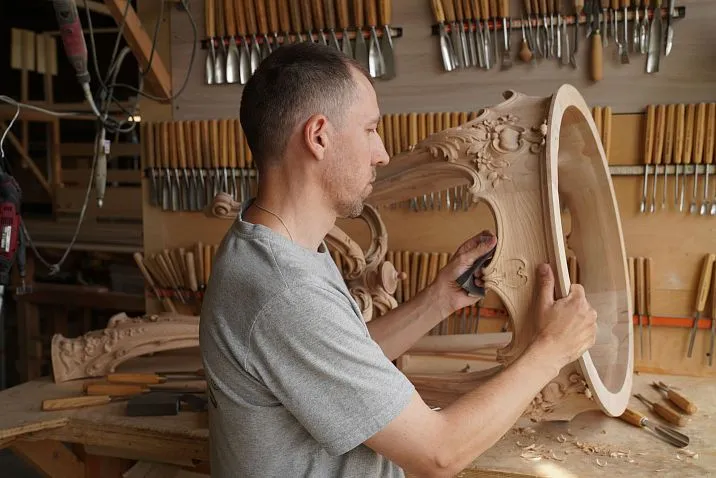
Oak wood is not just a material — it is a living story embodied in its unique texture and unmatched strength. Production of Oak Tables represents a complex technological process, where each stage determines the final quality of the product and its ability to serve for generations.
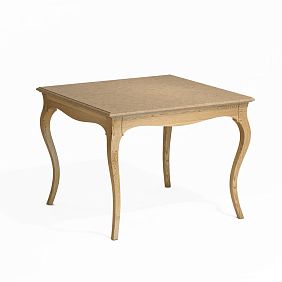
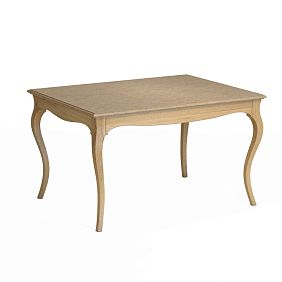


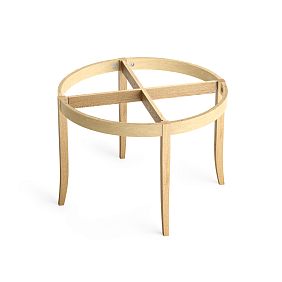
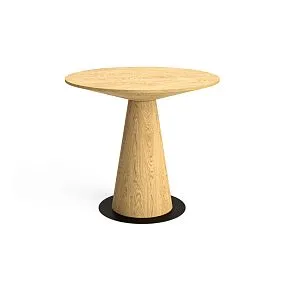
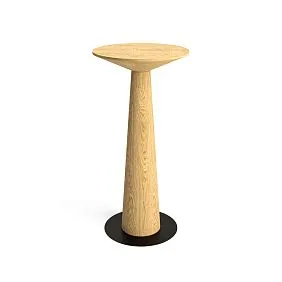
Oak: Natural Perfection in Every Fiber
What distinguishes oak among hundreds of other wood species? The answer lies in the unique combination of physical properties that were formed by nature over decades of each tree's growth.




Structural features of oak wood
The density of oak ranges from 650 to 750 kg/m³, providing exceptional mechanical strength to finished products. The special fiber structure creates a natural resistance to deformation even under significant loads and temperature fluctuations.
Tannins contained in the cellular structure of oak not only impart the wood its characteristic noble hue but also form a natural barrier against insects and decay processes. This explains why oak furniture can retain its properties for centuries.
Our factory also produces:


Colorful Variety and Textural Diversity
From light honey tones to rich brown shades — oak's palette is striking in depth and versatility. Each trunk has a unique pattern of annual rings, creating an unmatched texture. Oak Solid Tables become works of natural art, where it is impossible to find two absolutely identical fragments.
Get Consultation
Technological chain: from raw material to masterpiece
Creating quality furniture begins long before the first tool touches the wood. The entire process can be divided into several critically important stages.
Raw material selection and preparation
The correct choice of wood determines 70% of the project's success. Trees must reach an age of at least 80-100 years to ensure the wood achieves the necessary density and structural stability.
Kiln drying is a process requiring special precision and patience. The wood's moisture content must be reduced from natural 50-60% to optimal 8-10%. This process occurs in special drying chambers at strictly controlled temperature 45-55°C and relative humidity.
Gradual moisture removal takes 3 to 6 weeks depending on the thickness of the blanks. Too rapid drying leads to cracking and internal stresses that will manifest during the use of the finished product.
Art of cutting and sorting
An experienced craftsman can "read" a blank like an open book. The direction of the grain, presence of knots, density of annual rings — all these factors are considered when determining the optimal cutting method.
for solid wood products radial or semi-radial cutting, which ensures maximum geometric stability and highlights the natural beauty of the wood texture.
Modern processing methods
Glued oak panels surpass solid wood in stability due to the directional arrangement of fibers in adjacent lamellas. The pressure gluing technology at 8-12 atmospheres using polyvinyl acetate adhesives creates a monolithic structure.
CNC machining ensures processing accuracy down to 0.1 mm. Programmable tool movement trajectories allow creating complex profiles and decorative elements with perfect repeatability.
Structural diversity: forms and functions
Modern production offers limitless possibilities for creating tables of various purposes and stylistic executions.
Dining tables: the heart of the home
Classic rectangular tables measuring 200x100 cm can comfortably seat 8 people. A tabletop thickness of 50-60 mm provides visual solidity while preserving elegant proportions.
creates unique solutions with sliding mechanisms. Stainless steel telescopic guides ensure smooth door movement and can support up to 100 kg per section.
Custom wooden furniture Allows creating unique solutions with sliding mechanisms. Stainless steel telescopic guides ensure smooth operation of panels and can support up to 100 kg per section.
Work tables: ergonomics and functionality
Desk tables require a special approach to workspace design. Standard height of 75 cm suits people 165-180 cm tall, but tables with adjustable height from 70 to 80 cm can also be manufactured.
The working surface width should be at least 120 cm to accommodate a monitor, documents, and office supplies. Depth of 70-80 cm ensures comfortable distance to the screen and sufficient space for document work.
Integrated cable management system includes special holes in the tabletop with diameter 60-80 mm and decorative plugs. Under the tabletop, a cable tray is mounted on telescopic guides.
Coffee tables: interior accents
Compact dimensions do not mean simplification of manufacturing technology. Each coffee table undergoes a full processing cycle, similar to large furniture.
Height of 40-45 cm is optimal for use with standard-height sofas and chairs. Modern wooden table style may have an asymmetrical tabletop shape, creating a dynamic visual effect.
Stylistic Directions: From Classic to Avant-Garde
Oak furniture successfully adapts to any interior concepts due to the material's versatility and variety of finishing methods.
Scandinavian minimalism
Light shades of natural oak perfectly match the philosophy of northern design. Simple geometric forms without decorative excesses highlight the natural beauty of the wood.
Oil finish preserves the tactile sensations of natural material and allows the wood to "breathe". This treatment emphasizes the natural origin of the furniture and creates a special atmosphere of coziness.
Industrial style
Combining massive oak tabletops with metal bases creates an effective contrast of materials and textures. Black metal accentuates the warmth and nobility of the wood.
Intentionally rough edge processing with retained tool marks and light surface brushing enhances industrial aesthetics. Dark staining gives the wood a rich chocolate tone.
Modern classic
Elegant proportions and refined finishing transform the table into a piece of furniture art. Profiled edges of complex shapes are created on multi-spindle milling machines.
Urethane coating with 40-60% gloss highlights the texture depth and provides reliable protection against damage. Multi-layer application with intermediate sanding creates a perfectly smooth surface.
Innovative finishing technologies
Modern materials and technologies allow significantly improving the operational characteristics of oak furniture while preserving its natural beauty.
New-generation oil-based finishes
Modern waxes based on natural beeswax penetrate up to 2 mm deep, creating a protective layer inside the wood. Such treatment does not form a surface film, preserving the material's natural breathability.
Special additives impart hydrophobic properties. Water droplets roll off the surface without penetrating the wood pores. At the same time, the coating remains matte and retains pleasant tactile sensations.
Polyurethane systems
Two-component polyurethane varnishes create a wear-resistant film 100-150 microns thick. Such coating withstands temperatures up to 80°C and is resistant to alcohol, acids, and alkalis.
Application technology includes 3-4 layers with intermediate sanding using P320-P400 abrasive. The final layer is polished to a mirror finish or matte-finished using special pastes.
Brushing and texturing
Mechanical surface treatment with metal brushes removes soft springwood fibers, revealing the annual ring structure. The resulting relief is accentuated by contrasting toning.
Furniture Components With such treatment, they acquire special expressiveness and become the central element of interior composition.
Structural solutions and hardware
The quality and durability of furniture largely depend on the proper selection of fasteners and mechanisms.
Connecting elements
Traditional dowel joints provide maximum strength and longevity of the structure. Dowels are cut with precision to 0.05 mm, ensuring tight fit without gaps.
Modern dowels and eccentric bolts allow creating disassemblable structures without compromising strength. Hidden placement of fasteners preserves the item's aesthetics.
Transformation mechanisms
Sliding tables are equipped with guides made of tempered steel with a Teflon coating. Such mechanisms are designed for 50,000 opening-closing cycles under a load of up to 100 kg.
Synchronized mechanisms ensure simultaneous movement of both halves of the tabletop. Smooth operation is achieved using ball bearings and precise adjustment of clearances.
Wooden legs
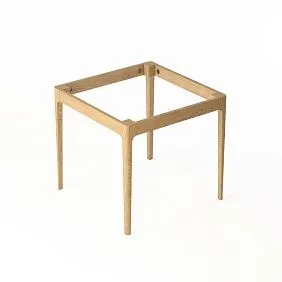
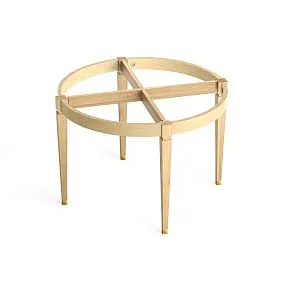
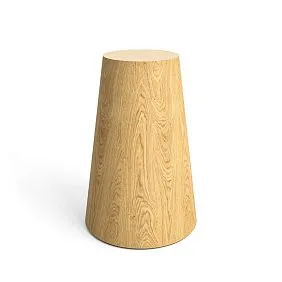
Support elements are made from the same oak block as the tabletop. This ensures perfect color and texture harmony. Various leg profiles — from classic balusters to modern conical shapes — allow creating furniture in any style.
Legs are attached via metal plates or wooden stiffening elements. Such construction ensures high stability and prevents loosening during use.
Quality control and production standards
Modern furniture production is impossible without a strict quality control system at every technological stage.
Incoming Raw Material Control
Each batch of wood undergoes careful inspection for moisture, density, and defects. Electronic moisture meters with measurement accuracy ±0.5% are used.
Visual sorting allows eliminating blanks with unacceptable defects: knots over 20 mm in diameter, cracks deeper than 5 mm, or areas affected by rot or insects.
Technological control
At the mechanical processing stage, dimensional accuracy, surface quality, and geometric parameters are controlled. Permissible deviations from nominal dimensions are ±0.5 mm for length and width, ±0.2 mm for thickness.
Surface roughness after sanding should not exceed Ra 2.5 microns. This ensures ideal preparation for the final coating.
Finished product control
Each item undergoes final inspection for appearance, mechanism functionality, and compliance with technical specifications. Coating defects, assembly correctness, and packaging quality are checked.
Ecological Aspects and Certification
Modern furniture production is based on principles of sustainable development and responsible use of natural resources.
Certified raw material
FSC certification guarantees that the wood originates from forests managed according to the principles of sustainable forestry. This ensures the preservation of biodiversity and forest ecosystems.
The supply chain is carefully tracked from the harvesting site to the finished product. Each batch of raw material is accompanied by appropriate documentation confirming its legality of origin.
Eco-friendly materials
Modern water-based adhesives do not contain formaldehyde or other harmful substances. The emission of volatile compounds does not exceed E1 standards, allowing furniture to be used in residential spaces without restrictions.
Coatings based on vegetable oils and waxes are fully biodegradable and safe for health. Such materials are suitable for manufacturing children's furniture and items for people with heightened sensitivity.
Zero-Waste Technologies
Production waste is not disposed of but repurposed. Wood shavings are used to produce fuel briquettes, sawdust — for manufacturing fertilizers.
Old furniture is accepted for recycling, with the wood subsequently used to create new items or decorative elements.
Market trends and development prospects
The solid wood furniture industry is undergoing a period of active change, adapting to new consumer trends.
Personalization and Individual Approach
Growing demand for unique solutions stimulates the development of individual manufacturing technologies. Modern CAD systems allow creating 3D models with photorealistic visualization.
Flexible production lines can efficiently handle single orders without significant cost increases. Modular design principles allow combining standard elements to create unique configurations.
Integration of technologies
The implementation of the Internet of Things allows real-time control of the entire production process. Sensors for humidity and temperature in drying chambers automatically adjust process parameters.
Machine vision systems monitor surface processing quality and automatically detect defects. This improves quality stability and reduces the amount of scrap.
Ecological responsibility
Growing consumer environmental awareness stimulates demand for furniture made from renewable materials. Carbon footprint certification is becoming an important competitive advantage.
Advancements in forest regeneration technologies enable the creation of sustainable sources of high-quality raw materials. Selection programs are aimed at developing fast-growing oak varieties with improved wood characteristics.
Oak Furniture Care
Proper care is the key to long-lasting furniture service and preservation of its original properties.
Daily Care
Regular dry cleaning with soft cloth or special microfiber cloths removes dust and prevents its accumulation in the wood texture. Frequency — no less than once a week.
When wet cleaning, use slightly damp cloth, avoiding excessive surface moisture. Water should be room temperature without adding aggressive cleaning agents.
Special Care
Restoration of protective coating properties is performed using special formulations for oak furniture. The frequency of treatment depends on usage intensity and is 6–12 months for tabletops.
Stain removal is performed immediately after appearance. Specialized agents for various types of stains are used, which do not damage the protective coating.
Restoration and renewal
Minor scratches and scuffs are easily removed using targeted treatment with furniture markers or wax pencils of matching shade. Deep damage requires professional restoration.
Complete coating renewal allows restoring furniture to its original appearance after many years of use. With proper execution, oak furniture can serve for centuries.
Economic Aspects of Investment
Purchasing quality oak furniture is a long-term investment, paying off over decades of use.
Pricing
The cost of oak tables is determined by several factors: quality of raw material, complexity of construction, type of finish, and manufacturer's reputation. Items made from select oak cost 30–50% more than those made from standard quality wood.
Custom manufacturing increases cost by 20–40% compared to mass-produced models, but allows obtaining a unique item perfectly matching the customer's requirements.
Service Life and Depreciation
Quality oak furniture retains consumer properties for 50–100 years with proper care. This makes the annual ownership cost extremely low compared to furniture made from less durable materials.
High liquidity of oak furniture allows considering it as an investment asset. Antique pieces often cost more than modern equivalents.
Oak furniture creates a unique atmosphere in the interior, enhancing the prestige and status of the owner. The psychological comfort derived from using natural materials is difficult to evaluate in monetary terms.
The possibility of passing furniture down through inheritance makes it part of family history and creates an emotional attachment unavailable with mass-produced items.
Conclusion: Choosing STAVROS — choosing perfection
In a world of modern technologies and synthetic materials, oak furniture remains a symbol of true quality and natural beauty. Each piece carries centuries of master craftsmanship and the unique energy of living wood.
Producing high-quality oak tables is an art requiring deep knowledge, modern equipment, and, most importantly, genuine passion for the craft. Each stage of the technological process affects the final result, and only a comprehensive approach allows creating items of the highest class.
Choosing oak furniture means investing not only in the beauty and comfort of your home, but also in a healthy future for the planet. Sustainable forestry and eco-friendly production technologies make such furniture a responsible choice for modern consumers.
STAVROS — a company that for 23 years has turned dreams of perfect furniture into reality. Our long-standing experience, accumulated knowledge, and commitment to innovation allow us to create pieces that will become a pride of any interior. Every table crafted by STAVROS masters is a guarantee of unparalleled quality, durability, and unique style that will delight you and your loved ones for many years.
Mastering the creation of oak tables: technological secrets of elite production | Company STAVROS