Article Contents:
- Philosophy of independent creativity
- Preparation stage: foundation of success
- Conceptual Planning
- Sketching and Designing
- Material Science for Cabinetmakers
- Traditional Wood Materials
- Modern Composite Solutions
- Innovative materials
- Master's Toolset
- Basic Hand Tool Set
- Power tools for increased efficiency
- Specialized equipment
- Technological Aspects of Manufacturing
- Material Cutting
- Edge Treatment
- Assembly Operations
- Structural Solutions and Design
- Principles of Functional Design
- Stylistic directions
- Color Solutions and Finishing
- Specialized Techniques and Skills
- Cabinetmaking Joints
- Decorative Finishing
- Modern Technologies
- Final Finishing and Protection
- Surface Preparation
- Coating finishes
- Engineering Aspects of Application
- Practical Projects for Beginners
- Simple Constructions
- Medium Complexity Projects
- Complex Constructions
- Economic aspects of independent manufacturing
- Project Cost Calculation
- Investment in Tools
- Monetizing Skills
- Safety in a Cabinetmaking Workshop
- Workplace organization
- Use of protective equipment
- Rules for Working with Power Tools
- Trends and prospects for development
- Eco-Friendly Materials
- Digital technologies
- Personalization and customization
- Conclusion
In today's world of mass production, finding individuality in interior design has become a real challenge. Standard solutions do not always meet personal needs and aesthetic preferences. That is why how to make furniture yourself it becomes especially relevant for those who strive to create a unique space.
Making furniture by hand is not just saving money — it’s the opportunity to bring the boldest design ideas to life, adapt each piece to a specific space, and create an atmosphere that reflects the owner’s personality. This process requires patience, skills, and the right approach, but the result will exceed all expectations.




Philosophy of independent creativity
Creating furniture by hand is an engaging creative process that combines practical skills with artistic vision. It is the art of transforming raw materials into functional pieces that serve not only practical purposes but also become central elements of interior design.
Modern technologies and the accessibility of quality materials open up boundless opportunities for home craftsmen. From simple shelves to complex wardrobe systems — every project becomes a unique reflection of the creator’s creative potential.
The psychological aspect of making furniture yourself cannot be underestimated. The process of creating something tangible and useful with your own hands brings deep satisfaction and a sense of pride. Each completed project strengthens confidence in one’s abilities and motivates new creative experiments.




Preparation stage: foundation of success
Our factory also produces:


Conceptual Planning
Any successful project begins with a clear understanding of goals and tasks. Defining the functional purpose of the future item becomes the starting point of the entire process. It is necessary to thoroughly analyze needs: will this be a storage system, a work surface, or a decorative element.
Space analysis plays a critical role in planning. Precise measurements of the room, consideration of architectural features, location of utilities and lighting determine the possibilities for implementing the project. Ergonomic requirements must become a priority when developing the concept.
Get Consultation
Sketching and Design
Creating a detailed sketch is the bridge between idea and implementation. Start with general sketches, gradually detailing the construction. It is important to consider not only the appearance but also the internal structure, methods of joining elements, and assembly sequence.
Modern software solutions significantly simplify the design process. Three-dimensional modeling allows visualizing the future product, identifying potential issues, and optimizing the structure even during the planning stage.
Drawing details should include precise dimensions of all elements, specifications for fasteners and hardware. A properly executed drawing becomes a reliable guide throughout all manufacturing stages.
Woodworking Materials
Traditional Wood Materials
Natural wood remains a classic choice for making quality furniture. Each species has unique characteristics: oak is renowned for its strength and elegant grain, pine is known for its accessibility and ease of processing, while birch attracts with its uniform structure and light color.
Wood selection should correspond to the functional purpose of the item. Hardwoods are preferred for load-bearing elements, whereas decorative panels can use softer and more economical alternatives.
Proper drying and treatment of wood is the key to the longevity of the finished product. The material's moisture content should not exceed 8-12%, otherwise deformation and cracking may occur during use.
Modern composite solutions
MDF (laminated particle board) is a practical and economical material for cabinet furniture. The variety of decorative finishes allows imitation of any textures and colors, and the stability of geometric parameters simplifies the manufacturing process.
MDF (medium-density fiberboard) has excellent characteristics for creating facade elements. The uniform structure of the material allows milling complex profiles and creating elegant decorative details.
Various grades of plywood are used in manufacturing curved elements and structures requiring high strength with relatively low weight. Birch plywood is especially valued for its stability and excellent strength characteristics.
Innovative materials
The modern furniture industry offers a wide range of innovative materials. Acrylic panels provide high-quality glossy surfaces resistant to moisture and mechanical impacts. Composite materials based on wood fibers and polymer binders combine the ecological nature of natural wood with the practicality of modern technologies.
Metal elements — aluminum profiles, steel frames — allow creating structures in a modern style. Combining different materials opens up limitless possibilities for creative self-expression.
Quality tools — half the success. For professional baluster installation, you will need:
Basic set of hand tools
Quality hand tools are the foundation of a furniture workshop. A set of chisels of various sizes is necessary for precise fitting of joints and creating decorative elements. Different types of planes ensure quality surface processing and accurate dimensions.
Measuring tools — rulers, squares, marking gauges — guarantee accuracy of marking and geometric control. Clamps and vises of various sizes are necessary for secure fixation of parts during gluing and assembly.
Saws of different types — hand saws for longitudinal and cross cuts, jigsaws for curved cuts — must be sharp and properly set. The quality of the cut directly affects the appearance of the finished product.
Power tools for increased efficiency
Drill-driver becomes an indispensable assistant in a modern furniture workshop. The ability to quickly drill holes and drive fasteners significantly speeds up the assembly process. Adjustment of torque prevents damage to the material when working with delicate joints.
Electric jigsaw expands the possibilities of contour cutting. The reciprocating motion increases cutting speed, and the dust extraction system ensures a clean work area. A variety of blades allows working with different materials.
Various types of sanders — orbital, belt, and delta — ensure quality surface preparation for final finishing. Proper sanding is the key to achieving the ideal appearance of the finished product.
Specialized equipment
Router opens up possibilities for creating complex profiles and joints. A wide variety of router bits allows decorative processing, creating dadoes and tenons, and edge trimming. Router accuracy and quality are unattainable with hand tools.
Miter saw ensures precise angled cuts necessary for quality assembly of frame structures. Laser marking system and fences guarantee repeatability of results.
Circular saw becomes indispensable when working with sheet materials. Parallel fence and guide rail ensure straight cuts on large blanks.
Technological aspects of manufacturing
Material cutting
Correct cutting layout is the foundation of economical material use and quality of the finished product. Creating a cutting layout helps minimize waste and optimize part placement according to grain direction.
When working with sheet materials, it is important to consider allowances for edge processing and possible material defects. The cutting sequence should ensure ease of operation and workplace safety.
Cut quality depends not only on tool sharpness but also on proper tool application. Using guides, fences, and templates guarantees accuracy and repeatability of results.
Edge Processing
Edge banding is a critically important operation determining the appearance and longevity of the product. Modern edge banding materials — from simple melamine strips to thick PVC edge bands — require different application technologies.
Manual edge banding is suitable for small volumes and simple configurations. Using an iron or construction heat gun ensures reliable bonding of thermally activated edge bands. Subsequent trimming and sanding require care and patience.
Quality edge processing includes not only bonding the material but also forming the correct radius, removing burrs, and creating a smooth surface. These details determine the perception of quality of the finished product.
Assembly operations
Modern furniture uses various methods of joining parts. Dowels provide strong, disassemblable connections, convenient for transportation and subsequent assembly. Eccentric fasteners create invisible, high-strength joints.
Adhesive joints remain the foundation of quality solid wood furniture. Proper selection of adhesive, surface preparation, and ensuring even pressure during curing determine the strength and durability of the joint.
Assembly sequence must be carefully planned. Start with subassemblies, gradually combining them into the finished product. Geometric control at each stage prevents accumulation of errors.
Structural solutions and design
Principles of functional design
Ergonomics should be a priority when developing any furniture item. The height of work surfaces, shelf depth, and aisle width — all these parameters affect user comfort. Standard dimensions serve as a starting point, but individual needs may require adjustments.
Storage systems require special attention to details. Optimal internal space organization enhances functionality and ease of use. Drawers, rotating shelves, dividers — modern hardware offers numerous solutions for rational space use.
Structural modularity ensures flexibility and adaptability. The ability to rearrange elements, add new modules, or change configuration makes furniture more versatile and durable.
Stylistic directions
Classic style requires the use of traditional materials and techniques. Solid noble woods, carving, patination — these elements create an atmosphere of luxury and tradition. Adherence to proportions and symmetry becomes the foundation of harmonious design.
Modern minimalism favors clean lines, geometric forms, and functionality. Use of contrasting materials — glossy and matte surfaces, various textures — creates a striking visual effect.
Eco-style is gaining popularity among conscious consumers. Use of natural materials, non-toxic coatings, and renewable resources reflect care for the environment and health.
Color solutions and finishing
Color palette selection determines the overall perception of the interior. Neutral tones create a calm atmosphere and easily combine with various accessories. Bright accents add dynamism and individuality.
Surface texture plays at least as important a role as color. Natural wood texture emphasizes the material's authenticity, while smooth glossy surfaces create a modern, technological look.
Combining various finishing materials requires a sense of proportion and style. A successful combination can create a unique and memorable design, while overloading with details may lead to visual chaos.
Specialized techniques and skills
Joinery
Traditional joinery — mortise and tenon, dovetail, on dowels — provides high strength and aesthetic appeal. These joints require precise execution, but the result justifies the effort.
Modern technologies offer alternative solutions. Domino joints, biscuits, hidden dowels — these methods simplify manufacturing while maintaining high joint quality.
Reinforcing joints with metal elements increases structural strength. Hidden brackets, strips, fasteners — proper selection of fasteners ensures product longevity.
Decorative processing
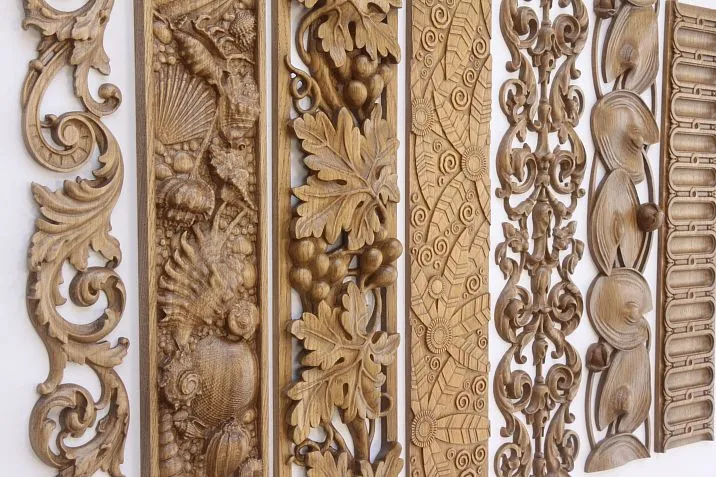
Wood carving opens up limitless possibilities for creating unique decorative elements. From simple geometric ornaments to complex floral motifs — every carved detail adds individuality to the item.
Inlay allows creating complex color compositions from various materials. Combining wood species with different shades, using metallic elements or mother-of-pearl creates exclusive pieces.
Patination and artificial aging give the item a noble antique appeal. These techniques require artistic taste and understanding of natural material aging processes.
Modern technologies
CNC machining is becoming increasingly accessible for home workshops. Programmable machines ensure high precision and repeatability when manufacturing complex parts. The ability to work with digital models simplifies transitioning from project to implementation.
3D printing is used for manufacturing hardware, decorative elements, and prototypes. The variety of printable materials — from plastics to wood-fiber composites — expands the application possibilities of the technology.
Laser cutting and engraving enable creation of complex decorative elements with micron-level precision. This technology is especially effective when working with thin materials and creating delicate structures.
Finishing and protection
Surface preparation
Quality sanding is the foundation of any finishing treatment. Sequential use of abrasives from coarse to fine ensures surface smoothness and uniformity. Removing dust between stages prevents defects.
Priming is necessary to ensure adhesion of the finish and to equalize the material's absorbency. The choice of primer depends on the type of substrate and planned finish.
Defect removal — knots, cracks, dents — requires using specialized wood putties. Modern materials ensure strong adhesion and minimal shrinkage.
Paint and varnish coatings
Transparent finishes highlight the natural beauty of wood while providing reliable protection against moisture and mechanical impacts. Water-based finishes are eco-friendly and dry quickly, while polyurethane finishes offer maximum coating durability.
Paints allow for a radical change in the item's appearance and conceal material defects. Modern formulations ensure even coverage, colorfastness, and durability. Application technique affects the final result — brushwork creates a specific texture, roller ensures uniformity, and spraying provides a perfectly smooth surface.
Stains and toning products allow you to change the color of wood while preserving its visible texture. Proper application of stain requires even application and adherence to the recommended drying time.
Special Coatings
Oils and waxes create a natural finish that highlights the tactile qualities of wood. These finishes are easy to refresh and repair, but require regular maintenance.
Polyurethane finishes provide maximum resistance to abrasion and chemical exposure. They are ideal for countertops and other surfaces subjected to heavy use.
Special effects — crackle, metallic, pearlescent — allow you to create unique decorative finishes. These techniques require artistic taste and understanding of the properties of the materials used.
Practical projects for beginners
Simple constructions
A bookshelf is an ideal first project for a beginner carpenter. Its simple construction from several boards and side panels allows you to master basic skills in marking, cutting, and assembly. The ability to experiment with proportions and finishes makes each shelf unique.
A coffee table combines functionality with creative expression. A simple frame construction can be enhanced with a lower shelf for storage or decorative elements. The choice of materials and finishes determines the stylistic character of the piece.
A bedside table requires more precise fitting of parts and installation of hardware. This project allows you to master skills working with hinges, drawer guides, and soft-close systems.
Projects of medium complexity
A dining table presents a serious challenge for a home craftsman. The need to ensure structural strength, precise assembly, and quality finishing requires comprehensive application of acquired skills. Various base options — from simple legs to complex turned legs — allow you to choose the appropriate level of complexity.
An integrated cabinet requires precise measurement of space and adaptation of the construction to the room’s features. Planning internal storage, selecting opening systems, and proper installation of hardware become key factors for success.
A kitchen island combines the functions of a work surface, storage systems, and cooking zones. This project requires understanding of kitchen ergonomics, knowledge of material and finish requirements for use in high-humidity and temperature conditions.
Complex constructions
A sliding-door wardrobe requires precise calculation and installation of guide systems. Planning internal space, integrating various storage systems, and ensuring smooth door operation demand high craftsmanship skills.
A bed with a lift mechanism combines sleeping space and storage functions. Proper selection and installation of gas struts, ensuring structural safety, and creating convenient access to internal space require deep understanding of mechanics and ergonomics.
An L-shaped kitchen presents the greatest challenge for a home carpenter. Precise fitting to room geometry, integration of appliances, creation of functional work zones, and ensuring ergonomic use require professional skill levels and planning.
Economic aspects of self-manufacturing
Project Cost Calculation
Project budget planning must include not only material costs but also expenses for tools, hardware, and consumables. Realistic assessment helps avoid unpleasant surprises during implementation.
Comparing with ready-made alternatives shows the economic efficiency of DIY production. Accounting for time and project complexity helps make a reasoned decision about the feasibility of self-production.
Cost optimization is achieved through thoughtful material selection, efficient tool usage, and minimizing waste. Planning multiple projects simultaneously allows more efficient material use.
Investment in Tools
Quality tools are a long-term investment that pays off through improved work quality and enjoyment of the process. Gradually expanding your toolset allows you to spread costs over time.
Choosing between purchasing and renting tools depends on usage frequency and planned projects. Specialized equipment is often more cost-effective to rent for one-off projects.
Proper tool maintenance extends its service life and maintains work quality. Regular sharpening, lubrication, and adjustment are necessary investments to keep equipment operational.
Monetizing skills
Developing skills in DIY furniture making can become a source of additional income. Custom furniture production, conducting workshops, or selling finished products — these are various ways to monetize acquired skills.
Building a reputation requires time and continuous improvement of work quality. A portfolio of completed projects, client reviews, and recommendations become the foundation for successful business development.
Legal aspects of entrepreneurial activity require attention. Registration of business, payment of taxes, and compliance with safety regulations — these are necessary conditions for legal business operation.
Safety in the furniture workshop
Work area organization
Proper workshop organization is the foundation of safe work. Adequate lighting, ventilation, and order at the workstation prevent accidents and improve work efficiency.
Tool and material storage must be organized with safety requirements in mind. Sharp tools require protective covers, and chemical materials require special storage conditions.
Ergonomics of the workbench affects the comfort and health of the craftsman. Proper workbench height, convenient tool placement, and the ability to work in various positions reduce fatigue and risk of injury.
Use of protective equipment
Eye protection is mandatory when working with power tools and chemical materials. Quality safety glasses or shields prevent debris, dust, and splashes from reaching the eyes.
Respiratory protection is necessary when sanding, working with varnishes and paints. Respirators of various protection classes ensure safety depending on the type of exposure.
Glove protection should consider the specifics of the operations performed. Working with sharp tools requires durable gloves, whereas applying coatings requires material chemical resistance.
Rules for working with power tools
The technical condition of the tool must be regularly checked. Damaged cables, malfunctioning switches, or worn working parts pose a serious safety hazard.
Correct tool usage technique is the foundation of safe and efficient work. Studying instructions, following recommended modes, and using appropriate accessories prevent hazardous situations.
Maintenance and repair of power tools must be performed by qualified specialists. Self-intervention in the tool's construction may compromise safety.
Trends and Development Prospects
Eco-Friendly Materials
Growing environmental awareness stimulates the development of new materials based on renewable resources. Composites from fast-growing wood species, recycled materials, and biopolymers open new possibilities for eco-friendly furniture production.
Certification of sustainable forestry helps consumers make informed choices. Wood with appropriate certifications guarantees compliance with ecological standards at all production stages.
Formaldehyde-free materials are becoming the standard for furniture manufacturing in residential spaces. New wood particle bonding technologies eliminate toxic substances, ensuring health safety.
Digital technologies
Integration of digital technologies into furniture design and manufacturing radically changes creative approaches. Virtual and augmented reality allow visualizing projects in real scale and interior settings.
Cloud-based design services make professional tools accessible to home craftsmen. Automatic drawing generation, material calculation, and cutting optimization significantly simplify project planning.
The Internet of Things opens opportunities for creating smart furniture. Built-in sensors, lighting, and device charging systems transform traditional furniture into high-tech products.
Personalization and Customization
Mass customization is becoming the main trend in the furniture industry. The ability to adapt standard solutions to individual needs combines the advantages of mass production with the uniqueness of the product.
Modular systems allow creating unique configurations from standard elements. This approach simplifies production and reduces costs while preserving customization options.
Direct interaction between designers and consumers through digital platforms eliminates intermediaries and reduces the cost of unique solutions. Crowdsourcing ideas and collaborative design open new creative opportunities.
Conclusion
The path to craftsmanship in creating furniture by hand is an exciting adventure combining technical mastery, creative expression, and practical utility. Each project becomes a step toward deeper understanding of materials, technologies, and design.
Modern possibilities make how to make furniture yourself accessible to people with varying levels of skill. From simple shelves to complex built-in systems — everyone can find a project suited to their skills and ambitions.
Investments in quality materials and tools pay off not only in cost savings but also in the enjoyment of the creative process. Each completed piece brings a sense of pride and motivates new achievements.
The future of DIY furniture making looks promising. Advancements in technology, new materials, and tools make this form of creativity increasingly accessible and appealing. Digital solutions simplify design, while eco-friendly materials make the hobby more responsible.
It is important to remember that craftsmanship comes with experience. Do not fear mistakes — they become valuable lessons and steps toward perfection. Every project, regardless of complexity, contributes to skill development and understanding of the craft.
A community of craftsmen united by shared interests becomes a source of inspiration, knowledge, and support. Sharing experience, professional advice, and collaborative problem-solving accelerate the learning and development process.
Creating furniture by hand is not just a hobby — it is a lifestyle that combines practicality with creativity, tradition with innovation, individuality with functionality. This path is open to anyone willing to invest time, effort, and enthusiasm into creating unique and useful items.
For many years, STAVROS has been a reliable partner for furniture makers, offering high-quality materials, tools, and expert support. A professional approach, wide product range, and deep understanding of customer needs make STAVROS the ideal choice for realizing ambitious projects in creating unique furniture.