Article Contents:
- Origins and Traditions of Wood Use in Construction
- Role of Natural Wood in Forming Cultural Heritage
- Synthesis of traditions and innovations
- Efficiency and Ecological Responsibility
- Thermal and Sound Insulation
- Aesthetic appeal and uniqueness
- Strength and durability
- Interior Design and Decoration
- Architectural Solutions in Residential and Commercial Construction
- Decorative Elements and Finishing
- Criteria for Choosing Quality Materials
- Care and Protection of Wood
- Ecological Standards and Safety
- Revival of Traditions in Modern Construction
- New Technologies and Digitalization in Woodworking
- Global Trends in Ecological Construction
- Residential Complexes and Cottage Communities
- Commercial Buildings and Public Structures
- Restoration of Historical Objects
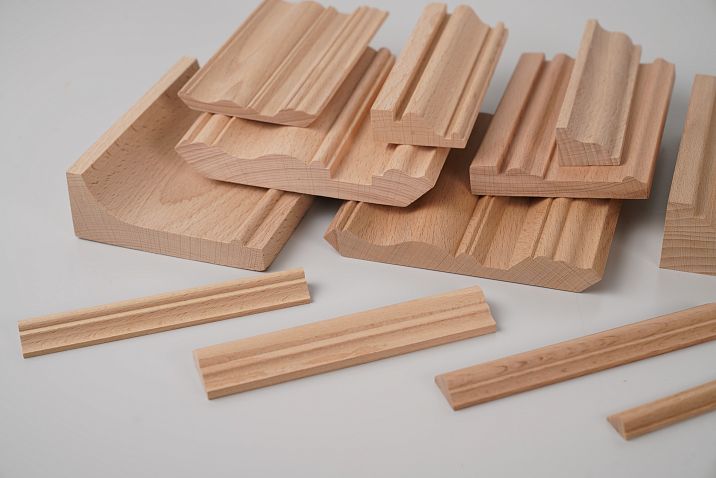
In an era of constant technological transformations and rapid urban development, it is impossible to overestimate the value of natural materials in construction.Wood Building Materials have long become an indispensable part of modern design, architecture, and renovation. Natural wood attracts with its eco-friendliness, aesthetics, and durability, allowing to create a space where nature and technology coexist harmoniously.


Origins and Traditions of Wood Use in Construction
Wood is one of the oldest materials used by humans. Since ancient times, it has been used in building homes, creating furniture, decorating interiors, and even in decorative finishes of public buildings. Wood possesses unique physical and chemical properties, such as insulation, soundproofing, and the ability to 'breathe', which allows it to regulate the microclimate in rooms.




Role of Natural Wood in Forming Cultural Heritage
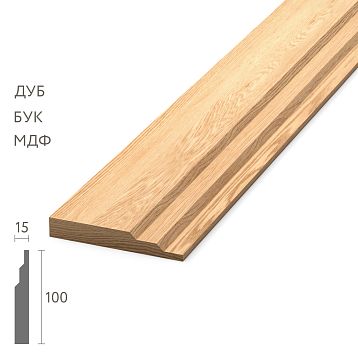
In different cultures around the world, wood symbolized life, strength, and stability. Craft traditions passed down from generation to generation have preserved a rich variety of wood processing methods, which today still enable the creation of unique architectural and decorative elements. SuchWood Building Materialsas moldings, cornices, and skirting boards, become not just functional elements, but expressive accents in interior design, highlighting the individuality of each space.
Our factory also produces:


Modern Technologies and Innovative Approaches
Get Consultation
Synthesis of Traditions and Innovations
Modern wooden product manufacturers actively integrate traditional processing methods with advanced technologies. Computer modeling, laser cutting, and ultrasonic welding allow achieving high precision and quality in wood processing, minimizing waste and enhancing product durability. SuchWood Building Materials are today used not only in repair but also in creating complex architectural forms, enabling the combination of aesthetics with functionality.
Efficiency and ecological responsibility
One of the main advantages of natural wood is its ecological nature. Unlike synthetic materials, wood is a renewable resource, and modern technologies allow minimizing harmful impact on the environment during its processing. Production based on lean manufacturing principles ensures process optimization and cost reduction, making the use of naturalwooden construction materials not only economically justified but also socially responsible.
Advantages of wooden structures
Thermal and Sound Insulation
Wood is a natural insulator. Due to its structure, it effectively retains heat in winter and prevents overheating of rooms in summer. This makes wooden structures indispensable in variable climate conditions. Moreover, natural wood has high sound insulation properties, which is especially relevant for urban apartments and public buildings.
Aesthetic appeal and uniqueness
Natural wood does not require artificial decoration — its texture, grain pattern, and shades create a unique visual effect. In interiors, it adds coziness and warmth, and in exteriors — natural harmony. SuchWood Building Materialssuch as cornices, skirting boards, and moldings, serve as expressive decorative elements, highlighting the individuality of the architectural solution.
Strength and durability
When properly processed and protected, wood can serve for centuries. The use of modern antiseptics and processing technologies allows significantly extending the service life of wooden structures. The durability of natural wood makes it an economically advantageous choice, as investments in quality materials pay off multiple times due to reduced costs for repairs and replacement of structural elements.
Application of wooden materials in modern architecture
Interior design and decoration
Natural wood finds wide application in interior design. Moldings, cornices, and skirting boards made of natural material give a room a finished look and create a cozy atmosphere. Many modern designers chooseWood Building Materials to create exclusive interiors where every detail is thought out to the smallest detail. Variations in wood finishing — from polishing to applying lacquer coatings — allow selecting the optimal solution for any style, whether classic or modern.
Architectural solutions in residential and commercial construction
Wood has long become a favorite in designing modern residential and commercial buildings. Its ecological and technical advantages allow creating buildings with minimal environmental impact. Modern architects experiment with forms and structures, usingWood Building Materials for constructing facades, creating decorative elements, and even as primary load-bearing structures. The use of natural wood in construction helps not only reduce energy consumption but also create buildings with a unique architectural appearance.
Decorative elements and finishing
In modern construction and renovation, decorative elements play an important role, giving rooms a finished look. Cornices, skirting boards, and moldings made of natural wood serve not only as functional elements but also as decorative accents, allowing to emphasize the style and uniqueness of the interior. The use of suchwooden construction materials allows creating smooth lines and complex ornaments that cannot be reproduced using artificial materials. Key aspects of selecting and caring for wooden materials
Criteria for selecting quality materials
When selecting wooden structures, important criteria include the origin of raw material, processing method, and surface protection. Only materials of the highest quality can guarantee longevity and safe operation. Modern manufacturers carefully select wood, paying special attention to ecological purity and physical-mechanical properties. ChoosingWood Building Materialsensures confidence that the products will serve for many years without losing their original qualities.
Care and protection of wood
To preserve the aesthetic and technical characteristics of wooden products, regular maintenance is required. This includes periodic cleaning, application of protective coatings, and timely repair work. Modern wood care products allow protecting the surface from moisture, insects, and ultraviolet rays, preserving the natural beauty and strength of the material. Such comprehensive care for naturalwooden construction materials is a guarantee of their longevity and aesthetic appeal.
Ecological standards and safety
The modern construction market imposes high requirements on the ecological safety of materials. Natural wood, when complying with all norms and standards, is safe for health and does not harm the environment. The use of eco-friendly compositions and modern processing technologies allows minimizing the risk of harmful substance emissions during operation. When selectingwooden construction materials one should rely on certified products meeting international quality and safety standards.
Prospects for Development and Trends in Wood Usage
Revival of Traditions in Modern Construction
Many architects and designers are returning to the roots, choosing natural wood as the basis for creating unique objects. Combining traditional processing methods with innovative technologies allows creating items that not only meet high quality standards but also possess a unique aesthetic appearance. SuchWood Building Materials become a symbol of a new approach, where care for nature and the pursuit of innovation go hand in hand.
New Technologies and Digitalization in Wood Processing
The introduction of digital technologies fundamentally changes traditional wood processing methods. Using CAD/CAM systems, automated production lines, and laser cutting allows achieving high precision and individuality for each item. These technologies contribute not only to improved quality but also to reduced production times, which is especially important in the context of increasing competition in the construction market. Digitization of processes enables integrating innovative solutions, making natural wood an even more sought-after material.
Global Trends in Ecological Construction
Ecological awareness and sustainable development are becoming key trends in modern construction. Natural wood, as an environmentally clean and renewable resource, occupies a central place in green building concepts. Energy efficiency, minimal environmental impact, and natural beauty — these are the qualities that make wooden structures a priority choice for modern architects. Applying suchwooden construction materials aligns with global trends and enables creating projects that contribute to preserving nature for future generations.
Examples of Successful Projects and Cases of Wood Usage
Residential Complexes and Cottage Communities
Modern residential complexes designed using natural wood demonstrate high energy efficiency and comfort levels. Architects apply various finishes, combining traditionalWood Building Materials with modern insulation and soundproofing technologies. The result is not only aesthetically appealing housing but also the creation of a healthy microenvironment conducive to living and relaxation.
Commercial Buildings and Public Structures
In commercial construction, wooden structures are successfully used to create unique office, shopping center, and restaurant interiors. The natural warmth and richness of wood textures create an atmosphere of coziness and exclusivity, which is especially valued in today’s business world. Applying naturalwooden construction materials allows developing a design that combines tradition and innovation, creating a memorable brand image and increasing customer loyalty.
Restoration of Historical Sites
In the restoration of architectural monuments, natural wood plays an important role, enabling the preservation of the historical authenticity of buildings. Using high-quality wooden elements helps recreate original appearances and architectural details, contributing to the restoration of cultural heritage. In this contextWood Building Materials become an indispensable tool for specialists striving to preserve historical accuracy during object modernization.
Conclusion: Looking to the Future with Respect for Traditions
Natural wood and its derivatives are not merely construction materials but a philosophy embodied in aesthetics and functionality.Wood Building Materials They represent a unique combination of traditions, innovations, and ecological responsibility. They open up boundless creative opportunities for modern architects and designers, enabling the creation of objects capable of transforming the appearance of cities and interiors.
In the context of rapid technological development and global ecological challenges, the use of natural wood becomes a symbol of conscious choice. This is the choice of those who value quality, durability, and natural beauty. Applying innovative processing methods, digitizing production processes, and strictly adhering to ecological standards not only improves product quality but also preserves the uniqueness and authenticity of the material.
When selecting materials for construction and renovation, it is important to consider not only their aesthetic appeal but also practical aspects: durability, thermal insulation, sound insulation, and ecological safety.Wood Building Materials This is an investment in the future, which pays off through reduced maintenance costs, increased comfort, and improved health of residents.
Natural wood continues to inspire craftsmen and creators, enabling the creation of unique projects where every detail is thoughtfully considered. From residential homes to public buildings, from restoring historical landmarks to modern architectural solutions — wood occupies a special place, becoming a symbol of harmony between the past and the future, between traditional craftsmanship and innovative technologies.
Let everyone who seeks to bring a piece of nature into their life pay attention to the opportunities thatWood Building MaterialsThis material not only allows realizing the most daring architectural concepts but also offers the chance to touch upon age-old traditions, feel the warmth of nature, and bring a piece of ecological awareness into everyday life.
Thus, natural wood and its derivatives continue to occupy a central place in modern construction and design. Thanks to the integration of advanced technologies, adherence to ecological standards, and respect for traditions,Wood Building Materials they open new horizons for architects, designers, and builders. They contribute to creating comfortable, cozy, and ecologically safe spaces capable of meeting even the most demanding requirements of modern society.
The path to creating unique architectural solutions lies in the harmonious combination of ancient traditions and innovative approaches, where every element—from cornices to skirting boards—becomes a work of art. In this context, natural wood demonstrates its universality and timeless beauty, serving as a symbol of sustainable development and conscious choice in favor of quality, eco-friendly, and durable materials.
Let the inspiration bestowed upon us by natural wood become a foundation for new achievements, and innovativeWood Building Materials will help each individual realize bold ideas and create a space where nature, art, and modernity harmoniously coexist.