Article Contents:
- Evolution of Consumer Preferences
- Criteria for Choosing a Reliable Decor Supplier
- Regional market specifics
- Staff Professionalism and Service
- Product Range and Quality
- Materials for Outdoor Decor: From Classics to Innovations
- Pricing policy and cooperation terms
- Traditional Natural Materials
- Stylistic Directions in Modern Outdoor Decor
- Modern Composite Solutions
- Innovative materials and technologies
- Ethnic Motifs: Cultural Heritage in Modern Interpretation
- Neoclassicism: Eternal Principles of Beauty
- Modern minimalism: philosophy of simplicity
- Industrial Style: Aesthetics of Modernity
- Technological Solutions in Outdoor Decor Production
- Innovative Molding Methods
- Digital Technologies in Design and Production
- Logistical Aspects of Working with Decorative Materials
- Modern surface finishing methods
- Warehouse Storage and Logistics
- Transportation specifics of decorative elements
- Supply Planning and Project Management
- Economic Aspects of Choosing Decorative Solutions
- Factors Forming the Cost of a Project
- Budget Solutions and Their Possibilities
- Modern Trends in Outdoor Decor
- Investment Appeal of Quality Decoration
- Regional Specifics of the Russian Market
- Ecological trends
- Technological Innovations
- Stylistic directions
- Climate Characteristics of Different Regions
- Climate characteristics of various regions
- Cultural and Architectural Traditions

Choosing a qualityoutdoor decor storebecomes a decisive factor in creating a unique architectural appearance of a country house or dacha. In today's world, where individuality and aesthetic appeal of a residence play a key role, properly chosen decorative elements can radically change the perception of even the most modest structure, transforming it into a true architectural masterpiece.
Why do some houses attract admiring glances from passersby, while others remain unnoticed? The secret lies not so much in the size or cost of the building, but in the thoughtfully designed decorative facade. Every cornice, every window casing, every column tells its own story, creating a unique atmosphere and highlighting the individuality of the owners.
The modern market of decorative materials is astonishing in its variety of offerings. From classic moldings to avant-garde composite solutions — the choice seems limitless. However, precisely this abundance of options may become a source of difficulties for an unprepared buyer. How to avoid getting lost in the diversity of offerings? How to choose a reliable supplier? What to pay attention to when purchasing? These questions require professional answers.


Modern Outdoor Decor Market: Trends and Prospects
The industry of exterior decorative materials is experiencing a period of dynamic development. Traditional materials are complemented by innovative composites, classic styles coexist with modern design concepts, and consumer preferences are evolving toward more conscious and thoughtful choices.




Evolution of Consumer Preferences
The modern buyer of facade decorative elements differs significantly from their predecessor a decade ago. If previously the main criterion for selection was price, today quality, durability, eco-friendliness, and design value of the product take precedence. Consumers are willing to invest in long-term solutions that not only beautify the home but also increase its value.
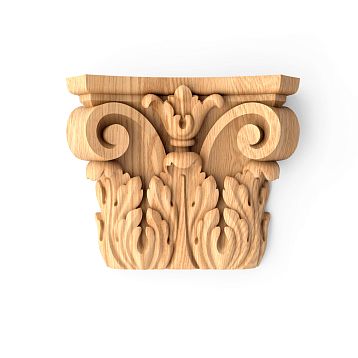
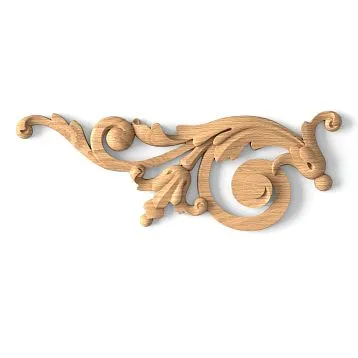
The popularity of individual solutions is growing. Mass, standard elements are giving way to exclusive items created according to custom designs.carved items catalogModern manufacturers offer not only standard products but also customization options tailored to specific projects.
Ecological trends influence material selection. Consumers increasingly prefer natural and eco-friendly materials — quality wood, natural stone, safe composites. Certification of products according to ecological standards has become an important competitive advantage.
Technological innovations are changing perceptions of decorative possibilities. Modern materials allow creating elements that were once considered impossible — self-cleaning surfaces, shape-memory items, integrated lighting systems.
Our factory also produces:


Regional market specifics
The Russian market for outdoor decoration has distinct regional characteristics related to climatic conditions, cultural traditions, and economic factors. Understanding this specificity is critically important for both manufacturers and consumers.
Northern regions require special requirements for frost resistance and wind resistance of decorative elements. Here, massive forms, natural materials, and restrained color solutions are popular.Facade DecorationFor northern conditions, it must withstand temperatures down to -40°C and wind loads up to 200 km/h.
Southern regions focus on protection against intense ultraviolet radiation and high temperatures. Here, light colors, reflective coatings, and materials with high heat resistance are in demand. Mediterranean motifs, bright accents, and lightweight lace-like structures are popular.
Central regions have moderate climatic requirements, expanding the palette of available materials and stylistic solutions. Here, the segment of premium products for suburban residences of affluent buyers is particularly developed.
Far Eastern regions are influenced by Asian culture, reflected in the popularity of corresponding decorative motifs. At the same time, harsh climatic conditions require particularly durable materials and structures.
Get Consultation
Criteria for choosing a reliable decorative supplier
The success of any facade decoration project largely depends on the proper selection of material suppliers. A professionaloutdoor decoration storeshould provide not only high-quality products, but also comprehensive services including consultation, design, and logistics.
Product assortment and quality
A wide range of products is the first sign of a serious supplier. A professional store should offer a complete line of decorative elements: from basic moldings to complex sculptural compositions. It is important to have products available in various price segments — from budget solutions to premium products.
Material quality is determined not only by visual characteristics but also by technical parameters. A serious supplier provides detailed technical specifications for all products, including data on frost resistance, moisture absorption, strength, and durability.
Product certification is a mandatory requirement for a professional supplier. All materials must comply with Russian quality and safety standards. Special attention should be paid to ecological certifications confirming the safety of materials for human health.
The presence of innovative materials in the assortment indicates that the company stays abreast of technological developments and is ready to offer clients the most modern solutions.Polyurethane ItemsNew-generation materials, composite materials, smart coatings — all of this should be present in the catalog of a progressive supplier.
Professionalism of staff and service
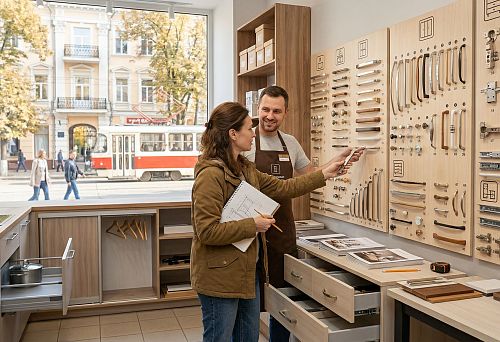
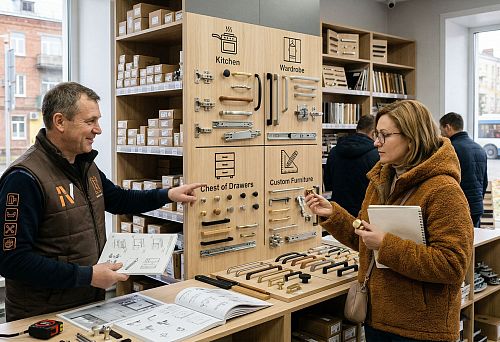
The qualifications of consultants play a key role in the selection of decorative elements. Professional staff should have deep knowledge in materials science, construction technologies, and architectural styles. A good consultant does not merely sell products but helps implement the client's design concept.
Technical support includes assistance in calculating material requirements, selecting components, and developing installation schematics. Professional companies provide detailed installation instructions, maintenance recommendations, and warranty service.
Design services are becoming increasingly in demand. The opportunity to receive professional assistance in creating a decorative design concept, visualizing the project, and selecting color schemes significantly increases the value of cooperation with the supplier.
Logistical capabilities determine the ease of working with the supplier. A developed network of warehouses, prompt delivery, the ability to deliver on time, and careful packaging — all these factors influence the overall project outcome.
Pricing policy and cooperation terms
Transparent pricing policy is a sign of a reliable supplier. Prices should be clearly stated, include all cost components, and not contain hidden fees. The ability to obtain a detailed cost estimate for the project during the planning stage helps properly plan the budget.
A flexible discount system encourages loyal customers and makes cooperation more beneficial. Discounts for volume purchases, for regular customers, on certain product groups, seasonal promotions — all these are tools used by professional companies.
Payment terms should be convenient for clients. The option for installment payments for large projects, various payment methods, and working with corporate clients expand the possibilities of cooperation.
Warranty obligations indicate the supplier's confidence in the quality of their products. Long warranty periods, clear warranty service conditions, and prompt resolution of disputes — important factors when choosing a supplier.
Materials for outdoor decoration: from classics to innovations
The modern market for exterior decorative materials offers an impressive variety of solutions. Each material has its own advantages and optimal application areas. Understanding the characteristics of different materials helps make the right choice.
Traditional natural materials
Natural stone remains the benchmark of prestige and durability in decorative finishing. Granite, marble, travertine, sandstone — each variety has unique characteristics and aesthetic qualities. Stone decor creates a sense of solidity, nobility, and connection to historical traditions.
The advantages of natural stone are obvious: exceptional strength, resistance to atmospheric effects, unique texture, and the ability to develop a noble patina over time. However, high cost, complexity of processing and installation, and heavy weight limit the application scope of stone decor.
Quality hardwoods traditionally used for creating carved decorative elements. Oak, beech, ash, walnut provide the necessary strength for outdoor use. Modern thermal treatment and protective coatings significantly extend the service life of wooden elements.
Exotic wood species — teak, ipe, kumaru — offer unique aesthetic qualities and natural resistance to external influences. However, high cost and limited availability make them suitable for exclusive projects.
Wrought iron items made from high-quality steel create an unparalleled atmosphere of aristocracy. Handcrafted artistic forging allows creating unique decorative art pieces. Modern anti-corrosion coatings ensure the longevity of wrought iron elements.
Modern composite solutions
Decorative InsertsPolyurethane materials represent a revolutionary solution for creating complex decorative forms. The material combines ease of processing with exceptional performance characteristics. Polyurethane is resistant to moisture, frost, ultraviolet radiation, and microbial attack.
Modern molding technologies allow creating polyurethane elements with detail indistinguishable from hand-carved wood or stone. At the same time, the cost remains accessible to a broad range of consumers. The ability to color in any shade expands design possibilities.
Fiberglass composites provide exceptional strength at minimal weight. This material enables creating large-scale elements with complex geometry, impossible to achieve with traditional materials. Fiberglass is corrosion-resistant and requires no special maintenance.
Wood-polymer composites (WPC) combine the aesthetics of natural wood with the practicality of modern materials. WPC does not require painting, does not rot, does not fade, while retaining a pleasant wood texture and the ability to be processed with carpentry tools.
New-generation ceramic composites offer wide possibilities for creating decorative elements of complex shapes. High-temperature firing ensures exceptional strength and longevity of the products. Glazed surfaces create a rich palette of colors and textures.
Innovative materials and technologies
Nanocomposites open new possibilities for creating materials with specified properties. Adding nanoparticles to a polymer matrix allows obtaining materials with unique characteristics — super strength, self-cleaning, antibacterial properties.
Smart materials with variable properties represent the future of the decorative industry. Thermochromic coatings change color depending on temperature, photochromic coatings — depending on light intensity. Materials with shape memory can change geometry under external factors.
Bio-composites based on plant fibers combine eco-friendliness with good performance characteristics. Using flax, jute, hemp fibers as reinforcing fillers creates materials that are fully biodegradable at the end of their life cycle.
3D printing of decorative elements revolutionizes the industry of personalized decor. The ability to quickly manufacture unique items based on individual sketches makes exclusive decor accessible to a broad range of consumers.
Stylistic directions in modern outdoor decor
Choosing a stylistic direction determines the overall concept of decorative facade treatment. Each style has its distinctive features, material preferences, and color solutions. The modern market offers both classical historical styles and innovative designer concepts.
Neoclassicism: eternal principles of beauty
Neoclassical style remains one of the most popular in the design of representative buildings. It combines the grandeur of ancient forms with the practicality of modern materials and technologies. Key elements of neoclassical decor — columns, pilasters, entablatures, pediments — create a sense of monumentality and prestige.
Modern interpretations of classical forms allow certain liberties in proportions and materials.Architectural decorationCan be executed not only from marble and granite, but also from high-quality composite materials visually indistinguishable from natural stone.
The color palette of neoclassicism leans toward light, noble tones. White, cream, beige, light gray — these colors create a sense of purity and solemnity. Gold or bronze accents on individual elements emphasize their significance.
Proportionality is the main principle of neoclassical composition. All elements must be proportionate to the overall building dimensions and to each other. Classical order proportions ensure harmonious perception.
Modern minimalism: philosophy of simplicity
A minimalist approach to facade decoration is gaining increasing popularity among adherents of modern architecture. Core principles of minimalism — simplicity of forms, purity of lines, functionality of each element — create a unique aesthetic of restrained elegance.
Geometric forms dominate in minimalist design. Rectangles, squares, circles, regular polygons create a clear facade structure. Precision of execution is crucial — any irregularity or dimensional discrepancy immediately stands out.
Minimalist materials must have an ideal surface and precise dimensions. Concrete, metal, glass, ceramic tile — materials with perfect texture and stable characteristics. Natural materials are used in their natural state, without additional decorative processing.
The color palette of minimalism is built on nuances of gray, white, and black. Bright color accents are used sparingly and only to highlight functionally important elements. The importance lies not in brightness, but in the quality of color — its purity, depth, and stability.
Ethnic motifs: cultural heritage in modern interpretation
Using ethnic motifs in decoration allows highlighting cultural affiliation or creating a unique atmosphere. Russian, Scandinavian, Mediterranean, and Eastern styles offer a rich arsenal of decorative elements and techniques.
Russian style is based on traditions of wooden architecture. Carved casings, cornices, window surrounds, and porch columns with turned posts create a unique character of Russian estates. Modern technologies allow reproducing complex carved ornaments with high precision and durability.
Scandinavian style is characterized by simplicity and naturalness. Light colors, simple forms, natural materials create an atmosphere of northern restraint. Functionality of each element is a mandatory requirement of Scandinavian design.
Mediterranean style brings the warmth of southern countries. Terracotta tones, arched forms, ceramic elements, wrought iron details create an atmosphere of eternal summer. Extensive use of plant motifs in decoration emphasizes the connection with nature.
Eastern motifs impress with their refinement and symbolism. Complex geometric patterns, calligraphic elements, traditional color combinations create a unique atmosphere of Eastern philosophy.
Industrial style: the aesthetics of modernity
Industrial aesthetics transform constructive elements into decorative ones. Open communications, rough textures, contrasting material combinations create a brutal yet expressive image of modern architecture.
The main materials of industrial style — concrete, metal, brick in their natural form. Authenticity of the material is important, absence of attempts at imitation or ornamentation. Signs of manufacturing processes — formwork, weld seams, patina — become decorative elements.
The color palette is built on contrasts. Black, white, gray are complemented by bright accents — red brick, rusted metal, green communications. Saturation and purity of the colors used are important.
Functional elements — staircases, railings, ventilation grilles — become decorative accents. The main requirement — honesty of construction and material, absence of false elements.
Technological solutions in the production of outdoor decor
Modern production technologies for decorative elements have fundamentally changed the possibilities for designers and architects. From traditional craftsmanship, the industry has moved to high-tech processes, enabling the creation of items of unprecedented complexity and quality.
Digital technologies in design and production
Computer-aided design (CAD/CAM) has revolutionized the creation of decorative elements. Three-dimensional modeling allows detailed development of each element even at the design stage, identifying possible problems, optimizing shapes and sizes.
Parametric design allows creating families of related elements, automatically adapted to different sizes and proportions. Changing basic parameters automatically recalculates the entire geometry of the item, ensuring project consistency.
CNC machining ensures micron-level precision in manufacturing complex shapes. Multi-axis milling centers can process parts of virtually any complexity from various materials — wood, stone, metal, composites.
3D printing opens opportunities to create items with internal cavities, variable density, integrated mechanisms. Large-format 3D printing of architectural elements has become a reality thanks to advancements in technology and materials.
Laser technologies provide precise cutting and engraving of various materials. The ability to create complex lace-like forms, delicate patterns, perfectly clean edges makes laser processing indispensable for creating exclusive decorative elements.
Innovative molding methods
Injection molding allows creating serial items of complex shape with high surface detail. Modern thermoplastic materials ensure longevity and dimensional stability of finished items.
Rotational molding is suitable for manufacturing large hollow elements. The technology allows creating items with uniform wall thickness at minimal weight. Particularly effective for producing decorative vases, planters, architectural elements.
Pulsation molding provides high surface detail when working with thermosetting materials. The technology is ideal for reproducing complex textures, imitating natural materials, creating artistic reliefs.
Vibrational molding remains the primary technology for producing decorative elements from concrete mixtures. Modern equipment allows creating items with minimal porosity, high strength, precise geometry.
Centrifugal molding is used to create cylindrical elements — columns, balusters, posts. The technology ensures dense material structure, absence of internal defects, high strength of the items.
Modern surface finishing technologies
Sandblasting creates a uniform rough surface, ideal for subsequent coating application. The possibility of using abrasives of different fractions allows obtaining surfaces with specified characteristics.
Chemical etching is used to create decorative effects on metallic surfaces. Controlled acid action allows obtaining reliefs, patina imitations, antique effects.
Electrochemical treatment provides perfectly smooth surfaces on metal items. The technology allows achieving mirror finish without mechanical polishing, which is especially important for complex shapes.
Plasma coating creates protective-decorative coatings with unique properties. The possibility of applying practically any material — from ceramics to precious metals — opens wide opportunities for designers.
Laser texturing allows creating micro-reliefs with specified optical properties. The technology ensures creation of surfaces with controlled reflection, scattering, and light absorption.
Logistical aspects of working with decorative materials
Successful implementation of a decorative design project depends not only on the quality of materials, but also on the efficiency of logistical processes. Timely delivery, proper storage, careful transportation — all these factors influence the final result.
Special features of transporting decorative elements
The fragility of many decorative elements requires a special approach to packaging and transportation. Molded details, carved elements, ceramic items require individual packaging using cushioning materials.
The dimensions of some elements require the use of specialized transport. Large columns, architectural beams, sculptural groups may exceed standard transportation restrictions, requiring special permits for transport.
Temperature limitations are critical for some materials. Polymer composites may become brittle at low temperatures, requiring climate control during winter transportation.
Humidity conditions affect the stability of wooden elements. Sudden changes in humidity may cause deformation, cracks, changes in size. Sealed packaging with moisture absorbers prevents these problems.
Vibrational loads during transportation may damage fragile components. Using vibration-isolating pads, soft fasteners, and damping materials minimizes the risk of damage.
Warehouse storage and logistics
Climate control in warehouses is critically important for preserving the quality of decorative materials. Stable temperature and humidity prevent deformation, condensation, and microbial growth.
Storage systems must ensure easy access to goods and prevent damage. Shelving with soft surfaces, individual compartments for fragile items, and mechanized lifting systems for heavy elements.
Inventory tracking using modern IT systems ensures accurate stock monitoring, quality control, and supply planning. Barcode or RFID tags allow automation of many processes.
Warehouse zoning by material type optimizes logistics. Separate zones for metal items, wooden elements, fragile goods, and chemical materials prevent mutual influence and simplify item retrieval.
Security systems protect valuable products from theft and damage. Surveillance cameras, alarm systems, access control, and fire protection systems are all components of a modern warehouse complex.
Supply planning and project management
Supply scheduling must consider construction timelines, weather conditions, and seasonal demand. Proper planning prevents project delays due to material shortages and excessive warehouse stock.
Phased material delivery optimizes resource and warehouse space usage. Materials are delivered as they become ready for use, reducing financial burden and risk of damage during long-term storage.
Coordination with contractors ensures synchronized deliveries with construction progress. Regular meetings, plan exchanges, and timely updates on changes prevent logistical disruptions.
Safety stock for critical items protects against unforeseen situations. Safety stock levels are calculated based on material importance, procurement difficulty, and project impact of shortages.
Incoming material quality control prevents use of defective products. Incoming inspection includes checking completeness, compliance with specifications, absence of damage, and conformity to samples.
Economic aspects of choosing decorative solutions
The cost of decorative finishes can vary widely — from tens of thousands of rubles for simple elements to millions for exclusive projects. Understanding pricing factors helps optimize the price-to-quality ratio.
Factors influencing project cost
Material of manufacture is the primary factor determining the cost of decorative elements. Natural stone and hand-carved wood are significantly more expensive than composite materials but offer uniqueness and prestige.
Geometric complexity directly affects manufacturing cost. Simple geometric shapes are produced on automated lines with minimal costs, while intricate moldings require individualized approaches and skilled labor.
Order volume significantly affects the unit cost of elements. Large series allow amortization of development, tooling, and equipment setup costs. Individual items cost significantly more than mass-produced ones.
Manufacturing timelines affect the final project cost. Standard timelines ensure optimal production load, while urgent orders require rescheduling and additional resources.
Quality requirements determine the manufacturing technology and, consequently, the cost. Higher demands for precision, surface quality, and durability require more expensive technologies and materials.
Budget-friendly solutions and their possibilities
Polymer materials offer the optimal price-to-quality ratio for most projects. Modern polyurethane is visually indistinguishable from natural stone or wood but costs significantly less and has superior performance characteristics.
Standard catalog items are significantly cheaper than custom-made pieces. Most manufacturers offer extensive catalogs of standard solutions covering basic decorative needs.
Combining materials allows creating a striking effect within a limited budget. Main facade areas are finished with inexpensive materials, while accents are highlighted with premium elements.
Phased project implementation spreads costs over time. Start with basic elements — trim, cornices, foundation — then gradually add decorative details.
DIY simple tasks reduce overall project cost. Painting, basic installation, and preparatory work can be performed by owners with appropriate skills.
Investment attractiveness of quality decoration
Increased property value is one of the main arguments in favor of investing in quality decoration. A beautifully finished home may cost 20-30% more than a similar property without decorative finishes.
Reduced operating costs are achieved through use of durable materials requiring minimal maintenance. Quality decoration can serve for decades without additional investment.
Some decorative elements have energy-saving effects, reducing heating costs. Insulated cornices, insulated decorative panels, and windbreak screens improve building energy efficiency.
The psychological comfort provided by an aesthetically pleasing environment is difficult to overestimate. A well-designed home generates positive emotions among residents and guests, enhances the quality of life, and establishes a positive reputation for owners.
The long-term return on quality decoration is ensured by its durability, low operating costs, and increase in property value. Initial investments are recouped within several years.
Modern trends in exterior decoration
The fashion for decorative exterior finishes constantly evolves, reflecting changes in lifestyle, technological achievements, and ecological priorities. Understanding current trends helps create timely and forward-looking solutions.
Ecological trends
Sustainable development has become a key trend in the construction industry. Consumers are increasingly paying attention to the ecological impact of materials throughout their entire life cycle — from production to disposal.
Natural materials are experiencing a renaissance in popularity. Wood, stone, clay attract not only due to their eco-friendliness, but also their unique aesthetic qualities. Modern processing technologies enhance the durability of natural materials.
Recycled materials find new applications in decorative elements. Plastic from post-consumer waste, reclaimed wood, recycled metal — ecology can be not only beneficial, but also beautiful.
Local materials reduce transportation carbon footprint and support local economies. Using local stone, regional wood, and traditional technologies creates an authentic atmosphere.
Energy-efficient technologies are integrated into decorative elements. Solar panels embedded in awnings, heat-storing materials in walls, natural ventilation through decorative elements increase building energy efficiency.
Technological Innovations
Smart materials with programmable properties open new possibilities for dynamic decoration. Color, transparency, and shape can be altered according to a programmed sequence or in response to environmental changes.
Integrated lighting transforms decorative elements into light sources. LED technologies allow embedding lighting into the most delicate decorative elements, creating striking light compositions.
Interactive elements respond to human presence, weather conditions, and time of day. Sensors for motion, temperature, and light control the behavior of decorative elements.
Augmented reality allows creating virtual layers of decoration visible through mobile devices. Historical reconstructions, additional information, and interactive elements expand the possibilities of perceiving architecture.
Robotized production reduces the cost of complex decorative elements and improves their quality. Automation enables producing individual items at the price of mass-produced ones.
Stylistic directions
Neo-brutalism introduces elements of industrial aesthetics into decoration. Rough textures, contrasting combinations, and emphasized construction create expressive architecture.
Scandinavian minimalism continues to gain popularity due to its functionality and connection with nature. Simple forms, natural materials, and light colors create an atmosphere of northern restraint.
Ethnic motifs adapt to modern requirements. Traditional ornaments are reproduced using modern technologies, creating a link between history and the present.
Bio-design draws inspiration from natural forms. Organic curves, plant textures, and natural colors create harmony between architecture and nature.
Parametric design uses mathematical algorithms to create complex forms. Computer modeling allows creating decorative elements of unprecedented complexity.
Regional specificity of the Russian market for exterior decoration
The Russian market for exterior decoration exhibits distinct regional characteristics linked to climatic conditions, cultural traditions, economic factors, and peculiarities of the local construction market.
Climatic characteristics of different regions
Northern regions of Russia impose extreme requirements on decorative materials. Temperatures down to -50°C, strong winds, and prolonged freezing periods necessitate the use of exceptionally durable materials and structures.
Materials for northern conditions must withstand at least F200-F300 cycles. Materials suitable for the middle belt may deteriorate within a single winter in the Far North.
Snow loads in northern regions can reach 500-700 kg/m², requiring reinforced fastenings and structures. Canopies, eaves, and protruding elements must withstand significant loads.
Wind loads in Arctic regions may exceed those calculated for moderate climates by several times. All decorative elements must be securely fastened and aerodynamically designed.
Southern regions present different challenges for decorative materials. Intense ultraviolet radiation, high temperatures up to +50°C, and sharp temperature fluctuations require special materials.
UV resistance becomes a critical characteristic for southern conditions. Materials must retain color and mechanical properties under intense solar radiation.
Thermal resistance is important for dark materials that can heat up to 70-80°C under southern sun. Thermal deformations may damage decorative elements or their fasteners.
Cultural and Architectural Traditions
Russian regions tend toward traditions of wooden architecture. Carved casings, cornices, and decorative elements in Russian style enjoy steady demand in central and northern regions of Russia.