Article Contents:
- Criteria of Excellence: What Makes Balusters the Best
- Material Foundation of Quality
- Technological Perfection
- Classification of Elite Balusters by Styles
- Classic Heritage
- Baroque Luxury
- Modern interpretation
- Wood Species: Characteristics of Premium Materials
- Oak: The King of Wood Species
- Ash: elegance and strength
- Exotic Species: Uniqueness and Prestige
- Technological Processes for Creating Elite Balusters
- Turning: The Art of Symmetry
- Milling: Geometric Precision
- Carving: Artistic Mastery
- Criteria for Evaluating Baluster Quality
- Geometric parameters
- Material Characteristics
- Functional Properties
- Innovative technologies in production
- Digital design
- Production Automation
- Nanotechnology in Processing
- Ecological aspects of production
- Sustainable forestry
- Zero-waste production
- Ecologically clean coatings
- Trends in the Market for Elite Balusters
- Personalization and customization
- Integration of smart technologies
- New materials and composites
- Conclusion
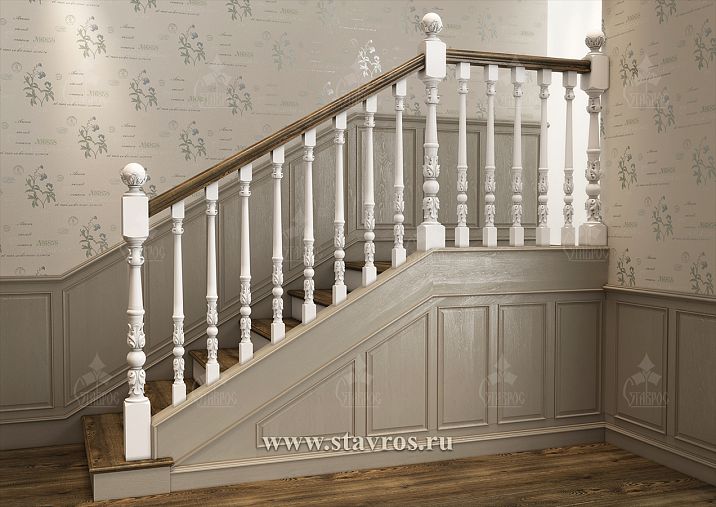
What distinguishes a regular staircase from a work of architectural art? The answer lies in the details, among which special place is occupied by best balusters — those very elements that transform a functional structure into an aesthetic masterpiece. The choice of quality balusters determines not only the appearance of the staircase, but also its durability, safety, and the prestige of the entire interior.
In a world where every detail matters, seeking ideal balusters becomes a true art. This is not simply purchasing a building element — it is an investment in the beauty, reliability, and prestige of your home. Each quality baluster carries within it a history of craftsmanship, traditions of wood processing, and a pursuit of perfection.


Criteria of Excellence: What Makes Balusters the Best




Material Foundation of Quality
The foundation of excellence of any baluster is laid during the selection of raw material. Elite manufacturers carefully select wood, taking into account not only the species but also the growing conditions of the tree, the time of harvesting, and drying methods. The best balusters are made exclusively from top-grade wood, where every fiber has been tested by time and the experience of masters.
Oak remains the unrivaled leader among materials for premium balusters. Its density reaches 700-800 kg/m³, providing exceptional strength and longevity of the products. The oak texture, with its characteristic large pores and expressive growth rings, creates a unique pattern that becomes even more pronounced with age.
Ash offers an alternative solution for those who appreciate light tones and contrasting textures. Its flexibility and resistance to deformation make ash balusters an ideal choice for structures subjected to variable loads. The natural elasticity of the material allows creating elements of complex curved forms without the risk of cracking.
Our factory also produces:


Technological Perfection
Modern wood processing technologies open up limitless possibilities for creating balusters of the highest quality. CNC machines ensure processing accuracy down to fractions of a millimeter, which is critically important for creating complex profiles and ornaments.
The drying process of wood in modern chambers allows achieving optimal moisture content of 8-12% with uniform distribution throughout the entire volume of the blank. This eliminates internal stresses that could lead to deformation or cracking of finished products during operation.
Final surface finishing includes multi-stage sanding with a gradual transition from coarse to fine abrasives. Quality balusters undergo sanding with abrasive paper up to 400 grit, ensuring a perfectly smooth surface ready for protective coatings.
Get Consultation
Classification of Elite Balusters by Styles
Classic Heritage
Classic balusters embody centuries of architectural craftsmanship. Their forms are based on the principles of the golden ratio and mathematical proportions developed by masters of the Renaissance. The best balusters of the classic style are distinguished by strict symmetry, noble simplicity of lines, and flawless execution.
Characteristic elements of classic balusters include a clearly defined base, an elegant shaft with smooth transitions in diameter, and an elegant capital. Grooves — vertical channels — add additional expressiveness to the elements, creating a play of light and shadow that changes throughout the day.
The production of classic balusters requires a deep understanding of historical canons and modern technological capabilities. Masters must combine traditional processing techniques with innovative methods that ensure the highest quality of finished products.
Baroque Luxury
The Baroque style represents the peak of decorative art in baluster architecture. These elements impress with complex forms, rich carved decoration, and numerous details. Creating Baroque balusters is the pinnacle of joinery craftsmanship, where each element requires an individual approach and artistic sensitivity.
Characteristic features of Baroque balusters include complex composite forms resembling a pile of vases of various sizes, rich carving with plant motifs, mascarons, garlands. Each detail is crafted with jewel-like precision, creating a sense of luxury and grandeur.
Manufacturing such balusters requires not only technical skill but also artistic education. The master must understand the stylistic features of the era, sense proportions, and be able to create harmonious compositions from numerous decorative elements.
Modern Interpretation
Modern baluster design is characterized by minimalist forms, functionality, innovative materials, and technologies. Quality balusters in a modern style demonstrate that simplicity can be no less expressive than the complexity of Baroque forms.
Minimalist balusters require special attention to surface finish quality and geometric form accuracy. Any imperfection in simple forms becomes noticeable, so modern balusters demand higher standards of production technological discipline.
Innovative approaches include the use of composite materials, integration of LED lighting, application of nanoparticle coatings with special properties. These technologies open new possibilities for baluster design and functionality.
Wood Species: Characteristics of Premium Materials
Oak: King of Wood Species
Oak is rightfully considered the benchmark of quality among materials for manufacturing balusters. Its unique properties — high density, strength, resistance to moisture and mechanical impacts — make oak balusters practically eternal. Natural tannins provide inherent protection against insect and fungal damage.
Oak's color palette ranges from light yellow to dark brown, allowing selection of the optimal shade for any interior. The characteristic coarse-grained texture creates an expressive pattern that becomes even more noble with age.
Processing oak requires specialized knowledge and skills. The high hardness of the material imposes specific requirements on tools and processing regimes. However, the result justifies all efforts — oak balusters serve for centuries, preserving their original beauty and strength.
Ash: Elegance and Strength
Ash represents an ideal combination of strength and elasticity. Its light-colored wood with contrasting texture creates a sense of lightness even in massive elements. High impact toughness makes ash balusters resistant to mechanical damage.
Ash's natural color varies from cream-white to light brown with characteristic dark streaks. This feature allows creating expressive contrasts without using tinting compounds, preserving the material's natural beauty.
Ash's flexibility opens wide possibilities for creating balusters with complex curved forms. The material readily accepts steaming and bending, enabling the realization of the most daring design ideas.
Exotic Species: Uniqueness and Prestige
Exotic wood species — teak, mahogany, wenge, rosewood — represent the pinnacle of luxury in the world of wooden balusters. Each species possesses unique characteristics in color, texture, and physical-mechanical properties.
Teak is renowned for its natural water resistance due to high oil content in the wood. Its golden-brown color and silky texture create a sense of warm luxury. Teak balusters require almost no protective treatment and retain their properties for decades.
Wenge impresses with the contrast of its texture — dark chocolate tones with black streaks create a dramatic effect. High density and hardness of wenge ensure exceptional longevity of products, while its unique texture makes each baluster one-of-a-kind.
Technological Processes for Creating Elite Balusters
Turning: The Art of Symmetry
Turning remains the primary method for creating classic balusters. Modern CNC lathes allow achieving perfect repeatability of complex profiles while maintaining the highest surface quality. The best turned balusters demonstrate mathematical precision of forms and flawless symmetry.
The turning process requires not only technical skills but also artistic sensitivity. The master must feel the material, understand its behavior under the cutting tool, and be able to create smooth transitions between different profile elements. Each cut must be precise, and every detail must be harmoniously integrated into the overall composition.
Turning quality is assessed by several criteria: dimensional accuracy, surface cleanliness, smoothness of transitions, symmetry of elements. The best masters achieve such a level of processing that the baluster's surface does not require additional polishing.
Milling: Geometric Precision
Milling opens opportunities for creating balusters with clear geometric forms, sharp edges, complex profiles. Modern CNC milling centers capable of simultaneous five-axis processing allow creating elements of incredible complexity.
Grooves — vertical channels on the surface of balusters — are a classic example of milling. Their depth, width, and quantity must be precisely calculated to create a harmonious visual effect. Quality grooves have uniform depth along their entire length, smooth transitions at the ends, and perfectly parallel side walls.
The spiral thread on balusters represents the pinnacle of milling craftsmanship. Creating an even spiral requires the highest level of programming and execution precision. The thread pitch, angle of inclination, groove depth — all parameters must be maintained with mathematical accuracy.
Carving: Artistic Mastery
Carved balusters represent the pinnacle of woodworking art. Each element is crafted by hand by an experienced carver, making such items truly unique. Elite balusters with artistic carving are not merely functional elements, but works of art.
The process of creating a carved baluster begins with a detailed sketch, where every element of the composition is worked out. The master must consider not only aesthetic aspects but also technological limitations, strength characteristics, and wood properties.
A carver’s toolset includes dozens of different chisels, knives, and rasps. Each tool is intended for specific operations and must be perfectly sharpened. The quality of carving directly depends on the condition of the tool and the carver’s skill.
Quality Criteria for Balusters
Geometric Parameters
Geometric dimension accuracy is the primary quality criterion for any baluster. Deviations from specified dimensions must not exceed ±1 mm for overall dimensions and ±0.5 mm for decorative elements. Special attention is given to end face perpendicularity — deviations exceeding 1 degree are unacceptable.
Element symmetry is controlled using special templates and measuring instruments. Each baluster must precisely match the standard, ensuring interchangeability of elements within a batch. This is especially important for mass production, where strict adherence to dimensions is required.
Surface quality is assessed visually and tactilely. The surface must be smooth, free of chips, scratches, or tool marks. Roughness must not exceed Ra 1.6 μm for visible surfaces and Ra 3.2 μm for hidden areas.
Material characteristics
Wood quality is determined by several parameters: moisture content, density, presence of defects, and structural uniformity. The moisture content of finished balusters should be 8–12% with uniform distribution throughout the volume. Exceeding this value may lead to deformation during use.
Wood defects — knots, cracks, resin pockets, rot — are unacceptable in quality balusters. Even minor defects may become sources of failure under load or during moisture changes. Material selection must be especially strict.
Wood structure uniformity affects the evenness of coloring and the longevity of the product. Areas with different densities absorb protective coatings differently, which may result in uneven color and varying resistance to external influences.
Functional Properties
Baluster strength characteristics must meet calculated load requirements with a safety factor of at least 2.5. Bending, compression, and impact tests allow evaluating the ability of elements to withstand operational loads without failure.
Dimensional stability under changes in humidity and temperature is the most important characteristic of quality balusters. The linear expansion coefficient must not exceed 0.3% for a 10% humidity change. This ensures the preservation of the structure’s geometry under various climatic conditions.
Baluster longevity is determined by resistance to various types of exposure: mechanical loads, moisture, temperature fluctuations, ultraviolet radiation, and biological damage. Quality products must retain their properties for at least 50 years with proper use.
Innovative production technologies
Digital Design
Modern production of top-quality balusters is impossible without the use of automated design systems. 3D modeling allows creating accurate virtual prototypes, conducting strength calculations, and optimizing shape to achieve optimal performance.
Parametric design automates the creation of product families with different sizes while maintaining basic proportions. This significantly speeds up the development of new models and reduces the likelihood of errors.
Virtual reality allows clients to see future balusters in the context of interior design even before production begins. This helps make informed decisions and avoid costly revisions.
Production automation
Robotic production lines ensure the highest precision and repeatability of operations. Robots can work around the clock, maintaining consistent product quality without human factor influence.
Vision systems control quality at every stage of production. Automatic defect detection allows immediate correction of the technological process, preventing the release of defective products.
Integration of all systems into a single information network ensures full traceability of the production process. Each baluster receives a unique identifier, allowing tracking of its entire manufacturing history.
Nanotechnology in Processing
Nanocoatings open new possibilities for protecting and functionalizing wooden surfaces. Nanostuctured compositions penetrate deeply into wood, creating a protective barrier at the molecular level.
Self-cleaning coatings based on titanium dioxide break down organic contaminants under light exposure, keeping baluster surfaces clean without additional maintenance.
Antibacterial nanocoatings with silver ions provide hygienic safety, which is especially important for public buildings and medical facilities.
Ecological Aspects of Production
Sustainable Forestry
Production of quality balusters must be based on principles of sustainable forestry. FSC certification guarantees that the wood is sourced from forests managed according to ecological standards.
Selective logging allows preserving biodiversity in forest ecosystems, ensuring natural regeneration of forest cover. This is especially important for valuable wood species that grow slowly and require careful handling.
Local raw material supply reduces the product’s carbon footprint by reducing transportation costs. Using local wood species also supports regional economies and woodworking traditions.
Waste-free production
Modern technologies allow maximum efficiency in using wood raw materials. Baluster production waste is recycled into technical wood chips, pellets, and wood flour for other industries.
Dust collection systems ensure air purity in production areas and prevent the release of wood dust into the atmosphere. Collected dust is also used as raw material for composite materials.
Closed water circulation systems minimize water resource consumption and prevent wastewater contamination. Purified water returns to the production cycle, reducing environmental impact.
Ecologically Safe Coatings
Water-soluble varnishes and paints do not contain volatile organic compounds, making them safe for health and the environment. Such coatings provide high-quality protection with minimal environmental impact.
Natural oils and waxes create breathable finishes that do not disrupt the natural wood structure. They are easily renewable and fully biodegradable after their service life.
Formaldehyde-free adhesives eliminate the release of harmful substances during product use. This is especially important in residential spaces, where maximum ecological safety is required.
Market Trends for Premium Balusters
Personalization and Customization
Modern consumers increasingly demand customized solutions reflecting their personal style and preferences. Today’s best balusters are created based on individual projects, taking into account the specific features of a particular interior.
Digital technologies make customization economically accessible even for small batches. Parametric design allows quickly adapting base models to individual customer requirements.
Interactive configurators allow customers to create baluster designs themselves, selecting materials, shapes, and decorative elements. This increases customer engagement and satisfaction with the result.
Integration of smart technologies
Built-in LED lighting transforms balusters into lighting elements that create an atmospheric effect in the evening. Lighting control systems allow creating various lighting scenarios.
Motion and presence sensors automatically turn on lighting when a person approaches, enhancing safety when using stairs at night. This is especially relevant for public buildings and residential homes.
Wireless charging devices integrated into handrails provide convenience for mobile device use. Such solutions are especially popular in modern office and commercial interiors.
New materials and composites
Composite materials based on wood fibers and polymer binders combine the beauty of natural wood with improved performance characteristics. They are resistant to rot, require no regular maintenance, and have stable dimensions.
Thermally modified wood achieves enhanced resistance to moisture and biological damage without using chemical treatments. This is an eco-friendly alternative to traditional wood protection methods.
Hybrid materials combining wood with carbon or glass fibers provide exceptional strength at minimal weight. Such solutions open new possibilities for creating lightweight and strong structures.
Conclusion
best balusters These are the result of harmonious combination of traditional craftsmanship, innovative technologies, and flawless material quality. They are not merely functional elements of stair structures, but works of art capable of transforming any space.
Choosing quality balusters is an investment in the beauty, reliability, and prestige of your home. Each element, created with the highest quality standards, will serve for decades, delighting the eye and ensuring user safety.
Modern technologies open boundless creative possibilities, allowing to create unique items that fully meet individual customer needs and preferences. From classic forms to avant-garde solutions — the world of premium balusters offers solutions for the most discerning tastes.
The future of the industry is linked to the development of eco-friendly technologies, integration of smart systems, and product personalization. These trends define development directions and open new opportunities for creating even more advanced products.
For many years, STAVROS has remained a benchmark of quality in the production of wooden stair components. Combining centuries-old craftsmanship traditions with modern technologies, STAVROS creates balusters that rightfully can be called the best in their class. Each product undergoes strict quality control and meets the highest standards. Choosing STAVROS means choosing unparalleled quality, reliability, and beauty that will delight you for many years.