Article Contents:
- Introduction to the World of Front Furniture Hardware
- The Significance of Front Furniture Hardware in Modern Interior Design
- History of Furniture Hardware Development
- Furniture Handles – The Main Characters of the Interior
- Buttons, Hinges, Locks, and Other Hardware Components
- Modern Materials and Innovative Processing Methods
- Role of Automation and Digital Modeling
- Aesthetic Value and Style Selection
- Integration of Traditions and Modern Trends
- Reliability and durability
- Economic Efficiency and Impact on the Market
- Ecological Technologies and Sustainable Production
- Customization and Individualization of Products
- Minimalism and Functional Aesthetics Trend
- How to Choose Quality Front Furniture Hardware
- Cooperation with Suppliers and Partners
- Support for Design Creativity and Experience Exchange
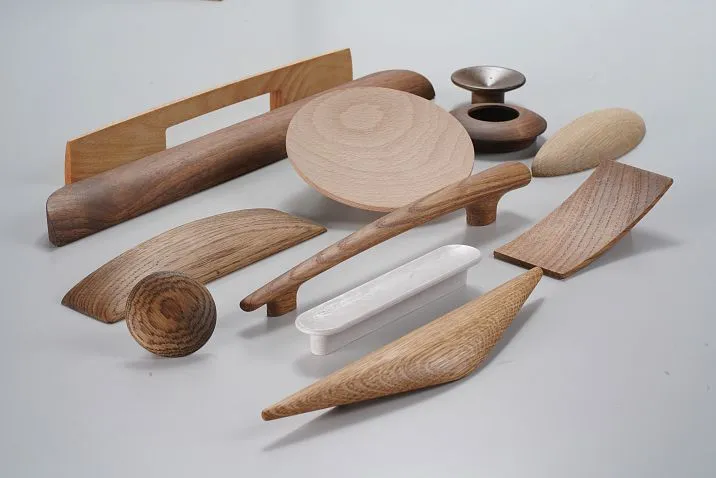
Front furniture hardware is not just small accessories, but a true embodiment of craftsmanship, aesthetics, and technological perfection. The choice of quality components not only affects the appearance of furniture, but also its comfort, reliability, and longevity. In an era when consumers seek individuality and exclusivity in interior design, front furniture hardware holds a central position. In this article, we will thoroughly examine the history, types, production technologies, modern trends, and practical recommendations for using front furniture hardware, which combines the best traditions of artisanal craftsmanship with the latest achievements of modern science.
Special attention is paid to such key aspects as:
● Significance and Role of Front Furniture Hardware in Interior Design
● Main Types of Furniture Hardware (Handles, Buttons, Hinges, Locks, etc.)
● Manufacturing Technologies, Automation, and Digital Modeling
● Design, Aesthetics, and Integration of Traditional and Modern Trends
● Development prospects: eco-friendly technologies, individualization of products and customization
● Practical recommendations for manufacturers, designers, and specialists in the furniture industry
For those seeking quality solutions, pay attention toFurniture Handleswhich are among the most sought-after elements of front furniture hardware and can serve as a striking accent in interior design.


Introduction to the world of front furniture hardware
The world of furniture production today is full of dynamism and constant innovations. At the core of each item lies attention to the smallest details — from the choice of wood or metal to the final finish. Front furniture hardware is the finishing touch in creating a harmonious and functional interior item. It is precisely this element that determines how furniture will be perceived: as a strict industrial solution or as an elegant, refined element of home comfort.




The significance of front furniture hardware in modern interior design
Front furniture hardware performs several important functions. On the one hand, it ensures practicality — correct door opening, smooth drawer movement, secure cabinet closure. On the other hand, it is a powerful tool for creating the aesthetic appearance of the item. Even the most functional furniture, lacking refined details, may appear banal and dull. That is why quality hardware can transform even the most ordinary piece of furniture, giving it individuality and style.
In modern interior design, emphasis is placed on minimalism and simplicity, but attention is not forgotten about details. Eachfurniture handle becomes a kind of business card of the item. It is precisely the shape, material, and color of these elements that often determine how well the furniture will harmonize with the overall style of the room.
Our factory also produces:


The history of furniture hardware development
The development of front furniture hardware has deep historical roots. Even in ancient times, craftsmen paid special attention not only to the functional features of furniture but also to its decorative aspects. Hand-carved details, inlays, and the use of natural materials created unique items where every detail was carefully considered.
Over time, with the development of technology, artisanal methods gave way to mechanized and automated production, which allowed for mass production of hardware while maintaining high quality. However, even under industrial production conditions, traditional artisanal motifs have not lost their relevance. Modern technologies allow creating items that look as if they were handmade, yet they possess stable operational characteristics.
Today, front furniture hardware plays a special role in creating exclusive projects. Designers and manufacturers actively experiment with materials, forms, and finishes to meet even the most demanding clients' requirements. Modern solutions combine traditional techniques with innovative methods such as laser cutting, 3D modeling, and computer design, opening up boundless creative possibilities.
Get Consultation
Main types of front furniture hardware
The modern assortment of front furniture hardware is extremely diverse and includes both functional and decorative elements. Let us consider the main categories into which hardware elements can be divided.
Furniture handles — the main heroes of interior design
Furniture handles occupy a special place in the world of front furniture hardware. These are the details that first catch the eye, set the tone for the entire item, and can become its main accent. Handles can be made from various materials — metal, wood, plastic, glass, or composites. Each of these groups has its own characteristics:
● Metal handles are distinguished by strength, durability, and the ability to create complex decorative forms. They can be polished, matte, painted, or coated with special protective compounds.
● Wooden handles give furniture warmth and naturalness, emphasizing the eco-friendliness of the item. Traditional processing methods, such as carving or inlay, make each wooden handle unique.
● Plastic and composite handles allow achieving high precision in form and modern minimalist designs. They are often used in furniture where a combination of lightness and strength is required.
Aesthetics is important. Properly selectedFurniture Handles can not only ensure ease of use but also become a striking design solution. Modern trends dictate the use of bold, original forms, allowing artisans to experiment and offer unique models that meet global quality standards.
Buttons, hinges, locks, and other hardware elements
In addition to handles, front furniture hardware includes other functional elements. They ensure the operational qualities of furniture, such as smooth door opening, secure drawer closure, and safe use.
● Buttons often serve not only as control elements but also as decorative elements. They can have various shapes and finishes, allowing them to harmoniously fit into the overall design of the item.
● Hinges are indispensable components ensuring smooth and silent door opening. Modern hinges can be equipped with automatic closing and adjustment mechanisms, enhancing their usability.
● Locks and latches are responsible for the safety and longevity of furniture. Their design includes protection against accidental opening, and modern models may include electronic control systems.
● Decorative overlays and guides are elements that give the item a finished look, concealing technical details and creating a unified whole. They can imitate expensive materials such as marble, bronze, or polished glass, and are often used to give furniture an exclusive character.
Each element of front furniture hardware undergoes careful quality control to meet the high standards of modern consumers. It is precisely due to the harmonious combination of functional and aesthetic characteristics that furniture is created which pleases the eye and serves for many years.
The production technology of front furniture hardware
Modern front furniture hardware production combines traditional craftsmanship methods with advanced technological innovations. This symbiosis enables achieving high standards of quality, precision, and aesthetic appeal.
Modern materials and innovative processing methods
One of the key factors affecting the quality of the final product is the choice of materials. In front furniture hardware production, both traditional materials (metal, wood) and modern composites, plastics, and alloys are used. Each material has its unique characteristics:
● Metal remains one of the most popular materials due to its strength and durability. Modern metal processing technologies, such as laser cutting, bending, polishing, and galvanization, allow creating complex decorative forms and ensuring resistance to corrosion.
● Wood attracts with its naturalness and warmth. Traditional processing methods, such as carving and sanding, combined with modern laser engraving technologies, allow creating unique decorative elements that highlight the eco-friendliness of the product.
● Plastics and composites — lightweight and strong materials, allowing to achieve high precision of shapes and reproduce complex geometric patterns. They are often used to create minimalist and modern design solutions.
Modern material processing methods not only allow achieving high precision and repeatability of products, but also significantly speed up the production process, which is especially important under mass production conditions. Computer modeling, automated control, and use of CAD systems make it possible to design unique models that meet individual customer requests.
Role of automation and digital modeling
One of the most significant achievements of modern furniture industry is the introduction of automated production lines and digital technologies. Computer modeling allows creating 3D models of products, conducting virtual testing of structures, and optimizing the manufacturing process even before mass production begins. This not only reduces the likelihood of errors but also opens new opportunities for experimenting with shapes and finishes.
Automated production lines ensure high manufacturing accuracy, minimizing the influence of human factors. Such systems allow achieving stable product quality even at large production volumes. The use of digital technologies becomes especially relevant in manufacturing complex and detailed front furniture hardware, where every detail matters.
Innovative solutions such as laser cutting and 3D printing allow creating elements with unprecedented precision, positively affecting the aesthetics and functionality of the final product. Thanks to these technologies, modernFurniture Handles and other hardware elements can be manufactured taking into account the most subtle design nuances.
Design and aesthetics of front furniture hardware
Design is the soul of every product, and front furniture hardware plays a special role in forming its visual image. The aesthetics of hardware can radically change the perception of furniture, turning even utilitarian items into works of art.
Aesthetic value and style selection
Modern interior design trends dictate the need for harmonious combination of functionality and aesthetics. Front furniture hardware is the final touch that completes the furniture's image. The choice of color, texture, shape, and finish determines how well the product fits into the overall interior concept.
Designers increasingly turn to bold design solutions, experimenting with minimalism, contrasts, and new forms. For example,Furniture Handles can be executed in a high-tech, classical carving, or even futuristic minimalism style. Such an approach allows creating products capable of surprising and capturing the attention of discerning audiences.
Integration of traditions and modern trends
It is impossible to imagine modern design without considering historical traditions. Front furniture hardware is the result of evolution, where classical craftsmanship methods intertwine with the latest technological solutions. Traditional elements such as wood carving or decorative inlays find new embodiments under digital production conditions.
Modern technologies allow preserving the spirit of traditions while adapting them to the demands of the modern market. Designers combine classicism and innovation, creating unique collections that meet both aesthetic requirements and functional standards. This combination makes front furniture hardware a universal tool capable of highlighting the individuality of any interior.
Practical value of quality front furniture hardware
The quality of front furniture hardware directly affects the overall performance characteristics of furniture. This concerns not only visual appeal but also practical aspects such as durability, reliability, and ease of use.
Reliability and durability
The reliability of any quality furniture is the foundation of its elements. Front furniture hardware must withstand repeated use, retain its original appearance, and ensure stable operation for many years. Strong hinges, quality locks, ergonomic handles — all these elements play a decisive role in creating a durable product.
Modern production technologies, strict quality control, and use of high-quality materials allow achieving outstanding results. Reliable hardware becomes a guarantee for consumers that the furniture will serve for a long time and not fail at the most inappropriate moment.
Economic efficiency and impact on the market
From the manufacturer's perspective, quality front furniture hardware is not only a way to enhance the aesthetic value of the product, but also a tool for reducing costs associated with repairs and replacement parts. Reliable components reduce the likelihood of breakdowns and lower costs related to warranty servicing.
On the competitive furniture market, attention to details becomes the most important factor determining brand success. It is precisely quality hardware that helps stand out among numerous similar products, win customer trust, and strengthen market positions. In the context of continuously rising consumer demands, innovative and reliable solutions become a guarantee of long-term success.
Trends and prospects for the development of front furniture hardware
The modern market for furniture hardware is actively developing, responding to the challenges of the time and the demands of a discerning audience. In the coming years, significant changes can be expected, related to the adoption of new technologies, eco-friendly materials, and product customization.
Eco-friendly technologies and sustainable production
One of the most current trends of modernity is the transition to environmentally clean production technologies. Consumers are increasingly oriented toward products made with minimal environmental impact, and manufacturers strive to meet these requirements.
Front furniture hardware is not standing aside from these processes. The use of natural wood, recycled materials, eco-friendly coatings, and lacquers has become standard. Eco-friendly solutions not only satisfy the demands of modern consumers but also contribute to reducing negative environmental impact, which is especially important in the context of global concern over environmental issues.
Customization and individualization of products
Modern consumers strive for uniqueness. Furniture, as an interior element, should reflect the owner's individuality. That is why manufacturers are increasingly adopting mass customization technologies, allowing each detail to be adapted to a specific client.
Front furniture hardware plays a key role in this process. The ability to choose shape, color, material, and finish allows creating unique items that match personal preferences and interior style. 3D modeling, digital printing, and automated production make it possible to quickly and accurately fulfill individual orders, opening new horizons for designers and manufacturers.
Trend of minimalism and functional aesthetics
Modern interior design often favors minimalism, where every detail matters, and unnecessary elements are discarded. Front furniture hardware in this context should be as restrained as possible, yet functional and aesthetically appealing.
MinimalistFurniture Handlesmade from high-quality materials with an emphasis on simple lines and clean forms, perfectly fit into modern interiors. This approach allows creating a harmonious image, where each detail emphasizes the overall unity of the composition.
Recommendations for manufacturers and designers
To successfully compete in the furniture market, special attention must be paid to the quality and design of front furniture hardware. Below are the main recommendations that will help manufacturers and designers achieve outstanding results.
How to choose quality front furniture hardware
- Materials and technologies. Choose components made from high-quality materials capable of withstanding repeated use without losing aesthetic or functional characteristics. Modern processing technologies, such as laser cutting, polishing, and anodizing, allow achieving ideal quality for each detail.
- Aesthetics and design. Front furniture hardware should harmoniously match the overall style of the item. Pay attention to the shape, texture, color, and finish of components. ModernFurniture Handles can become a striking design solution capable of setting the tone for the entire piece of furniture.
- Reliability and durability. Evaluate products based on their operational characteristics. Hardware must withstand intensive use, retain its properties, and maintain its original appearance for a long time.
- Possibility of customization. Modern technologies allow creating customized elements that meet the individual requests of the client. This is especially important for exclusive and premium projects, where every detail matters.
Cooperation with suppliers and partners
Reliable partnerships with hardware suppliers are the guarantee of stable quality and timely updating of the product range. Regularly conduct quality audits of delivered items, stay informed about industry novelties, and invest in innovative solutions. Establishing close cooperation with proven manufacturers will not only help you meet growing market demands but also create unique design solutions distinguished by high quality.
Supporting design creativity and exchanging experience
Creating quality front furniture hardware requires continuous improvement and knowledge exchange among specialists. Organize workshops, seminars, and conferences where designers and engineers can share their experience, discuss the latest trends, and implement innovative solutions. Such experience exchange promotes the emergence of unique ideas and enhances the overall product quality.
Conclusion
Front furniture hardware is not just a functional element, but a true philosophy embodied in every detail. It is an art that combines centuries-old craftsmanship traditions with cutting-edge technological achievements. Quality hardware can transform any furniture, giving it individuality, style, and practicality, as well as serving as a guarantee of durability and reliability of the product.
The modern market imposes high requirements on every component, and front furniture hardware plays a central role in shaping the overall appearance of the interior. It is precisely the choice of qualityfurniture handles and other hardware elements that determines whether furniture can satisfy the demands of discerning consumers, withstand the test of time, and become a true work of art.
We are convinced that the future of the furniture industry belongs to those who are not afraid to experiment, implement innovative technologies, and combine traditional methods with modern design solutions. Front furniture hardware is a challenge that requires attention to the smallest details, boldness in material selection, and innovation in production approaches. This is the key to creating unique, durable, and aesthetically perfect items.
We call on manufacturers, designers, and all those involved in the furniture industry to pay special attention to the quality of each detail. May your work become an example of how practicality and art, tradition and modern technologies, can be combined to create furniture capable of inspiring, delighting the eye, and serving for many years.
Read, experiment, implement innovations, and remember: perfection lies in the details. For it is front furniture hardware that is assigned the role of a true artist capable of transforming any interior and setting new quality standards in furniture production.