Article Contents:
- Introduction
- Early Traditions and Crafts
- Mechanization and Standardization
- Digital Revolution in Furniture Manufacturing
- Digital Revolution in Furniture Manufacturing
- Furniture Handles: The Signature of the Product
- Metal Handles
- Wooden Handles
- Plastic and Composite Handles
- Functional Elements: Buttons, Hinges, Locks, and Guides
- Buttons
- Hinges
- Locks and Latches
- Guides and Decorative Plates
- Modern material processing methods
- Laser cutting and engraving
- 3D Modeling and Computer Design
- Automated Production Lines
- Metalworking and Woodworking
- Use of Innovative Materials
- Composites and Alloys
- Eco-Friendly Materials
- Aesthetic Principles and Style Selection
- Traditions and Modern Trends
- Innovative Design Solutions
- Enhancing Functionality and Convenience
- Aesthetics as a Factor of Success
- Economic Efficiency and Competitiveness
- Ecological and Sustainable Technologies
- Individualization and customization
- Minimalism and Functional Aesthetics Trend
- How to Choose Quality Front Furniture Hardware
- Interaction with Suppliers and Partners
- Support for the creative process and exchange of experience
- Classic solutions with a modern accent
- Modern Minimalist Solutions
- Innovative solutions with elements of smart technology
- Creating a unique style and recognizability
- Strengthening trust and reputation
- Integration of eco-friendly technologies
- Individualization and Mass Customization
- Innovative methods of processing and design
- Development of the smart furniture market
- Advice on selecting and implementing quality front furniture hardware
- Recommendations for design development
- Implementation of eco-friendly and sustainable solutions
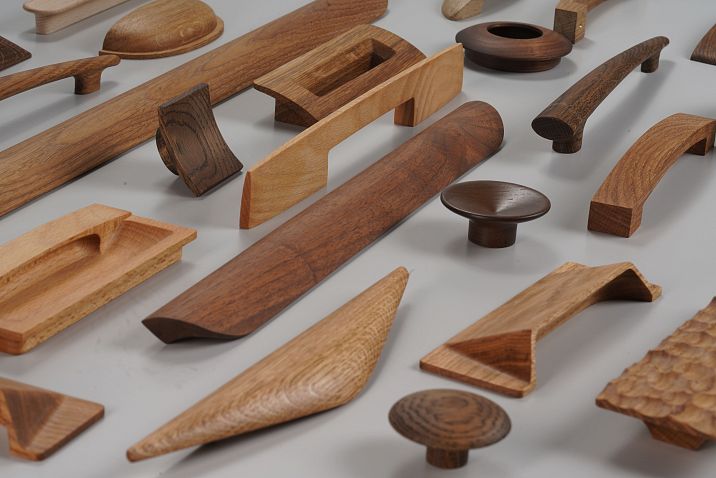
Front furniture hardware for furniture is not just a functional set of parts, but a true creative tool that sets the tone for the entire product, transforming it from an ordinary item into a work of art. The quality of selected elements affects not only the appearance of furniture, but also its durability, ease of use, and ultimately, customer satisfaction. In today's market, where interior design reflects individuality and taste, front furniture hardware for furniture, especially handles, plays a key role.
In this article, we will thoroughly examine all aspects related to front furniture hardware for furniture and furniture handles. We will analyze the history of development, modern production technologies, materials, design, market trends, and practical recommendations for manufacturers and designers. Special attention will be given to key terms such as "front furniture hardware for furniture," "front furniture hardware for furniture handles," and "furniture handles," references to which you can find, for example, here:Furniture Handles.


Introduction
The modern world of furniture is rapidly changing. It is no longer enough to simply create a comfortable interior item — today, every detail matters. Front furniture hardware for furniture is given the role of the "finishing touch," which unifies all elements of the product into a harmonious whole. The quality of this hardware determines how pleasing the furniture will be to the eye and how convenient it will be to use drawers, doors, and other elements.
In this article, we will examine the history of the emergence and evolution of front furniture hardware, main types and materials, production technologies, and modern trends. We will thoroughly explain how to properly select hardware components, what to pay attention to during their manufacturing, and how they affect the overall furniture design. The reader will learn why high-quality
In this article, we will examine the history of emergence and evolution of front hardware, main types and materials, production technologies, and modern trends. We will detail how to properly select hardware components, what to pay attention to during their manufacturing, and how they affect the overall furniture design. The reader will learn why high-qualityFurniture Handles can become a product's hallmark and how they help create unique interiors.




History of the development of front furniture hardware for furniture
Our factory also produces:


Early traditions and crafts
Front furniture hardware for furniture has ancient roots. Even in antiquity, craftsmen paid great attention to decorative elements that emphasized the status and uniqueness of furniture. Wood carving, inlays, metal ornaments — all of this served not only for decoration but also for functional improvement of products. Each detail was handmade, allowing to achieve the highest level of craftsmanship and individuality.
In the Middle Ages and the Renaissance, furniture was a luxury item, and every detail mattered. Royal courts, wealthy nobles, and prominent merchants ordered furniture adorned with exquisite details. It was precisely then that the tradition emerged, when front furniture hardware was valued not only for its practicality but also as an essential part of the artistic concept. These traditions were preserved for centuries and became the foundation for the further development of the industry.
Get Consultation
Mechanization and standardization
With the development of industry and the emergence of mechanized production in the 19th century, artisanal methods gave way to mass production. This allowed significantly reducing the cost of products and increasing their quantity, but at the same time, standardized elements began to appear, losing the individuality of handcrafted work. Despite this, attention to details remained, and craftsmen tried to maintain high quality even during mass production.
In the 20th century, new technologies replaced traditional methods: automation, computer modeling, and laser cutting. These innovations allowed achieving ideal manufacturing precision while maintaining high quality standards. Front furniture hardware for furniture began to be manufactured according to the strictest requirements, opening new opportunities for designers and manufacturers.
Digital revolution in furniture production
A true revolution occurred at the beginning of the 21st century, when digital technologies fundamentally changed the approach to furniture and hardware production. Modern CAD systems, 3D modeling, automated lines, and laser cutting allowed creating products with unprecedented precision and complexity of forms. Thanks to these technologies, even the most daring design ideas could be realized while maintaining stable quality.
Today, front furniture for furniture plays a role uniting centuries-old craftsmanship traditions and achievements of modern science. Manufacturers actively experiment with new materials, processing technologies, and finishing methods to create a product capable of satisfying the most demanding consumer requests. QualityFurniture Handles and other furniture elements have become a symbol of impeccable taste and engineering genius.
Types of Front Furniture for Furniture
Furniture Handles: The Signature of the Product
Furniture handles are, perhaps, the most noticeable and important element of front furniture. They are the first to meet the eye when opening a cabinet or drawer, setting the overall tone of the item. Handles can be made from various materials, such as metal, wood, plastic, glass, or composites, each possessing its own unique characteristics.
Metal Handles
Metal handles remain one of the most popular options due to their strength and durability. They can be polished, matte, painted, or coated with special protective compounds. Modern processing technologies, such as laser cutting and anodizing, allow creating metal handles with incredible precision and aesthetics. They can be used in both classic and modern interiors.
Wooden Handles
Wooden handles give furniture a special warmth and naturalness. Using various types of wood and traditional processing methods, such as carving and sanding, allows creating unique decorative elements. Laser engraving and inlay technologies allow further decorating wooden handles, preserving their natural beauty and adding an element of exclusivity.
Plastic and Composite Handles
Plastic and composite handles are gaining increasing popularity due to their lightness and ability to reproduce complex shapes. These materials allow achieving high precision in form and creating minimalist-style items that fit perfectly into modern interiors. Additionally, they are often used for creating budget solutions that do not compromise on quality compared to more expensive analogs.
Each of these types has its own advantages and disadvantages, and the choice depends on many factors: interior style, functional requirements, budget, and the designer's personal preferences. However, one thing remains unchanged – quality front furniture, in particularFurniture Handles, can transform the appearance of furniture and make it truly unique.
Functional Elements: Buttons, Hinges, Locks, and Guides
In addition to handles, front furniture for furniture also includes other functional components that ensure the proper operation and longevity of the item.
Buttons
Buttons are often used as a means of controlling drawers and doors, as well as a decorative element. They can have various shapes, sizes, and finishes, allowing them to harmoniously fit into the overall design of the item. Modern buttons are manufactured with ergonomic requirements in mind, ensuring comfort during use.
Hinges
Hinges are an indispensable part of any furniture with doors or drawers. They are responsible for smooth and silent opening, secure closing, and the longevity of the item. Today, the market offers hinges with various mechanisms: automatic closing, tension adjustment, and even contactless control. Quality hinges ensure stable operation of furniture for many years, which is an important criterion for consumers.
Locks and Latches
Locks and latches serve to ensure the security and secure closure of furniture. They can be traditional or electronic, integrated into modern security systems. A reliable lock is a guarantee that your belongings will be protected from unauthorized access, and the furniture will serve you for a long time without failures.
Guides and Decorative Covers
Guides are used to ensure proper drawer movement, while decorative covers conceal technical elements, giving furniture a finished look. These elements play a supportive, yet equally important role, helping to create a harmonious unity of all item details.
Production Technologies for Front Furniture for Furniture
Modern material processing methods
Modern technologies allow producing front furniture with incredible precision and quality. The following methods are used in the production process:
Laser Cutting and Engraving
Laser cutting has become a true revolution in furniture production. This method allows cutting complex patterns and shapes with maximum precision, which is especially important for creating decorative elements. Laser engraving is also used to apply patterns, logos, and other decorative elements onto the surface of items, making them unique.
3D Modeling and Computer Design
The use of modern CAD systems allows creating detailed 3D models of front furniture even before the start of production. This enables testing the design, conducting virtual tests, and optimizing structural solutions, significantly reducing the risk of errors and improving the quality of the final product.
Automated Production Lines
Automation plays a key role in modern production. Using robotic systems and automated lines ensures consistent product quality and high productivity. This is especially important for mass production, where each element must meet strict standards and be reproduced with unchanging precision.
Metal Processing and Woodworking
In the production of front furniture, technologies for metal processing — bending, stamping, polishing, anodizing — as well as traditional woodworking methods are widely used. Modern technologies allow achieving an ideal combination of strength and aesthetics, which is the foundation for creating quality products.
Use of innovative materials
Modern materials play an important role in the development of furniture hardware. In addition to traditional metals and wood, composites, plastics, alloys, and even innovative eco-friendly materials are actively used.
Composites and Alloys
Composite materials allow creating lightweight yet strong items capable of withstanding significant loads. They are especially popular in producing minimalist and modern elements, where high precision and resistance to external influences are crucial. Alloys, possessing unique properties, enable the creation of decorative elements with an unusual sheen and texture.
Eco-friendly materials
In light of global concern about the ecological environment, manufacturers increasingly turn to eco-friendly materials. Natural wood, recycled plastics, biodegradable coatings — all of these help create products that not only look beautiful but also meet sustainability requirements. Such solutions resonate with discerning consumers focused on ecological purity and naturalness.
Design of furniture hardware: harmony of aesthetics and functionality
Aesthetic principles and style selection
Design of furniture hardware is an art that requires a deep understanding of general composition, balance, and harmony principles. Each element must not only be functional but also match the style of the entire product. In this context, the following aspects are important:
● Shape and lines. Furniture hardware should emphasize the lines and contours of the furniture, complement its overall silhouette, and not overload visual perception. Minimalism and simplicity often become the key to successful design.
● Color and finish. The right choice of color and finishing materials helps create a harmonious combination with the main furniture elements. Modern trends dictate the use of both neutral and bright accent colors capable of transforming interiors.
● Texture and surface finish. Texture play is another important aspect. Smooth, matte, polished, or, conversely, textured surfaces can add depth and individuality to the product. Using various processing methods, such as sanding, polishing, and engraving, allows achieving a unique effect.
Traditions and modern trends
Despite the drive for innovation, traditional hardware manufacturing methods still play an important role. Carved motifs, inlays, and other artisanal techniques find their reflection in modern solutions, creating a bridge between the past and the present. Modern designers often draw inspiration from classical elements, adapting them to contemporary realities using digital technologies and automation.
For example, Furniture Handles can combine classical ornaments with ultra-modern minimalist forms. This allows creating items that will be in demand in both traditional and modern interiors.
Innovative Design Solutions
Modern technologies open new horizons for designers. 3D printing, computer modeling, and laser cutting allow realizing the most daring ideas without compromising on quality compared to traditional methods. Thanks to these technologies, unique collections of furniture hardware can be created, where every detail is thought out to the smallest nuances.
Examples of innovative solutions include the use of smart elements, integration of sensors and lighting, which not only improves the functionality of the product but also adds an interactive element. Such technologies are especially relevant for premium and exclusive projects, where every detail matters.
Practical value of furniture hardware
Enhancing functionality and convenience
Furniture hardware plays an important role in ensuring the convenience of furniture use. Reliable and well-made handles, hinges, buttons, and locks allow achieving smooth and silent opening, secure closing, and long-lasting durability. Practicality in this case does not fall short of aesthetics — every detail must function without failure even under intensive use.
Modern technologies allow creating hardware that withstands multiple usage cycles without losing its functional characteristics. This is especially important for office, commercial, and casework furniture, where daily use imposes higher demands on reliability and durability.
Aesthetics as a factor of success
Alongside functionality, the aesthetic component of furniture hardware is one of the main criteria for consumer choice. Hardware elements can transform the appearance of furniture, give it individuality, and highlight the interior style. Thoughtfully selectedFurniture Handles can become a striking accent that sets the product apart from competitors.
The aesthetics of hardware influence the perception of the entire interior, so attention should be paid to both small details and overall composition. Modern trends dictate a preference for minimalism, but they do not exclude bold design solutions capable of surprising and capturing the attention of discerning audiences.
Economic efficiency and competitiveness
High-quality furniture hardware contributes to increasing the economic efficiency of furniture production. Reliable components reduce the likelihood of breakdowns, lower repair and maintenance costs, and enhance brand reputation. In the highly competitive market of furniture products, attention to details becomes the key to success.
Manufacturers investing in quality hardware gain the opportunity to win consumer trust and enter new markets. This is especially relevant in premium and exclusive product segments, where every detail matters and can become a decisive factor when choosing between competitors.
Trends and prospects for the development of furniture hardware
Eco-friendly and sustainable technologies
One of the key trends in modern furniture manufacturing is the shift toward eco-friendly technologies. Consumers are increasingly paying attention to products made with minimal environmental impact, and manufacturers strive to meet this demand. Front furniture hardware is not left out of these processes: the use of natural wood, recycled materials, and eco-friendly coatings has become standard.
Eco-friendly technologies allow creating products that meet not only aesthetic requirements but also principles of sustainable development. Such solutions resonate with those who value naturalness and care for the planet's future.
Customization and personalization
Modern consumers seek uniqueness, and furniture, as a rule, should reflect the owner's individuality. Manufacturers increasingly adopt mass customization technologies, allowing each detail to be tailored to a specific client. Front furniture hardware plays a key role in this process, as even a small detail can radically change the appearance of the product.
3D modeling, digital printing, and automated production allow creating unique hardware elements that meet individual customer requests and preferences. This opens new opportunities for designers and enables producing furniture that becomes a reflection of personal style and taste.
Trend of minimalism and functional aesthetics
MinimalistFurniture Handles with clean lines and smooth surfaces become an ideal choice for modern interiors, where every detail matters.
Recommendations for manufacturers and designers
How to choose quality front furniture hardware for furniture
● Materials. Pay attention to the composition and quality of materials used. Metal, wood, plastic, or composites — each material has its own characteristics affecting the durability and aesthetics of the product.
● Processing methods. Modern technologies such as laser cutting, 3D modeling, and computer-aided design allow achieving perfect manufacturing accuracy. This is especially important for complex shapes and decorative elements.
● Ergonomics and functionality. The hardware should be easy to use, provide smooth door and drawer movement, reliable closure, and long-term durability.
● Design and style. Front furniture hardware should harmoniously match the overall style of the furniture. Choose elements that highlight the product's individuality and align with the overall design concept.
● Customization options. When producing exclusive or premium items, it is important to have the ability to order individual parts. This will allow creating unique solutions for each client.
Interaction with suppliers and partners
The quality of front furniture hardware directly depends on the reliability of suppliers. It is recommended to establish long-term partnerships with proven manufacturers, regularly conduct quality audits of delivered products, and stay updated on industry innovations. Reliable cooperation will enable timely adoption of the latest technologies and enhance the overall competitiveness of the product.
The quality of front hardware directly depends on the reliability of suppliers. It is recommended to establish long-term partnerships with proven manufacturers, regularly conduct quality audits of delivered products, and stay updated on industry innovations. Reliable cooperation will enable timely adoption of the latest technologies and enhance the overall competitiveness of the product.
Supporting the creative process and exchanging experience
Examples of successful solutions in front furniture hardware
Examples of successful solutions in the field of front hardware
Classic solutions with a modern accent
Modern interior design trends dictate a preference for simplicity and minimalism. Minimalist
Modern minimalist solutions
with clean lines and smooth surfaces are ideal for modern interiors. They become not only functional elements but also important design details capable of emphasizing the overall harmony of the space.Furniture Handles with clean lines and smooth surfaces are ideally suited for modern interiors. They become not only a functional element but also an important design detail, capable of highlighting the overall harmony of the space.
Innovative solutions with smart technology elements
With the integration of smart technologies, it becomes possible to incorporate additional functions into front furniture hardware. For example, handles with touch controls, built-in lighting, or even the ability to interact with smart home systems are in demand in the premium segment. Such solutions not only enhance functionality but also set new standards in furniture design and operation.
The role of front furniture hardware in shaping the brand image
Creating a unique style and recognizability
such as Furniture Handlescan become symbols of impeccable taste, quality, and innovative approach, which is especially important for premium furniture lines.
Strengthening trust and reputation
Customers value products that are not only beautiful but also reliable. Front-facing furniture hardware, manufactured using advanced technologies and high-quality materials, can significantly enhance brand trust. The reliability and longevity of each component directly influence the overall impression of furniture, becoming a guarantee of the manufacturer's reputation in the market.
Development prospects for furniture front hardware
Integration of eco-friendly technologies
One of the most promising trends in the modern furniture industry is the transition to environmentally friendly technologies. The use of natural materials, recycled components, and biodegradable coatings is becoming an indispensable part of production. Furniture front hardware manufactured using such technologies meets not only aesthetic requirements but also the principles of sustainable development, which is an important factor for modern consumers.
Individualization and mass customization
3D modeling and digital printing technologies open new possibilities for creating customized hardware components. Modern consumers increasingly focus on individual solutions, and the ability to order unique details becomes a competitive advantage for manufacturers. An individual approach allows creating furniture that perfectly matches the customer's tastes and requirements.
Innovative processing and design methods
The development of digital technologies continues to influence the production of furniture front hardware. New processing methods, such as ultrasonic welding, nanotechnology in finishing, and innovative material combination techniques, allow creating products with unprecedented precision and aesthetics. Such technologies not only improve quality but also expand creative expression opportunities, opening new horizons in furniture design.
Development of the smart furniture market
In the context of rapid development of smart technologies, it becomes possible to integrate smart home elements into furniture hardware. Sensors, automated control systems, and even remote control capabilities become an integral part of modern solutions. Such innovative elements enhance furniture functionality, making it more convenient and safe, and also add a new level of interactivity during use.
Practical recommendations for manufacturers and designers
Advice on selecting and implementing quality front hardware
- Market analysis and customer needs. Before starting development, it is essential to conduct a detailed analysis of the target audience, identify their needs and preferences. This will allow creating hardware that will be in demand and relevant.
- Invest in innovation. Implement the latest technologies and materials, stay abreast of industry trends, and do not be afraid to experiment. Using advanced processing methods and digital modeling will help achieve ideal quality.
- Collaborate with proven suppliers. Reliable partners and suppliers play a key role in ensuring consistent product quality. Regular audits and product testing will help avoid problems and reduce the risk of failures.
- Support the creative process. Organize workshops, seminars, and exhibitions where designers and engineers can exchange experience and discuss the latest trends. This promotes the emergence of unique ideas and enhances the overall product quality.
- Customer feedback. Carefully monitor reviews and customer suggestions, promptly respond to criticism, and continuously improve your products. This approach will help gain trust and strengthen your market position.
Recommendations for design development
● Maintain a balance between functionality and aesthetics. Each element must not only look attractive but also perform its function. Pay attention to ergonomics, ease of use, and product durability.
● Experiment with shapes and finishes. Do not be afraid to break stereotypes, introduce new ideas and technologies. ModernFurniture Handles with original design solutions can become the main accent in the interior.
● Take into account general interior design trends. When developing design, consider the style and concept of the interior into which the furniture will be integrated. This will allow creating a harmonious and cohesive space.
Implementing eco-friendly and sustainable solutions
● Use natural materials and recycled components. This not only improves the ecological aspect of the product but also highlights its uniqueness.
● Invest in technologies that reduce environmental impact. Such solutions not only meet the demands of modern consumers but also become a guarantee of the company's sustainable development.
● Develop hardware in accordance with sustainable design principles. This will allow creating products that will remain relevant and in demand in the long term.
Conclusion
Furniture front hardware is not just a collection of functional elements, but true art capable of transforming any item and making it unique. The choice of quality materials and advanced technologies affects not only the appearance of furniture but also its comfort, reliability, and longevity. In today's market, every detail matters, and qualityFurniture Handles can become a brand's hallmark, a symbol of its innovative approach and impeccable taste.
The history of front hardware development shows how traditional crafts have found their reflection in modern technologies, how material processing methods have evolved, and how design has become an inseparable part of functionality. Current trends dictate the need to implement eco-friendly solutions, individualize products, and integrate smart technologies, opening new horizons for manufacturers and designers.
We are convinced that the future of furniture production belongs to those who are not afraid to experiment, implement innovations, and strive for perfection in every detail. Furniture front hardware is a challenge that requires attention, courage, and creativity. Thanks to high-quality components, it is possible to create furniture that not only meets functional needs but also becomes a true work of art reflecting the individuality and style of its owner.
We call upon manufacturers, designers, and all those involved in the furniture industry not to rest on their laurels, to continuously improve technologies, experiment with forms and materials, implement innovative solutions, and strive for every detail to be executed at the highest level. For in a world where every small thing matters, furniture front hardware assumes the role of a true artist capable of setting new standards of quality and aesthetics.
Read, be inspired, create, and remember: perfection lies in the details. Only by combining traditional craftsmanship with modern technologies can we create pieces that will delight the eye, serve for a long time, and win over discerning consumers. Let everyfurniture handle become a symbol of your pursuit of perfection, your marker of quality and uniqueness.
Furniture front hardware is the bridge between functionality and aesthetics, between the past and the future. It is a tool through which unique interiors are created, reflecting the style and character of their owner. Modern trends demand constant development, implementation of innovations, and attention to the smallest details. We are convinced that only such efforts will help win consumer trust and create products capable of enduring the test of time.
In conclusion, we would like to emphasize: high-quality furniture front hardware is not only the guarantee of success for a product, but for the entire brand. It is an investment in reputation, a guarantee of reliability, and a symbol of innovation. May your creativity, your passion for perfection, and your drive for innovation lead you to new heights, and let every detail, everyfurniture handlereflect your professionalism and talent.
Read, experiment, implement new technologies, and make furniture that will delight the eye and serve for many years. Furniture front hardware is not just a choice—it is a philosophy, an art that unites the finest traditions of craftsmanship with the achievements of modern science. May every detail of your work speak of high quality, aesthetic taste, and a pursuit of perfection.