Article Contents:
- Visual magic of wooden balusters in interior photography
- Compositional features of staircase photography
- Stylistic directions in staircase photography
- Stylistic diversity in photo catalogs of wooden balusters
- Classic forms in modern interpretation
- Modern trends in baluster design
- Ethnic motifs in modern interpretation
- Technical aspects of photographing staircase elements
- Lighting as a tool for revealing texture
- Compositional techniques in baluster photography
- Material science through the lens of photography
- Visual characteristics of different wood species
- Influence of surface treatment on photogenicity
- Stylistic solutions in interior photography
- Classic interiors with wooden balusters
- Modern interiors and minimalist solutions
- Eclectic solutions and mixing of styles
- Technical features of production and their reflection in photography
- Turning processing and its visual characteristics
- Hand carving and its uniqueness
- Modern CNC technologies in baluster production
- Psychology of perception of wooden balusters in photography
- Emotional impact of different forms
- Cultural associations and symbolism
- Practical aspects of using photographs in design
- Photographs as a selection tool
- Visualization of design solutions
- Trends in baluster design development through the lens of photography
- Ecological trends in design
- Technological Innovations
- Globalization and Cultural Diversity
- Conclusion

When we flip through the pages of architectural magazines or browse interior design galleries, what causes us to pause and stand in awe? Undoubtedly, it is harmonious compositions where every detail plays its part in creating the overall impression. Staircase photo balusters wooden demonstrate an endless variety of forms, styles, and solutions that transform an ordinary staircase structure into a true work of art.
Photographs of staircases with wooden balusters are not just images of architectural elements. They are sources of inspiration, catalogs of ideas, and practical guides for those who aspire to create something special in their homes. Each photo tells a story about craftsmanship, traditions, and modern trends in staircase design.






Visual magic of wooden balusters in interior photography
Our factory also produces:


Compositional features of staircase photography
Professional photography of staircases with wooden balusters requires a special approach to composition and lighting. The vertical lines of balusters create rhythm and dynamism in the frame, while their repeating forms form a visual melody that guides the viewer's gaze along the staircase.
The play of light and shadow on carved surfaces of wooden balusters creates depth and dimension in the image. Natural lighting, penetrating through windows, highlights the wood texture and reveals the finest details of carving. Artificial lighting allows creating dramatic effects, transforming an ordinary staircase into a theatrical set.
The shooting angle profoundly affects the perception of the staircase structure. Shooting from below upward gives the staircase a monumental and solemn character, emphasizing ceiling height and space scale. Shooting from above downward allows showing the overall composition and interrelation of all structural elements.
Get Consultation
Stylistic directions in staircase photography
Classical photography of staircases with wooden balusters leans toward symmetry and strict composition. Clear lines, correct proportions, restrained color palette — all this creates a sense of stability and reliability. Such photographs are often used in manufacturer catalogs and architectural publications.
Modern interior photography prefers a more free composition, play with angles, and unusual shooting points. Wooden balusters become elements of abstract compositions, where their functional qualities are less important than their aesthetic impact on the viewer.
Artistic photography of staircases transforms architectural elements into objects of art. Macro shots of carving details, play with depth of field, unusual lighting effects — all this creates poetic images, far from the utilitarian purpose of staircase structures.
Stylistic diversity in photo catalogs of wooden balusters
Classic forms in modern interpretation
Photographs of classical wooden balusters demonstrate the eternal beauty of traditional forms. Precision-crafted balusters with characteristic expansions and contractions create a play of light and shadow, which especially looks striking in photographs. Each baluster is a miniature sculpture, where proportions have been perfected over centuries of architectural practice.
Carved balusters in classical style impress with the complexity and detail of ornamentation. Close-up photographs allow examining the finest details of floral motifs, geometric patterns, stylized architectural elements. Each swirl, each line testifies to the highest level of the carver's skill.
Combined solutions, combining different processing techniques, create unique visual effects. Smooth turned surfaces contrast with textured carved elements, creating a rich palette of tactile sensations that are even conveyed through photographs.
Modern trends in baluster design
Wooden balusters for staircases photo of modern design demonstrate a striving toward minimalism and functionality. Simple geometric forms, clean lines, absence of unnecessary decoration — all this creates a sense of modernity and technology.
Square and rectangular balusters in modern style attract with their simplicity. Photographs of such items highlight the quality of surface processing, accuracy of geometric forms, perfection of proportions. The play of light on smooth surfaces creates interesting visual effects.
Avant-garde solutions in wooden baluster design impress with bold forms and unexpected combinations. Asymmetric compositions, unusual profiles, integration with other materials — all this creates unique objects that become central elements of interior photo sessions.
Ethnic motifs in modern execution
Photographs of balusters with ethnic ornaments transport us to the world of folk traditions and cultural heritage. Russian motifs with their characteristic floral patterns, geometric ornaments, stylized images of animals and birds create a unique atmosphere.
Scandinavian motifs are distinguished by restraint and functionality. Simple forms, natural wood tones, minimal decoration — all this creates a sense of closeness to nature and eco-friendliness. Photographs of such balusters are often taken in natural lighting, highlighting the natural beauty of the material.
Eastern motifs introduce into baluster design the philosophy of harmony and balance. Complex symbolic ornaments, smooth lines, refined proportions create a meditative mood. Photographs of such items are often taken in soft diffused light, creating an atmosphere of calm and contemplation.
Technical aspects of photographing staircase elements
Lighting as a tool for revealing texture
Proper lighting plays a key role in photographing wooden balusters. Natural light best conveys the natural beauty of wood, reveals its texture and color nuances. Side lighting creates volume and emphasizes the relief of carved elements.
Artificial lighting allows creating controlled shooting conditions. Softboxes and umbrellas provide soft, diffused light, which is ideal for shooting smooth surfaces. Directional light from reflectors creates sharp shadows and emphasizes volume.
Combined lighting, combining natural and artificial light, allows achieving the most expressive results. Fill light softens harsh shadows, while modeling light creates volume and depth in the image.
Compositional techniques in baluster photography
The rule of thirds is the primary compositional technique in staircase photography. Placing key elements at the intersection of the grid lines creates a dynamic and harmonious composition. Vertical baluster lines naturally fit into this scheme.
Rhythm and repetition are important compositional elements when photographing multiple balusters. Repeating forms create a visual melody that guides the viewer's eye through the frame. Breaking the rhythm with accent elements adds dynamism to the composition.
Perspective and depth of field are created through the use of foreground, middle ground, and background. Balusters in the foreground create a frame for the composition, the middle ground contains the main subjects, and the background provides context and atmosphere.
Material science through the lens of photography
Visual characteristics of different wood species
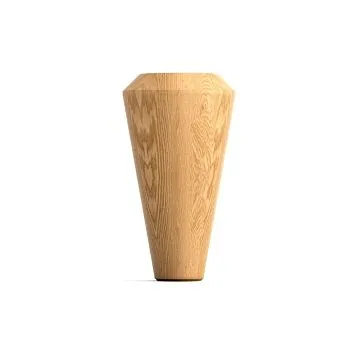
Photographs of oak balusters demonstrate the characteristic texture of this noble wood. Prominent annual rings and contrasting transitions between early and late wood create a rich visual pattern. Oak's natural golden-brown tone looks especially striking under warm lighting.
Photographs of pine balusters are attracted by their light color and soft texture. Characteristic resin streaks create interesting visual accents. The contrast between the light sapwood and darker heartwood adds dynamism to the composition.
Ash balusters are distinguished by expressive texture with clearly defined annual rings. Light color and contrasting pattern make them ideal subjects for black-and-white photography, where tonal transitions and surface texture are important.
Influence of surface treatment on photogenicity
Lacquered surfaces create mirror-like reflections that can either enhance or detract from a photograph. Proper positioning of light sources allows using reflections as compositional elements, adding additional depth and interest.
Oil finishes give wood a matte surface with a slight sheen. Such surfaces are ideal for photography, as they do not create harsh reflections but preserve the natural beauty of the material. Oil enhances the wood's texture and makes it more expressive.
Wax finishes create a special atmosphere in photographs. The soft sheen of wax gives the surface warmth and coziness. Such finishes look especially effective under natural lighting, creating a sense of craftsmanship and tradition.
Stylistic solutions in interior photography
Classic interiors with wooden balusters
Photographs of classic interiors with wooden balusters demonstrate timeless principles of harmony and proportion. Symmetrical compositions, strict lines, noble materials create a sense of stability and respectability. Photography of wooden balusters for staircases In classic interiors, they are often executed in a grand style, emphasizing the significance of architectural elements.
Lighting in classic interiors is usually soft and even, creating an atmosphere of calm and dignity. Crystal chandeliers, wall sconces, and lamps with shades all contribute to a warm and cozy atmosphere, in which wooden balusters appear especially noble.
The color palette of classic interiors tends toward natural tones. Warm wood tones harmonize with cream, beige, and gold accents. Such a palette creates a sense of unity and completeness in the composition.
Modern interiors and minimalist solutions
Modern interiors with wooden balusters demonstrate a new approach to using traditional materials. Simple forms, clean lines, absence of excessive decoration — all of this creates a sense of modernity and relevance.
Lighting in modern interiors often has a technological character. LED strips, recessed lights, directional spotlights create clear light accents and highlight architectural features. Wooden balusters in such lighting appear as modern art objects.
Contrasting material combinations are a characteristic feature of modern interiors. The warmth of wood contrasts with the coolness of metal and glass, creating dynamic and expressive compositions. Photographs of such interiors often rely on contrasts and unexpected combinations.
Eclectic solutions and mixing of styles
Eclectic interiors allow combining elements from different styles and eras. Wooden balusters in such interiors can coexist with modern materials, antique furniture, and artworks from various directions.
Photographing eclectic interiors requires a special approach to composition. It is important to find a balance between different elements and create unity in diversity. Wooden balusters often become a unifying element that links different stylistic directions.
The color palette of eclectic interiors can be very diverse. Wooden balusters serve as a neutral background, allowing the use of bright accents and bold color combinations. Photographs of such interiors often turn out to be very expressive and memorable.
Technical Features of Production and Their Reflection in Photography
Turning Processing and Its Visual Characteristics
Photographs of turned balusters demonstrate the perfection of machine processing. Perfectly smooth surfaces, precise geometric shapes, flawless transitions between different diameters — all of this indicates a high level of technological production.
Concentric circles left by the cutting tool on the baluster surface create an interesting visual effect. Under certain lighting, these lines become visible and add texture to the image. Macro photography allows to examine these details in all their glory.
The symmetry of turned balusters creates special opportunities for composition. The vertical axis of symmetry allows creating static, balanced compositions. Multiple balusters create rhythmic repetitions, which look especially effective in photographs.
Hand Carving and Its Uniqueness
Photographs of hand-carved balusters demonstrate the uniqueness of each item. Minor differences in details, the individual style of the craftsman, the liveliness of lines — all of this makes each baluster unique. Macro photography allows to examine the finest nuances of carving.
The play of light and shadow on carved surfaces creates dramatic effects. Deep recesses cast clear shadows, convex elements catch light, creating a rich palette of tonal transitions. Such photographs often turn out to be very expressive and artistic.
The texture of carved surfaces creates rich tactile sensations that are conveyed even through photography. The viewer can almost physically feel the roughness of carved elements, the smoothness of polished surfaces, the sharpness of edges and the softness of rounded corners.
Modern CNC Technologies in Baluster Production
Photographs of balusters manufactured on CNC machines demonstrate the capabilities of modern technologies. Complex three-dimensional forms, impossible with manual processing, precision down to fractions of a millimeter, flawless repeatability — all of this opens new horizons for designers.
Multi-axis processing allows creating spiral elements, interwoven ornaments, volumetric compositions. Photographs of such items often resemble modern sculpture, where both functional and aesthetic qualities are important.
Combining different processing technologies creates unique visual effects. Machine precision combines with the liveliness of handwork, creating items that combine the best qualities of traditional craftsmanship and modern technologies.
Psychology of Perception of Wooden Balusters in Photography
Emotional Impact of Different Forms
Round baluster forms create a sense of softness and coziness. Smooth transitions, absence of sharp angles, harmonious proportions — all of this evokes positive emotions and creates a sense of safety. Photographs of such balusters are often used in advertising for family homes and cozy interiors.
Angular forms of modern balusters create a sense of dynamism and modernity. Clear edges, geometric precision, minimalist design — all of this appeals to rational perception and creates a sense of technology. Such photographs are often used in presentations of modern architectural projects.
Complex carved forms create a sense of luxury and exclusivity. Richness of details, complexity of ornaments, craftsmanship — all of this evokes admiration and highlights the status of the owner. Photographs of carved balusters are often used in catalogs of luxury products.
Cultural Associations and Symbolism
Wooden balusters carry rich cultural symbolism. In Russian tradition, carved elements of staircases are associated with prosperity and craftsmanship. Photographs of such items often evoke nostalgic feelings and a connection to cultural roots.
Classic baluster forms are associated with European palace architecture. Strict proportions, noble materials, refined decoration — all of this creates a sense of aristocracy and cultural continuity. Such photographs are often used in presentations of prestigious projects.
Modern baluster forms symbolize progress and innovation. Bold solutions, unusual materials, avant-garde design — all of this creates a sense of forward movement and readiness for change. Photographs of modern balusters are often used in presentations of innovative projects.
Practical Aspects of Using Photographs in Design
Photographs as a Selection Tool
Wooden Balusters Photo Staircase Serve as an important tool for making decisions when designing staircases. Visual comparison of different options allows assessing their aesthetic qualities, compatibility with the overall interior style, harmony with other elements.
Catalogs with photographs of balusters allow clients to make an informed choice. Detailed images demonstrate the quality of processing, texture features, color nuances. This is especially important when ordering items through the internet, when there is no opportunity to see the product in person.
Photographs in various interiors show how balusters will look under real operating conditions. This helps avoid mistakes in selection and ensures that the client’s expectations match the final result.
Visualization of Design Solutions
3D visualization using photorealistic textures allows creating images indistinguishable from photographs. Such images help clients visualize how their staircase will look after completion of work.
Photo montage allows inserting images of balusters into photos of real interiors. This enables assessing how new elements will fit into the existing setting and whether they will disrupt the overall harmony of the space.
Virtual reality opens new possibilities for presenting projects. Clients can "walk" along a virtual staircase, view balusters from different angles, and evaluate them in motion. This creates the most realistic impression of the future project.
Trends in baluster design through the lens of photography
Ecological trends in design
Modern trends in baluster design reflect growing attention to ecological issues. Photographs demonstrate the use of certified wood, natural finishes, and safe processing technologies. This creates an image of responsible production and care for the environment.
Minimal surface treatment has become a popular trend. Photographs of balusters with natural texture, retaining tool marks, create a sense of authenticity and closeness to nature. This approach is especially popular in Scandinavian and eco styles.
Recycling and reuse of materials are reflected in baluster design. Photographs of items made from reclaimed wood, weathered surfaces, and vintage elements create unique images that combine history and modernity.
Technological Innovations
Integrating modern technologies into traditional items creates new design possibilities. Photographs of balusters with built-in lighting, sensor elements, and "smart" features demonstrate the future of staircase design.
New materials and processing technologies expand designers' possibilities. Photographs of composite balusters, items with nano-coatings, and elements with changing properties show industry development directions.
Digital production technologies allow creating unique items based on individual projects. Photographs of such balusters demonstrate limitless possibilities for personalization and creating exclusive solutions.
Globalization and cultural diversity
Modern baluster design reflects the influence of various cultures and traditions. Photographs demonstrate the synthesis of Eastern and Western motifs, traditional and modern forms, creating unique hybrid styles.
Ethnic motifs in modern interpretation create new design directions. Photographs of balusters with African, Asian, and Latin American motifs show the richness of global cultural heritage.
Regional characteristics and local traditions find new expression in modern design. Photographs of balusters reflecting the features of various regions create a unique geography of styles and directions.
Conclusion
The world of photographs of wooden balusters is a remarkable universe where technical skill combines with artistic vision, and traditional forms acquire new life in modern interpretations. Each photograph tells its own story — about the masters who created these items, the homes they adorn, and the people who use them.
The visual heritage captured in photographs of staircases with wooden balusters serves as an inspiration for new generations of designers and architects. These images preserve traditions of the past and indicate paths of development for the future, creating a continuous link between different eras and styles.
High-quality photographs of wooden balusters are not merely documentation of architectural elements, but a means of conveying emotions, creating moods, and forming aesthetic preferences. They help us better understand the beauty of the surrounding world and inspire the creation of new masterpieces.
STAVROS occupies a special place in the world of high-quality stair constructions and architectural solutions, offering not only outstanding products but also rich visual documentation of its items. Years of experience, deep understanding of aesthetic principles, and commitment to perfection make STAVROS a reliable partner for all who value beauty, quality, and professionalism in creating stair masterpieces.