Article Contents:
- Visual inspiration: gallery of styles and solutions
- Classic elegance in a modern interpretation
- Carved masterpieces: when wood comes alive
- Flat balusters: a new dimension of decoration
- Materials: choosing wood for various tasks
- Fine woods: oak as a standard of quality
- Beech: warmth and practicality
- Ash: flexibility and expressiveness
- Coniferous species: accessibility and reliability
- Manufacturing technologies: from traditions to innovations
- Turning: The Genre’s Classic
- Milling: Precision and Complexity
- Hand carving: art in every detail
- Stylistic directions: from classic to modern
- Russian style: return to roots
- Scandinavian Minimalism: Beauty of Simplicity
- Provence: romance of French countryside
- Technical aspects and regulations
- Sizes and proportions
- Requirements for strength
- Installation and Setup: Professional Approach
- Preparatory work
- Mounting methods
- Final finishing
- Protective coatings and maintenance
- Types of Protective Coatings
- Regular maintenance
- Economic aspects and budget planning
- Pricing factors
- Cost Optimization
- Trends and innovations
- Modern Technologies
- Ecological requirements
- Conclusion

Every time we ascend the staircase, we touch the handrail with our hand, lean on the balustrade, and entrust our safety to it. But have you ever considered that these seemingly simple elements can radically change the appearance of the entire house? A wooden baluster staircase photo demonstrates boundless possibilities for creating unique interior solutions, where every detail tells its own story.
Imagine morning sunlight streaming through the window and illuminating the elegant silhouettes of wooden balusters. The interplay of light and shadow creates a living picture that changes throughout the day. It is moments like these that transform a home into a true hearth of warmth and coziness, where every element carries a piece of the craftsman's soul.
The modern world of design offers numerous materials and technologies, but wood remains unmatched. Its warmth, natural beauty, and ability to create a unique atmosphere make wooden balusters indispensable elements of architectural decoration. Each wood species possesses its own character, history, and unique properties.


Visual inspiration: gallery of styles and solutions




Classic elegance in a modern interpretation
When we speak of classic staircases, our imagination immediately conjures up majestic interiors with turned balusters creating rhythmic compositions. Classic wooden balusters are distinguished by strict proportions based on the mathematical ratios of the golden section. Each element — from the base to the capital — fulfills its function within the overall harmony.
Traditional turned forms create a sense of stability and reliability. Symmetrical elements — expansions and contractions — are not only beautiful but also functional: they ensure optimal load distribution and provide a comfortable grip for the hand.
The color palette of classic solutions is usually limited to natural wood tones or noble dark shades. Oak balusters with their pronounced texture create a sense of solidity and durability, while beech elements bring warmth and coziness.
Our factory also produces:


Carved masterpieces: when wood comes alive
Those who wish to purchase carved balusters understand the true value of handcrafted work and uniqueness. Each carved baluster is a work of art created by a master carver who invests not only professional skills but also soul into the work.
The process of creating carved balusters begins with selecting high-quality wood. Preference is given to species with dense, uniform structure — oak, beech, ash. The master studies each blank, determining the direction of the grain and revealing the hidden potential of the material.
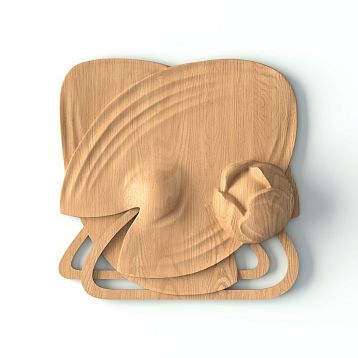
Carving can vary in complexity — from simple geometric patterns to intricate floral compositions. Popular motifs include grapevines with leaves and clusters, oak branches with acorns, roses with petals. Each element is meticulously crafted with jewel-like precision, creating three-dimensional compositions that come alive with their own life.
Get Consultation
Flat balusters: a new dimension of decoration
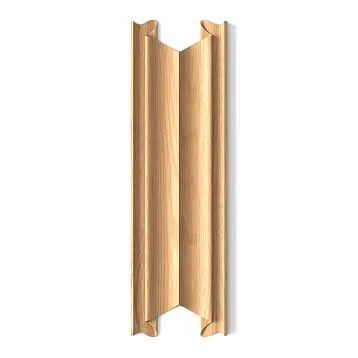
Carved flat balusters open up completely new possibilities for designers and architects. Unlike traditional three-dimensional forms, flat balusters create rhythmic compositions where each element is part of a larger picture.
The feature of flat balusters is that they work not individually, but as a group. Each subsequent baluster can continue the pattern started by the previous one, creating a continuous ornament. This opens up boundless creative possibilities — from simple geometric patterns to complex narrative compositions.
The technology for manufacturing flat carved balusters requires high-precision equipment. Modern CNC machines allow creating the most complex patterns with perfect repeatability. At the same time, each item undergoes final hand finishing, ensuring quality and uniqueness.
Materials: choosing wood for various tasks
Fine Woods: Oak as the Standard of Quality
Oak is rightfully considered the king among wood species for making balusters. Its exceptional strength, beautiful texture, and ability to develop a noble patina over time make oak balusters the ideal choice for those who value quality and durability.
The structure of oak wood is characterized by high density and distinct growth rings, which create a distinctive pattern. When properly processed, oak can serve for centuries, becoming even more beautiful with age. Its high tannin content provides natural protection against moisture and pests.
Oak balusters look especially striking in classic interiors, where their solidity and elegance highlight the owner's status and taste. They pair beautifully with natural stone, wrought metal, and quality fabrics.
Beech: Warmth and Practicality
Beech wood attracts designers with its uniform structure and pleasant pinkish hue. Beech is lighter than oak but strong enough for manufacturing load-bearing elements of staircases.
The distinctive feature of beech is its excellent workability. This wood is ideal for creating intricate carved elements, as it is resistant to chipping and cracking. Beech balusters can be stained in various colors to imitate more expensive species.
Beech balusters are especially popular in Scandinavian interior style, where the natural beauty of the material and functional forms are valued. The light tone of beech creates a sense of cleanliness and freshness.
Ash: Flexibility and Expressiveness
Beech wood is characterized by high impact resistance and ability to withstand dynamic loads. This makes beech balusters ideal for stairs with heavy usage.
The texture of beech features contrasting grains, creating an expressive pattern. Light wood with dark streaks looks especially striking under transparent finishes, highlighting the natural beauty of the material.
Beech balusters are perfect for modern interiors, where both beauty and functionality are important. This species pairs well with metal and glass, creating interesting contrasts.
Coniferous Woods: Accessibility and Reliability
Spruce remains the most popular material for making balusters due to its optimal price-to-quality ratio. Spruce wood is easy to process, has a pleasant texture, and a natural aroma.
The high resin content in spruce provides natural protection against moisture and pests. When properly processed, spruce balusters can last for decades, retaining their original appearance.
Spruce balusters are ideal for country houses and cottages, where both beauty and practicality are important. They are easy to stain and paint, allowing them to be adapted to any interior color scheme.
Manufacturing technologies: from traditions to innovations
Turning: the classic of the genre
Turning remains the primary method for creating traditional balusters. Modern CNC turning machines allow the production of complex profiles with high precision and repeatability.
The process begins with preparing the blank — a square block of a specific cross-section. The blank is secured in the machine's chuck and processed with various cutters, creating the characteristic baluster shapes.
Modern machines allow programming complex profiles, reproducing historical samples or creating new designer forms. Each item undergoes final hand finishing, ensuring surface quality and eliminating minor defects.
Milling: Precision and Complexity
Milling opens new possibilities for creating complex decorative elements. Special milling cutters allow the creation of grooves, moldings, rosettes, and other decorative details.
Modern CNC milling centers can process blanks from multiple sides, creating complex three-dimensional forms. This is especially important for manufacturing flat carved balusters, where high precision and detail are required.
Combining turning and milling allows the creation of unique items that combine classic forms with modern decorative elements.
Hand carving: art in every detail
Despite technological advancements, hand carving remains unmatched in creating unique artistic elements. A master carver can create what no machine can — a living, animated form.
Hand carving requires not only technical skills but also artistic taste. The master must feel the material, understand its possibilities and limitations. Each stroke of the chisel is carefully planned and executed.
Russian style in baluster making is characterized by the use of traditional motifs and techniques. These may include floral ornaments, geometric patterns, stylized depictions of animals and birds.
Stylistic Directions: From Classic to Modern
Russian style: returning to roots
The distinctive feature of Russian style is its organic connection to nature. Masters draw inspiration from the surrounding world, creating balusters that harmoniously fit into the Russian landscape.
The feature of Russian style lies in its organic nature and connection with nature. Masters draw inspiration from the surrounding world, creating balusters that harmoniously blend into the Russian landscape.
The color palette of Russian style is usually limited to natural wood tones or traditional colors — red, blue, green. Techniques of artificial aging are often used, creating an antique effect.
Scandinavian minimalism: beauty of simplicity
Scandinavian style implies maximum simplicity of forms and naturalness of materials. Balusters in this style are characterized by minimalism and functionality.
Core principles of Scandinavian design — clean lines, natural materials, light tones. Balusters usually have simple geometric shapes and are coated with transparent finishes that highlight the beauty of the wood.
Scandinavian style is ideal for modern interiors, where ostentatious luxury is not valued, but quality and comfort are. Such balusters create a sense of cleanliness and freshness.
Provence: Romance of French Provençal
The Provence style is characterized by lightness, romance, and connection with nature. Balusters in this style often have slightly irregular shapes, creating a sense of handcrafted authenticity.
Characteristic features of the Provence style include the use of light tones, artificial aging techniques, and botanical motifs. Balusters are often painted with white or cream-colored paint with a distressed effect.
The Provence style is ideally suited for country houses and cottages, where the atmosphere of coziness and tranquility is important. Such balusters create a sense of French Provençal with its unhurried rhythm of life.
Technical Aspects and Norms
Dimensions and Proportions
The manufacturing of balusters is regulated by construction norms that define the basic dimensions and safety requirements. The standard height of balusters is 900 millimeters for residential buildings, ensuring optimal safety.
The cross-section of balusters depends on their functional load and aesthetic requirements. For load-bearing elements, the minimum cross-section is 40×40 millimeters, but larger dimensions are often used to create proportional forms.
The distance between balusters is calculated based on safety requirements — the gap should not exceed 150 millimeters for residential buildings. This ensures protection of children from accidental falls.
Strength Requirements
Balusters must withstand normative loads without deformation or damage. The horizontal load on the handrail is 0.8 kN/m for residential buildings and 1.5 kN/m for public buildings.
Special attention is paid to the mounting of balusters to the base and handrail. Connections must be secure and durable, capable of withstanding both static and dynamic loads.
Quality control includes checking geometric dimensions, material strength, and surface finish quality. Each batch of products undergoes random testing for compliance with normative requirements.
Installation and mounting: professional approach
Preparation Work
Quality installation of balusters begins with careful preparation. Accurate measurements must be taken, the horizontal alignment of steps checked, and mounting locations prepared.
Marking is performed with high precision, as even minor deviations can disrupt the overall geometry of the staircase. Laser levels and special templates are used to ensure even placement of elements.
Tool preparation includes checking its functionality and accuracy. Professional tools — drills, routers, measuring instruments — are required for quality installation.
Methods of mounting
There are several main methods of mounting balusters, the choice of which depends on the staircase construction and strength requirements.
Shank connection — a traditional method ensuring secure fixation while preserving aesthetics. Wooden or metal shanks are inserted into pre-drilled holes.
Threaded connection is used for creating disassemblable structures. A thread is cut into the base of the baluster, and a corresponding part is installed on the step.
Adhesive connection is used as an additional method of fixation. Modern woodworking adhesives provide joint strength comparable to that of wood.
Final finishing
After installation, balusters require finishing treatment, which includes sanding connection areas, applying protective coatings, and eliminating minor defects.
Sanding is performed using abrasive materials of varying grit, starting with coarse and ending with fine. This ensures a perfectly smooth surface ready for coating application.
Applying protective coatings — a critical stage that determines the longevity and appearance of balusters. Various types of coatings — varnishes, oils, waxes — are used, each with its own application characteristics.
Protective Coatings and Maintenance
Types of Protective Coatings
The choice of protective coating depends on operating conditions, aesthetic requirements, and personal preferences. Each type of coating has its advantages and specific application characteristics.
Varnish coatings create a strong protective film on the wood surface. Polyurethane varnishes have high wear and chemical resistance, making them ideal for heavily used staircases.
Oil coatings penetrate into the wood structure, highlighting its natural beauty. They create a pleasant-to-touch surface and are easily renewed when needed.
Wax coatings give wood a noble matte sheen and protect against moisture. Wax is easy to apply and creates an eco-friendly coating.
Regular Maintenance
Proper care of wooden balusters ensures their longevity and preservation of their original appearance. Regular procedures include dust cleaning, humidity control, and protection from direct sunlight.
Cleaning is performed using soft cloths or specialized wood care products. It is important to avoid aggressive chemical substances that may damage the protective coating.
Controlling humidity in the room helps prevent wood deformation. Optimal humidity is 40-60%, which corresponds to comfortable conditions for humans.
Economic aspects and budget planning
Pricing Factors
The cost of wooden balusters depends on numerous factors that must be considered when planning the project budget. Understanding these factors will help make the right choice and optimize expenses.
The material used is the primary cost-determining factor. Balusters made of pine are the most affordable, while oak products are significantly more expensive. Exotic species may cost several times more than traditional ones.
The complexity of manufacturing affects labor costs and final price. Simple turned balusters are cheaper than hand-carved items. Each additional decorative element increases the price.
Order volume allows discounts for large quantities. This is especially relevant for large projects or when ordering all staircase elements simultaneously.
Cost Optimization
There are several ways to reduce the cost of balusters without compromising quality. Proper planning and selection of optimal solutions allow creating a beautiful staircase within a limited budget.
Choosing material is not always about selecting the most expensive species. Properly processed pine can look no worse than oak at significantly lower cost.
Combining techniques allows creating interesting effects at moderate costs. For example, the main shape can be made by machine, while decorative elements can be handcrafted.
Planning in advance helps avoid urgent orders, which usually cost more. Early planning allows selecting the optimal time for production.
Trends in development and innovation
Modern technologies
Technological advancements open new possibilities in wooden baluster production. Modern equipment allows creating items with previously unattainable precision and quality.
CNC machines ensure high precision and repeatability of products. Program-controlled operation allows creating complex profiles and reproducing historical designs.
3D technologies are used for designing and visualizing future products. Clients can see the result before production begins and make necessary adjustments.
Laser processing opens new possibilities for creating complex decorative elements. Laser cutting ensures perfectly straight edges and the ability to create delicate patterns.
Ecological Requirements
Growing attention to ecology influences material and production technology choices. Consumers increasingly value eco-friendly materials and responsible production.
FSC-certified wood guarantees that the material comes from sustainably managed forests. This is important for preserving forest resources for future generations.
Water-based eco-friendly coatings gradually replace traditional formulations with organic solvents. They are safe for health and the environment.
Zero-waste production is becoming a standard for modern enterprises. Wood processing waste is used to produce fuel briquettes or other products.
Conclusion
The world of wooden balusters impresses with its diversity and beauty. From simple functional elements to true works of art — each baluster can tell its own story and create a unique atmosphere in the home.
quality balusters for staircases — is an investment in the beauty, safety, and longevity of your home. Modern technologies allow creating items of any complexity, bringing the most daring design ideas to life.
When choosing balusters, it is important to consider not only aesthetic preferences but also technical requirements, operating conditions, and budget constraints. Professional consultation will help find the optimal solution for each specific case.
Quality wooden elements for staircases create not only a safe but also beautiful living environment. They connect us with nature, bringing warmth and coziness of natural material into the home.
STAVROS is a recognized leader in the production of high-quality wooden items for staircases. Years of experience, modern equipment, high qualifications of craftsmen, and strict quality control allow STAVROS to create products that meet the highest standards.
STAVROS offers a wide range of products including balusters of various styles and sizes — from classic turned items to modern carved constructions. The ability to manufacture according to individual projects allows bringing the most daring design ideas to life.
If you plan to create your dream staircase, consult professionals at STAVROS. The quality of products, professional support at every stage of the project, and individual approach to each client make STAVROS a reliable partner for realizing your architectural visions.
Investing in quality wooden balusters is a solution that pays off with beauty, safety, and durability. Entrust the creation of your dream staircase to STAVROS professionals, and the result will exceed all your expectations.