Article Contents:
- Architectural philosophy of vertical space
- Evolution of design: from utility to art
- Historical roots of modern aesthetics
- Specialized Picture Frame Solutions
- Material science: foundation of quality and durability
- The nobility of natural wood
- Coniferous species: accessibility and practicality
- Technological aspects of production
- Traditional Processing Methods
- Modern CNC technologies
- Staircase system design
- Ergonomic principles
- Structural Solutions
- Stylistic Directions in Modern Design
- Classic elegance
- Modern minimalism
- Eclectic solutions
- Technical aspects of installation
- Mounting methods
- Preparatory work
- Surface treatment and protection
- Preparation operations
- Protective Coatings
- Integration into interior design concepts
- Harmony with architectural style
- Functional integration
- Economic Aspects of Design
- Budget Planning
- Long-Term Economic Efficiency
- Trends and innovations
- Ecological Aspects
- Technological Innovations
- Maintenance and care
- Regular maintenance
- Preventive maintenance
- Conclusion
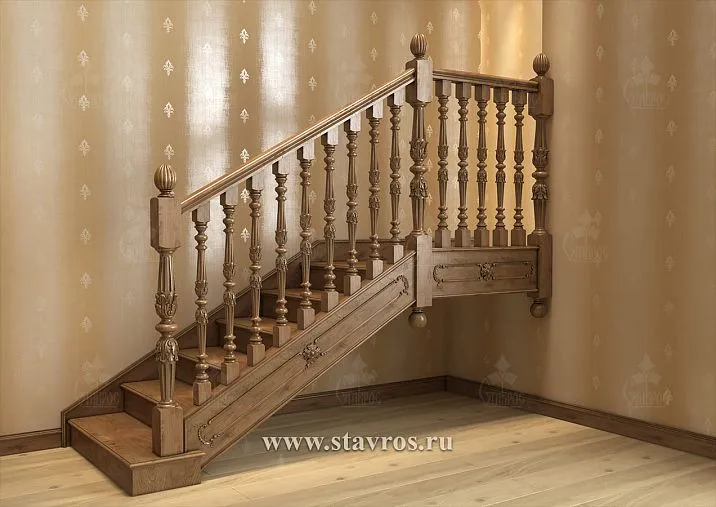
When a home acquires a second floor, space is filled with new possibilities and challenges. The central element of this vertical architecture is the staircase to the second floor balustrade which transforms a functional structure into a work of art. These elegant vertical posts not only ensure safety — they create rhythm, set the mood, and define the character of the entire interior.
Multi-level housing requires a special approach to organizing interior space. The staircase becomes not just a means of moving between levels, but a key architectural element that daily welcomes residents and guests. The balusters in this composition play the role of main characters — they ensure structural integrity, guarantee safety, and create visual harmony.
Modern requirements for living space dictate new standards of functionality and aesthetics. Every element must contribute to the overall concept, creating an atmosphere of comfort and beauty. That is why choosing balusters for the second-floor staircase becomes a decision that affects the perception of the entire house.


Architectural philosophy of vertical space
Creating a multi-level residence is always a dialogue between functionality and beauty. The staircase to the second floor becomes a connecting link between worlds, each with its own purpose and character. The first floor is a space for communication, meetings, active life. The second floor is a zone of privacy, rest, personal space.
The transitional zone between floors requires special attention to details. Here, every element must contribute to creating a smooth transition between different functional zones. Balusters become guides for this transition, creating a visual rhythm that accompanies movement up or down.
The psychology of perceiving vertical space shows that people subconsciously evaluate the safety and comfort of a staircase based on its appearance. High-quality, properly designed balusters create a sense of reliability and stability, which is critically important for the psychological comfort of residents.
The energy of a space largely depends on how the transition between floors is organized. An open, bright staircase with elegant balusters creates a sense of lightness and airiness. A heavy, bulky structure may weigh on the psyche, creating discomfort.




Evolution of design: from utility to art
Our factory also produces:


Historical roots of modern aesthetics
The history of balusters traces back to ancient architecture, where each element carried not only functional but also symbolic weight. Ancient masters understood that beauty and functionality must coexist in harmony, creating spaces that inspire and protect simultaneously.
Renaissance traditions laid the foundations for the modern understanding of architectural elegance. Masters of that time created balusters as miniature works of art, where every detail had meaning. Proportions based on mathematical laws created a sense of harmony and perfection.
The baroque opulence of the 17th-18th centuries introduced unprecedented decorative qualities into baluster design. Complex curved forms, abundant carved ornamentation, and play of light and shadow transformed stair railings into true works of applied art. This period demonstrated that functional elements can be a source of aesthetic pleasure.
Get Consultation
Modern interpretations of classic profiles
Today's designers and architects reinterpret classical forms, adapting them to modern needs and technologies. Neoclassicism in baluster design combines traditional proportions with modern materials and manufacturing technologies.
Minimalist trends simplify forms but do not deprive them of expressiveness. Modern balusters can be extremely minimalist, yet create a powerful visual effect through the quality of material and flawless execution.
Eclectic solutions allow combining elements of different styles, creating unique compositions. This approach is especially popular in modern interiors, where individuality and creative approach are valued.
Material science: foundation of quality and durability
The nobility of natural wood
Oak remains the king among materials for making balusters. Its density of 700-800 kg/m³ ensures exceptional strength and durability. Natural tannins provide inherent protection against moisture and biological damage. The color palette of oak is strikingly diverse — ranging from light golden hues to rich brown tones.
The particularly valuable material is the waterlogged oak — wood that spent centuries underwater, acquiring a unique dark color and incomparable texture. Such balusters become true works of art, highlighting the owner's status and refined taste.
Ash attracts designers with its expressive texture and excellent strength properties. Density of 650-750 kg/m³ ensures structural reliability, while fibrous structure allows creating balusters of complex shapes without risk of cracking. Natural ash grain with wavy lines creates dynamic play of light and shadow.
Beech is distinguished by its uniform structure and even color, making it ideal for staining and painting. Its density of 650-700 kg/m³ ensures durability, while its fine-pored structure provides a smooth surface after sanding.
Coniferous species: accessibility and practicality
Spruce offers an optimal combination of quality and affordability. Its density of 400-500 kg/m³ provides sufficient strength at a relatively low weight. The resinous structure creates natural protection against moisture and insects. The characteristic pattern of growth rings is especially pronounced on sanded surfaces.
Larch combines the beauty of coniferous species with the strength of deciduous ones. Its density of 650-700 kg/m³ and natural resinous properties ensure exceptional resistance to moisture and biological damage. This makes larch balusters ideal for use in environments with variable humidity.
Technological aspects of production
Traditional finishing methods
Hand turning remains the unparalleled method for creating unique balusters. The master turner works individually with each blank, considering the specific texture and structure of the particular piece of wood. This process requires years of experience and deep understanding of how different wood species behave under cutting tools.
Turner's toolset includes numerous specialized cutters. Roughing cutter is used for rough processing and shaping overall form, mallet for creating precise profiles, and chisel for detailing fine details. Each tool requires special skill and understanding of cutting techniques.
Wood carving represents the highest form of decorative baluster processing. The master carver creates three-dimensional compositions, transforming a simple wooden blank into a work of art. Carving techniques include relief, through, and sculptural carving, each requiring specialized skills and tools.
Modern CNC technologies
CNC machines have revolutionized baluster production. They enable the creation of items with perfect geometry and absolute repeatability of parameters. Computer control ensures processing accuracy down to fractions of a millimeter, which is critical for producing baluster sets with identical characteristics.
The process begins with creating a 3D model in specialized software. CAD systems allow designers to experiment with shapes, create complex compositions, and model various decorative options. The finished model is automatically converted into a control program for the machine.
Multi-axis milling centers can process blanks at any angles, creating the most complex 3D shapes. Modern machines are equipped with automatic tool-changing systems, allowing to perform the full processing cycle without operator involvement.
Staircase system design
Ergonomic principles
Creating a comfortable and safe staircase requires a deep understanding of ergonomic principles. The handrail height should be 900-1100 millimeters from the stair surface, ensuring comfortable use for people of varying heights. The distance between balusters should not exceed 150 millimeters in residential homes and 100 millimeters in childcare facilities.
The staircase incline angle affects usability and safety. The optimal angle is 30-40 degrees, ensuring comfortable ascent without excessive strain on the legs. At this angle, balusters are installed vertically, and their top ends are cut at the corresponding angle to fit snugly against the inclined handrails.
The width of the staircase run determines how many people can use the staircase simultaneously. For residential homes, the minimum width is 900 millimeters, with an optimal width of 1200-1500 millimeters. This affects the calculation of the number of balusters and their placement.
Constructive Solutions
Straight run staircases represent the simplest case for baluster installation. Constant incline angle allows using standard technologies without additional complications. All balusters have the same height, and their top ends are cut at an angle corresponding to the staircase incline.
Turnaround staircases with nosing steps require individual approach to each baluster. Trapezoidal step shape affects mounting point placement, and variable handrail incline angle requires individual trimming of each element. Balusters for the second-floor staircase of the turning type require special skill in design and installation.
Helical staircases present special difficulty in installing balusters. The constantly changing radius of curvature requires the use of special mounting technologies and flexible handrails. Each baluster must be individually calculated based on its position on the spiral.
Stylistic Directions in Modern Design
Classic elegance
The classical style in baluster design is based on principles of ancient architecture, adapted to modern requirements. The proportions of the golden section determine the relationship between main elements — base, shaft, and capital. Each part of the baluster has its own functional and aesthetic purpose.
Decorative elements of classical balusters include coves — vertical grooves, astragals — convex moldings, various profiled bands. Their combination creates rich play of light and shadow, giving the item volume and expressiveness. Classical balusters never go out of fashion, remaining an epitome of elegance.
Modern minimalism
Minimalist approach to baluster design is characterized by extreme simplicity of forms and absence of decorative excesses. Clean geometric lines and perfect proportions create a sense of modernity and functionality. The beauty of such balusters lies in the quality of material and flawless execution.
Monochromatic color solution emphasizes architectural expressiveness of form. Minimalist balusters are ideally suited for modern interiors, where functionality and restrained elegance are valued.
Eclectic Solutions
Modern designers often use an eclectic approach, combining elements of various styles. Neoclassicism combines classical proportions with modern materials. Modernism introduces natural motifs and organic forms. Loft uses rough textures and industrial elements.
Technical aspects of installation
Methods of mounting
Dowel jointing represents a traditional method of joining wooden elements. Wooden cylindrical dowels with a diameter of 8-12 millimeters create a strong and environmentally friendly connection. Dowels are made from hardwoods and installed using PVA wood glue.
Metal dowels with a diameter of 8-10 millimeters provide exceptional connection strength. The threaded portion of the dowel is screwed into the baluster to a depth of 40-50 millimeters, and the free end enters a previously drilled hole in the tread or handrail.
Specialized hardware includes various types of connectors that allow mounting balusters at any angle. Corner connectors are especially relevant for spiral and turning staircases, where the handrail inclination angle constantly changes.
Preparation Work
Precise marking is the foundation of quality installation. All baluster mounting points must be marked with millimeter accuracy. Laser levels, marking strings, and special templates are used to ensure perfect geometry.
Material preparation includes acclimating wood in the installation room. This allows the material to reach equilibrium moisture content and minimizes subsequent deformations. The moisture content of the wood should be 8-12% for interior structures.
Surface treatment and protection
Preparation operations
Sanding is the foundation of quality baluster finishing. The process is performed in several stages with gradually decreasing abrasive grit. Initial processing with P120-P150 abrasive removes traces of mechanical processing and levels the surface.
Intermediate sanding with P180-P220 abrasive removes minor scratches and prepares the surface for final finishing. Special attention is given to processing complex profiles and hard-to-reach areas. Final sanding is performed with P240-P320 abrasive and imparts the surface with perfect smoothness.
Protective coatings
Transparent varnishes remain the most popular type of finish for wooden balusters. They preserve the natural beauty of the wood, highlighting its texture and color. Modern polyurethane varnishes provide high wear resistance and chemical resistance.
Oil finishes create natural protection by penetrating deeply into the wood structure. They emphasize the material's natural beauty and create a pleasant tactile surface. Oils require periodic reapplication but allow for localized repair.
Wax finishes impart a noble matte sheen to the surface and provide additional protection against moisture. Wax is applied in a thin layer and polished with a soft cloth to achieve an even sheen.
Integration into interior design concepts
Harmony with architectural style
Successful integration of the staircase into the interior requires a deep understanding of the room's architectural style. Classical interiors require balusters with traditional proportions and decorative elements. Modern spaces prefer minimalist forms and innovative materials.
Color scheme should harmonize with the overall interior palette. Dark wood species create a sense of respectability and solidity. Light tones give the space a sense of lightness and airiness. Contrasting solutions can create striking accents but require careful application.
Functional Integration
Modern technologies allow integrating various functional elements into balusters. LED lighting creates an impressive illumination for the staircase and enhances safety during nighttime. "Smart home" systems may include motion sensors and automatic lighting control.
Audio systems can be discreetly integrated into baluster construction, creating background musical accompaniment. Security systems include sensors, cameras, and alarm components, seamlessly embedded into architectural elements.
Economic aspects of design
Budget planning
Cost Staircase to the second floor with balusters Depends on many factors. Wood species is the primary pricing factor. Coniferous species cost 2-3 times less than hardwoods, while exotic species may cost 5-10 times more than common ones.
Processing complexity directly affects labor and final cost. Simple turned balusters require minimal processing, while carved compositions demand significant time and skilled craftsmanship. Project volume significantly affects the cost per unit.
Long-term economic efficiency
Quality balusters represent a long-term investment in home beauty and functionality. Quality products made from hardwoods last 50-100 years with proper care. Inexpensive alternatives may require replacement within 10-15 years.
Impact on property value is a key factor in budget planning. Quality stair railings significantly enhance a home's appeal to potential buyers and may increase its market value by 10-15%.
Trends in development and innovation
Ecological aspects
Modern construction trends increasingly focus on eco-friendliness and sustainability. FSC certification guarantees wood sourced from responsibly managed forests. Zero-waste technologies allow utilizing all wood processing by-products.
Natural finishes based on plant oils and waxes replace synthetic compositions. Renewable energy in production reduces the product's carbon footprint. Local materials reduce transportation costs and support local economies.
Technological Innovations
Digital technologies revolutionize design and production processes. 3D modeling allows creating complex forms and visualizing results even during the design stage. Virtual reality enables clients to "walk" through the future staircase.
Production automation increases precision and reduces cost. Artificial intelligence optimizes technological processes and predicts market needs. Internet of Things creates "smart" production with full quality control.
Care and Maintenance
Regular Maintenance
Wooden balusters require regular but simple maintenance. Daily cleaning involves removing dust with a soft cloth. Weekly wet cleaning uses specialized wood cleaning agents. Avoid excessive moisture and aggressive chemical cleaners.
Controlling indoor microclimate prevents wood deformation. Optimal air humidity is 45-60%, temperature — 18-24°C. Protection from direct sunlight prevents fading and cracking of finishes.
Preventive Maintenance
Finish renewal is recommended every 3-5 years depending on usage intensity. Fastening connections should be checked annually. Professional diagnostics every 5 years help identify hidden defects.
Local repair of damage prevents its progression. Minor scratches are removed by sanding and repainting. More serious damage requires professional intervention.
Conclusion
Creating a staircase to the second floor with quality balusters is an investment in home beauty, safety, and comfort. Every element of this structure must be carefully planned and professionally executed. Staircase balusters to the second floor Become not just functional elements, but works of art that delight the eye daily and create an atmosphere of coziness.
Modern manufacturing technologies open boundless creative possibilities, allowing to bring the most daring design ideas to life. At the same time, it is important not to forget about the traditions of craftsmanship accumulated by generations of carpenters and architects. It is precisely the combination of innovations with time-tested solutions that creates truly high-quality products.
A properly designed and executed staircase with quality balusters will serve many generations, preserving its beauty and functionality. It will become not just a means of moving between floors, but a central interior element, a source of pride and pleasure for the entire family.
Investments in quality materials and professional execution pay off through longevity, safety, and aesthetic perfection. In the world of mass production, quality wooden balusters remain a symbol of true craftsmanship and individual approach to creating living space.
For many years, STAVROS has specialized in creating high-quality staircase structures and their components. By combining traditional wood processing methods with modern technologies, STAVROS creates products distinguished by flawless quality, durability, and unique beauty. Each STAVROS baluster is the result of careful material selection, professional craftsmanship, and strict quality control at every production stage, making STAVROS products a benchmark in creating staircases to the second floor with balusters that become home ornaments and sources of pride for their owners.