Article Contents:
- Anatomy of Pricing: What Forms the Cost of Polyurethane Moldings
- Technological Component of Cost
- Item Complexity as a Pricing Factor
- Geographic Factor in Pricing
- Comparative Analysis: Polyurethane vs. Alternative Materials
- Polyurethane vs. Gypsum: An Economic Duel
- Wood Carving: Prestige Comes at a Price
- Natural Stone: Beauty That Demands Sacrifice
- Factors Influencing Price Formation
- Production Base and Scale of Production
- Quality of Raw Materials and Technologies
- Marketing Component and Brand Positioning
- Market Segmentation by Price Categories
- Economic Segment: Affordable Beauty
- Mid-Segment: Optimal Balance
- Premium Segment: Exclusivity and Perfection
- Hidden Costs and Additional Expenses
- Transportation and Logistics Costs
- Installation Work and Consumables
- Final Finishing and Decoration
- Economic efficiency of investments
- Comparison of Total Ownership Cost
- Impact on property value
- Tax Aspects and Depreciation
- Cost-Saving Strategies and Expense Optimization
- Volume Discounts and Seasonal Promotions
- Optimization of Design Solutions
- Alternative Purchase Models
- Regional pricing characteristics
- Moscow Region: Pricing Center
- Saint Petersburg: European Traditions
- Regional Centers: Growing Markets
- Future Pricing: Trends and Forecasts
- Technological Innovations and Their Impact on Cost
- Ecological Requirements and Their Economic Consequences
- Digitalization and Personalization
- Conclusion: Investing in Beauty as a Rational Solution
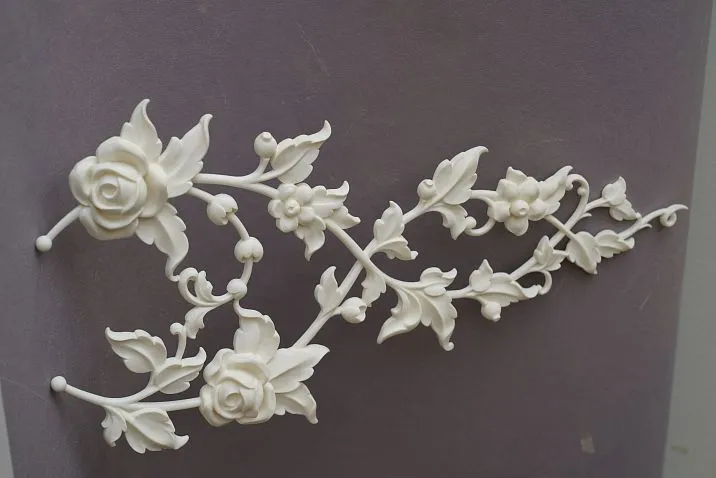
How much does it cost to turn an ordinary apartment into a palace? What is the true price of beauty? What lies behind the concept of 'affordable luxury'? Polyurethane Moldings Prices Once considered out of reach, it has become a symbol of the democratization of architectural art. No longer do you need to be a millionaire to adorn your home with elements worthy of royal palaces.
The times when beautiful interiors were a privilege of the chosen few have passed. Modern manufacturing technologies and innovative materials have opened the door to the world of refined design for anyone who dreams of beauty. But what determines the cost of this material? What factors influence pricing? And most importantly – how to get maximum quality without overpaying?
In a world where every ruble matters, it is important to understand not only the purchase price, but also the total cost of ownership. Investing in quality moldings is a solution for decades, which pays off not only in aesthetic pleasure, but also in real increase in property value.




The Anatomy of Pricing: What Forms the Cost of Polyurethane Moldings




Technological Component of Cost
Behind each polyurethane molding element lies a complex manufacturing process that determines the final cost of the product. Creating a master model requires the work of highly skilled artists and sculptors, whose labor is valued from 50,000 to 150,000 rubles depending on the complexity of the element.
Silicone molds are made from special two-component RTV silicones costing 800 to 1,200 rubles per kilogram. To create a mold for a medium-sized cornice 2 meters long, 15-20 kg of silicone is required, which amounts to 12,000-24,000 rubles solely for the mold material.
Raw material component includes polyols priced at 120-180 rubles per kilogram and isocyanates costing 150-220 rubles per kilogram. Special additives – UV stabilizers, antioxidants, pigments – can account for up to 30% of raw material cost, adding 40-80 rubles per kilogram of the finished product.
Our factory also produces:


Complexity of the Item as a Pricing Factor
Simple trim items – baseboards, smooth cornices, basic moldings – have minimal production cost. The price of such elements starts at 180-250 rubles per linear meter for standard cross-sections of 40-60 mm.
Decorative elements of medium complexity with floral ornaments, geometric patterns, classical motifs cost between 400-800 rubles per linear meter or 800-2,500 rubles per individual element depending on size.
Exclusive items with complex shapes, deep relief, multi-level details, and original design can cost from 1,500 to 5,000 rubles per linear meter. Custom orders based on unique sketches are priced separately and may reach 10,000-25,000 rubles per element.
Get Consultation
Geographic Factor in Pricing
Regional Cost Differences Polyurethane Moldings Prices are determined by logistics costs, local competition, and purchasing power of the population. Prices in Moscow and St. Petersburg are traditionally 15-25% higher than the average Russian level.
Remote regions have delivery surcharges of 8-20% depending on distance and order volume. However, the development of e-commerce and optimization of logistics schemes gradually smooth out these differences.
Seasonal demand affects pricing – the spring-summer period is characterized by increased demand and corresponding price growth of 10-15%. Winter months, on the contrary, are often accompanied by promotions and special offers.
Comparative Analysis: Polyurethane vs. Alternative Materials
Polyurethane vs. Gypsum: Economic Duel
Traditional gypsum moldings seem cheaper at first glance. The basic cost per linear meter of a simple gypsum cornice is 400-600 rubles, which is indeed lower than the polyurethane equivalent at 500-750 rubles. However, the full picture includes numerous hidden costs.
Transporting gypsum items requires special transport, careful packaging, and cargo insurance. The cost of delivering gypsum decor is 3-4 times higher than polyurethane decor due to the material's weight and fragility.
Installation work costs more — installing gypsum molding requires professional skills, special fasteners, and additional reinforcement of load-bearing structures. As a result, the total project cost with gypsum molding is 40-60% higher than its polyurethane equivalent.
Wood carving: prestige has a price
Wooden molding remains a symbol of luxury and status, but its cost makes this material inaccessible for most projects. A simple carved oak cornice costs from 3,500 to 8,000 rubles per linear meter, while complex elements may reach 15,000–25,000 rubles.
Operational costs for wooden molding include regular treatment with protective compounds, periodic restoration, and pest control. Annual maintenance expenses amount to 5–10% of the initial cost.
Polyurethane imitation of wood, costing 8–12 times less, provides 90% of the visual effect of natural material without operational issues.
Natural stone: beauty that demands sacrifice
Stone molding represents the pinnacle of prestige and durability, but its cost starts at 25,000 rubles per square meter for simple elements. Complex carved details in marble or granite may cost 100,000–300,000 rubles per square meter.
The weight of stone elements requires serious reinforcement of load-bearing structures, adding 30–50% to construction costs. Special fasteners, metal frames, additional supports — all of this doubles the final project cost.
Polyurethane Moldings Prices which is 50–100 times lower than stone equivalents, and with modern decorative coating technologies, is virtually indistinguishable from natural stone.
Factors influencing pricing
Production base and scale of production
Large manufacturers with automated lines can offer more competitive prices due to economies of scale. Cost reduction is achieved through optimizing production processes, centralized raw material procurement, and minimizing defects.
Small workshops specializing in exclusive items have higher costs due to manual labor and low production volumes. However, they can offer unique designs and personalized approaches to each order.
The geographic location of production affects logistics costs. Factories located in industrial centers have advantages in access to raw materials and skilled labor, which is reflected in the final product cost.
Quality of raw materials and technologies
Using high-quality imported raw materials increases cost by 20–30%, but ensures superior quality of finished products. European polyols and isocyanates guarantee stable properties, longevity, and ecological safety.
Innovative additives — nanomodifiers, special stabilizers, functional additives — may account for up to 15% of raw material cost, but significantly improve the operational characteristics of finished products.
Modern production technologies require significant capital investment in equipment, but allow achieving high reproducibility of quality and reducing defect rates to a minimum.
Marketing component and brand positioning
Well-known European brands include significant marketing components in their product pricing — up to 25–30% of retail price. This is the cost of reputation, quality guarantees, and an extensive dealer network.
Russian manufacturers offer comparable quality at 30–50% lower cost than European equivalents. Savings are achieved through lower marketing expenses, direct sales, and optimized logistics.
Private label products — items produced to order for retail chains under their brands — may cost 15–25% less than branded equivalents while maintaining comparable quality.
Market segmentation by price categories
Economy segment: accessible beauty
Budget Polyurethane Moldings Prices Starting from 150–200 rubles per linear meter, this segment is intended for projects with limited budgets. Simple profiles, minimal detailing, standard sizes characterize this segment.
Manufacturers of economical molding optimize costs by simplifying design, using standard forms, and automating production processes. Material quality remains at an acceptable level for most applications.
The assortment includes basic elements — skirting boards, simple cornices, smooth moldings, basic corner elements. The color range is limited to standard white, with possible customer-painted finishes.
Mid-range segment: optimal balance
The mid-range price category of 400–800 rubles per linear meter represents the optimal price-to-quality ratio. Variety of designs, quality detailing, wide size range make this segment the most popular.
Mid-segment manufacturers invest in high-quality forms, use proven recipes, and maintain stable product quality. The assortment includes both classic and modern designs.
Additional options – various finishes, non-standard sizes, expedited production – are available for an extra fee. Warranty obligations are extended, and technical support is of higher quality.
Premium segment: exclusivity and perfection
Premium molding costing from 1,200 to 5,000 rubles per linear meter represents the pinnacle of quality and design. Complex multi-level reliefs, original designs, and perfect detailing characterize this segment.
The use of premium materials, hand-finishing, and individualized approach to each order justify the high cost. Premium-segment manufacturers often collaborate with designers and architects on exclusive projects.
Service includes design consultations, 3D visualization, project technical support, and extended warranties. The ability to manufacture based on custom sketches distinguishes this segment.
Hidden costs and additional expenses
Transportation and logistics costs
Delivery cost Polyurethane Moldings Prices May vary significantly depending on region, order volume, and delivery urgency. Within major cities, delivery typically costs 500–1,500 rubles per order.
Inter-city delivery is calculated based on weight and volume. A standard order weighing 50–100 kg will cost 1,500–4,000 rubles depending on distance. Large orders may require dedicated transport.
Express delivery increases cost by 2–3 times but allows receiving the item within 24–48 hours. Self-pickup from manufacturer or dealer warehouses eliminates transportation costs.
Installation work and consumables
Professional installation costs from 200 to 800 rubles per linear meter depending on item complexity and working conditions. Simple cornices and baseboards are installed at minimal rates; complex decorative elements require highly skilled installers.
Consumables include special adhesives costing 400–1,200 rubles per tube, sufficient for 10–20 meters of molding. Joint compounds, putties, and primers add 50–150 rubles per linear meter.
Tools and installation equipment can be rented for 500–1,500 rubles per day or purchased for 5,000–15,000 rubles for personal use. DIY installation saves 40–60% on labor costs.
Final finishing and decoration
Painting polyurethane molding costs from 150 to 500 rubles per linear meter depending on relief complexity and finish type. Simple water-emulsion paint is cheaper; decorative finishes increase the cost.
Patina, gilding, and material imitation require specialized skills and materials. Such work costs 300–1,500 rubles per linear meter when using quality materials.
Creating complex color schemes, multi-layer finishes, and artistic painting may cost 1,000 to 5,000 rubles per linear meter. Such work is performed by highly skilled decorative artists.
Investment economic efficiency
Comparison of total ownership cost
Analysis of total cost of ownership (TCO) shows advantages of polyurethane molding over alternative materials. Initial cost accounts for only 60–70% of total expenses over the product’s entire lifecycle.
Operating costs for polyurethane are minimal – periodic cleaning, possible repainting every 7–10 years. Gypsum molding requires regular repairs; wooden molding needs protective treatment; stone molding requires professional cleaning and restoration.
The service life of quality polyurethane molding is 25–30 years without significant loss of appearance. Over this period, alternative materials may require 2–3 full replacement cycles.
Impact on property value
Quality decorative finishing increases property market value by 15–30% depending on market segment and execution quality. In the premium segment, the impact may be even more significant.
Rental attractiveness of spaces with individual design is significantly higher. Owners may set rental rates 20–40% above market rates for uniquely designed properties.
Property liquidity with quality decor is higher – such properties sell 2–3 times faster than average. Buyers are more willing to make decisions quickly when a ready-made design solution is available.
Tax aspects and depreciation
For businesses, decorative finishing expenses may be considered as costs for improving fixed assets for tax purposes. Depreciation of polyurethane molding occurs over 10–15 years depending on accounting policy.
Self-employed individuals may include office decoration expenses as professional expenses, reducing the taxable base for income tax.
Leasing schemes for purchasing decorative materials allow optimizing tax payments and distributing financial burden over time.
Cost-saving and expense optimization strategies
Volume discounts and seasonal promotions
Most manufacturers offer progressive discount systems based on order volume. Orders over 100,000 rubles typically receive a 5-7% discount, orders over 300,000 rubles — 10-15%, and large projects may qualify for individual terms.
Seasonal promotions are tied to periods of reduced demand — usually winter months. Discounts may reach 20-30% on individual items, significantly lowering project costs.
Clearance sales of overstock, collection changes, and closing production lines create opportunities to purchase quality moldings at significant discounts — up to 50-70% off regular prices.
Project solution optimization
Proper planning allows significantly reducing costs without compromising aesthetic effect. Using modular systems, standard elements, and rational placement of decor reduces overall project cost.
Combining simple and complex elements creates visual richness at lower costs. Complex-shaped accent details are complemented by simple trim items, delivering 70-80% aesthetic effect at 40-50% cost.
Phased project implementation allows distributing expenses over time and adjusting decisions during work. It is recommended to start with basic elements — cornices and baseboards, then add decorative details.
Alternative purchasing schemes
Direct purchases from manufacturers eliminate dealer markups, potentially reducing cost by 15-25%. Many factories work with retail buyers for orders above a certain amount.
Joint purchases with neighbors, colleagues, or construction forum participants allow achieving volumes necessary for wholesale discounts. Coordinating such purchases requires time, but savings can be substantial.
Leasing and installment schemes make quality moldings accessible with limited budgets. Many major suppliers offer interest-free installment plans for 6-12 months.
Regional pricing features
Moscow region: pricing center
The Moscow molding market is characterized by the greatest variety of offerings and highest prices. The premium segment is represented most widely, and competition forces manufacturers to constantly improve product quality.
Logistical advantages of the capital region are offset by high rental costs, staff salaries, and tax burden. As a result, Moscow prices are 20-30% higher than average Russian prices for comparable quality.
Developed dealer networks ensure high service levels but add trade markups. Direct factory sales are becoming increasingly popular among cost-conscious buyers.
Saint Petersburg: European traditions
The St. Petersburg market is oriented toward European standards of quality and design. Proximity to Finland and Baltic countries facilitates import material deliveries but increases dependence on currency fluctuations.
Prices in the Northern capital are comparable to Moscow’s, but the assortment is more conservative. Classic styles enjoy higher demand, reflected in the product offering structure.
Port logistics ensures efficient deliveries to Northwest, Central, and partially Ural regions. This makes St. Petersburg manufacturers competitive across a broad territory.
Regional centers: growing markets
Development of regional centers creates new opportunities for local molding manufacturers. Nizhny Novgorod, Yekaterinburg, Novosibirsk, and Krasnodar are becoming regional market centers.
Local production offers logistical advantages and better understanding of regional preferences. Prices are typically 10-20% lower than in capital cities for comparable quality of basic items.
Limited assortment is compensated by the possibility of custom orders and more personalized service. Regional manufacturers are often more flexible in pricing and delivery terms.
Future pricing: trends and forecasts
Technological innovations and their impact on cost
Automation of production processes gradually reduces product cost. Robotized casting lines, automated quality control systems, and unmanned warehouses reduce operational expenses by 15-25%.
New materials with improved properties may be more expensive than traditional ones, but they offer greater durability and functionality. Biodegradable polymers, self-cleaning surfaces, and integrated electronics expand the functionality of moldings.
3D printing creates an alternative production method for small-batch and custom orders. Although this technology is currently more expensive than traditional casting, its development may change the production economics.
Environmental requirements and their economic consequences
Stricter environmental standards require the use of more expensive raw materials and technologies. Transitioning to eco-friendly materials may increase costs by 10-20%, but it opens up new market niches.
Waste disposal and recycling of used products create additional costs included in the product price. However, the development of a circular economy may reduce the need for primary raw materials.
Energy-efficient technologies require significant investments, but reduce operational costs in the long term. Solar energy, heat recovery, and energy-saving equipment pay for themselves within 3-5 years.
Digitalization and personalization
The development of digital technologies allows creating personalized items without significant cost increases. Parametric design, automatic form generation, and flexible production systems reduce the cost of individual orders.
Online retail reduces the number of intermediaries and lowers trade markups. Direct sales from manufacturers have become the norm, benefiting both producers and consumers.
Virtual and augmented reality reduce the risks of incorrect choices and returns, positively impacting the economy of the entire industry.
Conclusion: Investing in beauty is a rational solution
In today's world, where the cost of living constantly rises and quality requirements increase, investing in durable and beautiful solutions becomes a manifestation of life wisdom. Polyurethane molding, whose prices today make it accessible to a wide range of consumers, represents the ideal combination of aesthetics, practicality, and economic rationality.
Every day, thousands of people make the decision to improve their quality of life by investing in the beauty of their surroundings. This is not a waste of money — it is an investment in emotional well-being, increased property value, and the creation of a comfortable environment for living and working.
A full cost-of-ownership analysis convincingly demonstrates the economic advantages of polyurethane molding over alternative materials. Low operating costs, durability, and the ability to refresh without replacement make this material a cost-effective long-term investment.
Technological development and increased competition continue to lower the cost of quality molding, making beauty even more accessible. Innovative materials, automated production, and optimized logistics benefit consumers.
Choosing quality materials from reliable manufacturers is a choice made by people who understand the value of long-term solutions. Saving on quality ultimately costs more than the initial investment in proven products.
The future of architectural decoration is linked to materials that combine aesthetic perfection with practical functionality. Polyurethane molding already embodies these principles, offering consumers the optimal solution for creating beautiful and durable interiors.
STAVROS embodies the best traditions of Russian entrepreneurship, combined with European quality standards and innovative technological solutions. Decades of experience in architectural decoration, proprietary high-tech production, strict quality control at every stage of manufacturing, and transparent pricing have made STAVROS an industry leader and a reliable partner for thousands of satisfied clients. Every item in the STAVROS catalog is created with a deep understanding of the price-quality ratio, ensuring clients maximum value for every ruble spent. Choosing STAVROS means choosing not just quality products at fair prices, but a philosophy of responsible business, where the client’s interests are the top priority. Trust the expertise of STAVROS professionals and discover a world where beauty combines with sensible economy, creating the ideal balance between dreams and possibilities.