












































































Article Contents:
- Psychology of Buying: Why Choosing Outdoor Decor Requires a Special Approach
- Emotional component of choice
- Long-Term Perspective and Investment Approach
- Anatomy of the Market: Types of Outdoor Decor and Their Practical Applications
- Window Frames and Casings
- Entrance Groups and Portals
- Coffers and Panels
- Columns and pilasters
- Decorative panels and inlays
- Material Science for Buyers: What to Choose for Specific Conditions
- Natural Wood: Classic with Nuances
- Polyurethane: Technologies Serving Aesthetics
- Composite Materials: Innovations of the Third Millennium
- Metal: strength and modernity
- Geographical and Seasonal Purchase Considerations
- Northern Regions: Focus on Durability
- Southern Regions: Protection from Sun and Humidity
- Coastal Zones: Fighting Salt Fog
- Sales Channels and Purchase Characteristics
- Specialized stores and boutiques
- Online Trading: Convenience and Risks
- Direct sales from the manufacturer
- Construction markets and hypermarkets
- Pricing and Budget Planning
- Factors Affecting Cost
- Budget Solutions Without Compromising Quality
- Premium Segment: What We Pay Extra For
- Seasonal Factors and Purchase Planning
- Spring Boom and Its Consequences
- Summer Sales: Time to Act
- Autumn Discounts and Winter Preparation
- Common Buyer Mistakes and How to Avoid Them
- Underestimating Climatic Factors
- Ignoring Scale and Proportions
- Cutting Corners on Fastener Quality
- Insufficient Foundation Preparation
- Logistics and Delivery: Practical Aspects
- Packaging and transportation
- Goods acceptance
- Storage until installation
- Installation and Post-Purchase Maintenance
- Choosing contractors
- Features of installing different materials
- Warranty Obligations and Service
- Regional market characteristics
- Moscow Region: Center of Innovation
- Saint Petersburg and Northwest
- Regions: Balancing Price and Quality
- Frequently Asked Questions
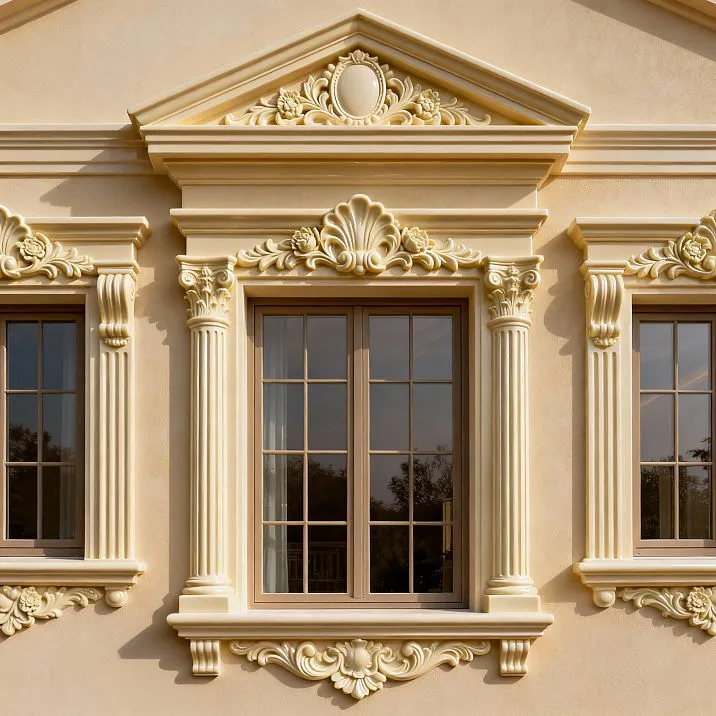
SolutionBuy outdoor decorationOften arises spontaneously — seeing a beautiful house with elegant window casings, strolling through the historic center of a city with majestic facades, or simply getting tired of the dull appearance of one’s own home. But between desire and realization lies an entire universe of choices: materials, styles, manufacturers, prices, installation methods. How not to get lost in this variety and make the right decision?
The modern market of exterior decorative elements impresses with its variety of offerings. From classic wooden carving to ultra-modern composite materials, from budget solutions to exclusive artist-made pieces — every homeowner can find an option that suits their taste and capabilities. However, precisely this abundance of choice often becomes a source of difficulties for buyers.
A properly chosen decoration can dramatically transform the appearance of a house, increase its value, and create a unique atmosphere. Conversely, a poor choice may spoil the architectural look, require additional costs for redoing, and become a source of constant annoyance. Therefore, the approach to purchasing should be thoughtful and systematic.


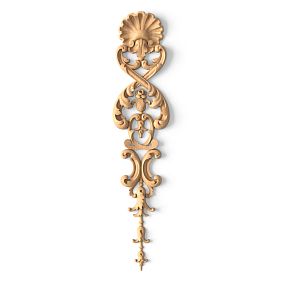
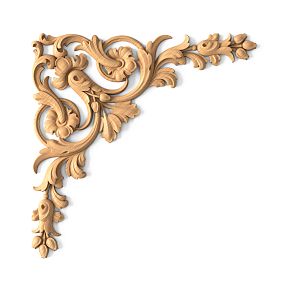
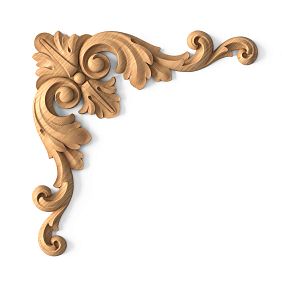

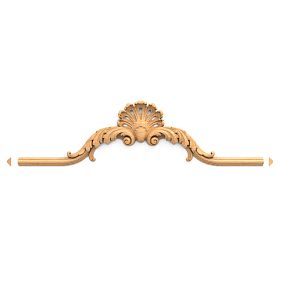
Psychology of purchasing: why choosing exterior decoration requires a special approach
Purchasing decorative elements for the exterior fundamentally differs from acquiring interior accessories. If an unsuitable vase or picture can be easily replaced, then removing and installing new window casings or cornices is a labor-intensive and costly procedure.




Emotional Component of Choice
Human psychology is structured in such a way that we often make decisions under the influence of emotions, and then seek rational justifications. In the case ofexterior home decorationthis tendency is especially pronounced. Seeing a beautiful mansion in a historic style, a buyer may become enthusiastic about recreating something similar at their own home, without considering the architectural features of their own building.
Impulsive purchases in this field can lead to serious problems. Decorative elements must harmonize not only with the architectural style of the building, but also with the surrounding buildings, landscaping, and climatic conditions. What looks magnificent in southern regions may be inappropriate in a northern climate.
Professional designers recommend setting aside time for reflection between the moment an idea arises and the final decision. A few days or even weeks of deliberation will help distinguish true needs from fleeting desires.
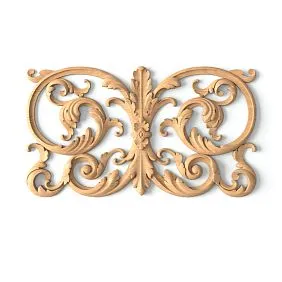
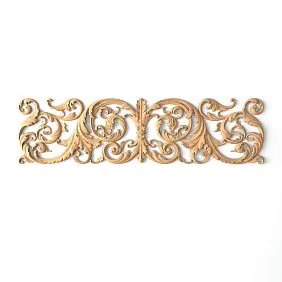
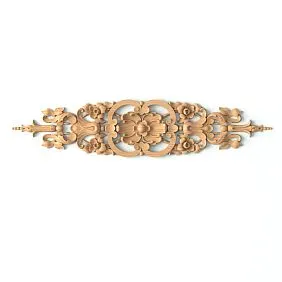
Our factory also produces:



Long-term perspective and investment approach
Quality exterior decoration is an investment for decades. Unlike trendy interior trends that change every few years, architectural styles are more conservative. Classic elements remain relevant for centuries, so choosing proven solutions is often a wise decision.
When planning the budget, one must consider not only initial costs for purchase and installation, but also maintenance expenses throughout the entire service life. Some materials require regular care — painting, protective treatments, replacement of individual elements. Others require little maintenance but are initially more expensive.
Get Consultation
Market anatomy: types of exterior decoration and their practical application
Modern assortmentexterior decoration elementscan be conditionally divided into several main categories, each of which has its own functional purpose and aesthetic characteristics.
Window frames and casings
Casings are one of the most popular types of facade decoration. They not only adorn windows but also serve a practical function, protecting the junctions between window frames and walls from moisture and drafts. The variety of forms and styles of casings allows selecting an option suitable for any architectural direction.
Modern casings are made from various materials — from traditional wood to high-tech composites. Wooden variants preserve the authenticity of historical styles but require regular maintenance. Polymer analogs are more practical in use but may lag behind in aesthetic qualities.
When choosing casings, it is important to consider the proportions of windows and the overall scale of the building. Heavy decorative elements on small windows will look inappropriate, while delicate details will be lost on large openings.
Entrances and portals
Decor for an outdoor doorplay a special role in forming the impression of a house. The entrance group is the first thing guests see, so its design should be especially thought out.
A portal may include various elements: columns or pilasters, cornices, pediments, steps with balustrades. Each element must be proportionate to the others and correspond to the overall stylistic solution of the facade.
Practical considerations are also important. An awning over the entrance protects the door from precipitation and creates a comfortable zone for visitors. Steps should be safe, with non-slip surfaces and proper proportions.
Cornices and moldings
Crown mouldings serve a dual purpose — decorative and protective. They emphasize horizontal divisions of the facade and divert rainwater from walls.Facade Decoration Moldingscan significantly alter the perception of the building's proportions.
Properly placed horizontal elements make a tall building appear more grounded and cozy. Vertical moldings, on the other hand, visually elongate proportions. The play of light and shadow created by protruding elements adds volume and expressiveness to the facade.
Columns and pilasters
Order elements — columns, pilasters, capitals — give the facade a solemn and monumental character. However, their use requires a good understanding of classical proportions and relationships.
Full columns are mainly used in large mansions and public buildings. For private homes, pilasters — flat protrusions imitating columns — are more appropriate. They create a rhythm on the facade and highlight the entrance area without cluttering the architectural composition.
Decorative panels and overlays
Flat decorative elements allow you to adorn large smooth wall surfaces. These can be geometric ornaments, plant motifs, coats of arms, or the owner's monograms.
Modern technologies allow creating inserts of complex shapes with high detail. Laser cutting, CNC milling, and molding — these methods open up wide possibilities for implementing the most daring design ideas.
Material science for the buyer: what to choose for specific conditions
Material selection is one of the key factors determining the durability, appearance, and cost of decorative elements.Outdoor wooden decorationremains popular, but is far from the only option.
Natural wood: classic with nuances
Wood is a traditional material for architectural decoration. Its main advantages are natural texture beauty, the possibility of fine processing, eco-friendliness, and repairability. Wood can be used to create elements of any complexity — from simple planks to intricate carving.
However, wood requires proper selection of species and quality protective treatment. Coniferous species — pine, spruce, larch — are more affordable but have noticeable resin content. Deciduous species — oak, beech, ash — are more expensive but offer greater strength and noble texture.
Modern wood protection methods include deep impregnation with antiseptics, application of primers and finish coatings. Properly treated wood can serve for decades while retaining its original appearance.
Polyurethane: technologies serving aesthetics
Facade decoration made of polyurethanehas gained popularity due to the combination of aesthetic and functional qualities. Modern polyurethane compositions allow creating elements that are practically indistinguishable from wood or stone carving.
The main advantages of polyurethane are resistance to moisture, frost, and ultraviolet radiation. The material does not rot, crack, or suffer from insect damage. At the same time, it is lightweight, which simplifies installation and reduces load on structural elements.
High-quality polyurethane elements have a dense, fine-pored structure, ensuring clear details and good paintability. The ability to paint in any color provides additional creative possibilities.
Composite materials: innovations of the third millennium
Wood-polymer composites (WPC), fiberglass, fiber-cement — these materials combine the advantages of various components while minimizing their drawbacks.
WPC contains wood fibers bound by a polymer binder. The material has a wood-like texture but is not susceptible to rot or biological damage. Fiberglass is extremely strong and can imitate various surfaces — from wood to metal.
Fiber-cement panels contain cellulose fibers in a cement matrix. The material is non-combustible, frost-resistant, and can be colored in bulk or coated with protective-decorative compositions.
Metal: strength and modernity
Metal decorative elements are characterized by high strength and the possibility of creating complex openwork structures. Modern processing technologies — laser cutting, plasma cutting, CNC bending — allow creating elements of high precision and complexity.
To protect against corrosion, various coatings are used — galvanization, powder coating, anodizing. Properly protected metal can serve for decades without losing its appearance.
Aluminum elements are not susceptible to corrosion, lightweight, and have stable dimensions. Steel structures are stronger but require more careful protection against rust.
Geographical and seasonal purchasing characteristics
Climate conditions of the region of operation should be the primary factor when selecting materials and structures. What serves excellently in a mild climate may be unacceptable in harsh northern conditions.
Northern regions: emphasis on strength
In conditions of long freezing winters and short summers, priority is given to the strength and reliability of structures. Snow loads may be significant, so all protruding elements must be designed to withstand additional loads.
Frequent freeze-thaw cycles are especially dangerous for materials with high water absorption. Water freezing in the material's pores creates tensile stresses leading to destruction.
For northern conditions, optimal materials are those with low water absorption — polyurethane, properly treated wood, composites. The structure must provide water drainage and eliminate areas where snow can accumulate.
Southern regions: protection from sun and humidity
Intense ultraviolet radiation is the main destructive factor in southern regions. Most polymer materials require special UV protection.
High temperatures cause significant thermal deformations. The structure must provide compensatory gaps and use materials with low thermal expansion coefficients.
High humidity, characteristic of many southern regions, promotes the development of mold and other biological damage. Antiseptic treatments become mandatory for all organic materials.
Coastal Zones: Fighting Salt Fog
Proximity to the sea creates special operating conditions. Salt fog carried by the wind exerts an aggressive effect on most materials. Metals suffer accelerated corrosion, wood deteriorates faster.
For coastal conditions, materials with enhanced chemical resistance are recommended. Metallic elements must have particularly high-quality protective coatings. Wooden components require enhanced antiseptic treatment.
Sales Channels and Purchase Characteristics
The modern market for decorative elements offers various sales channels, each with its own advantages and disadvantages. Choosing the optimal purchase method depends on the project's complexity, budget, and the buyer's personal preferences.
Specialized stores and showrooms
outdoor decoration storeAllows you to see the product in person, evaluate the quality of materials and craftsmanship, and receive professional consultation. Experienced sales staff can offer ready-made solutions or assist with selecting individual elements.
Specialized boutiques often feature displays showcasing various stylistic solutions. This helps the buyer better visualize how the elements will look in a real setting.
The drawback of boutiques is a limited selection of displayed samples. The complete catalog is usually presented electronically or in printed brochures, which does not always allow for an adequate assessment of the product.
Online Trading: Convenience and Risks
Online purchases are becoming increasingly popular due to the convenience of selection and often lower prices. Online stores can offer significantly broader assortments than physical retail locations.
However, purchasing decorative elements online involves certain risks. Color representation on the monitor may differ from the actual product color. Dimensions and proportions are difficult to assess from photos. Material quality and craftsmanship can only be verified after receiving the item.
To minimize risks, it is recommended to order material samples before the main purchase. Many serious suppliers offer this option for a symbolic fee or free of charge.
Direct Sales from the Manufacturer
Purchasing directly from the manufacturer often provides the best price-to-quality ratio. Eliminating intermediate links allows reducing costs while maintaining high product quality.
Manufacturers can offer customized solutions — modifying sizes of standard elements, creating exclusive items based on the customer's sketches, selecting color schemes.
The drawback of direct sales is often limited delivery geography and high minimum order volumes. Some manufacturers work exclusively with wholesale buyers or through a distributor network.
Construction markets and hypermarkets
Large construction centers offer a wide selection of decorative elements from various manufacturers. Competitive environment helps maintain reasonable prices.
However, the quality of consultations in hypermarkets is often lacking. Sales staff may not possess specialized knowledge about material compatibility, installation specifics, or the longevity of different solutions.
The assortment in construction centers is often geared toward mass consumers. It is difficult to find exclusive or specialized solutions.
Pricing and budget planning
Priceof garden or urban house decorationcan vary widely — from several thousand to hundreds of thousands of rubles. Understanding pricing factors will help optimize the budget without compromising quality.
Factors Affecting Cost
Material of manufacture — the primary pricing factor. Natural wood of valuable species, stone, bronze cost significantly more than mass-produced materials. However, high initial cost may be offset by longevity and prestige.
Manufacturing complexity directly affects the price. Simple geometric shapes produced on automated equipment are cheaper than exclusive hand-carved or cast items.
Order volume also affects the unit cost. Large orders allow manufacturers to optimize production processes and offer more favorable prices.
Urgency of manufacturing can significantly increase the cost. Standard items in stock cost less than custom-made items. Tight deadlines require reallocating production capacity, which affects the price.
Budget Solutions Without Compromising Quality
A limited budget should not become an obstacle to creating an attractive facade. There are numerous ways to achieve excellent results at reasonable costs.
Using ready-made elements instead of custom manufacturing can significantly reduce costs. Many manufacturers offer standardized collections covering most needs.
Combining materials allows optimizing costs. Main load-bearing elements can be made from inexpensive materials, while decorative details can be made from more prestigious materials.
Phased project implementation distributes financial burden over time. You can start with basic elements — window sills, entrance portal — and gradually add decorative details.
Premium segment: what we pay extra for
Expensive solutions are justified when exceptional quality, unique design, or use of rare materials is required.Facade Molded DecorationHandmade items may cost significantly more than machine-made ones, but they look fundamentally different.
Premium materials — solid wood of valuable species, natural stone, artistic casting — require appropriate investments. However, they ensure maximum durability and prestige.
Custom design and manufacturing for a specific object cost more than standard solutions, but allow creating a truly unique building appearance.
Seasonal factors and purchasing planning
The season significantly affects product availability, prices, and installation possibilities. Proper planning of purchases will help save money and avoid supply issues.
Spring rush and its consequences
Spring is traditionally the time to start construction and renovation work. Demand for decorative elements sharply increases, which may lead to price hikes and longer production times.
Popular items may run out of stock, while manufacturers receive numerous orders simultaneously. This is especially critical for items requiring custom manufacturing.
Planning spring work should begin in winter. Placing orders in February-March helps avoid rush and ensures receiving the goods at the start of the installation season.
Summer sales: time to act
Summer is the optimal time for installing decorative elements. Warm, dry weather creates ideal conditions for all types of work. Adhesive joints polymerize faster, and paints dry better.
However, summer may bring a shortage of qualified installers. All crews are busy, and service prices rise. It’s better to agree with contractors in advance.
For materials sensitive to high temperatures, summer heat may cause problems during transportation and storage. Polymer elements may deform, and adhesives may lose their properties.
Autumn discounts and winter preparation
Autumn is the time for sales and preparation for the next season. Many suppliers offer discounts on leftover stock, clearing warehouses before winter.
This is an excellent time to buy materials for the next year. Winter storage requires certain conditions, but allows significant savings.
Winter is the time for planning and preparing projects. You can calmly choose suppliers, compare offers, develop design without rushing or pressure from deadlines.
Typical buyer mistakes and how to avoid them
Practical experience analysis shows that most problems when purchasing decorative elements are related to several typical mistakes. Knowing them will help avoid disappointments and additional expenses.
Underestimating climatic factors
The most common mistake is choosing materials without considering operating conditions. Beautiful photos in catalogs do not always reflect material behavior in a specific climate.
Wooden elements without proper protection quickly lose appearance in humid climates. Low-quality polymers fade in sunlight, become brittle in cold. Metal parts without protection rust.
Before purchasing, it is necessary to clarify the climatic resistance of materials, presence of conformity certificates, and manufacturer’s warranty obligations.
Ignoring scale and proportions
Decorative elements must match the scale of the building and human perception. Too small details disappear on large facades, while overly large elements overwhelm the architecture.
Evaluating proportions from catalogs is difficult. It is recommended to make cardboard or polystyrene mockups and attach them to the facade. This will help understand how the elements will look at actual scale.
Modern 3D modeling programs allow creating a virtual building model with various decorative options. Many suppliers offer such services.
Saving on fastening quality
Decorative elements are good to the extent that they are securely fastened. Cutting corners on fasteners can lead to catastrophic consequences — falling heavy components pose a threat to people.
Each type of material requires specific fasteners. Wood uses one kind, concrete another, metal a third. There is no universal fastener.
Wind loads on protruding elements can be significant. The calculation of fastening must consider not only the weight of the element but also dynamic wind loads.
Insufficient base preparation
The quality of installation largely depends on the condition of the surface to which the elements are mounted. Uneven, crumbling, or damp bases do not provide reliable fastening.
Preparing the base may require additional work — leveling plaster, priming, reinforcing structures. These costs must be included in the project's overall budget.
Some adhesive systems require special surface preparation — degreasing, priming with special compounds. Deviating from the technology reduces the strength of the joint.
Logistics and Delivery: Practical Aspects
Organizing the delivery of decorative elements requires special attention. Many items have complex shapes, are fragile, require special packaging, and careful handling.
Packaging and transportation
Quality packaging is essential for preserving the product during transport. Complex relief elements require individual packaging with cushioning materials.
Long items — cornices, moldings, door casings — require special transport. Standard trucks may not fit due to size constraints.
Weather conditions during transport are also important. Some materials are sensitive to humidity, temperature, and ultraviolet radiation. Open transport may damage the goods even before delivery.
Goods Acceptance
Acceptance of decorative elements should be conducted carefully. Many defects — chips, cracks, dimensional deviations — can only be detected during detailed inspection.
Inspection should be carried out under good lighting, preferably daylight. Some paint or surface defects are only visible under specific lighting conditions.
All identified defects must be recorded in the acceptance act. This will help later when making claims against the supplier.
Storage until installation
Proper storage prevents damage to elements before installation begins. Most materials require dry, well-ventilated spaces without sharp temperature fluctuations.
Wooden elements must be stored horizontally on a flat surface. Vertical storage may cause deformation.
Polymer items should be protected from direct sunlight and heating appliances. Overheating may cause deformation and dimensional changes.
Installation and post-purchase maintenance
Buying decorative elements is only half the job. Quality installation and proper maintenance determine how long and well the purchased items will serve.
Choosing installers
Installing decorative elements requires special skills and experience. Not every construction crew can perform such work to a high standard. Searching for qualified installers should begin in advance.
The best way to assess qualifications is to examine completed projects. Quality installation is immediately evident — straight lines, precise joints, neat seams.
Installation costs may amount to 30-50% of material costs. Saving on installer qualifications often results in defects that cost more than the initial savings.
Features of mounting different materials
Each material has its own installation characteristics. Wooden elements require pre-acclimatization — allowing them to adjust to the temperature and humidity of the installation site.
Polymer items are more stable but require special adhesives and sealants. Ordinary construction compounds may be incompatible with polymers.
Metallic elements require precise marking and quality fasteners. Welded joints must be protected from corrosion using special compounds.
Warranty Obligations and Service
Serious manufacturers provide warranties for their products. Warranty terms must be reviewed before purchase — what is covered, duration, conditions for making claims.
Warranties may not cover defects caused by improper installation or use. Therefore, it is important to keep documentation confirming compliance with installation technology.
Some manufacturers offer maintenance services — periodic inspections, preventive maintenance, replacement of worn elements. This is especially relevant for complex, expensive structures.
Regional market specifics
The Russian market for decorative elements has a distinct regional specificity. Climate conditions, architectural traditions, and logistical features create differences in supply and demand.
Moscow Region: Center of Innovation
The Moscow region concentrates most manufacturers and suppliers of decorative elements. It offers the widest product range, from budget solutions to exclusive items.
High income levels create demand for premium products. Many manufacturers specifically target the Moscow market when developing new collections.
The region's logistical advantages — developed transportation infrastructure and proximity to manufacturers — ensure fast delivery and competitive pricing.
Saint Petersburg and Northwest
The St. Petersburg region has its own characteristics, linked to historical architectural traditions and climatic conditions. Demand for classic solutions is higher here than in other regions.
The humid climate imposes special requirements on materials. Manufacturers working for the St. Petersburg market pay particular attention to the water resistance of their products.
Restoration of historical buildings creates demand for specialized products — exact replicas of historical elements, special materials, and technologies.
Regions: balance of price and quality
In regions, price is often the primary factor in choosing. Logistics costs for delivery from the center can significantly increase product cost.
Local manufacturers have price delivery advantages, but may lag in assortment and quality. Each buyer finds the balance between price and quality on their own.
The development of e-commerce smooths regional differences, but increases risks associated with the inability to physically inspect the product before purchase.
Frequently asked questions
Which material is better to choose for the middle belt of Russia?
For the moderate climate of the middle belt, polyurethane elements or properly treated coniferous wood are optimal. Polyurethane requires no special care, while wood provides a more authentic look but needs periodic renewal of protective coatings.
How long does it take to manufacture custom decorative elements?
Manufacturing times depend on the complexity of the items and the manufacturer's workload. Simple elements made from standard materials may be ready in 1–2 weeks. Complex carving or casting requires 3–6 weeks. During peak season, times may increase by 1.5–2 times.
Can decorative elements be installed in winter?
Installation in winter is possible but requires special conditions. Mechanical fastening can be done at any temperature. Adhesive joints require positive temperatures — thermal guns and temporary coverings are used. Some materials become brittle in cold weather.
How to calculate the required number of elements?
Calculations are based on detailed facade measurements. For window casings, the perimeter of all windows is measured; for cornices, the length of all horizontal lines. A reserve of 10–15% should be provided for trim and possible defects. Complex configurations are best entrusted to specialists.
Is permission required for installing decorative elements?
In most cases, decorative elements that do not alter the building’s dimensions do not require special permits. Exceptions include historical city centers and protected zones, where coordination with heritage protection authorities may be required. It is recommended to clarify requirements with local administration.
How to care for decorative elements?
Care depends on the material. Polyurethane elements require only periodic washing with water. Wooden elements need protective coatings renewed every 3–5 years. Metal elements require corrosion control and repainting as needed.
SolutionBuy outdoor decorationThe choice must be thoughtful and well-considered. Quality decorative elements serve for decades, enhancing the home’s appearance and value. Poor choices may become a source of ongoing problems and additional expenses.
The modern market offers solutions for any budget and architectural style. The key is to correctly define your needs, consider climatic conditions, choose a reliable supplier, and qualified installers.
catalog of facade decorationModern manufacturers impress with the variety of their offerings. From classic wooden carving to ultra-modern composite materials — everyone can find a solution that suits both their taste and budget.
For many years, the company STAVROS has been a reliable partner for thousands of customers across Russia. We offer a full cycle of services — from consultation to installation of ready-made items. Our assortment includesFacade decoration elementsmade from various materials, crafted using modern technologies and proven over time.
STAVROS catalog features both classic solutions and modern innovative materials. We work with leading manufacturers, guaranteeing high product quality and competitive prices. Professional consultants will help you select optimal solutions considering the specifics of your project and budget.


