Article Contents:
- Why baseboard is so important in interior
- Protection and practicality
- Completeness and visual balance
- Design Variability
- Naturalness and eco-friendliness
- Durability and possibility of restoration
- Rich selection of options
- Status and prestige
- Consideration of room dimensions
- Wood Species
- Wood species and finish
- Shape and profile
- Mounting methods
- Preparation for Installation
- Care for baseboard
- Color and contrast
- Height and proportions
- Combination with doors and door casings
- What to Pay Attention to When Buying

Each interior element, at first glance insignificant, can play a decisive role in how we feel in a room. Walls, floor, ceiling, furniture — all of this forms the overall look of the room. But there is one element that does not always receive the deserved attention — the baseboard. It is precisely this element that 'brings together' the floor and the walls, covers the gap between them, protects the lower part of the walls from damage, and also adds an additional decorative touch. If you want every room in your home or office to look harmonious and complete, you shouldbuy wooden baseboard for floor from reputable manufacturers. Wood not only adds coziness and elegance, but also highlights the status and taste of the owner. In this article, we will consider what makes wooden baseboard so good, how to choose the optimal option, what is the secret of its long service life, and how to incorporate it into various styles.


Why baseboard is so important in interior




Protection and practicality
Baseboard not only covers the technical gap between the wall and floor covering, but also protects the lower part of the walls from accidental impacts (during cleaning, when moving furniture), as well as from moisture. Any carelessness — whether a mop, vacuum cleaner, or chair leg — can damage the wall, leaving dents and scratches. Wooden baseboard takes the main impact, preserving aesthetics and preventing more serious consequences for wall finishes.
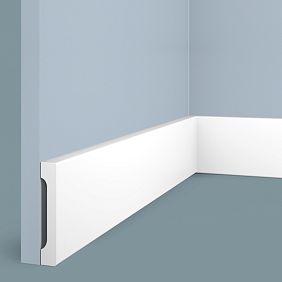
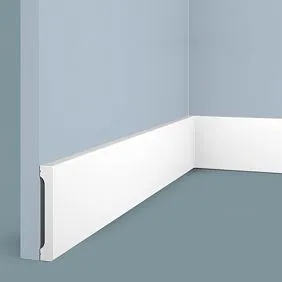
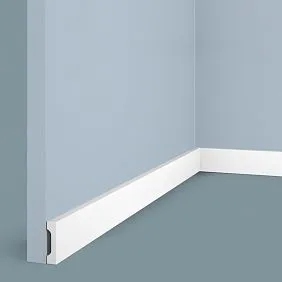
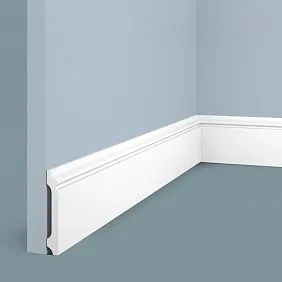
Our factory also produces:

Completeness and visual balance
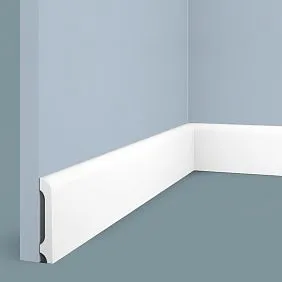
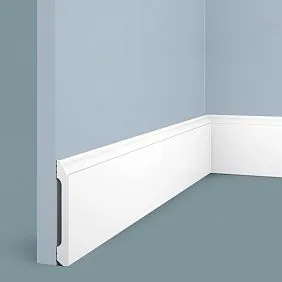
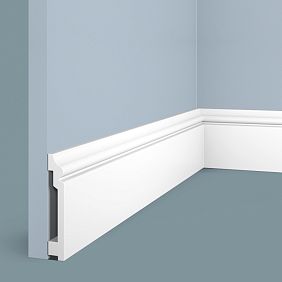
Stylistically, baseboard performs the task of unifying walls and floor into a single whole. Without it, even the most luxurious parquet or laminate may look unfinished, and the joint left without a strip only emphasizes boundaries and shortcomings of repair. Proper selection of color, texture, and height of baseboard allows:
● Highlight or 'hide' the transition from floor covering to wall.
● Balance room proportions — for example, a wide baseboard looks harmonious in rooms with high ceilings.
● Create contrast that complements the designer's concept (for example, dark baseboards against light walls and floor).
Get Consultation
Design variability
Wooden baseboards are a universal option that combines with almost all interior styles: from classic and art deco to minimalism and loft. It is only necessary to choose the appropriate profile (straight, decorative, with or without cable channel), wood species (pine, oak, beech, larch, etc.) and finish option (painting, staining, varnish, oil). Thanks to these parameters, wooden baseboard provides freedom of imagination and the opportunity to fit organically into the interior.
Advantages of wooden baseboard
Naturalness and ecological safety
Wood is a natural material that does not emit toxic substances, hypoallergenic, with expressive texture and pleasant to the touch. In the era of synthetic coatings, natural wood symbolizes the desire for ecological friendliness and a comfortable atmosphere in the home. Surrounding yourself with quality natural elements, you create a favorable environment for living and working.
Durability and possibility of restoration
If you decide to buy wooden baseboard for floor, you can be sure of its long service life. With proper installation and care, it retains its shape, color, and strength. And in case of scratches or minor defects, the item can be easily restored: fill in damages, sand the surface, and reapply varnish or oil. This significantly saves time and money, as there is no need to replace the entire baseboard.
Rich selection of options
Wooden baseboards can be painted in various colors, stained, covered with oils and waxes, achieving a wide range of visual effects — from vintage texture to elegant gloss or calm satin sheen. Such a rich set of processing methods makes wood a flexible tool in the hands of a designer or a skilled homeowner who wishes to emphasize the individuality of the interior.
Prestige and status
The presence of natural wood elements in a room is usually associated with good taste, love of quality, and respect for traditions. Especially if it comes to solid skirting boards made of noble species (oak, beech, walnut). Such details not only decorate but also emphasize the high status of the interior.
How to choose the optimal wooden skirting board
Room size consideration
If the room is small and the ceiling height is standard (about 2.5–2.7 m), there is no sense in choosing too tall skirting boards (10–12 cm). They may visually 'steal' space and look bulky. For such rooms, models 5–7 cm high are optimal. In a spacious living room with ceiling height over 3 m, a narrow skirting board may look modest, so it is logical to install a wider board — 8–12 cm.
Wood species
● Spruce: budget-friendly and popular option, but less durable. Suitable if you are willing to use the space more carefully.
● Larch: good for areas with variable climate (cottage homes, country houses), more resistant to moisture.
● Oak: the standard of strength, resistant to rapid wear, has a respectable appearance and exceptional longevity.
● Beech: slightly cheaper than oak, but also quite hard, with beautiful waves in the structure.
● Walnut and other species: premium solutions, especially suitable for luxurious interiors.
Wood species and finish
Pay attention to the grade (or sort) of the material: the fewer knots, cracks, and discolorations, the higher the category and, accordingly, the cost. If you want to reduce your budget, you can choose category AB or B, where small knots are allowed, but with proper painting they will become barely noticeable.
Regarding finishing, you can choose a 'raw' skirting board (without coating) and paint or lacquer it yourself, or buy a fully ready-to-install board. The first option gives more freedom in choosing the shade, the second saves time and effort during finishing.
Shape and profile
- Straight profile: minimalist, easy to install, ideal for modern interiors (minimalism, high-tech).
- Decorative profile: emphasizes classic style, can be combined with moldings, luxurious doors, and ornate details.
- Presence of cable channel: if you need to hide wires, ask the seller whether the board has a special cavity inside.
Installation and care of wooden skirting board
Mounting methods
- On adhesive ('liquid nails'):
○ Convenient if the wall is flat.
○ Fast and clean installation.
○ Difficulties during removal (may damage wall finish).
- On clips:
○ Allows easy removal of the skirting board in the future.
○ Requires precise measurements and wall flatness.
○ More expensive due to additional fastening elements.
- On self-tapping screws or nails:
○ Secure fastening even on uneven walls.
○ Requires hiding screw heads (plugs, putty).
○ If needed, removal will be easier compared to the adhesive option.
Preparation for installation
● Measure the room's perimeter, accounting for doorways. A small allowance (5–10%) won't hurt, as there may be waste during trimming.
● Ensure the floor is laid, walls are level, and baseboards and door frames are already installed.
● Acclimate the wood: the skirting board should rest in the same room for at least 1–2 days to "get used to" the humidity and temperature.
Skirting Board Care
Regularly wipe dust with a dry cloth or slightly damp cloth. Do not use harsh abrasives or aggressive chemical cleaners to avoid damaging the varnish or oil. If scratches appear over time, you can gently sand the skirting board with fine sandpaper, apply putty (for deep damage), and then cover it with a similar finish.
Using Skirting Boards for Stylistic Solutions
Color and Contrast
You can choose a skirting board to match the floor covering — the room will appear "unified" and calm. Or create contrast by emphasizing geometry: for example, a dark skirting board against light walls or a white skirting board against a colored floor. A contrasting line along the room's perimeter creates an interesting visual effect.
Height and Proportions
● For low ceilings (up to 2.5–2.6 m), it's better to choose a skirting board height of 5–7 cm to avoid "eating up" space.
● In spacious rooms with high ceilings (2.8 m and above), a wide skirting board (8–12 cm) looks very impressive.
● In classic interiors, decorative wide skirting boards complement wall and ceiling moldings, creating an atmosphere of luxury.
Combining with Doors and Door Frames
Designers and clients often choose skirting boards that visually or color-matched with doors and their frames: this forms a "unified wood line" running around the room. This solution gives the interior unity and balances details. If you want to emphasize the skirting board itself, you can make it a contrasting color from the doors — for example, choose a natural wood skirting board for white doors.
Where to Buy Wooden Skirting Boards for Floors: Tips and Recommendations
- Construction hypermarkets. Here you'll find a wide variety, often with promotions. However, consultants may not always provide qualified assistance in choosing species, grades, and types of fasteners.
- Specialized stores and showrooms for flooring. A convenient option if you need expert consultation and the chance to see and feel samples in person. This way, you can better assess the quality of finish, natural texture, and tolerances at joints.
- Online stores. A modern way to shop, saving time. Online platforms allow you to quicklybuy wooden baseboard for floorcompare prices, reviews, and technical specifications. However, you should consider that color reproduction on screen may differ from the actual wood tone, and returns for defects may take time.
- Directly from the manufacturer. If you know which company produces and sells skirting boards, you can contact them directly. Manufacturers often have showrooms and wholesale warehouses where you can view the assortment and possibly negotiate special purchase terms.
What to pay attention to when purchasing
● Seller's reputation: review customer feedback, ensure certification of compliance to avoid encountering handmade production.
● Assortment: it's good when there are many options to choose from — different species, profiles, heights, grades.
● Delivery conditions: sometimes it's difficult to transport large quantities of skirting boards yourself, so check delivery terms and costs.
● Return possibility: if manufacturing defects are found upon unpacking, it's important to have the option to exchange the item.
Conclusion: Why Wooden Skirting Boards Are the Right Choice
By choosingbuy wooden baseboard for flooryou are betting on quality, durability, and natural aesthetics. Wood has always been valued for its warmth and nobility, and in interiors, it creates an atmosphere of comfort and well-being. Moreover, wooden skirting boards:
● Guarantee practicality and functionality due to the material's strength.
● Suitable for various stylistic solutions: from strict minimalism to clearly classic styles.
● Allow changing the surface finish (varnish, oil, paint) to adapt to changing design.
Lasts much longer than most plastic or MDF alternatives, justifying the investment in the long term.
Carefully selected and professionally installed, wooden skirting will be the finishing touch of any room. It will highlight the beauty of your flooring and ensure a harmonious transition to the walls, creating a sense of completeness and cohesion. By investing time in choosing the species, grade, height, and mounting method, you will achieve an interior that will delight you for years — and that is precisely the main purpose of any renovation: to create a space that is pleasant to be in and to be proud of.