Article Contents:
- Introduction
- 1. Why choose natural wood
- Ecological and health benefits
- Strength and durability
- Natural beauty
- Hardwood Species
- Coniferous species
- Exotic species
- 3.1 Wooden Beam
- 3.2 Wooden plank
- 3.3 Wooden skirting board
- 3.4 Wooden cornice
- 3.5 Wooden molding
- 3.6 Ceiling skirting board
- Modern Wood Processing Methods
- Protective Coatings
- In interior
- In the exterior
- Where to buy wooden material
- Key factors when choosing
- Conclusion: Choosing is an investment in quality
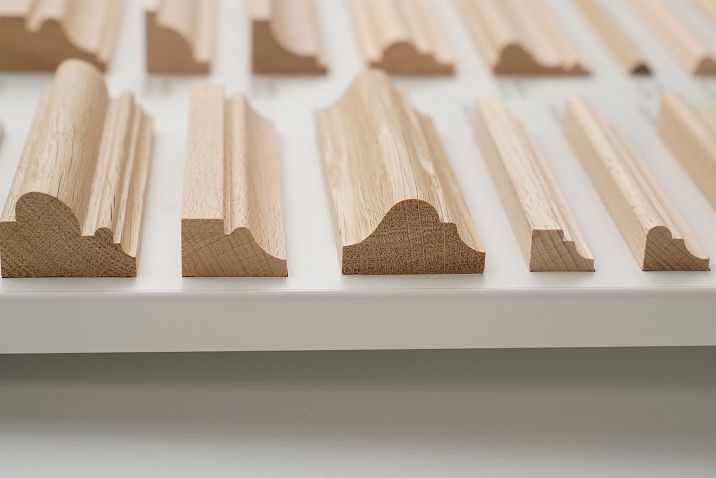
moldings, cornices, skirting boardsmoldings, cornices, skirting boardsand other important details:Wooden beam, Wooden plank, Wooden corners, Wooden baseboard andWooden cornice.





Introduction
Natural wood is a material that has been used for construction, finishing, and creating decorative items since ancient times. Its eco-friendliness, strength, and unique texture make wood indispensable for realizing the most daring design ideas. Buying wooden material is an investment in quality and durability, which pays off through the aesthetic appeal and functionality of the finished products.
When choosing wood for finishing homes, furniture, or other structures, it is important to consider several factors, including the type of wood, processing methods, protective coatings, and care recommendations. In this article, we will explain how to buy wooden material, what to pay attention to, and which products will help create a harmonious and stylish interior.




1. Why choose natural wood
Our factory also produces:




Ecological and Health
Natural wood is an eco-friendly material, free from harmful chemicals. When properly processed, wood does not cause allergic reactions and helps create a favorable microclimate in the room. Wooden items 'breathe,' which helps regulate humidity and maintain healthy air levels in the home.
Get Consultation
Strength and durability
Quality wood can serve for decades, remaining strong and resistant to mechanical damage. Hardwood species such as oak, beech, ash, and walnut are especially prized. They are distinguished by their density and resistance to wear, making them ideal for both structural and decorative items.
Natural beauty
Natural wood delights the eye with its warm tones, unique texture, and distinctive wood grain patterns. Each wooden item has its own individuality, which is especially important for creating an exclusive interior. Designers use wood to finish walls, ceilings, furniture, and various accessories, giving the space a special atmosphere of coziness and harmony.
2. Main types of wood and their applications
Hardwood species
Hardwood species are the most durable and long-lasting choice for manufacturing items. Among them stand out:
● Oak: Distinguished by high density, wear resistance, and beautiful texture. Doors, furniture, and finishing elements made of oak look solid and expensive.
Ash: Light, elastic, and sufficiently strong material, often used to create decorative panels and frames.
Beech: Has a uniform structure and good resistance to abrasion, ideal for interior finishes.
Walnut: Valued for its deep, rich tones and refined texture, making walnut products true works of art.
Coniferous species
Coniferous species, such as pine and spruce, are widely used in the budget segment. They:
● Affordable: Coniferous species are cheaper than hardwoods and easily processed.
● Lightweight: Ideal for creating lightweight structures and finishes, where weight savings are important.
● Can imitate more expensive species: With proper processing, coniferous wood can be finished to look expensive and elegant.
Exotic woods
For luxury interiors, exotic wood species such as teak, mahogany, or merbau are often chosen. They have:
● Unique textures and shades: Exotic wood always attracts attention with its unusual structure.
● High durability: Exotic species have excellent resistance to moisture and insects, making them ideal for humid areas and exteriors.
● Exclusivity: Such materials highlight the owner's status and create a unique designer look.
3. Key natural wood items
When purchasing wooden material, it is important to know which items and finishing elements will help create a harmonious interior. Below are the main key items often used in modern finishes.
3.1 Wooden beam
Wooden beam is the basis for many structural and decorative elements. It is used:
● To create frames and supports: Reliable beams form a strong foundation for walls, floors, and ceilings.
● As a decorative element: When used in finishes, beams highlight the natural wood texture and add structure to the interior.
Quality beams are characterized by uniform dimensions, absence of defects, and high processing level, allowing their use in various constructions.
3.2 Wooden plank
Wooden strip – a thin wood strip, widely used for wall cladding, creating decorative panels, and furnishing furniture. Advantages of strips:
● Aesthetic expressiveness: The natural texture of strips highlights the unique properties of wood.
● Flexibility in use: Strips can be used both as standalone decorative elements and as part of complex compositions.
● Easy installation: Due to their small size and precise processing, strips easily integrate into interiors, creating elegant lines and shapes.
3.3 Wooden baseboard
Wooden skirting board – a classic finishing element used to hide joints between walls and floors. It performs several important functions:
● Surface protection: Skirting boards prevent damage to the lower part of walls and facilitate cleaning.
● Decorative finish: Choosing the style of skirting board (from minimalist to carved) allows highlighting the interior's individuality.
● Final touch: Skirting board completes the composition, making the transition between finishing elements neat and finished.
3.4 Wooden cornice
Wooden cornice is used for decorating windows and ceilings. It:
● Conceals technological seams: The cornice creates a smooth transition between ceiling and walls, giving the interior a sense of unity.
● Serves as a support for hanging decor: Textile elements such as valances and drapes can be hung from the cornice.
Adds volume: A properly selected cornice visually increases space and emphasizes the height of the room.
3.5 Wooden molding
Wooden molding is a thin decorative element used for finishing joints, creating smooth lines, and forming accent zones in interior design. Molding can be made in various styles:
● Classic carved molding: Perfectly suited for traditional interiors, adding elegance and luxury.
● Modern smooth molding: Perfectly integrates into minimalist and contemporary interiors, creating clean and crisp lines.
3.6 Ceiling skirting
Ceiling skirting board — a specialized finishing element used to create neat transitions between the ceiling and walls. It helps conceal seams and technical joints, giving the room a finished and elegant look. Ceiling skirting board can be made as simple smooth panels or with decorative elements that highlight the interior style.
4. Processing and manufacturing technologies
Modern Wood Processing Methods
Today, wood is processed using high-precision technologies, allowing for perfect smoothness and accuracy of the finished products:
● CNC machines: Used for cutting, milling, and creating complex decorative patterns.
● Laser cutting: Allows creating detailed elements with high precision, which is especially important for molding and carved cornices.
● Multi-stage sanding and polishing: These processes ensure an even surface and highlight the natural wood texture.
Protective Coatings
After wood processing, protective coatings are applied to the products, which:
● Protect the material from moisture, ultraviolet rays, and mechanical damage.
● Preserve the natural color and texture of the wood.
● Ensure a long service life of the products.
Modern compositions, such as eco-friendly varnishes, oils, and waxes, allow preserving the natural beauty of wood, making it resistant to environmental influences.
5. Application of wooden materials and products
In the interior
Wooden products are widely used in interior design:
● Walls and ceilings: Wooden panels, planks, and decorative elements create a warm and cozy atmosphere.
● Furniture: Natural wood products such as tables, chairs, and cabinets highlight the interior’s individuality and bring a natural touch to it.
● Decorative elements: %sWooden skirting boards● Wooden cornices and moldings are used to complete the interior’s look, creating a harmonious and aesthetically pleasing space.
In the exterior
Wooden materials are used not only inside the house but also for decorating facades, verandas, and other exterior structures:
● Facade cladding: Wooden panels give buildings a natural appearance and blend well with the surrounding nature.
● Landscape design: Elements made of natural wood are used to create gazebos, verandas, decorative fences, and other architectural solutions that emphasize the ecological and natural character of the space.
● Protective elements: Decorative skirting boards and cornices help protect structures from external factors while preserving their original appearance.
6. Tips for purchasing wooden material
Where to buy wooden material
When purchasing wooden material, it is important to choose a reliable supplier offering high-quality wood and a wide range of products. Pay attention to offers from reputable companies such asStavroswhich specialize in wooden products and materials. Here you will find:
● Wooden beam
● Wooden rail
● Wooden skirting board
● Wooden cornice
● Wooden molding
● Ceiling skirting board
Key Factors in Selection
When selecting materials for finishing or manufacturing wooden items, pay attention to the following factors:
● Wood quality: Avoid materials with visible defects, knots, and cracks.
● Processing technology: Prefer items that have undergone multi-stage sanding and protective coating treatment.
● Design compatibility: Ensure that the selected items harmoniously fit into the overall interior or exterior style.
● Supplier reviews and reputation: Study customer reviews to ensure product reliability and quality.
Conclusion: Choosing is an investment in quality
Purchasing wooden material is not just acquiring raw material, but an investment in the longevity, eco-friendliness, and aesthetics of your space. High-quality items made of natural wood, whetherWooden beam, Wooden plank, Wooden baseboard, Wooden corniceorWooden molding, not only enhance the appearance of your home but also create an atmosphere conducive to health and comfort. Reliable suppliers, such asStavros, will help you choose the optimal price-to-quality ratio, which is especially important when implementing large-scale finishing and construction projects.
Conclusion
Choosing and purchasing wooden material is an important stage in creating a unique interior or exterior. Natural wood, due to its ecological and aesthetic properties, remains one of the most sought-after materials for construction and finishing. Using high-quality items, such asWooden beam, Wooden plank, wooden skirting board,Wooden cornice and wooden molding, allows you to achieve maximum aesthetic expressiveness, functionality, and longevity of your project.
When selecting wooden material, pay attention to the quality of raw material, processing technology, and supplier reviews. Well-processed wood will delight you with its beauty and serve you for many years, creating a cozy and eco-friendly atmosphere in your home. Remember that natural wood is an investment in the quality, style, and health of your interior.
Each element, whetherWooden baseboard, Wooden plank, wooden cornice, orWooden molding, will become your reliable companion in creating a harmonious, eco-friendly, and stylish space. Choose quality wood, trust professionals, and enjoy the result — a home where every detail speaks of your commitment to high quality and natural beauty.