Article Contents:
- Psychological foundations of choice: why some decorations attract us, while others leave us indifferent
- Emotional attachment to styles
- The Influence of Color on Spatial Perception
- Subconscious perception of forms
- Material science for buyers: understanding characteristics and properties
- Wooden veneer: classic for centuries
- Polyurethane: modern technologies serving design
- MDF: golden middle ground
- Style buyer's guide: finding your direction
- Classic Directions
- Regional styles
- Modern directions
- Practical aspects of purchase: what to pay attention to
- Assessment of product quality
- Calculating material requirements
- Logistical issues
- Pricing policy: how not to overpay for quality
- Factors affecting the price
- Savings Strategies
- Price-to-quality ratio
- Requirements for the base
- Preparatory work
- Mounting methods
- Professional installation vs. DIY installation
- Care and Maintenance: Preserving Beauty for Years
- Regular maintenance
- Preventive maintenance
- Repair and restoration
- Investment attractiveness of decorative accents
- Impact on property value
- Long-term perspective
- Heritage Value
- Trends and prospects for market development
- Eco-Trends
- Technological Innovations
- Design directions
- Frequently asked questions when buying decorative accents
- Conclusion: Investment in Beauty and Quality of Life
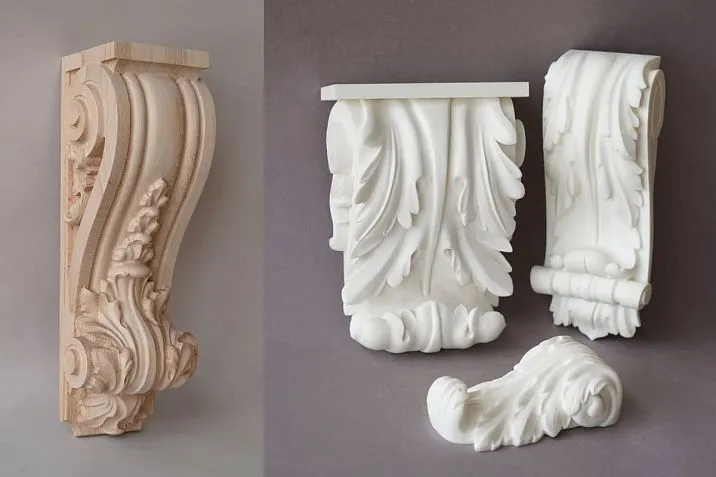
Imagine a home where every detail tells a story of refined taste and understanding of beauty. A place where guests pause at the threshold, captivated by the harmony and elegance of the space. Such an effect is created by properly selected decorative elements. Solution Buy decorative ornaments — this is not just buying beautiful things, it is an investment in the atmosphere of your home, your comfort, and your emotional well-being.
In today's world, where standard solutions have become the norm, decorative accents allow you to create a truly individual space. They transform a bland interior into a work of art, where each element has its own meaning and purpose. But how to make the right choice among numerous offers? How to find exactly the accents that will perfectly suit your interior and lifestyle?


Psychological foundations of choice: why some decorations attract us, while others leave us indifferent
Choosing decorative accents is a deeply personal and emotional process. Behind each decision lie not only aesthetic preferences but also subconscious associations, life experience, cultural codes. Understanding these mechanisms will help make an informed choice that will delight you for years.




Emotional attachment to styles
Classic forms, with their symmetry and order, appeal to our desire for stability and harmony. People who choose Decorative Inserts in the classical style often value traditions, stability, quality, and time-tested reliability. Such interiors create a sense of security and confidence.
Modern minimalist forms attract those who value functionality, clarity of thought, and simplicity in a complex world. They create a sense of order, control, and efficiency.
Ethnic motifs are chosen by people with a developed sense of history, a desire for authenticity, and a wish to emphasize their individuality and connection to cultural roots.
Our factory also produces:


Influence of color on perception of space
Warm tones of natural wood create a sense of coziness, home warmth, and safety. They psychologically 'warm' the room, making it more intimate and private. Such accents are especially suitable for bedrooms, living rooms, and family rooms.
Cool color palette — white, gray, silver tones — creates a sense of spaciousness, freshness, and modernity. It suits workspaces, modern kitchens, and bathrooms.
Contrasting combinations attract attention, create dynamism, and highlight architectural features of the space. They suit people with a strongly expressed individuality, striving for self-expression.
Get Consultation
Subconscious perception of forms
Smooth, rounded forms are associated with naturalness, organic qualities, and femininity. They soothe, relax, and create a sense of harmony with the surrounding world.
Geometric, angular forms symbolize order, logic, and masculinity. They emphasize structured thinking and a striving for clarity and definiteness.
Asymmetric compositions attract creative individuals who value spontaneity, originality, and unconventional solutions.
Material science for the buyer: understanding characteristics and properties
Material selection is one of the key factors determining not only the appearance of decorative items, but also their durability, practicality, and maintenance cost. Each material has its unique characteristics that are important to consider when purchasing.
Solid wood: classic for centuries
Natural wood remains the benchmark of quality and beauty in the world of decorative items. Solid Wood Items possess a unique energy of living material, creating a special atmosphere of warmth and coziness.
Oak is the choice for those who value reliability and prestige. Its dense structure ensures exceptional longevity, and its noble texture becomes even more beautiful over time. Oak decorations serve for decades, are passed down through generations, and become family heirlooms.
Beech attracts with its uniformity and ability to be stained. It is the ideal choice for those planning to paint in specific colors or wishing to create monochromatic compositions.
Ash, with its bright, contrasting texture, suits modern interiors where the natural beauty of the material is appreciated without additional embellishments.
Linden is a traditional material for artistic carving. Its softness allows for creating delicate details, but it requires special care and protection.
Polyurethane: modern technologies at the service of design
Modern polymer materials have opened up new possibilities in creating decorative elements. Polyurethane decorations combine the beauty of traditional forms with the practicality of modern materials.
Advantages of polyurethane:
● Absolute moisture resistance
● Stability of dimensions
● Ease of installation
● Paintability
● Affordable cost
Areas of application:
● Bathrooms and kitchens
● Rooms with variable humidity
● Facade work
● Restoration of historical buildings
MDF: the golden middle
MDF represents a compromise between the naturalness of wood and the technological capabilities of modern production. This material is especially suitable for creating complex profiles and long elements.
MDF Characteristics:
● Uniform structure without defects
● Stable geometric dimensions
● Excellent workability
● Ecological safety
● Affordable cost
Style guide for the buyer: finding your direction
When purchasing decorative items, it is important to clearly understand the stylistic direction of your interior. This will help avoid mistakes and create a harmonious space.
Classic styles
Baroque requires appropriate scale and richness of details. If you choose this style, be prepared for significant investments and the need to create a corresponding environment. Baroque Decor Sets looks best in spacious rooms with high ceilings.
Neoclassicism is more democratic and practical. Strict proportions, restrained palette, emphasis on craftsmanship make this style a universal choice for most interiors.
Empire suits those who want to emphasize status and respectability. Military symbolism, large-scale compositions, luxurious materials create an atmosphere of solemnity.
Regional styles
Russian tradition offers richness of symbolism and depth of meaning. Wood Carving in Russian style not only decorates, but also protects, filling the house with special energy.
Scandinavian style is ideal for those who value functionality and simplicity. Light tones, natural materials, minimal decor create an atmosphere of northern restraint.
Provence attracts romantic souls. Pastel tones, floral motifs, aging effects create an atmosphere of French countryside.
Modern interior styles also use oak skirting boards, but in a different interpretation. Minimalism prefers simple rectangular profiles without decorative elements. Smooth surfaces with matte finish create a sense of strictness and elegance.
Loft uses decor as a contrast to industrial base. Here, simple forms made of natural materials are appropriate, emphasizing the brutishness of the main style.
Minimalism requires especially careful selection of decorative elements. Each detail must be functionally justified and flawless in execution.
Fusion allows mixing different styles, creating unique compositions. Here, a sense of proportion and understanding of general principles of harmony are important.
Practical aspects of purchasing: what to pay attention to
Solution Buy decorative ornaments requires careful analysis of many factors — from technical characteristics to delivery and installation conditions.
Assessment of product quality
Visual inspection is the first stage of quality assessment. The surface should be smooth, without chips, cracks, scratches. The geometry of elements should be correct, without deformations or warping.
Checking dimensions is critically important for elements that must fit together. Deviations exceeding 1-2 mm may cause problems during installation.
Humidity control is relevant for wooden items. The material must be dried to a moisture level of 8-12%. Exceeding this level may cause deformation after installation.
Coating quality determines the appearance and durability of items. The coating should be even, without drips, inclusions, or matte spots.
Material requirement calculation
Accurate measurements are the basis for correct calculation. It is better to measure twice than to later purchase missing elements or overpay for extras.
Allowance for trimming should be 10-15% of the total quantity. This compensates for losses during fitting and possible errors during installation.
Allowance for the future is advisable for rare or discontinued models. A small allowance will help in case of repair or expansion of the composition.
Logistical issues
Delivery conditions may significantly affect the final purchase cost. Clarify the possibility of delivery to the entrance, availability of loaders, packaging requirements.
Manufacturing time for non-standard items may be several weeks. Plan your purchase in advance, especially if the work is tied to specific deadlines.
Storage conditions are important if there is a time gap between purchase and installation. Wooden items must be stored in dry rooms with stable temperature.
Pricing policy: how not to overpay for quality
The cost of decorative items may vary significantly depending on the material, complexity of manufacturing, and brand of the manufacturer. Understanding pricing helps make the optimal choice.
Factors affecting price
Material is the main pricing factor. Solid oak items cost 2-3 times more than MDF analogs, but they also last significantly longer.
Manufacturing complexity directly affects the cost. Simple profiles are cheaper than complex carved compositions. Handmade work is always more expensive than machine production.
Order volume may significantly affect the price per unit. Large orders are usually cheaper per linear meter.
Seasonality may also affect prices. During active construction periods (spring-summer), prices may be higher.
Savings strategies
Standard sizes are always cheaper than non-standard ones. Whenever possible, adapt the project to standard nomenclature.
Complex orders often cost less than purchasing individual items. Manufacturers are interested in large orders and are willing to offer discounts.
Direct delivery from the manufacturer excludes middleman markups. This is especially relevant for large orders.
Price-to-quality ratio
The cheapest option is not always the most economical in the long term. Quality items last longer, require less maintenance, and better retain their appearance.
Manufacturer's warranty obligations are an important indicator of confidence in product quality. Serious companies provide warranties on their products.
A manufacturer's reputation is built over years and is a reliable indicator of quality. Customer reviews and portfolios of completed projects help assess the reliability of the supplier.
Installation and mounting: what the buyer needs to know
The quality of installation is no less important than the quality of the decorative items themselves. Even the best items can be ruined by unprofessional installation.
Preparation Work
The condition of the surface is critically important for quality installation. Walls must be flat, strong, and dry. Significant unevenness requires preliminary leveling.
Marking should be done using precise measuring tools. Laser levels provide the necessary accuracy for creating symmetrical compositions.
Material acclimatization in the room prevents deformation after installation. Wooden items should rest in the room for 2-3 days at working temperature.
Methods of mounting
Adhesive bonding is suitable for lightweight, small-sized elements. Modern polyurethane adhesives provide strong bonding with most materials.
Mechanical fastening is necessary for heavy and large elements. The choice of fasteners depends on the wall material and the weight of the element.
Combined fastening combines the reliability of mechanical fastening with the aesthetics of adhesive bonding.
Professional installation vs. DIY installation
DIY installation is possible for simple elements with basic skills and tools. This saves on labor costs but requires time and care.
Professional installation guarantees a quality result but increases the overall project cost. Complex compositions, high-altitude work, and expensive materials are better entrusted to specialists.
Warranties on installation work provide protection against defects and poor execution. Serious contractors provide warranties on their work.
Care and maintenance: preserving beauty for years
Proper care of decorative items extends their lifespan and preserves their original beauty. Different materials require specific maintenance approaches.
Regular Maintenance
Dust cleaning should be performed regularly. Dust accumulation in screw recesses damages the appearance and may cause coating damage. Use soft brushes or vacuum cleaners with crevice tools.
Humidity control is especially important for wooden elements. Optimal air humidity 45-65% prevents cracking and deformation of wood.
Sun protection prevents material fading and drying out. UV filters on windows or periodic shading help preserve color.
Preventive Maintenance
Inspection of condition should be conducted no less than twice a year. Timely detection of problems allows for their resolution with minimal effort.
Coating renewal may be required every 5-7 years depending on usage conditions. Quality coatings last longer but cost more.
Fastening tightening may be needed after several years of use. Temperature deformations may weaken connections.
Repair and Restoration
Minor repairs — filling scratches and chips — can be done independently using appropriate materials.
Serious damage requires professional intervention. Attempting DIY repairs may worsen the problem.
Restoration of antique elements requires special knowledge and skills. Unqualified intervention may permanently damage valuable items.
Investment attractiveness of decorative items
Quality decorative items are not only beauty, but also a profitable investment. They increase property value, create a unique atmosphere, and can become family heirlooms.
Impact on property value
Sales statistics show that apartments and houses with quality decorative finishes sell 15-25% higher than similar properties without decoration.
Uniqueness is an important factor in the context of an oversupply of standard offerings. Individual decorative styling sets an object apart from competitors.
Emotional appeal plays an important role in the decision to purchase. Beautiful interiors create positive emotions in potential buyers.
Long-term perspective
High-quality materials do not lose their properties over decades. Oak elements can last for centuries, becoming even more beautiful with age.
Classic styles never go out of fashion, ensuring the longevity of investments for many years.
The possibility of modernization allows updating the appearance of elements without replacing them. Repainting and patination give new life to old ornaments.
Inheritance value
Family traditions can begin with high-quality decorative elements. Beautiful items are passed down from generation to generation, becoming part of family history.
The antique value of handcrafted items only increases over time. Rare techniques and disappearing schools of craftsmanship make old items especially valuable.
Trends and Development Prospects of the Market
The market for decorative ornaments is constantly evolving, with new technologies, materials, and design solutions emerging. Understanding trends will help make a forward-looking choice.
Ecological trends
Natural materials are becoming increasingly popular. Consumers are willing to pay more for eco-friendly items.
Sustainable production is an important factor for environmentally conscious buyers. FSC certification guarantees responsible forestry.
Recycling and reuse are becoming important factors. The possibility of restoration and recycling makes items more attractive.
Technological Innovations
Digital technologies in production allow creating items of any complexity with high precision and repeatability.
New materials — biocomposites, nanomodified polymers — open up new possibilities in design and functionality.
Smart coatings with self-cleaning, antibacterial, and photocatalytic properties make items more practical.
Design Trends
Neoclassicism adapts classical forms to modern realities. Simplified silhouettes and modern materials make classic styles more relevant.
Biophilic design uses natural forms and materials to create a connection with the natural environment.
Personalization is becoming increasingly important. Consumers want unique solutions that reflect their individuality.
Frequently Asked Questions about purchasing decorative ornaments
How to determine the required number of decorative elements?
The number of elements depends on the room size, chosen style, and personal preferences. The main rule — better to under-order than over-order. Start with key elements that form the composition's base, then add details as needed. Professional designers recommend creating a placement plan and calculating exact requirements.
Can decorations made of different materials be mixed?
Yes, but this requires a professional approach. Different materials should be united by a common stylistic approach, color palette, or finishing technique. For example, wooden and polyurethane elements can be painted in the same color to create a harmonious composition.
Which decorations are suitable for small rooms?
In small rooms, avoid large, bulky elements. Prefer thin moldings, small appliqués, and light-colored elements. Vertical elements visually increase ceiling height, while horizontal elements expand the space.
How to choose the color of decorative elements?
Color should harmonize with the overall color scheme of the interior. A classic approach is to use elements in a tone lighter or darker than the main wall color. Contrasting solutions create striking accents but require caution. Natural wood tones are universally compatible with most colors.
Is special wall preparation required for installation?
The quality of installation directly depends on the surface condition. Walls must be flat, strong, dry, and free of old coatings. Significant unevenness (over 3 mm) requires leveling. Loose, crumbling surfaces require deep-penetration primers.
How long does it take to manufacture non-standard elements?
Manufacturing times depend on the complexity of the item and production load. Simple non-standard-sized elements take 7-14 days. Complex carved compositions may require 3-4 weeks. Plan your order in advance, especially during the active construction season.
What warranty is provided for decorative ornaments?
Serious manufacturers provide warranty for materials and manufacturing quality. The warranty period is usually 12–24 months for wooden items and up to 36 months for polymer materials. The warranty does not cover damage caused by improper use or installation.
Conclusion: Investment in Beauty and Quality of Life
Solution Buy decorative ornaments — is a choice in favor of beauty, individuality, and quality of life. In a world of mass production and standard solutions, decorative elements allow you to create a truly unique space that reflects your personality and taste.
Properly chosen decorations serve for decades, creating an atmosphere of comfort and harmony in the home. They become a backdrop for important life events, witnesses to family history, and a source of daily aesthetic enjoyment.
Investments in quality decorative elements pay off not only through increased property value, but also through improved quality of life. A beautiful environment positively affects mood, well-being, and creative activity.
The modern market offers a vast variety of solutions for any tastes and budgets. It is important to make an informed choice based on understanding your own needs, interior characteristics, and development prospects.
STAVROS — your reliable partner in the world of decorative ornaments. For many years, STAVROS has created items that adorn the most exquisite interiors and delight their owners with flawless quality.
STAVROS offers a full spectrum of decorative solutions — from classic carved elements to modern designer compositions. In-house production, quality control at every stage, and use of premium materials guarantee compliance with the highest standards.
STAVROS’s team of professional designers will help you select optimal solutions for any interior, create unique compositions, and bring your boldest ideas to life. Individual approach to each client, professional consultations, and quality service — these are STAVROS’s principles of operation.
Choosing STAVROS means investing in beauty, quality, and longevity. STAVROS guarantees that your home will become a truly special place, where every detail is thoughtfully designed and perfected.