












































































Article Contents:
- Phenomenology of beech material: when nature creates masterpieces
- Structural features as a competitive advantage
- Aesthetic philosophy of light wood in modern design
- Light architectural interiors
- Technological aspects of premium material production
- Revolution in drying technologies
- Dimensional diversity for realizing any architectural concepts
- Quality classification system
- Revolutionary applications in modern construction
- Glulam technologies as a breakthrough in architecture
- Furniture industry: new horizons of quality and design
- Specialized application industries
- Economic efficiency of strategic decisions
- Investment attractiveness and liquidity
- Technological Aspects of Processing and Finishing
- Modern protective treatment systems
- Professional-level installation technologies
- Fastening and connection systems
- Ecological advantages and principles of sustainable development
- Certification of sustainable forestry
- Innovative technologies for property modification
- Composite technologies of the future
- Design trends and architectural innovations
- Light architectural interiors of modern spaces
- Quality control and international standards
- Modern non-destructive testing methods
- Logistical solutions and professional warehousing
- Transportation and packaging
- Regional specifics and leading manufacturers
- Perspectives of technological development
- Innovative Coatings and Composites
- Practical Recommendations for Professionals
- Procurement Activity Optimization
- Market Trends and Investment Prospects
- Technological Drivers of Development
- Quality Expertise in Supplier Selection
- Incoming Control and Material Acceptance
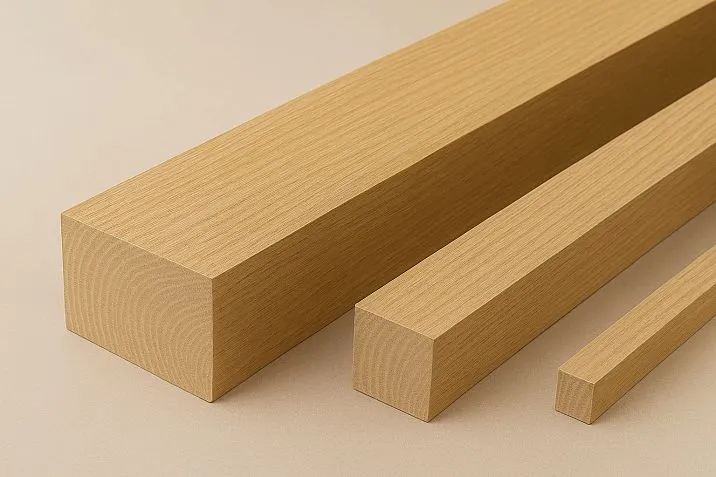
How many times in a builder's life does he have to make decisions that determine the fate of an entire project for decades ahead? And how many of these decisions concern material selection, which not only affects the strength of the structure but also its aesthetic value? When professionals make a decision buy beech timber, they invest in a material that combines European quality traditions with innovative possibilities of modern construction. This is the choice of those who understand the difference between temporary solutions and investments in the future.

Phenomenology of Beech Material: When Nature Creates Masterpieces
What makes European beech so special among many wood species? The answer lies in its unique combination of physical-mechanical and aesthetic characteristics, formed over millions of years of evolution. The density of beech wood reaches an impressive 680-720 kilograms per cubic meter, placing it in the same category as elite hardwoods of global significance.
The hardness indicator on the Brinell scale reaches 3.8 units — this is not just a number in the technical passport, but a guarantee that surfaces made of beech material will withstand decades of intensive use without visible signs of wear. The static bending strength reaches 104 MPa, and the modulus of elasticity reaches 14.1 GPa — characteristics that allow creating structures capable of bearing significant loads while maintaining geometric stability.




Structural Features as a Competitive Advantage
The uniqueness of beech wood lies in its homogeneous structure without a clearly defined distinction between heartwood and sapwood. This feature creates visual harmony, which has become the basis for numerous design solutions in modern architecture. Unlike oak with its contrasting texture, beech has a delicate, almost invisible texture, ideally suited for minimalist interiors.
The shrinkage coefficient is only 0.17% radially and 0.32% tangentially — indicators guaranteeing exceptional dimensional stability of finished structures. This means that gaps, deformations, and cracking are practically eliminated with proper drying and installation technology.
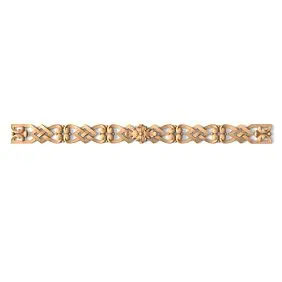
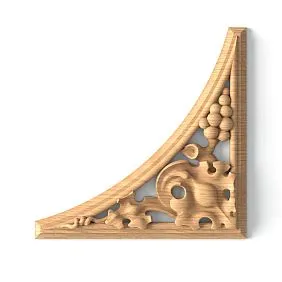
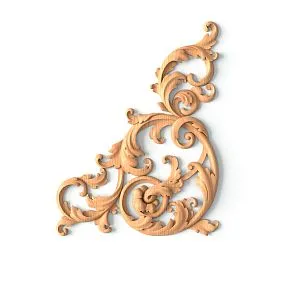
Our factory also produces:



Aesthetic Philosophy of Light Wood in Modern Design
The color palette of beech wood is the poetry of nature translated into the language of modern design. From delicate cream-white to warm rose-beige tones — this range creates an atmosphere of coziness, purity, and harmony in any space. Interior psychologists note that light wood tones promote concentration, reduce stress levels, and create a sense of openness and freedom.
The fine-pored structure with evenly distributed medullary rays forms a delicate, refined pattern that does not overload visual perception but instead creates a sense of calm and stability. Annual rings are minimally expressed, ensuring the visual purity that is so valued in modern interior solutions.
Get Consultation
Light Architecture of Interiors
The light-reflecting properties of beech surfaces play a critical role in forming the light architecture of rooms. High reflectivity allows maximum use of natural lighting, creating interiors that appear more spacious and brighter. This is especially important in northern regions, where sunlight is insufficient for a large part of the year.
Technological Aspects of Premium Material Production
The path from tree to finished product is a symphony of advanced technologies and centuries-old craftsmanship traditions. The process begins with careful selection of raw material: trees aged 60-80 years, grown in the temperate climate of Central and Northern Europe, are considered optimal. Such wood possesses the ideal balance of density, strength, and workability.
Logging is conducted exclusively during the winter period — from November to February — when sap movement is minimal and moisture content in the wood is at its lowest level. This ensures better material stability during subsequent drying and eliminates the formation of internal stresses.
Revolution in Drying Technologies
Modern methods of drying beech wood are a true science. The material is extremely sensitive to abrupt changes in temperature and humidity, so the process is carried out in specialized chambers with programmable control of all microclimate parameters. The temperature regime does not exceed 50-55°C, and the entire cycle takes 4-6 weeks to achieve optimal moisture content of 8-12%.
Innovative vacuum drying technologies allow reducing processing time to 3 weeks while preserving all quality characteristics. Controlled moisture removal occurs evenly throughout the entire cross-section of the timber, completely eliminating the formation of cracks, warping, and other defects.
Dimensional Variety for Realizing Any Architectural Concepts
When professionals decide buy beech timber, they are presented with an impressive range of dimensional solutions. From ultra-thin 10×10 mm strips for delicate decorative work to massive 300×300 mm elements for serious structural tasks — the dimensional range is capable of satisfying the needs of the most demanding clients.
Standard sections of 20×20, 30×30, 40×40, 50×50, 80×80, 100×100, 150×150, 200×200 millimeters cover 95% of the needs of modern construction and furniture industry. Element lengths vary from compact 1 meter to impressive 6 meters for solid timber, while glued technologies allow creating elements up to 18 meters long.
Quality Classification System
Professional material grading by quality ensures optimal alignment with set tasks. The 'Extra' class represents timber without any visual defects — the choice for luxury furniture, exclusive interior solutions, and prestigious projects where every detail must be flawless.
First grade allows minor natural wood features — healthy knots up to 10 millimeters in diameter, light color transitions that do not affect strength characteristics but may add individuality to the product. Second grade is optimal for structural applications where functionality is prioritized.
Revolutionary Applications in Modern Construction
The 21st-century construction industry has opened radically new application areas for beech wood. Load-bearing structures made of beech timber demonstrate outstanding operational characteristics. Beams with a 150×200 mm cross-section can carry a distributed load of up to 450 kilograms per linear meter over spans up to 6 meters without intermediate supports.
Frame technologies using beech material allow creating energy-efficient buildings of the new generation. Beech wood’s low thermal conductivity — only 0.15–0.17 W/(m·K) — provides excellent insulation properties, minimizing heat loss and reducing heating costs.
Glued Technologies as a Breakthrough in Architecture
Production of glued beech timber opens boundless possibilities for architectural creativity. Gluing individual lamellas under high pressure using eco-friendly adhesives creates a material with characteristics 20–30% superior to solid wood.
The ability to manufacture elements of complex geometry — arched beams, curved structures, radius details — transforms beech timber into a universal tool for realizing the most daring architectural concepts. Modern technologies enable creating structures that were once considered technically unfeasible.
Furniture Industry: New Horizons of Quality and Design
In furniture manufacturing, beech wood has taken a special place due to its unique combination of technical and aesthetic properties. Its light tone and uniform structure make it an ideal material for creating furniture in current stylistic directions — minimalism, Scandinavian style, modern classic, high-tech design.
Chairs made of beech material withstand daily loads for decades, countertops retain their flawless appearance under intensive use, beds provide necessary strength with absolute ecological safety. Beech furniture does not deform, does not creak, serves generations, becoming family heirlooms.
Specialized Application Industries
The food industry especially values beech wood for its complex unique properties. Absence of resin canals, neutral taste and odor, high surface density make it an ideal material for contact with food products. Cutting boards, kitchenware, storage containers are specifically made from beech.
The material does not absorb foreign odors, easily undergoes sanitary treatment, possesses natural antibacterial properties. High-temperature steam treatment additionally sterilizes the surface, making it absolutely safe for health.
Economic Efficiency of Strategic Decisions
Analysis of total ownership cost convincingly demonstrates the economic advantages of beech material. With an initial cost 25–35% lower than oak equivalents, beech timber provides comparable, and in some cases superior, operational characteristics. The service life of properly treated structures is 60–80 years with minimal maintenance costs.
High material density allows using elements of smaller cross-section compared to coniferous species, reducing overall project cost by 20–30%. Absence of resin exudation eliminates the need for special surface treatment, further optimizing the construction budget.
Investment Attractiveness and Liquidity
Using beech timber in construction and finishing significantly increases the prestige and market value of real estate. Buyers of modern housing highly value ecologically clean natural materials, positively affecting the liquidity and investment attractiveness of projects.
Technological aspects of processing and finishing
Processability of beech wood is one of its key competitive advantages. Uniform structure without sharp density transitions ensures a clean surface after planing, minimal fiber tear during milling, absence of splinters during drilling. This makes beech ideal for manufacturing items of the most complex geometry.
Sanding allows achieving a surface roughness parameter less than 2 micrometers — a value comparable to polished metallic surfaces. For final preparation, abrasive grit 220–320 is used, providing an ideal base for any type of protective and decorative coatings.
Modern Protective Treatment Systems
Choice of finish coatings is determined by operating conditions and aesthetic requirements of the project. Natural oil-based compositions — optimal choice for residential spaces. Linseed oil deeply penetrates wood structure, highlights natural texture, creates a breathable protective coating that can be easily renewed as needed.
Wax compositions provide additional protection against moisture and mechanical impacts, creating a pleasant silk-like gloss on the surface. Modern polyurethane varnishes are used for surfaces subjected to intensive loads — floors, countertops, stair treads.
Professional-Level Installation Technologies
Quality installation of beech timber structures requires adherence to special technological protocols. The material must undergo mandatory acclimatization under future operating conditions — at least 7 days at stable temperature and humidity matching project parameters.
Pre-drilling holes for fasteners prevents cracking of high-density wood. Drill bit diameter should be 80–85% of the screw diameter to ensure secure fastening without damaging the fiber structure. Use of lubricating compounds facilitates screwing and prevents wood overheating.
Fastening and Connection Systems
The selection of fasteners is determined by operating conditions and type of structure. Stainless steel screws are suitable for most indoor tasks. For outdoor structures, bolted connections with galvanized or stainless fasteners are recommended.
Adhesive joints provide maximum strength and aesthetic appeal. Polyvinyl acetate adhesives are optimal for indoor work, while polyurethane compositions are suitable for structures operating under variable humidity conditions.
Ecological advantages and principles of sustainable development
Solution buy beech timber — is a choice in favor of ecologically responsible construction. The material contains no toxic substances, does not emit harmful compounds, and creates a healthy microclimate in rooms. The ability of wood to naturally regulate air humidity is especially valued in an era of growing attention to indoor building environment quality.
The carbon footprint of beech timber production is negative — trees absorb significantly more carbon dioxide during their growth than is emitted throughout the entire production, transportation, and installation cycle. This makes wood one of the most ecologically responsible choices in modern construction.
Certification of sustainable forestry
European beech forests are managed strictly in accordance with sustainable development principles. The FSC certification system guarantees that every felled tree is replaced by several saplings, and the biological diversity of forest ecosystems is preserved and enhanced.
Innovative technologies for modifying properties
Modern processing methods allow targeted enhancement of the natural properties of beech wood. Thermomodification at 160-200°C in a steam environment reduces the material's hygroscopicity by 40-50%, increases its biological resistance, and imparts a noble dark-brown hue reminiscent of walnut or exotic species.
The thermo-treatment process is entirely ecological — no chemical substances are used; the effect is achieved exclusively through high temperature and steam. Thermally treated beech achieves dimensional stability comparable to tropical species, while retaining all positive qualities of European wood.
Composite technologies of the future
Pressure-impregnation with polymer compositions creates wood-polymer composites with unique properties. These materials combine the natural beauty and ecological nature of wood with the performance characteristics of high-tech synthetic materials — enhanced water resistance, biological resistance, and dimensional stability.
Design trends and architectural innovations
Modern designers and architects consider beech wood as a universal tool for creating interiors of the new generation. Minimalism, Scandinavian style, eco-design, contemporary classicism — in all these directions beech finds organic application due to its neutral tone, clean lines, and ability to harmoniously combine with any materials.
Open beam structures made of beech timber create a sense of lightness and spaciousness, visually increasing ceiling height and filling rooms with light. Combining with modern materials — glass, metal, natural stone — creates unique architectural solutions where the traditional beauty of wood is enhanced by innovative technologies.
Lighting architecture of modern interiors
The light-reflecting properties of beech surfaces play a key role in forming the lighting environment of modern interiors. High reflectivity allows for the most efficient use of natural lighting, creating spaces that appear larger and brighter than their actual dimensions.
Quality control and international standards
The production of high-quality beech timber is regulated by strict European and international standards. EN 338 defines the strength characteristics of structural timber, EN 14081 sets requirements for machine sorting, and EN 13183 regulates methods for precise measurement of material moisture content.
CE marking confirms full compliance with all European requirements for safety, quality, and ecological standards. The presence of such certification is a guarantee that the product was manufactured in accordance with the strictest technical regulations and can be used in the most demanding projects.
Modern non-destructive testing methods
Each batch of quality material undergoes comprehensive laboratory testing using advanced technologies. Ultrasonic flaw detection identifies the slightest internal defects without damaging the products. X-ray scanning shows density distribution across the entire cross-section of the element, guaranteeing structural uniformity.
Logistical solutions and professional storage
Maintaining the quality characteristics of beech material requires special storage and transportation conditions. The timber is stored on wooden pads 25-30 mm thick with mandatory gaps for natural ventilation. The stack height must not exceed 2 meters to avoid deformation of lower rows under the weight of upper rows.
Storage areas must provide a stable temperature of 18-22°C and relative air humidity of 45-55%. The ventilation system must eliminate stagnant zones but not create drafts that could cause uneven drying and deformation.
Transportation and packaging
Professional transportation requires the use of specialized packaging. Moisture-resistant films create a controlled atmosphere, preventing sudden humidity changes during transport. Shock-absorbing pads made of foam materials prevent mechanical damage even during long-distance transportation.
Regional specifics and leading manufacturers
Germany, Austria, France, and Slovenia are world leaders in producing premium-quality beech timber. German manufacturers are renowned for implementing innovative technologies and impeccable quality control throughout the entire production cycle. Austrian companies specialize in manufacturing complex-geometry glued structures for exclusive architectural projects.
French beech wood is traditionally considered the benchmark for producing elite furniture due to special growing climatic conditions and centuries-old processing traditions. Slovenian manufacturers offer an optimal balance of European quality and competitive pricing.
Perspectives of technological development
The future of beech industry is closely linked to the development of digital technologies, biotechnological processing methods, and nanotechnologies in protective coatings. AI systems optimize sorting and cutting processes, minimizing production waste and enhancing the quality of finished products.
3D scanning of each log allows for the most efficient use of valuable raw material, creating detailed maps of density and defects. Robotic processing systems ensure precision and stability of finished product parameters.
Innovative coatings and composites
Development of coatings with programmable properties opens up fundamentally new possibilities for wood usage. Self-cleaning surfaces, antibacterial composites, coatings with tunable optical properties — technologies that may revolutionize the industry in the next decade.
Practical recommendations for professionals
Selecting a reliable supplier of beech timber requires a comprehensive analysis of multiple factors. The company's market reputation, possession of a full set of quality certificates, and the ability to provide samples for detailed examination — these are basic criteria for initial assessment of a potential partner.
Special attention should be paid to the technological capabilities of the manufacturer. Presence of modern drying equipment, climate control systems, and incoming and outgoing quality control laboratories — factors determining the stability of delivered product characteristics.
Procurement activity optimization
Planning material requirements for 6-12 months ahead allows taking advantage of favorable pre-order offers. Many manufacturers are willing to provide significant discounts for guaranteed purchase volumes and flexible delivery schedules.
Consolidating orders from multiple projects enables achieving wholesale volumes and obtaining additional pricing advantages. Direct contracts with manufacturers eliminate intermediary markups, reducing the final material cost by 15-25%.
Market trends and investment prospects
Global trends demonstrate steady growth in demand for eco-friendly building materials. The concept of a healthy home, development of "green" construction standards, and rising consumer environmental awareness — factors ensuring stable growth in popularity of natural wood in the premium segment.
Limited European forest resources combined with the long growth cycle of high-quality timber create conditions for stable price growth in the long term. Investments in high-quality natural materials are becoming increasingly attractive from the standpoint of capital preservation and appreciation.
Technological drivers of development
Implementation of digital technologies at all stages of the production chain — from logging to final processing — dramatically increases raw material efficiency and product quality. The Internet of Things enables real-time monitoring of microclimate parameters, eliminating human factors from critical processes.
Quality expertise in supplier selection
Professional evaluation of a potential supplier should include a detailed analysis of production capacity, technological equipment, and quality control systems. A visit to the production facility provides the most comprehensive insight into production culture, adherence to technological regulations, and staff qualifications.
Special attention should be paid to the presence of modern computer-controlled drying complexes, warehouse climate control systems, and laboratories capable of conducting the full spectrum of required tests. Certification of production according to international quality standards — additional guarantee of supply stability.
Incoming inspection and material acceptance
Each delivery must be accompanied by complete technical documentation — quality certificates, test reports, product passports. Mandatory check of moisture content using portable moisture meters — indicators must match declared specifications with tolerance not exceeding ±1%.
Visual inspection includes checking geometric parameters, absence of critical defects, and conformity of color and texture to approved samples. Any deviations from contractual specifications must be documented in the acceptance act for subsequent resolution with the supplier.
For many years, STAVROS has been a recognized leader in supplying premium building and finishing materials made from high-quality natural wood. Decades of collaboration with leading European beech timber manufacturers, deep understanding of architects', designers', and builders' needs, impeccable reputation in the premium materials market enable the company to guarantee exceptional quality of every product and world-class professional service.
Choosing to partner with STAVROS means selecting not just a supplier of building materials, but a strategic partner who provides comprehensive support at every stage of project implementation. Our team of experts will help you select optimal material characteristics based on specific requirements, climatic conditions, and aesthetic preferences. We guarantee an individual approach to each client, reliable logistics support, and long-term partnership relationships built on mutual trust and a commitment to excellence.


