Article Contents:
- Physical and mechanical properties of oak timber
- Natural biological protection of oak wood
- Moisture resistance: a legend confirmed by practice
- Texture and aesthetic qualities
- Workability and technological features
- Application of oak timber in construction
- Oak timber in interior design
- Dimensions and standards of oak timber
- Technology of producing high-quality oak timber
- Comparison of oak timber with alternative materials
- Processing options and final finishing
- Pricing: factors affecting the cost of oak timber
- Ecological Safety and Healthy Microclimate
- Durability: an investment for centuries
- Where and how to buy oak timber correctly
- FAQ: Frequently Asked Questions
- Conclusion

When it comes to construction or finishing requiring exceptional quality and durability, professionals and discerning clients invariably turn to oak wood.Buy oak beamsIt means investing in a material that will serve not just one generation, preserving its original strength and noble beauty. Oak timber embodies humanity's thousand-year experience in working with wood, proving its reliability in the most critical structures—from Venetian piles to majestic cathedrals. In an era when quality is often sacrificed for economy, oak timber remains an unshakable symbol of a rational choice in favor of reliability.
What makes the decisionBuy oak beamsso popular among professional builders and designers? The answer lies in the unique combination of characteristics of this noble species. Density of 700-900 kilograms per cubic meter ensures exceptional load-bearing capacity, tannin content up to 20 percent creates natural protection against biological damage, and the distinct texture with characteristic growth rings and medullary rays gives the material a unique aesthetic appeal.wood trim itemsOak timber becomes not just construction elements, but genuine masterpieces of natural art, whose value increases with time.

Physical and mechanical properties of oak timber
Oak wood is a natural wonder, shaped over decades of slow growth in a temperate climate. Trees suitable for producing high-quality timber reach an age of 80-120 years, accumulating unique properties over this time. The density of dry oak wood reaches 700 kilograms per cubic meter for European species and may exceed 900 kilograms for some American varieties, making oak one of the densest accessible species.
This high density provides outstanding material strength. The static bending strength reaches 87-104 megapascals, allowing oak beams to withstand enormous loads without deformation. The modulus of elasticity reaches 12-13 gigapascals—the highest among European hardwoods. Practically, this means that oak structures retain their shape under load, returning to their original state after the load is removed.
Oak wood hardness by the Brinell method is 3.7-4.2 units, ensuring exceptional surface wear resistance. Oak floors, staircases, furniture do not wear out even under intensive long-term use, maintaining their original appearance for decades. For comparison, the hardness of popular pine is only 1.6-2.0 units—nearly half as much.Wooden trimOak timber serves as a benchmark for durability.
Compressive strength along the grain reaches 56-62 megapascals, allowing oak timber to be used in load-bearing vertical structures—posts, columns, supports. Tensile strength along the grain is 110-120 MPa—a critically important parameter for elements subjected to bending. These mechanical properties make oak a universal material for the most demanding construction tasks.




Natural biological protection of oak wood
A unique feature of oak wood is the presence of natural tannins, whose concentration reaches 10-20 percent of dry matter. These tannins serve as powerful natural protection against biological damage. Tannic acids create a chemical environment unfavorable for the development of fungi, mold, and bacteria, preventing decay processes even under high humidity.
Antiseptic properties of tannins protect oak wood from insect pests. Termites, bark beetles, and ants avoid oak due to the bitter taste of tannins and the high density of the material. It is significantly more difficult to bore holes in dense oak wood than in softer species. This natural property eliminates the need for chemical insecticide treatment, preserving the ecological purity of the material.
Historical examples vividly demonstrate the biological durability of oak. Venice is built on oak piles that have borne the weight of architectural masterpieces for more than 1000 years, submerged in salty seawater. Oak structures of the Isaac Cathedral in St. Petersburg, driven into swampy soil over 200 years ago, still retain their load-bearing capacity. Medieval churches and castles in Europe demonstrate oak beams aged 500-700 years without signs of decay.
The dense structure of oak wood hinders moisture penetration into the material. Small-diameter capillaries are tightly packed, creating a natural barrier against water. With proper surface treatment, oak timber has minimal water absorption, preventing internal decay.Trimming ItemsOak timber can be used even in humid rooms without special protection.
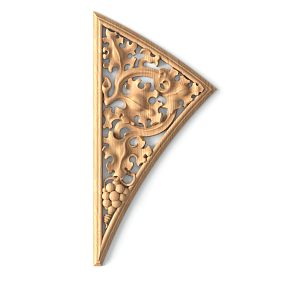
Our factory also produces:




Water resistance: a legend proven by practice
Oak wood's water resistance—a property turned into legend through centuries of practical use. Oak doesn't merely tolerate water—it becomes stronger with prolonged contact with water in an oxygen-free environment. The process of steaming oak wood, occurring during long-term immersion in water without air access, creates a unique material with altered structure and increased density.
Steamed oak—wood that has been submerged in water for decades to centuries—develops a rich black-gray hue ranging from dark gray to charcoal black. The steaming process involves mineralization of the wood by iron salts from water, increasing density to 950–1050 kg/m³ and hardness to 5.5 on the Brinell scale. Steamed oak becomes practically an eternal material, capable of serving for millennia without degradation.
Modern applications of oak in wet environments confirm its outstanding water resistance. Decking for yachts, dock structures, bridge decks, and hydraulic structures are traditionally made from oak. The material withstands freeze-thaw cycles in a wet state without cracking or delamination. Salty seawater, aggressive to most materials, does not damage oak wood.
Ideal for wet zones.Wooden baseboardsIdeal for humid zones.
Get Consultation
Texture and aesthetic qualities
The visual appeal of oak wood makes it a desirable material for elite interiors and prestigious furniture. Its characteristic texture with clearly defined growth rings creates a natural pattern that cannot be imitated. Large earlywood pores alternate with dense latewood areas, forming a recognizable oak pattern prized by designers worldwide.
Heartwood rays—a unique decorative feature of oak—appear on radial cuts as light, shiny bands, creating a shimmering effect. These natural 'mirrors' add depth and refinement to the texture, making each plank a unique piece. Radial cutting, although less economical, yields the most beautiful and stable material with maximum expression of heartwood rays.
The color palette of oak wood varies from light yellow to dark brown. The sapwood has a light yellowish-white hue, 2–5 cm wide, while the heartwood has a darker brownish-yellow tone with greenish or grayish undertones. This natural palette allows selecting the material to match any design concept without the need for staining, although oak accepts any stains exceptionally well.
Over time, oak wood undergoes natural, noble aging, acquiring a richer dark tone with golden highlights. This process enhances rather than diminishes the material's aesthetic qualities, adding elegance and prestige. Antique oak furniture with a patina of age is especially prized at auctions, demonstrating the material's ability to become more beautiful with age.
Workability and technical features
Despite its high density and hardness, oak wood is well-suited for all types of mechanical processing when using the right tools. Modern machines with carbide cutting tools process oak with high precision and surface quality. Planing yields a perfectly smooth surface with a natural gloss, while milling allows creating complex profiles with sharp edges.
The quality of the finished surface depends on the cutting direction and tool sharpness. Planing along the grain with a sharp blade yields a silky surface, pleasant to the touch. Cross-grain planing or working with a dull tool may cause fiber tearing and fuzziness. Professional oak processing requires specialized knowledge and experience, which justifies the higher cost of finished products.
A key technical feature of oak is the absence of resinous exudates typical of coniferous species. This significantly simplifies subsequent finishing. Lacquers, paints, and oils adhere evenly and remain firmly on oak surfaces without peeling from resin pockets. Gluing oak parts occurs reliably due to the absence of resins that hinder adhesive bonding.
Oak wood's flexibility after steaming—a traditional technology used for centuries. Steamed at 100–120 degrees Celsius, oak becomes pliable and easily takes the desired shape with a bending radius four to six times greater than the stock thickness. After drying, the wood retains its acquired configuration without losing strength characteristics. This technology is indispensable in furniture manufacturing and shipbuilding for creating bent elements.
Application of oak timber in construction
Load-bearing structures made from oak beams ensure maximum reliability and longevity of buildings. Floor joists, roof trusses, wall frames—all these critical elements benefit from using oak. High load-bearing capacity allows reducing the cross-section of elements by 20–30% compared to coniferous species, resulting in material savings and reduced foundation load.
The first row of a log structure—a critically important element contacting the foundation and exposed to moisture from the ground. Oak beams for the first row ensure the longevity of the entire structure due to water resistance and biological durability. Properly laid oak beams serve 100–150 years without replacement, whereas pine requires renewal every 30–50 years.
Oak beam staircases are the benchmark for durability and beauty. Stringers, treads, risers, handrails are made from oak to ensure maximum wear resistance. Oak staircases withstand intensive use for centuries without losing strength or appearance. Treads do not wear down, do not creak, and retain their shape under constant load from thousands of steps.
Oak beam window and door structures are distinguished by dimensional stability and longevity. Oak window and door frames do not deform due to humidity and temperature fluctuations, ensuring tight-fitting panels for decades. Oak doors do not dry out in summer and do not swell in winter, maintaining geometry under any climatic conditions.Wooden profileFor oak windows—professionals' choice.
Oak timber in interior design
Ceiling oak beam trusses create architectural expressiveness and a sense of solidity. Exposed beams in country, chalet, and rustic styles become the main decorative element of interiors. Massive oak beams contrast with light walls, creating a clear composition and visual support for space. Oak's natural texture adds warmth and natural aesthetics to modern interiors.
Oak beam fireplace surrounds—a classic solution emphasizing the significance of the home hearth. A massive oak beam above the firebox becomes the focal point of the living room, drawing attention with the nobility of the material. Oak combines perfectly with natural stone and brick fireplace masonry, creating a harmonious composition of natural materials. Oak's heat resistance allows its use near open flames without risk.
Oak beam interior partitions zone open spaces while maintaining visual continuity between areas. Vertical posts and horizontal beams made of oak create a robust frame for filling with glass, fabric, or wooden panels. The open structure allows light and air to pass through, avoiding a sense of enclosure. Oak's strength enables creating thin, elegant structures without sacrificing rigidity.
Built-in oak furniture—embodiment of reliability and functionality. Oak frames for cabinets, shelves, and wardrobe systems withstand significant weight without deformation. Open oak beam shelves combine strength with visual lightness. Oak countertops for kitchens and bathrooms resist moisture and mechanical damage, maintaining an impeccable appearance for decades.
Dimensions and standards of oak beams
The modern market offers oak beams in a wide range of dimensions, allowing selection of the optimal option for any task. Standard cross-sections vary from compact 40x40 mm to massive 300x300 mm and larger. The most in-demand sizes are intermediate dimensions: 50x50, 80x80, 100x100, 150x150, 200x200 mm, covering most construction and interior applications.
The length of oak beams can reach 6 meters for solid material and is practically unlimited for glued beams. Most commonly, products 2–4 meters long are used, convenient for transportation and installation. Long beams are used to create load-bearing structures without joints, enhancing strength and aesthetics. The ability to order non-standard sizes expands the material's application scope.
The moisture content of finished oak beams—a critical parameter determining dimensional stability. Standard moisture content is 12% ±2%, corresponding to equilibrium moisture in heated rooms. This moisture level ensures a balance between dimensional stability and preservation of wood's elasticity. Beams with moisture content above 15% will shrink and may deform after installation.
Tolerances for quality oak beams are ±2 mm for standard planed material and up to ±0.5 mm for high-grade calibrated beams. Profiled beams with interlocking joints require even higher manufacturing precision.Buy oak beamshighest category - means obtaining material with minimal tolerances and ideal geometry.
Technology of producing high-quality oak timber
Production begins with proper selection of raw material - the key factor in final quality. Preference is given to trees aged 80-120 years, grown on poor soils under moderate climate conditions. Slow growth in harsh conditions forms denser wood with narrow growth rings and high mechanical properties. Northern oak is valued higher than southern oak due to better characteristics.
Log sawing is performed in various ways depending on the purpose of the timber. Radial sawing, when the cutting plane passes through the center, yields material with maximum dimensional stability and beautiful texture with visible medullary rays. The yield of material from radial sawing is lower, which increases cost, but quality justifies the price. Tangential sawing is more economical, but the timber becomes less stable.
Drying oak timber is the most critical technological process determining product quality. Natural drying under cover with good ventilation takes 6 months to 2 years depending on timber cross-section and climatic conditions. The wood dries slowly and evenly, minimizing internal stresses and risk of cracking. Kiln drying accelerates the process to 2-4 weeks, but requires precise temperature and humidity control.
Final processing includes four-sided planing to achieve precise dimensions and smooth surface. The planer processes all faces of the timber in one pass, ensuring parallelism of opposite and perpendicularity of adjacent surfaces. Thickness calibration guarantees uniform cross-section along the entire length with tolerance in fractions of a millimeter. Quality surface processing eliminates the need for additional sanding before finishing.
Comparison of oak timber with alternative materials
Spruce timber is the most affordable alternative to oak, costing 3-4 times less. Spruce density of 450-500 kg/m³ is almost half that of oak, providing lighter material with reduced strength and durability. Spruce is easy to process, has a pleasant resinous aroma, but lags behind oak in longevity by 2-3 times. For budget projects, spruce remains a popular choice.
Larch is closer to oak in properties among coniferous species. Density of 600-700 kg/m³ is comparable to oak, high content of resin provides biological resistance. Larch is not afraid of moisture and hardens in water similarly to oak, making it ideal for outdoor structures. Larch price is 30-40 percent lower than oak with comparable longevity in humid environments.
Ash has properties close to oak - density 680-750 kg/m³, high strength, beautiful texture. Ash is lighter and more elastic than oak, which is valued in sports equipment manufacturing. Price-wise, ash is comparable to oak or slightly cheaper.Oak Moldingor ash - a matter of personal preference.
Glued timber combines the advantages of solid wood with increased dimensional stability. The technology of gluing lamellas with opposite fiber orientation compensates for internal stresses, preventing warping. Glued oak timber does not crack during drying, can be manufactured in larger cross-sections and lengths. Price of glued timber is 30-50 percent higher than solid timber for comparable volume of wood.
Variants of processing and final finishing
Oil treatment is a modern trend in finishing oak products, highlighting the natural beauty of the material. Oil penetrates deeply into the wood structure to 2-5 mm, nourishing it, protecting against moisture and contaminants while preserving open pores. The surface acquires a light silk-like sheen, becomes pleasant to the touch, and highlights texture and color. Renewing oil coating is simple - clean and apply a new layer.
Lacquering creates a durable protective film on the oak surface, 50-150 microns thick. Modern polyurethane lacquers provide high wear resistance, chemical resistance, and moisture protection. Choosing gloss level from deep matte to mirror gloss allows implementing any design concept. Lacquer coating is long-lasting, easy to clean, but makes local repair of damaged areas difficult.
Staining with stains expands the palette of available oak wood tones. Light staining highlights natural color and texture, making them more pronounced and deeper. Intense staining allows imitating valuable exotic species - wenge, merbau, padauk - at affordable prices. Water-based stains are eco-friendly, alcohol-based stains dry quickly, and oil-based stains penetrate deeply.
Brushing is mechanical processing with metal brushes, emphasizing annual ring texture. Soft early wood fibers are removed, hard late wood areas protrude, forming an expressive relief of 0.5-2 mm depth. Brushed surface acquires an aged appearance, tactile appeal. Subsequent staining with pigment rubbed into grooves creates a patina effect of time.Wooden moldingswith brushing especially effective.
Pricing: factors affecting oak timber cost
Origin of wood and tree age are primary pricing factors. Northern oak with slow growth costs 30-50 percent more than southern oak due to superior mechanical properties. Trees aged 100-120 years are valued significantly higher than younger 60-80 year trees due to denser wood. French oak is considered the quality standard and costs 1500-2500 euros per cubic meter.
Moisture content critically affects the price of finished timber. Dry kiln-dried timber at 12% moisture costs 40-60 percent more than naturally dried timber at 18-22% moisture. Kiln drying requires significant energy consumption, specialized equipment, and process control, but guarantees dimensional stability and absence of deformation after installation.
Wood grade determines the final cost of finished products. "Extra" grade timber without visible defects, knots, or cracks costs 2-3 times more than second-grade material with allowable healthy knots up to 25 mm diameter. Grade A with minimal defects occupies an intermediate price position. Higher grade is used for visible surfaces, while second grade is sufficient for hidden structures.
Cross-section size affects cost proportionally to cross-sectional area. 100x100 mm timber costs approximately 4 times more than 50x50 mm timber at the same length. Massive 200x200 mm timber costs 16 times more than compact 50x50 mm timber per linear meter. However, cost per cubic meter remains comparable for different cross-sections when material quality is identical.
Ecological and healthy microclimate
Natural oak wood is an absolutely eco-friendly material without toxic substances, formaldehyde, or volatile organic compounds. Moreover, oak possesses bactericidal properties due to tannin content, suppressing development of pathogenic microorganisms. Rooms with oak finishes have a healthier microclimate with reduced concentration of bacteria and viruses in the air.
Wood's ability to regulate air humidity creates a comfortable living environment. Oak absorbs excess moisture during high humidity and releases it during dry air, maintaining a comfortable 40-60% balance. This natural conditioning works without energy expenditure, creating a healthy environment.Wooden baseboardmade from oak contributes to a comfortable microclimate.
Thermal insulation properties of oak wood exceed most modern materials. Oak's thermal conductivity is 0.15-0.20 W/m·K, significantly lower than concrete (1.5), brick (0.7), glass (1.0), and steel (50). Oak walls absorb heat during the day and slowly release it at night, smoothing temperature fluctuations. Homes with oak structures remain cool in summer and warm in winter.
Acoustic properties of oak improve room sound environment. Wood absorbs sharp sounds, softens echoes, creating comfortable acoustics without resonances. Oak floors, walls, and ceilings reduce noise levels by 15-25 decibels compared to concrete structures. Musical instruments made of oak are valued for their deep, rich tone, confirming the material's acoustic perfection.
Longevity: an investment for centuries
Service life of oak structures is measured in centuries with minimal maintenance. Archaeological finds demonstrate oak products aged 3000-5000 years, preserving structure due to special conditions. Historical buildings with oak structures aged 500-800 years continue operating without replacing load-bearing elements. Modern oak structures, with proper maintenance, serve 100-200 years minimum.
Venice oak piles have served as the city's foundation for over 1000 years, submerged in salty seawater without oxygen access. Medieval European cathedral beams continue bearing loads 600-800 years after installation. Antique 17-18th century oak furniture functions properly today, retaining strength and beauty. These examples clearly demonstrate oak's practically unlimited longevity.
Economic efficiency of oak timber is evident in the long-term perspective. Initial costs forPay for oak timberOak structures last 100-200 years, while pine structures require replacement every 30-50 years — the 3-4 times longer lifespan justifies the price difference.
Preserving and increasing property value with oak finishing — additional economic advantage. A house with oak structures, finishes, and furniture has a 15-25 percent higher market value compared to similar properties made from ordinary materials. When selling or renting, oak finishing becomes a significant competitive advantage, attracting paying clients.
Where and how to buy oak timber correctly
Choosing a reliable supplier of oak timber is critical for obtaining quality material. Specialized manufacturers with their own drying chambers and woodworking equipment guarantee quality at every production stage. Direct deliveries from the manufacturer eliminate intermediary markups, reducing final cost by 20-30 percent while maintaining high quality.
Documentation for the material must include a certificate of conformity, a quality passport specifying humidity, grade, dimensions, and wood species. The manufacturer’s warranty against hidden defects protects the buyer. The ability to return or exchange defective material is a sign of a responsible supplier.
From a verified manufacturer — quality guarantee.Buy oak beamsFrom a verified manufacturer - quality guarantee.
Supplier’s additional services simplify project implementation. Delivery of material to the site with unloading saves time and effort. Cutting to size according to technical specifications reduces waste. Protective coating application on the production line ensures quality finish. Specialist consultations on selecting optimal sizes and grades help avoid errors and overpayment.
FAQ: Frequently Asked Questions
Why is oak timber significantly more expensive than coniferous timber?
The high cost of oak timber is due to the long growth cycle of oak (80-120 years until technical maturity), the difficulty of harvesting and processing dense hardwood, the lengthy proper drying process (6 months to 2 years), limited availability of high-quality oak raw material. However, its 100-200 year lifespan versus 30-50 years for coniferous species makes oak economically advantageous in the long term.
What size of oak timber is optimal for floor joists in a residential home?
The cross-section selection depends on the span and calculated load. For residential rooms with a 3-4 meter span and 600 mm joist spacing, 100x150 or 150x150 mm timber is sufficient. For spans of 5-6 meters, 150x200 or 200x200 mm timber is required. Precise calculation must account for permanent and temporary loads, and safety margins according to building code SP 64.13330.
Is additional antiseptic treatment needed for oak timber?
Due to its natural biological resistance from tannin content, oak does not require mandatory antiseptic treatment unlike other species. However, for outdoor use, a protective coating of varnish or oil is recommended to prevent UV discoloration and cracking. For indoor use, treatment is performed for decorative purposes only.
How does solid oak timber differ from glued laminated timber?
Solid timber is made from a single piece of wood, preserving natural structure and maximum strength, but may contain natural defects and is prone to cracking during drying. Glued laminated timber consists of glued laminations with fibers oriented in opposite directions, providing greater dimensional stability, no cracking, and the ability to create large cross-sections, though it is inferior to solid timber in prestige.
How long do oak timber structures last?
When installed according to technology, with minimal maintenance, and under normal operating conditions, oak structures last 100-200 years or more. Historical examples show oak beams over 500-800 years old without signs of decay. Venice’s oak piles have lasted over 1000 years, clearly demonstrating the practically unlimited lifespan of properly treated oak wood.
Can oak timber be used in high-humidity rooms?
Oak timber is ideal for humid rooms due to its natural moisture resistance and biological resistance to rot. The material does not fear direct contact with water and even becomes stronger with prolonged immersion in water without oxygen access. For bathrooms, saunas, and pools, oak is used without fear of mold, provided normal ventilation is maintained.
What humidity level should quality oak timber have?
The optimal humidity for use in structures is 12 ± 2 percent, corresponding to the equilibrium moisture content of wood in heated rooms with air humidity of 40-60 percent. Timber with humidity above 15 percent may shrink and deform after installation. Timber with humidity below 8 percent is prone to cracking due to excessive drying.
Can oak timber be bent for creating curved elements?
Oak wood bends excellently after steaming at 100-120 degrees Celsius for several hours, calculated at 1 hour per 25 mm thickness. Steamed oak becomes pliable and easily takes the desired shape with a bending radius 4-6 times greater than the stock thickness. After drying, the wood retains the acquired shape reliably without loss of strength.
What advantages does buying directly from the manufacturer offer compared to intermediaries?
Buying directly from the manufacturer ensures a lower price without intermediary markups (20-30 percent), quality material and correct drying technology warranty, the ability to order non-standard sizes and custom profiles, professional consultations from experienced specialists on selection and application, and delivery to the site — making this option preferable for serious projects.
Quality oak timber must be accompanied by a GOST or TU certificate confirming material compliance with quality standards, a quality passport specifying humidity, wood grade, dimensions, species, and manufacturing date, a phytosanitary certificate if required for transportation, and a manufacturer’s warranty against hidden defects for a minimum of 6 months.
High-quality oak timber should be accompanied by a certificate of conformity to GOST or TU standards, confirming material compliance with quality standards, a quality passport indicating moisture content, wood grade, dimensions, species, manufacturing date, phytosanitary certificate if required for transportation, and a manufacturer's warranty against hidden defects for a minimum period of 6 months.
Conclusion
SolutionBuy oak beamsThis is a conscious choice in favor of quality, longevity, and natural beauty, proven by centuries of practical application. This noble material embodies humanity’s multi-century experience in working with wood, proving its reliability in the most critical structures — from foundations to church vaults. Modern processing and drying technologies unlock the potential of oak wood, creating a product that meets the strictest professional requirements and the expectations of demanding clients who value authentic quality.
STAVROS - leading manufacturer
premium-class - offers a full range of high-quality oak beams for the most demanding projects. Decades of experience working with valuable wood species, modern high-precision European-level equipment of the latest generation, meticulous multi-stage quality control at every production stage, from raw material selection to packaging of finished products, professional team of experienced specialists with deep knowledge of wood processing technologies - all this ensures flawless quality of every item leaving the production facilities. When purchasing from STAVROS, the buyer receives not just construction material, but a comprehensive professional solution with quality guarantee, detailed expert consultations on selecting optimal sizes and grades, technical project support at all implementation stages, prompt delivery throughout Russia and CIS countries. Choose quality proven by time and thousands of satisfied customers, trust professionals with impeccable long-standing reputation in the wood processing market, create structures and interiors that will serve generations of your family and become a source of pride and admiration.wood trimPremium class - offers a full range of high-quality oak timber for the most demanding projects. Decades of experience working with valuable wood species, modern high-precision European-level equipment of the latest generation, meticulous multi-stage quality control at every production stage, from raw material selection to packaging of finished products, a professional team of experienced specialists with deep knowledge of wood processing technologies - all this ensures flawless quality of every item leaving the production facilities. When contacting STAVROS, the buyer receives not just construction material, but a comprehensive professional solution with quality guarantee, detailed expert consultations on selecting optimal sizes and grades, technical project support at all implementation stages, prompt delivery throughout Russia and CIS countries. Choose quality proven by time and thousands of satisfied customers; trust professionals with an impeccable long-standing reputation in the wood processing market; create structures and interiors that will serve generations of your family and become a source of pride and admiration.