Article Contents:
- History of wood usage: from branch to round stick
- Primitive roots
- Development of craft traditions
- Middle Ages and Modern Times
- Connection with Nature
- Symbol of power and wisdom
- Spiritual practices and rituals
- Hardwoods
- Softwoods
- Exotic species
- Log preparation and drying
- Shaping and sanding
- Final finishing and decoration
- Decor and interior
- Garden and landscape design
- Sports and tourism
- Daily life and practical tasks
- Defining the purpose of use
- Visual inspection and quality check
- Methods of processing
- Recommendations for maintaining appearance
- Recoating
- Storage in appropriate conditions
- Responsible forestry
- Durability and recycling
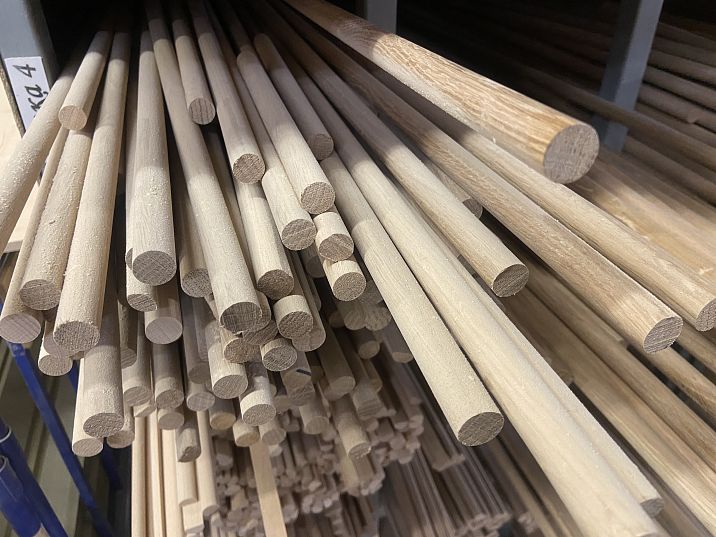
Wood has always occupied a special place in human culture and daily life. Since the moment when the first humans began using simple branches for hunting and defense, wood has become a faithful companion, accompanying humanity in various spheres of life. Today, despite the development of high technologies and the emergence of innovative materials, interest in wooden products does not fade but, on the contrary, is reborn with renewed vigor. One of the most universal and sought-after items is round wooden stickIt may seem like an elementary object, but behind it lies a multi-century history, a wide range of applications, and a deep cultural heritage.
This article will thoroughly examine what a round wooden stick is, which types of wood are best suited for its manufacture, the traditions and symbolic meanings associated with this item. Additionally, questions regarding the selection, care, and creative use of round wooden sticks in the modern world will be addressed. The text is aimed at those who value natural materials, strive for eco-friendliness, and enjoy discovering new possibilities in interior design, decorative arts, or everyday life.


History of wood usage: from branch to round stick




Primitive roots
Scientists consider wooden sticks to be among the first tools mastered by humanity. Early humans used them for obtaining food, self-defense, and moving heavy objects. Over time, people began refining their woodworking skills, making sticks stronger and more convenient. One can say that the round wooden stick is the result of a multi-century evolution, beginning with the simplest branch, broken off from a tree.
During archaeological excavations, fragments of ancient wooden items were repeatedly discovered. Although wood does not preserve well in the ground, traces of processing, impressions, and petrifications allow scientists to determine how widely wooden sticks were used in antiquity. Their functionality and versatility helped early humans settle new territories, hunt large game, and defend themselves against predators.
Our factory also produces:



Development of craft traditions
With the emergence of the first settlements and cities, craftsmen began to more intricately process wood. Primitive lathes, carving and polishing tools, and the foundations of artistic decoration appeared. Wooden sticks began to transform into staffs, scepters, canes, and other accessories, often serving not only practical purposes but also as a demonstration of the owner's status.
In ancient Egypt, Greece, and Rome, wooden sticks were adorned with carvings, inlays, metal, and precious stones. The wealthy carried staffs as symbols of their power and wisdom. In some cases, they were used in rituals and ceremonies, reflecting a deep connection between humans and nature. At that time, the understanding emerged that a round wooden stick could be not only a tool but also an aesthetic, cultural, and spiritual object.
Get Consultation
Middle Ages and Modern Era
During the Middle Ages, sticks remained an indispensable part of daily life for various social classes — from peasants to nobility. They could serve as support while walking, self-defense weapons, or luxury items. With the advent of the Renaissance, then Baroque and Classicism, the use of wood in decorative arts reached a new level. Elegant canes, artistically decorated staffs, carved details in architecture and interiors appeared.
The development of navigation and trade led to an expansion of the range of woods available to craftsmen. Exotic woods from other continents became popular among European elites. This contributed to even greater variety of products and stimulated the development of woodworking schools. Over time, the round wooden stick secured a firm place among sought-after items, combining practicality, aesthetics, and tradition.
Cultural symbolism and meaning
Connection with nature
Since ancient times, people have felt a deep connection with nature, and wood symbolized this connection. It is believed that eachround wooden stick preserves the 'memory' of the tree from which it was made. This memory is expressed in the texture, growth rings, and shades of wood, telling about the climate, soil, and other conditions in which the tree grew. Therefore, in different cultures, a wooden stick may symbolize growth, life force, resilience, and the natural element.
Symbol of power and wisdom
In many cultures, a long wooden stick or staff is associated with power and wisdom. In ancient civilizations, priests, magistrates, and generals carried staffs as signs of their high status and spiritual authority. In medieval Europe, kings and bishops used staffs, symbolizing their right to govern a state or flock. Although formal symbols of power in modern culture have changed, the image of the staff still appears in official ceremonies, theatrical performances, and artistic works, preserving its historical depth.
Spiritual practices and rituals
Many religions and spiritual traditions imbue wooden sticks with special power. In Christianity, the pastoral staff symbolizes care for believers, while in Hinduism or Buddhism, the stick provides support for ascetics on their spiritual path. In shamanic practices of various peoples, staffs and round sticks made of wood are used to connect with the spirit world, conduct purification and healing rituals. In this case, wood acts as a natural conductor of energy, helping humans interact with higher forces.
Types of wood and their characteristics
Hardwoods
- Oak. One of the most common and respected types of wood. Oak is characterized by high strength, resistance to decay, and noble texture. Oak is often used to make heavy, long-lasting sticks that serve as support during walking or for decorative purposes.
- Ash. Ash is renowned for its elasticity and uniform structure. A round ash stick usually withstands mechanical loads well, so it is often chosen for sports equipment, tool handles, and interior elements.
- Beech. Beech has a pleasant light color and is easy to work with. It is well-suited for carving and polishing, so beech is often used to make decorative and artistic sticks. With proper care, beech items can last for many years.
Softwoods
- Spruce. This is the most accessible and common option for making wooden sticks. Spruce has a distinctive aroma and soft texture. However, spruce items require more careful handling, as this wood is prone to dents and scratches.
- Fir. Similar to spruce in its properties, but may differ with a lighter color and more uniform texture. A round fir stick is well-suited for simple decorative solutions and small household projects.
- Cedar. Has a distinctive aroma and soft but sufficiently dense structure. Cedar sticks are valued for their pleasant scent and interesting grain patterns, although they may cost more compared to spruce or fir.
Exotic woods
In addition to common woods, there are also exotic types — rosewood, teak, mahogany, wenge, and others. They are characterized by unusual color and texture, as well as high density. Items made from exotic woods are often used in elite design, andround wooden stickcrafted from such material, can become true works of art. However, it is important to consider that harvesting some exotic woods may harm ecosystems, so when choosing, attention should be paid to ecological certification.
Manufacturing technology and types of processing
Log preparation and drying
The process of creating a round wooden stick begins with selecting a high-quality log. Craftsmen pay attention to the absence of knots, cracks, signs of decay, and other defects. After this, the wood must be dried — proper drying determines whether the finished product will warp or crack in the future. Drying is carried out either naturally (outdoors or in a ventilated room) or in special chambers that allow control of temperature and humidity.
Shaping and Sanding
On the second stage, the blank is processed on a lathe to give it a smooth, round shape. Sometimes craftsmen use hand tools — planes, chisels, and knives — to emphasize the natural wood grain. An important step is careful sanding, which gives the stick smoothness and protects against potential splinters. Sanding is done in several stages, gradually moving from coarse to fine grit sandpaper.
Final Processing and Decoration
To protect the wood from moisture, mold, and mechanical damage, the stick is coated with special finishes. These can be varnishes, oils, waxes, or water-based stains. The choice of finish depends on the item’s purpose: for indoor decorative sticks, varnish or oil is suitable, while for outdoor projects, more durable protective layers are preferred. Some craftsmen add decorative elements — carving, burning, painting, metal inlays, or leather inserts — making each stick truly unique.
Applications of Round Wooden Sticks
Decor and Interior
- Curtains and Drapes. A round wooden stick is ideal for use as a curtain rod, to which drapes are attached. Such an element adds a sense of coziness and naturalness to the interior, especially if the color and texture are chosen to harmonize with other room details.
- Space Division. Long sticks can be used as vertical dividers to zone rooms. This technique is often found in modern interiors in loft or minimalist styles, where open spaces require light separation.
- Art Objects and Installations. Artists and designers often create installations from wooden sticks, experimenting with shape, texture, and color. Such art objects become a striking accent and can attract guests’ attention.
Garden and Landscape Design
- Plant Supports. Gardeners value round wooden sticks for their versatility: they serve as supports for climbing plants and tall flowers, helping to neatly shape garden beds.
- Fences and Hedges. For those who wish to arrange a dacha plot in an eco-style, wooden sticks from natural wood will be an excellent choice. They can be used for low fences separating different parts of the garden or as decorative elements when arranging flowerbeds.
- Garden Furniture. A craftsman skilled in carpentry can make from round sticks benches, tables, swings, or pergolas. Such items give the garden a natural charm and allow for creating cozy resting areas.
Sports and Tourism
- Hiking Sticks. Despite the popularity of modern carbon and aluminum sticks, many hikers prefer wooden alternatives. They are more eco-friendly, and the pleasant wood texture creates a special sense of connection with nature.
- Martial Arts. In Eastern martial arts (such as kung fu, aikido), wooden sticks and staffs (bo, jō, tambo) are widely used. They develop coordination, strength, and endurance. A round wooden stick here is important not only as equipment but also as part of philosophy, emphasizing harmony between body and spirit.
- Gymnastics Exercises. The stick can be used for various stretches, balance training, and strengthening the back and shoulder muscles. Its simplicity and accessibility make it popular for home fitness workouts.
Daily Use and Practical Tasks
- Tool Handles. Many hand tools (hammers, axes, brushes) are equipped with wooden handles. The round shape ensures a comfortable grip, while natural wood provides pleasant tactile sensations and durability.
- Carrying and Storage. Sticks are often used for hanging clothes, drying laundry, forming improvised crossbars in storage rooms and attics. This is a practical way to organize space.
- Creativity and Handicraft. People interested in DIY projects find dozens of ways to use a round wooden stick. It can be used to make candle holders, ornament hangers, book stands, children’s toys, and much more.
How to Choose a Quality Round Wooden Stick
Defining the Purpose of Use
Before purchasing a stick or making it yourself, it is important to clearly understand its intended use. If it is planned to use it as a support or sports equipment, it is better to choose hardwoods (oak, beech, ash). If it is primarily for decoration, softer and more affordable options such as pine or spruce will suffice.
Visual Inspection and Quality Check
● Straightness. Place the stick on a flat surface to ensure it is not warped.
● Absence of Knots and Cracks. Knots and cracks can weaken the wood structure, especially if the stick will be subjected to stress.
● Texture. A smooth, uniform grain indicates good material quality. Sharp transitions and variations in the density of annual rings may lead to uneven load distribution.
● Weight. A stick that is too light may be insufficiently strong, while one that is overly heavy may be inconvenient to use.
Ways of Processing
Ask the seller or manufacturer how the wood was dried, what tools were used for sanding, and what finish was applied. For outdoor use (garden, dacha), a moisture-resistant coating is suitable, while for interiors, more decorative options with varnish or oil are often chosen to highlight the wood's texture.
Care and Storage
Recommendations for Maintaining Appearance
To keep a round wooden dowel looking attractive for a long time, it is recommended to periodically clean it of dust and dirt with a soft dry cloth. If the dowel is used outdoors, a slightly damp cloth can be used, but it is important to thoroughly dry the surface afterward to prevent mold or mildew.
Surface Restoration
Depending on the intensity of use and storage conditions, the coating on the dowel (varnish, oil, wax) may wear off or crack over time. In such cases, it is useful to lightly sand it with fine-grit sandpaper and apply a new layer of protective finish. This not only gives the dowel a fresh look but also extends its service life.
Storage in Suitable Conditions
If the dowel is not used continuously, it is better to store it in a dry room with moderate humidity and temperature. Avoid areas with sharp temperature fluctuations or high humidity (for example, near radiators or open windows in cold weather). If necessary, wrap the dowel in fabric or paper to protect it from dust and sunlight.
Ecological Aspects
Responsible Forestry
The choice of wooden items is largely associated with the idea of eco-friendliness. Wood is a renewable resource, provided that forest management is done properly. To ensure that the dowel is made from wood obtained without harm to ecosystems, pay attention to the presence of appropriate certifications (FSC, PEFC). This guarantees that the forest from which the wood came is restored by planting new trees.
Durability and Recycling
A round wooden dowel, with proper care, can serve for many years. If the item becomes unusable, it will not cause significant harm to the environment during disposal, as wood naturally decomposes and does not contain toxic components (provided that non-toxic stains and finishes are used). This is a significant advantage over plastic or metal, which are more difficult to recycle and dispose of.
Creative Approach: Ideas for Inspiration
- Photo zone or decoration for a party. Round dowels can be painted in different colors, wrapped with ribbons, or decorated with garlands to create striking stands and arches for photo zones at weddings or birthdays.
- Children's toys and props. Wooden dowels can become excellent toy swords, bows, musical instruments (noisemakers), or balance toys for outdoor play.
- Creative furniture. Several straight dowels can become legs for a table, bench, or flower stand. Combining wood with metal and glass can achieve a unique designer effect.
- Painting and burning. Those who are interested in artistic creativity can use acrylic painting or burning techniques to turn a dowel into an original art object.
- Wall installations. Several short dowels of different lengths, mounted on a wall in a specific order, can create an interesting geometric pattern. Such installations often become a 'highlight' in modern interiors.
Conclusion: The Round Wooden Dowel as a Reflection of the Multifaceted Culture and Lifestyle
The journey of wood from seed to finished product is remarkable and full of mysteries. Eachround wooden stick holds within itself the story of its origin: the climate in which the tree grew, the craftsmanship of the person who infused soul into its processing, and the cultural baggage that accompanies the wood through centuries. In this seemingly simple object, several aspects of human life are reflected — from practicality and utility to deep symbolism and spirituality.
In a world increasingly filled with synthetic materials and electronic gadgets, we are turning more often to nature in search of inspiration, harmony, and authenticity. Wooden dowels, like other natural materials, offer us the opportunity to feel connected to our ancestors, experience the warmth and energy of living nature, and realize our creative potential by making unique items for home, garden, or artistic projects.
Choosing and purchasing a round wooden dowel can be the beginning of an exciting journey into the world of artisanal traditions and an eco-friendly lifestyle. Whether it is a curtain rod, a support for garden plants, a sports equipment, or an art object, a wooden dowel, with proper care and attention, will serve for many years, preserving its beauty and functionality. This is precisely its value: the ability to unite the past and present, traditions and innovations, the spiritual and practical in one seemingly simple object.
Thus, a round wooden dowel is not merely a piece of wood, but a true treasure of cultural and aesthetic experience, reflecting the multifaceted history and creativity of humanity. It holds the potential for self-expression, decoration, and functionality. It reminds us that extraordinary depth can lie within simple things, and that every element of nature contains beauty worthy of our attention and respect.