Article Contents:
- 1. History of Wooden Beds
- 1.1 Early Development
- 1.2 Medieval Traditions
- 1.3 Renaissance and Classicism
- 1.4 Current State and Innovations
- 2.1 Ecological Safety and Naturalness
- 2.2 Durability and Longevity
- 2.3 Natural beauty and uniqueness
- 2.4 Hypoallergenic properties
- 2.5 Thermal Insulation Properties
- 3.1 Selection and Preparation of Wood
- 3.2 Handcrafted Processing and Use of Modern Technologies
- 3.3 Construction and Assembly
- 3.4 Final Finishing and Surface Protection
- 4.1 Classic Style and Its Features
- 4.2 Modern Interiors and Minimalism
- 4.3 Individual Designer Solutions
- 4.4 Ergonomics and Comfort
- 5.1 Use of Certified Wood
- 5.2 Modern Technologies and Waste Minimization
- 5.3 Social Responsibility and Support for Local Craftsmen
- 5.4 Energy Efficiency and Sustainable Production
- 6.1 Fusion of Tradition and Innovation
- 6.2 Multifunctionality and Adaptability
- 6.3 Minimalism and clean lines
- 6.4 Experiments with finishes and decorative elements
- 7.1 Defining the Purpose of Use
- 7.2 Selection of Wood Species
- 7.3 Functional Features and Ergonomics
- 7.4 Price-to-Quality Ratio
- 7.5 Personal Preferences and Interior Style
- 8.1 Regular cleaning
- 8.2 Protection from Direct Sunlight and Temperature Fluctuations
- 8.3 Periodic Treatment with Protective Agents
- 8.4 Repair and restoration
- 9.1 Combining with other furniture items
- 9.2 Choosing accessories and textiles
- 9.3 Lighting and atmosphere
- 9.4 Space organization
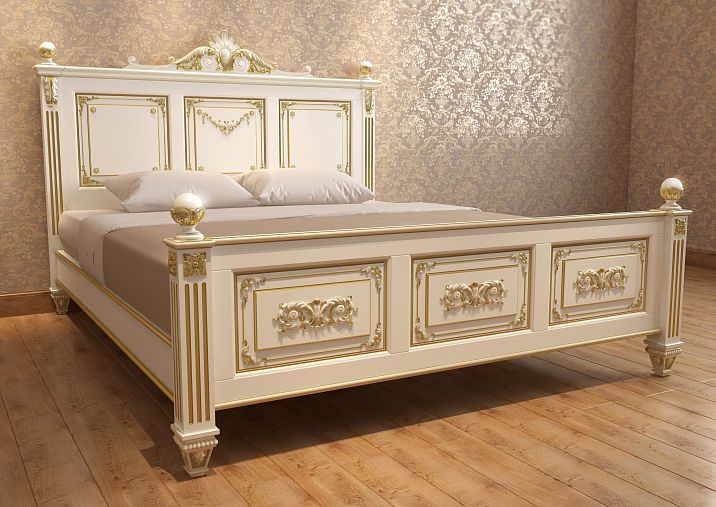
In today's world, where style, functionality, and care for the environment are top priorities,bed made of natural wood the bed made of natural wood occupies a special place among interior items. It is not just furniture for sleeping, but a true work of art embodying centuries-old craftsmanship traditions, eco-friendliness, and high quality. In this article, we will thoroughly examine the history of appearance and evolution of wooden beds, their indisputable advantages, manufacturing technology, modern design and functionality trends, as well as practical advice on choosing, installing, and caring for the item. If you aim to create an atmosphere of coziness, harmony, and natural beauty in your home, this article will serve as a valuable guide to action.


1. History of beds made of natural wood
The history of wooden bed manufacturing goes back to ancient times. From ancient times, people used wood to create household items, and beds were no exception. The natural availability, strength, and beauty of wood made it an indispensable material in the crafts of various cultures.




1.1 Early stages of development
In ancient civilizations of Egypt, Greece, Rome, and China, wooden furniture, including beds, was a symbol of status and nobility. At that time, a bed made of natural wood was not only a means of rest but also an object of ritual significance. Carved patterns symbolizing protection from evil spirits and carefully crafted details adorned the items, making them unique works of art.
Our factory also produces:


1.2 Medieval traditions
During the Middle Ages, beds made of natural wood became a symbol of elegance and comfort for the nobility. Masters of that time perfected woodworking techniques, using manual labor and traditional tools. Each bed was created with special attention to detail, and decorative elements such as carving, inlay, and molded ornaments emphasized the owner's status. These traditions have survived to this day, allowing modern designers to draw inspiration from classic examples.
Get Consultation
1.3 Renaissance and Classicism
The Renaissance period became a time when the art of wood processing reached a new level. Beds made of natural wood became embodiments of aesthetics and functionality. Masters used the latest technologies and methods of that time, allowing them to create items with refined forms and flawless finish. It was precisely during this period that the concept of the classic bed emerged, which remains synonymous with high style and quality to this day.
1.4 Current state and innovations
Today, beds made of natural wood combine ancient traditions with modern technologies. Manufacturers use eco-friendly raw materials, innovative drying and processing methods, enabling them to create items that meet the highest demands of modern customers. Thanks to the wide variety available on the market, you can choosebed made of natural woodthat perfectly fits the interior of any style — from classic to minimalist.
2. Advantages of a bed made of natural wood
Natural wood possesses qualities that make items made from it unique and in demand in modern interior design. Let us consider the main advantages that distinguish wooden beds from other materials.
2.1 Ecological safety and naturalness
One of the key advantages of wooden furniture is its ecological nature. Natural wood is a renewable resource, free from harmful chemicals, makingbed made of natural wood safe for health. Unlike synthetic materials, wood does not emit toxic vapors and does not negatively affect the microclimate in the room.
2.2 Strength and Durability
The quality and durability of natural wood are confirmed by its ability to withstand significant loads and retain its original appearance for decades. A wooden bed made from high-quality material is resistant to mechanical damage, scratches, and even minor moisture exposure, provided it is properly cared for. This longevity is one of the key factors making investments in wooden furniture worthwhile.
2.3 Natural beauty and uniqueness
Each piece of wood has its own unique texture, pattern, and shade, making eachbed made of natural wood truly unique. The natural texture of wood is capable of creating an atmosphere of coziness and warmth in any interior, highlighting the individuality of the space. Carving, inlay, and other decorative elements merely enhance the natural beauty of the material, making the item a unique work of art.
2.4 Hypoallergenic Properties
For families with young children and people prone to allergies, wooden furniture is the optimal choice. Natural wood does not contribute to allergic reactions, as it contains no synthetic additives or harmful substances. Moreover, wood possesses antibacterial properties, which helps create a healthy atmosphere in the bedroom.
2.5 Thermal Insulation Properties
Wood is known for its natural insulating properties. A bed made of natural wood maintains an optimal temperature regime, ensuring comfortable sleep throughout the year. In cold weather, wood retains heat, while in summer it prevents overheating, making it an indispensable material for creating a cozy bedroom.
3. Technology of Manufacturing a Bed from Natural Wood
Manufacturing a wooden bed is a process requiring a high level of craftsmanship, knowledge of traditional techniques, and use of modern tools. In this section, we will examine the main production stages, from selecting raw materials to the final finishing of the product.
3.1 Selection and Preparation of Wood
The key stage in manufacturing beds from natural wood is selecting high-quality timber. The most popular species are oak, beech, ash, walnut, and maple. Each species has its own characteristics: oak is known for its high strength and resistance to wear, beech for its elegant texture, walnut for its rich color, and maple for its softness and even grain.
After selecting the wood species, the blanks undergo careful preparation. This stage includes:
● Drying wood: Proper drying prevents deformation, cracking, and mold formation. Modern drying methods allow achieving optimal moisture content, significantly increasing the product's service life.
● Disinfection and treatment: Before starting work, the wood undergoes special treatment aimed at eliminating microorganisms and insects, ensuring the product's longevity.
● Selection and sorting: Each board is carefully checked for defects such as knots, cracks, or unevenness. Only selected material enters production, guaranteeing the high quality of the finished bed.
3.2 Handcrafting and Use of Modern Technologies
Modern technologies combined with traditional craftsmanship allow creating items that combine aesthetic expressiveness and functionality. Masters use:
● Traditional tools: Chisels, planes, saws, and scalpels allow creating elegant carved patterns and decorative elements.
● Modern equipment: CNC routers, laser cutting, and computer modeling ensure high-precision processing and the ability to realize complex design solutions.
● Combination of handcrafting and automation: This approach allows preserving the uniqueness of each item while ensuring high standards of quality and structural reliability.
3.3 Construction and Assembly
When designing a bed from natural wood, special attention is paid to the item's construction. The main components are:
● Frame: It ensures the bed's strength and stability. The frame is manufactured using strict technological standards and is designed for long-term use.
● Decorative elements: Carved patterns, inlays, and other decorative details give the item a unique character and artistic value.
● Connecting elements: High-quality metal or wooden fasteners used during assembly ensure the structure's reliability and longevity.
3.4 Final Finishing and Surface Protection
The final production stage includes decorative and protective finishing of the bed. For this purpose, the following are used:
● Lacquers and oils: They highlight the natural beauty of the wood, giving it a luster and additional protection against mechanical damage and external influences.
● Waxes and special compounds: These materials penetrate the wood structure, enhancing its thermal insulation and antibacterial properties, and preventing cracking.
● Hand polishing: The final touch that gives the item a perfect appearance and emphasizes its unique characteristics.
As a result, thoughtful manufacturing technology and use of premium materials allow creatingbed made of natural woodwhich not only pleases the eye but serves faithfully for many years.
4. Design and Functionality of a Wooden Bed
The design of a bed made of natural wood is a synthesis of traditional motifs and modern trends. Each item is developed with consideration for ergonomics, functionality, and aesthetic appeal, enabling the creation of a harmonious interior of any complexity.
4.1 Classic Style and Its Features
Classicbed made of natural wood traditionally features intricate carving, rich ornamentation, and refined decorative elements. In classic design, the bed is not merely sleeping furniture but a central interior element symbolizing the owner's luxury, status, and taste. Such beds often have high headboards, carved legs, and elaborately decorated frames, making them an ideal choice for luxurious bedrooms and antique interiors.
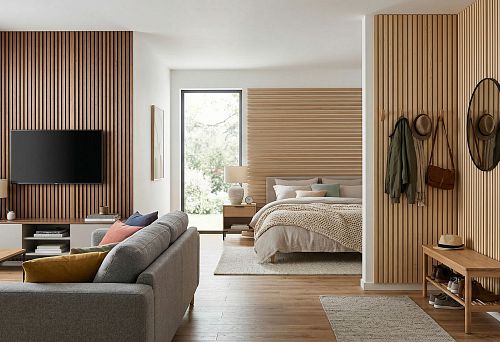
Modern interior design, on the contrary, favors minimalist lines, minimalism, and functionality. A wooden bed in such an interior may have simple geometry, clean lines, and neutral tones, allowing it to blend organically into the environment, where each item has its functional purpose. At the same time, even in a minimalist execution, natural wood retains its unique texture and warm tone, creating an atmosphere of coziness and natural harmony.
One of the main advantages of wooden beds is the possibility of their individual customization. Modern craftsmen offer:
4.3 Individual Design Solutions
● Selection of wood species: The ability to choose material according to the customer's preferences, whether oak, beech, ash, or walnut.
● Custom carving and inlay: Decorative elements made to order allow creating a unique piece that reflects the owner's personal style and preferences.
● Multi-functional solutions: Some bed models are equipped with additional elements such as drawers, built-in shelves, and lighting, making them not only aesthetically pleasing but also practical for modern living conditions.
4.4 Ergonomics and comfort
Comfortable sleep is the result of harmonious combination of proper construction and quality materials. When designing wooden beds, special attention is paid to ergonomic aspects:
● Proper load distribution: The bed's construction is designed to evenly distribute weight, providing optimal support for the spine.
● Adjustable elements: Some models allow changing the height or angle of the headboard, enabling the bed to be adapted to individual needs.
● Natural ventilation: Natural wood has the ability to 'breathe', which contributes to creating a healthy microclimate in the bedroom.
Thus, the combination of aesthetics, functionality, and individual approach makes
not only a piece of interior design, but also a guarantee of quality rest and healthy sleep.bed made of natural wood not only a piece of interior, but also a guarantee of quality rest and healthy sleep.
Ecological responsibility and care for the environment are becoming increasingly important factors when choosing furniture. Wooden beds manufactured according to sustainable development principles represent an ideal combination of tradition, quality, and ecological safety.
5.1 Use of certified wood
High-quality furniture manufacturers pay special attention to the sources of raw materials. For manufacturing
wooden bedsnatural wood certified wood from responsibly managed forests, where sustainable forestry practices are carried out. This ensures that wood usage does not harm ecosystems and contributes to preserving forest resources for future generations.
5.2 Modern technologies and waste minimization
Modern manufacturing processes aim to reduce energy consumption and minimize waste. The use of automated equipment, optimized drying and wood processing methods allows significantly reduce carbon emissions and reduce negative impact on the environment. Such technologies make wooden bed production not only efficient, but also environmentally safe.
5.3 Social responsibility and support for local craftsmen
Many manufacturers of wooden furniture actively support traditional craftsmanship and invest in the development of regions where wood is harvested. This contributes to preserving cultural heritage, creating jobs, and supporting local communities. Choosingbed made of natural woodmeans choosing an ecologically clean and socially responsible product.
5.4 Energy efficiency and sustainable production
Energy-efficient production methods allow reducing resource consumption and lowering the carbon footprint of each product. Furniture manufacturers actively implement innovative solutions aimed at optimizing processes and improving energy efficiency, making wooden beds an ideal choice for those committed to sustainable development and environmental care.
6. Modern trends in the production and design of wooden beds
The modern furniture market offers a wide range of wooden beds capable of meeting the demands of the most demanding customers. Innovative technologies, experiments with shapes and finishes, as well as integration of functional elements allow creating products that meet modern quality and design standards.
6.1 Fusion of tradition and innovation
One of the key trends is the harmonious combination of traditional craftsmanship methods with modern processing technologies. Craftsmen use the capabilities of computer modeling and laser cutting to create complex decorative elements, while preserving manual labor and the uniqueness of each item. This approach allows creatingbed made of natural woodwhich combines centuries-old traditions with modern aesthetic standards.
6.2 Multifunctionality and Adaptability
Modern beds made of natural wood are often equipped with additional functional features. Pull-out storage drawers for bedding, built-in shelves, adjustable headboards, and even transformation elements allow for maximum space efficiency in the bedroom. Such solutions are especially relevant for small apartments and houses, where every square meter matters.
6.3 Minimalism and clean lines
Minimalist design, characterized by simple geometric forms and the absence of unnecessary decorative details, is becoming increasingly popular. Natural wood in this case serves as an accent, highlighting the material's natural texture and warm tones. The simplicity of lines and the conciseness of forms allow for creating a calm, harmonious space, in whichbed made of natural wood becomes the center of aesthetic attention.
6.4 Experiments with finishes and decorative elements
Modern designers actively experiment with various finishing options: from matte and glossy coatings to combinations of natural oil and wax. Such solutions not only highlight the unique properties of wood but also add individuality to the item. Carved patterns, stone or metal inlays, and the use of composite materials create unique designs that satisfy even the most discerning tastes.
7. Choosing a bed made of natural wood: criteria and tips
When choosing a bed made of natural wood, it is important to consider many factors, from the quality of the material to the functional features of the construction. Below are the main criteria that will help make the right choice.
7.1 Defining the purpose of use
Before purchasing, it is necessary to clearly define the purpose for which the bed is intended. This may be the main sleeping area, an item for a guest room, or even an exclusive interior piece that highlights the owner's status and individuality. Different bed models may have their own features: from classic constructions to multifunctional solutions with storage spaces.
7.2 Selection of wood species
Each wood species has its own unique characteristics:
● Oak: Recognized for its high strength, durability, and beautiful texture. Ideal for creating solid and classic beds.
● Ash: Characterized by an elegant texture and light color, making it popular for modern and minimalist interiors.
● Walnut: Known for its rich color and unique wood grain pattern, giving the bed a distinctive elegance.
● Beech and maple: Possess a uniform structure and softness, allowing for the creation of items with smooth surfaces and refined appearance.
7.3 Functional features and ergonomics
It is important to pay attention to the following points:
● Frame construction: Reliability and strength of connections, structural stability.
● Presence of additional elements: Pull-out drawers, shelves, adjustable headboards, and other functional solutions that enhance usability.
● Ergonomics: Proper load distribution, comfortable height, and optimal bed dimensions to ensure healthy sleep.
7.4 Price-to-quality ratio
Investments in quality furniture made of natural wood are always justified, as they serve for decades. When choosing, pay attention not only to cost but also to warranty obligations, customer reviews, and the manufacturer's reputation.bed made of natural woodexecuted to high standards, will not only be a beautiful interior addition but also a reliable helper in creating a comfortable bedroom.
7.5 Individual preferences and interior style
It is equally important to consider the overall style of your interior. Classic beds with rich decorative elements are perfect for traditional interiors, while minimalist and sleek models will harmoniously fit into modern designs. Choose an item that is not only functional but also reflects your individuality.
8. Care for a bed made of natural wood
To ensure the bed retains its original appearance and continues to delight you for many years, proper care of natural wood is necessary. Below are several practical recommendations for caring for a wooden bed.
8.1 Regular cleaning
Daily cleaning helps maintain the bed's appearance. It is recommended:
● Wipe the surface with a soft dry or slightly damp cloth.
● Use special wood care products to avoid damaging the protective coating.
8.2 Protection from Direct Sunlight and Temperature Fluctuations
Natural wood is sensitive to extreme conditions. To maintain the optimal condition of the item:
● Place the bed away from direct sunlight to avoid fading and drying out the wood.
● Monitor the stability of temperature and humidity in the room to prevent cracks and deformations.
8.3 Periodic Treatment with Protective Agents
To preserve the natural beauty of the wood, periodic treatment is recommended:
● Use natural oils or waxes that penetrate the wood structure and create an additional protective layer.
● Apply polishing agents capable of restoring the luster and color saturation of the wood, especially after prolonged use.
8.4 Repair and Restoration
Over time, even high-quality furniture may require repair:
● Minor scratches and scuffs can be removed yourself using special surface restoration products.
● For more serious damage, it is recommended to consult professional restorers who can perform comprehensive treatment and restore the item to its original appearance.
9. Practical Recommendations and Interior Design Secrets
Creating a harmonious interior begins with the proper selection of furniture elements. A bed made of natural wood can become the centerpiece of the bedroom, setting the tone for the entire ambiance. Below are tips to help you integrate the item into your interior with maximum aesthetic effectiveness.
9.1 Combining with Other Furniture Elements
When designing a bedroom, it is important to ensure harmonious coordination between the bed and other interior elements:
● Classic style: Choose accessories such as decorative chests, carved frame mirrors, and antique lamps that emphasize the traditional aesthetic of the wooden bed.
● Modern minimalism: Use minimalist furniture and neutral tones to highlight the natural beauty of the wood.
● Eco-style: Enhance the interior with natural textiles, plants, and handmade elements to create an atmosphere of coziness and natural harmony.
9.2 Choosing Accessories and Textiles
To make a bed made of natural wood shine with new colors, it is important to properly select bedding and decorative pillows:
● Natural fabrics such as linen and cotton contribute to a healthy microclimate and highlight the eco-friendliness of the item.
● Accessories in classic or modern styles will help complete the overall bedroom design, creating a unified visual space.
9.3 Lighting and Atmosphere
Proper lighting plays a key role in creating a comfortable atmosphere in the bedroom:
● Soft diffused lighting, supplemented by spotlights, will highlight the texture and shape of the wooden bed.
● Using LED strips and adjustable lighting sources will allow you to adapt the atmosphere to a specific mood and time of day.
9.4 Space Organization
When designing a bedroom interior, it is important to consider functional zones:
● Arrange the space so that the bed occupies the central position, and other furniture elements do not overload the overall composition.
● Use multifunctional furniture items that will help optimize space, especially in small apartments.
10. Conclusion
A bed made of natural wood is the perfect combination of traditional craftsmanship, modern design, and ecological responsibility. Such a piece of furniture is capable not only of transforming the bedroom interior, giving it a unique style and cozy atmosphere, but also of ensuring high-quality and healthy sleep for many years.
Each detail is meticulously crafted to perfection. From selecting high-quality wood to hand-carving and innovative finishing techniques — every stage of production is aimed at achieving the highest standards of quality. At the same time, eachbed made of natural wood is a unique work of art that tells its own story, reflecting centuries-old traditions and modern trends.
Choosing a bed made of natural wood is an investment in quality, durability, and ecological purity. This piece will become an indispensable part of your interior, offering warmth and comfort, while also highlighting your commitment to natural materials and sustainable development.
In conclusion, it should be noted that a natural bed is not merely a place for sleep, but a true symbol of harmony between man and nature. Its unique properties, such as strength, hypoallergenicity, and aesthetic appeal, make it the ideal choice for creating a comfortable and healthy space in your home.