Article Contents:
- Functional aesthetics: where construction meets beauty
- Constructive role in interior architecture
- Structural diversity and typology of forms
- Polyurethane materials science: science serving beauty
- Molecular architecture and physical properties
- Technological aspects of production
- Property modification and special additives
- Stylistic directions and designer interpretations
- Classical canons in modern execution
- Historical styles and their modern adaptation
- Modern stylistic directions
- Practical aspects of application and installation
- Load calculation and selection of structural solutions
- Fastening technology and mounting systems
- Features of installation under various conditions
- Decorative finishing and color solutions
- Polyurethane coating technologies
- Imitation of natural materials
- Modern decorative techniques
- Application areas and specific solutions
- Residential interiors of various stylistic directions
- Commercial and Public Spaces
- Special application areas
- Economic Aspects and Investment Appeal
- Comparative analysis of costs of various materials
- Economic efficiency in the long term
- Ecological aspects and sustainable development
- Ecological safety of the material
- Secondary recycling and disposal
- Innovative solutions and development prospects
- Integration of modern technologies
- Personalization and individual solutions
- Conclusion
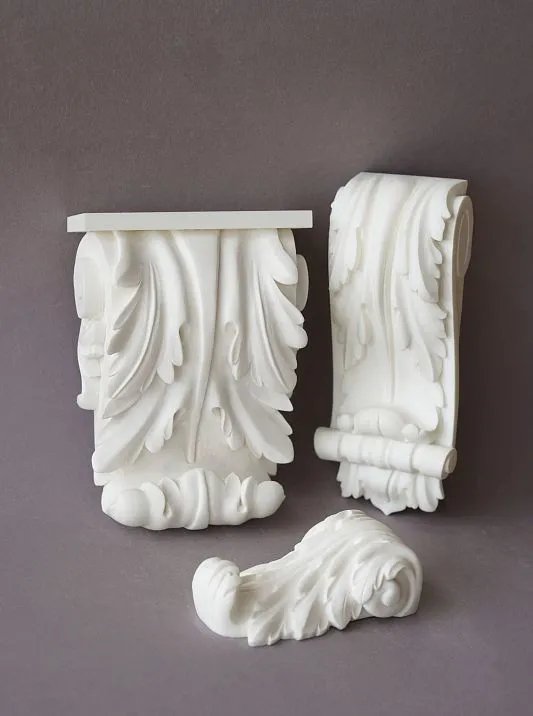
Imagine the moment when an architectural detail ceases to be merely utilitarian and transforms into a work of art. It is precisely this transformative potential that Polyurethane brackets – elements that combine engineering precision and decorative expressiveness. These unique items can radically change the perception of interior, creating an illusion of massive stone or wooden structures with minimal weight and maximum practicality.
The era of standard solutions and typical approaches is irrevocably passing into the past. Modern design demands boldness, individuality, and technological sophistication. In this context, polyurethane brackets become not just functional support elements, but key architectural accents capable of transforming an ordinary space into a theatrical decoration of life.



Functional aesthetics: where construction meets beauty




Constructive role in interior architecture
The bracket as an architectural element has an ancient history, dating back to antiquity, when the need to support projecting structural elements gave rise to a special type of decorative-functional details. Modern polyurethane brackets inherit this dual nature, combining practical necessity with aesthetic impact.
Visual support of cornices, shelves, window sills, and other architectural elements creates a sense of reliability and solidity of the entire composition. Even when a bracket performs purely decorative function, it is psychologically perceived as a load-bearing element, adding architectural logic and completeness to the interior.
Rhythmic organization of space using polyurethane brackets allows creating complex compositional schemes. Repeating identical elements at equal intervals establishes a certain perception rhythm, while varying sizes and shapes create a more complex, syncopated composition.
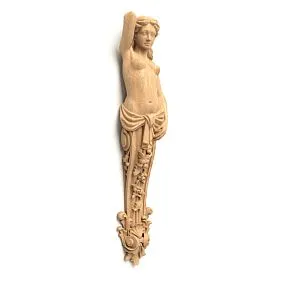
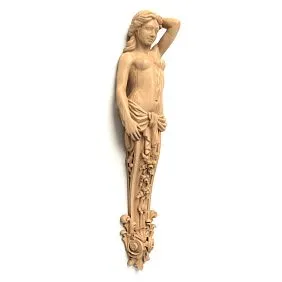
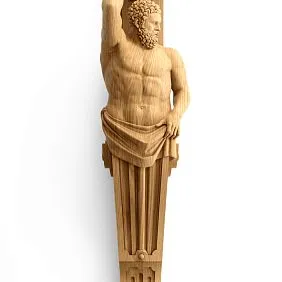
Our factory also produces:


Structural diversity and typology of forms
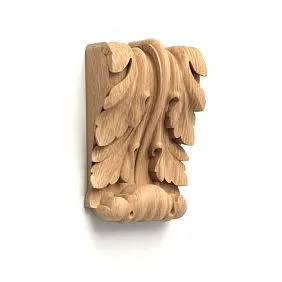
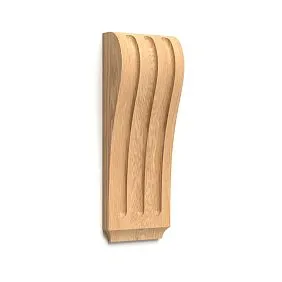
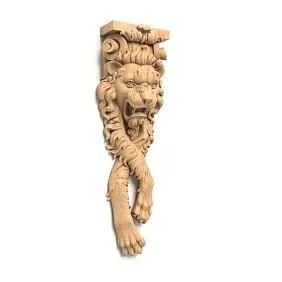
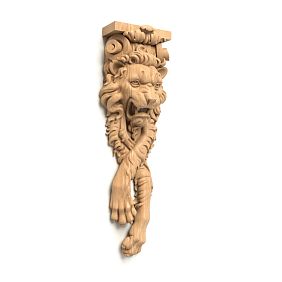
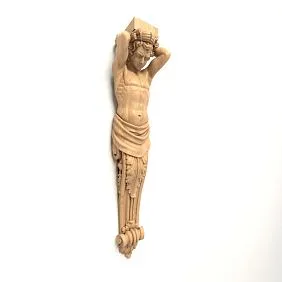
Console brackets represent a classical type of supporting elements, where the main load is transferred through a horizontal console to a vertical wall. Such a constructive scheme allows creating expressive profiles with characteristic curves and decorative elements.
Corner brackets solve specific tasks of decorating interior and exterior corners of rooms. Their three-dimensional geometry requires special skill in design, as the element must harmoniously appear from all viewing angles and ensure a smooth transition between different planes.
Combined bracket systems allow creating complex architectural compositions where several elements work within a unified stylistic concept. This approach is especially effective in large spaces, where it is necessary to create a hierarchy of architectural accents.
Get Consultation
Polyurethane materials science: science at the service of beauty
Molecular architecture and physical properties
Polyurethane as a construction material possesses a unique molecular structure that ensures an exceptional combination of strength and lightness. The three-dimensional polymer network creates a material with high specific strength, capable of withstanding significant loads while having minimal self-weight.
The elasticity of polyurethane compositions allows creating brackets of complex geometric shapes without the risk of cracking at stress concentration points. The material can deform under load and return to its original shape after the removal of the load, which is especially important for elements subjected to variable loads.
The temperature stability of modern polyurethane compositions ensures the preservation of geometric parameters polyurethane brackets over a wide temperature range. The material's linear expansion coefficient is minimal, which prevents the formation of gaps at junctions with walls during seasonal temperature fluctuations.
Technological aspects of production
The manufacturing process of polyurethane brackets begins with creating high-precision molds made from special silicone compositions. The quality of the mold is critically important for obtaining products with clear detailing and smooth surfaces without defects.
Polyurethane system components are mixed in strictly defined proportions at controlled temperature. Violation of the technological regime may lead to changes in the physical-mechanical properties of the finished product or the appearance of internal defects.
Injection molding ensures complete filling of the mold and eliminates the formation of air inclusions. Pressure is maintained until the material fully cures, guaranteeing the production of products with uniform structure and stable characteristics.
Modification of properties and special additives
Modern polyurethane compositions contain a complex of special additives that improve the operational characteristics of finished products. Antioxidants prevent material aging under the influence of oxygen and ultraviolet radiation, preserving original properties for decades.
Antistatic additives prevent the accumulation of static charge on the surface of brackets, reducing dust attraction and simplifying maintenance of the products. This is especially important for elements located in hard-to-reach areas.
Biocidal components create an unfavorable environment for microorganism development, which is especially important in rooms with high humidity. The material does not mold, does not rot, and does not become a source of unpleasant odors even during prolonged operation under harsh conditions.
Stylistic directions and designer interpretations
Classical canons in modern execution
The Corinthian order, with its lavish vegetal motifs, finds worthy embodiment in polyurethane brackets. Acanthus leaves, stylized rosettes, and intricate scrolls are reproduced with filigree precision, creating a sense of luxury and grandeur of classical interiors.
Doric style, with its strict geometry and minimalist forms, adapts to modern needs through simplification of decoration and emphasis on proportionality. Such Polyurethane brackets Perfectly suited for minimalist interiors where architectural expressiveness is valued without excessive ornamentation.
Ionic motifs with characteristic volutes create elegant transitions between vertical and horizontal elements of the composition. Spiral scrolls not only decorate the bracket but also visually soften the structural rigidity of the element.
Historical styles and their modern adaptation
Gothic aesthetics, with their aspiration upward and complex geometry, are reflected in brackets with pointed forms and delicate elements. Such items create a sense of lightness and upward striving, despite their functional role in support.
Baroque opulence is embodied in brackets with complex curved surfaces and rich detailing. The play of light and shadow on the relief surface creates dramatic effects, transforming a functional element into a work of decorative art.
Renaissance harmony of proportions and classical restraint of forms are expressed in brackets where each element conforms to a general compositional logic. Mathematical precision of proportions creates a sense of internal harmony and perfection.
Modern stylistic directions
Modernist aesthetics, with their emphasis on functionality and rejection of excessive ornamentation, have produced a new type of bracket, where beauty is achieved through the purity of lines and perfection of proportions. Such elements become sculptural accents in modern interiors.
Postmodern irony and eclecticism allow bold combinations of elements from different eras and styles into a single item. Brackets can combine classical motifs with modern materials and technologies, creating unexpected and memorable images.
High-tech aesthetics are embodied in brackets that imitate metallic structures or industrial elements. Precision of forms and technical accuracy of details create a sense of high technology and modernity.
Practical aspects of application and installation
Load calculation and selection of structural solutions
Determining allowable loads on polyurethane brackets requires a comprehensive approach, taking into account not only the strength of the material itself but also the specifics of attachment to load-bearing structures. Distributed loads are better tolerated than concentrated loads, which must be considered during design.
The safety factor for decorative elements should be no less than 3-4, ensuring reliable operation even when exceeding calculated loads. This is especially important for brackets supporting heavy elements — stone sills, heavy shelves, or decorative elements.
Dynamic loads arising from building vibrations or wind effects may significantly exceed static loads. Polyurethane brackets Due to the material's elasticity, they withstand such impacts well, but require appropriate calculation.
Attachment technology and mounting systems
Adhesive mounting using special polyurethane adhesives ensures reliable fixation of brackets to most construction materials. The adhesive bond evenly distributes loads across the entire contact surface, eliminating stress concentration.
Mechanical mounting is used for elements subjected to significant loads. Special self-tapping screws or anchors pass through the bracket into the load-bearing wall structure, ensuring maximum connection reliability.
Combined mounting systems combine the advantages of adhesive and mechanical connections. The adhesive ensures even contact and prevents moisture from entering gaps, while mechanical elements bear the main loads.
Features of installation under various conditions
Moist environments require special attention to waterproofing of mounting joints. Using sealants and hydrophobic compounds prevents moisture from penetrating behind the bracket and corrosion processes from developing at mounting points.
Outdoor work imposes higher requirements for the frost resistance of adhesive compositions and the material's resistance to ultraviolet radiation. Special outdoor compositions ensure the longevity of the connection under any climatic conditions.
Vibrational loads in buildings near transportation routes or industrial facilities require the use of damping pads between the bracket and the wall. Elastic materials dampen vibrations and prevent crack formation.
Decorative finishing and color solutions
Polyurethane coating technologies
Surface preparation before painting includes degreasing and light abrasive treatment to improve paint adhesion. The quality of preparation is critically important for the longevity of the paint finish.
Priming with special polymer material primers creates an intermediate layer with optimal adhesion properties. Primer also equalizes the surface's absorbency and improves the coverage of the final coating.
Multi-layer painting ensures color uniformity and protective properties of the coating. Each layer must be fully dry before applying the next, ensuring no defects such as runs or uneven tone.
Imitation of natural materials
Patina technique allows creating an effect of noble antiquity on the surface polyurethane bracketsMulti-layer application of paints of various shades with subsequent partial removal creates a complex color play in the recesses of the relief.
Wood imitation is achieved using special paints and varnishes that reproduce the texture and color of various wood species. The drybrushing technique using stiff brushes creates an effect of tree ring texture and natural wood irregularities.
Metallic coatings give brackets the appearance of bronze, brass, or other metals. Special pigments create the characteristic metallic sheen, while patina compounds add realism to the imitation.
Modern decorative techniques
Airbrushing allows creating complex color transitions and artistic effects on the surface of brackets. The technique of spraying paint through an airbrush ensures smooth gradients and fine detailing of the painting.
Stencil printing is used for applying repeating ornaments or text on the surface of products. This technology is especially effective for mass production of brackets with identical decoration.
Flocking creates a velvety surface with special tactile properties. Applying short fibers onto an adhesive layer creates a textile surface effect, which is particularly interesting for interiors in the art deco or modern styles.
Areas of application and specific solutions
Residential interiors of various stylistic directions
Living areas gain special grandeur through the use of decorative brackets to support fireplace shelves, bookshelves, or decorative elements. Properly selected elements create a sense of fundamentality and respectability throughout the space.
Kitchen interiors gain additional functionality and aesthetic appeal through the use of brackets to support open shelves, window sills, or decorative elements. The moisture resistance of polyurethane makes such solutions practical and long-lasting.
Sleeping rooms require a more delicate approach to decoration. Polyurethane brackets Small-sized brackets can support bedside shelves, create decorative niches, or serve as headboard elements.
Commercial and public spaces
Office interiors gain additional solidity and prestige through the use of brackets in a classical style. Elements can support document shelves, decorative panels, or serve purely as decorative accents.
Restaurant halls and cafes use decorative brackets to create a special atmosphere. Elements in a historical style help recreate an authentic ambiance, while modern solutions emphasize the relevance of the establishment's concept.
Hotel rooms and lobbies gain additional luxury and comfort through thoughtful use of decorative elements. Brackets can support mirrors, luggage shelves, or serve as elements of overall decorative composition.
Special areas of application
Theatrical and concert halls require a special approach to acoustic treatment. Brackets of complex shapes can serve as sound-diffusing elements, improving the acoustic characteristics of the room while maintaining decorative appeal.
Museum exhibits use special brackets to support display cases, information panels, or artworks. Neutral coloring and classical forms do not distract from the exhibits but create a worthy frame.
Medical facilities have special requirements for material hygiene. Polyurethane brackets are easily cleaned with disinfectants and do not create hard-to-clean zones, which is critically important for maintaining sanitary standards.
Economic Aspects and Investment Attractiveness
Comparative analysis of the cost of different materials
Natural stone, traditionally used for manufacturing architectural elements, exceeds polyurethane in initial cost by 5-10 times. Stone elements require special fasteners capable of supporting their significant weight, which further increases the overall project cost.
Gypsum brackets, at comparable detail quality, cost 2-3 times more than polyurethane analogs. The brittleness of gypsum requires special care during transportation and installation, increasing the risk of damage and additional expenses.
Wooden elements are comparable in cost to polyurethane, but require regular maintenance — impregnation with antiseptics, renewal of paint coatings, protection from moisture and pests. These additional expenses make wood less cost-effective in the long term.
Economic efficiency in the long term
Minimal operating costs are an important advantage polyurethane bracketsThe material requires no special care, is resistant to moisture, temperature fluctuations, and mechanical damage.
The possibility of restoring damaged elements without their complete replacement significantly reduces operating costs. Most defects can be repaired locally using special polyurethane compounds.
The long service life, spanning several decades, makes initial investments economically justified. With proper maintenance, polyurethane brackets retain their original appearance throughout the building's lifespan.
Ecological aspects and sustainable development
Material ecological safety
Modern polyurethane compositions are produced without heavy metals, formaldehyde, and other toxic substances. The material does not emit harmful compounds during use and is safe for human health and the environment.
The absence of volatile organic compounds in cured polyurethane eliminates air pollution in rooms. The material has no odor and does not cause allergic reactions, even in people with heightened sensitivity.
Polyurethane's biological inertness prevents microbial growth on the surface of products. This is especially important in high-humidity conditions, where other materials may become sources of mold and bacteria.
Secondary recycling and disposal
The development of chemical recycling technologies for polyurethane allows decomposing used products into original components that can be used to produce new materials. This makes polyurethane a closed-loop production material.
Energy recovery of polyurethane through combustion in specialized facilities allows obtaining a significant amount of thermal energy. The material's calorific value is comparable to coal, making it a valuable energy resource.
The long service life of polyurethane products reduces the need for frequent replacement and, consequently, waste volume. This aligns with the principles of sustainable development and responsible resource consumption.
Innovative solutions and development prospects
Integration of Modern Technologies
Smart home systems find application in decorative interior elements. Brackets can be equipped with motion, lighting, or temperature sensors, seamlessly integrated into the decorative structure of the element.
Wireless charging devices can be embedded in shelves supported by decorative brackets. This solution is especially relevant for bedside areas and workspaces, where convenient mobile device charging is required.
LED lighting integrated into brackets creates additional lighting effects and highlights architectural details. The system can be remotely controlled and adjusted to various lighting scenarios.
Personalization and individual solutions
3D scanning and modeling allow creating accurate copies of historical elements or developing unique shapes based on individual sketches. The technology enables the realization of the most daring design ideas in polyurethane.
Digital printing on polyurethane opens new possibilities for decorating bracket surfaces. Any images, patterns, or text can be applied with photographic quality and high resistance to abrasion.
Modular bracket systems allow creating various compositions from standard elements. This approach reduces the cost of individual solutions while preserving the uniqueness of each project.
Conclusion
In the modern world of interior design, polyurethane brackets represent an ideal combination of functionality, beauty, and technological sophistication. These elements can dramatically transform any space, adding architectural expressiveness and individual character.
Choosing polyurethane decorative elements is a decision made by people who understand the value of quality materials and strive to create a harmonious living space. The combination of accessibility, practicality, and aesthetic appeal makes these products the optimal choice for both professional designers and individual clients.
Investing in quality architectural decor pays off not only through increased property value but also through daily aesthetic pleasure from being in a beautifully designed space. Polyurethane brackets create a sense of solidity and reliability, transforming an ordinary apartment into a place where it is pleasant to live and work.
The ecological safety and durability of the material meet modern requirements for construction materials. In an era of heightened attention to ecology and sustainable development, these characteristics become not just advantages, but necessary conditions for use in residential spaces.
STAVROS holds leading positions in the Russian market for decorative polyurethane elements, offering clients European-quality products at affordable prices. Years of experience, modern equipment, and strict quality control at all production stages guarantee exceptional characteristics of finished products. STAVROS' team of professionals continuously works on expanding the product range and implementing innovative technologies, enabling them to offer clients the most modern solutions in architectural decor. Choosing STAVROS means investing in beauty, quality, and reliability that will delight you for many years.