Article Contents:
- Psychology of red color in interior design
- Emotional impact of red
- Symbolism of red in various cultures
- Historical excursion: red trim in architecture and design
- Antiquity and Middle Ages
- Renaissance and Baroque
- Modernism and avant-garde
- Modern trends
- Variety of red shades for trim
- Classic red shades
- Modern variations of red
- Choosing shade depending on style and room purpose
- Materials for creating red trim
- Wooden elements
- Polyurethane and polystyrene elements
- Metallic Elements
- Textile solutions
- Application of red trim in various interior elements
- Framing door and window openings
- Ceiling and wall moldings
- Baseboards and floor elements
- Frames for paintings and mirrors
- Red trim in various interior styles
- Classic style
- Modern minimalism
- Ethnic Styles
- Eclecticism and Fusion
- Red trim in various rooms
- Living Room
- Bedroom
- Kitchen and dining room
- Children's room
- Techniques for creating and installing red trim
- Material Selection and Preparation
- Painting techniques
- Trim installation
- Maintenance and updates
- Combining red trim with other colors and materials
- Classic color combinations
- Unexpected color solutions
- Combination with various materials
- Psychological aspects of using red trim
- Impact on perception of space
- Effect on mood and behavior
- Dosage of red color
- Modern trends in using red trim
- Minimalism and graphic design
- Ecological and natural properties
- Technological Innovations
- Individualization and Personalization
- Conclusion
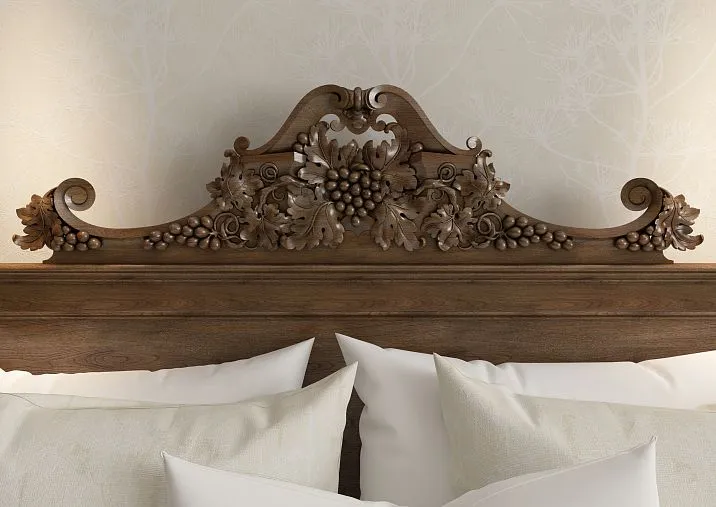
In the world of interior design, there are elements capable of radically transforming space, giving it character and individuality. One such powerful tool is red framing – a technique that, when used appropriately, can become a key accent in a room, highlight architectural features, and create a unique atmosphere.
Red is one of the most energetic and emotionally rich colors in the color spectrum. It attracts attention, awakens feelings, and charges with energy. That is why red framing it becomes not just a decorative element, but a powerful tool for creating accents, zoning space, and expressing the owner's individuality.
In this article, we will dive into the fascinating world of red in interior design, consider various options for its application in framing architectural elements, analyze its psychological impact, study historical aspects and modern trends, and also provide practical recommendations for its use red framing in various styles and rooms.





Psychology of red in interior design
Before considering specific application options red framing in interior design, it is important to understand the psychological impact of this color on a person. Red is a color with rich symbolism and strong emotional charge.




Emotional impact of red
Red color exerts a powerful physiological and psychological impact on a person:
- Stimulates activity – red color increases energy, accelerates heartbeat and breathing, stimulates brain activity
- Awakens appetite – it is no coincidence that many restaurants use red accents in their interior design
- Creates a sense of warmth – even in a cool room red framing can create an illusion of warmth and coziness
- Attracts attention – red color stands out first against a general background, drawing the gaze
- Triggers strong emotions – from passion and love to aggression and danger
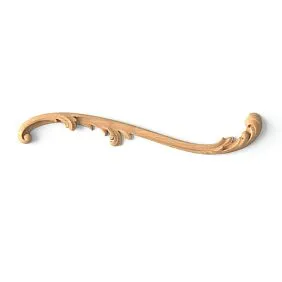
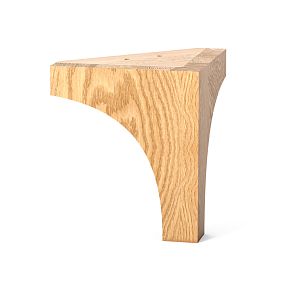
Our factory also produces:






Symbolism of red in different cultures
In different cultures, red color has different symbolic meanings, which may influence its perception in interior design:
- In Chinese culture, red symbolizes luck, happiness, and prosperity, widely used in festive decoration
- In Indian tradition, red is associated with purity, fertility, and is the color of wedding ceremonies
- In Western culture, red often symbolizes passion, love, but can also be associated with danger and prohibition
- In Russian tradition, red historically meant 'beautiful', 'festive', and was a symbol of life and joy
Understanding these cultural aspects can help create an interior with red framing, which will resonate with the cultural context and personal preferences of the owner.
Get Consultation
Historical excursion: red framing in architecture and design
red framing has a rich history of application in architecture and interior design of various epochs and styles. Let us consider some historical examples.
Antiquity and the Middle Ages
In ancient architecture, the color red was often used to highlight architectural elements. Archaeological research has shown that many Greek temples, which we today see as white marble structures, were partially painted in antiquity, and red played an important role in this polychromy.
In medieval architecture, especially in Gothic cathedrals, red framing red was often used to emphasize architectural details and create contrast with stone walls. Red elements could be seen in stained glass, murals, and decorative elements.
Renaissance and Baroque
In the Renaissance, the color red was often used in palace and mansion interiors to create an atmosphere of luxury and grandeur. red framing door and window openings, red draperies and decorative elements were a sign of wealth and high status.
In the Baroque and Rococo periods, the love for bright colors and contrasts led to even wider use of red in interiors. Red velvet draperies, gilded frames with red backgrounds, red accents in furniture — all of this created an atmosphere of theatricality and opulence.
Modern and Avant-Garde
At the turn of the 19th and 20th centuries, the modern style brought a new understanding of color in architecture. red framing It was used more boldly and innovatively, often combined with other bright colors and unusual forms.
Avant-garde movements of the early 20th century, especially Constructivism, actively used the color red as a symbol of revolution and a new era. In the architecture and design of this period red framing red was often used to create dynamic compositions and highlight functional elements.
Modern trends
In modern interior design red framing is experiencing a new wave of popularity. Designers appreciate its ability to create vivid accents and enliven neutral spaces. From minimalist interiors with single red accents to bolder solutions using various shades of red — this color continues to play an important role in modern design.
Variety of red shades for framing
Speaking about red framingIt is important to understand that 'red' is not a single specific color, but a whole palette of shades, each of which creates its own mood and interacts differently with the surrounding space.
Classic shades of red
- Crimson — a bright, saturated shade that immediately attracts attention and creates a dynamic atmosphere
- Carmine — a deep, saturated red with a slight purplish tint, evokes a sense of luxury and refinement
- Cinnabar — a warm red with an orange undertone, energetic and cheerful
- Bordeaux — a dark, saturated red with a brownish tint, associated with elegance and tradition
Modern variations of red
- Coral — a soft, warm shade between red and pink, creates a cozy, relaxed atmosphere
- Terracotta — a muted reddish-brown, reminiscent of fired clay, harmonizes well with natural materials
- Magenta — a bright red with a blue tint, creates a playful, modern mood
- Tomato — a warm, slightly muted red, works well in kitchen spaces
Choosing a shade depending on style and purpose of the room
When choosing a specific shade for red framing it is important to consider the overall interior style and functional purpose of the room:
- For classic interiors, noble, deep shades such as burgundy, carmine, and wine work well
- In modern minimalist spaces, clean, bright shades such as crimson and vermillion work well
- For children's rooms, it is better to choose cheerful but not overly aggressive tones — coral, tomato
- In bedrooms, it is preferable to use muted, calm shades — terracotta, burgundy
Materials for creating red trim
red framing can be made from various materials, each of which has its own features, advantages, and limitations.
Wooden elements
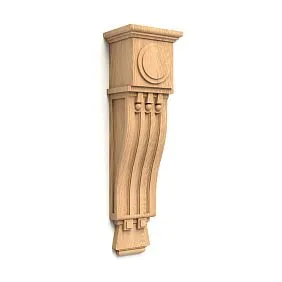
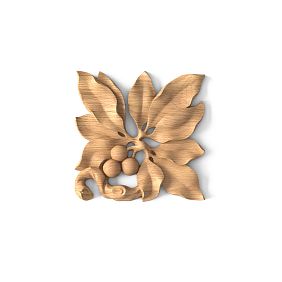
Wood is one of the most popular and versatile materials for creating red framing in interior design. Wooden moldings, cornices, baseboards, and door casings can be painted in various shades of red, creating a warm, cozy atmosphere.
Advantages of wooden trim:
- Naturalness and eco-friendliness
- Ability to create various profiles and shapes
- Good compatibility with other materials
- Ability to repaint when updating the interior is necessary
For creating red framing Various wood species can be used — from affordable pine to noble oak or exotic species. The choice depends on budget, interior style, and desired effect.
Polyurethane and polystyrene elements
Modern synthetic materials offer an affordable alternative to wood for creating red framing. Polyurethane and polystyrene moldings, cornices, and other decorative elements are easily painted in any shade of red and have several advantages:
- Light weight, simplifying installation
- Resistance to moisture and temperature fluctuations
- Wide selection of ready-made shapes and profiles
- Affordable price
These materials are especially suitable for modern interiors, where practicality and functionality are important.
Metallic elements
Metal is another material that can be used for creating red framing. Aluminum, steel, or copper profiles, painted red or with red anodizing, create a modern, technological look.
Advantages of metallic trim:
- High Strength and Durability
- Ability to create thin, elegant profiles
- Resistance to Mechanical Damage
- Modern, industrial look
Metal elements red framing look especially good in interiors in loft, high-tech, or industrial styles.
Textile solutions
Textile is a softer and warmer option for creating red framing In the interior. Red drapes with valances, textile borders, trimmings on cushions and furniture — all of this creates a cozy, comfortable atmosphere.
Advantages of textile framing:
- Softness and tactile pleasantness
- Ability to easily replace with the change of seasons or mood
- Good sound-absorbing properties
- Wide selection of textures and shades
Textile red framing Especially suitable in bedrooms, living rooms, and other living spaces where comfort and coziness are important.
Application of red framing in various interior elements
red framing Can be used to highlight and emphasize various architectural and decorative elements in the interior. Let's consider the main application options.
Framing of door and window openings
One of the most classic applications red framing – Highlighting door and window openings. Red casings, moldings, or portals around doors and windows immediately attract attention and become striking accents in the interior.
Depending on the style of the room, framing can be:
- Minimalist – simple straight lines for modern interiors
- Profiled – with various patterns and relief for classic styles
- Carved – with rich decoration for historical or ethnic interiors
Red window framing looks especially striking in contrast with white or light walls, creating a clear graphic composition.
Ceiling and wall moldings
red framing Can be used to highlight architectural elements on the ceiling and walls:
- Ceiling cornices and rosettes
- Wall moldings creating decorative panels
- Beads for pictures and mirrors
- Decorative friezes and borders
Red moldings on the ceiling can emphasize its height and create an interesting visual effect. On walls, red frames can be used to highlight zones or create decorative panels.
Baseboards and floor elements
red framing At floor level – a bold, yet effective solution. Red baseboards create a clear boundary between wall and floor, emphasize the geometry of the room, and can visually adjust its proportions.
Depending on the overall interior style, red baseboards can be:
- High and profiled – for classic interiors
- Low and minimalist – for modern minimalist spaces
- With integrated lighting – for high-tech interiors
Picture and mirror frames
Frames are another popular element for use red framing in interior design. Red frames for pictures, photographs, or mirrors instantly attract attention and make artworks even more expressive.
Red frames can be:
- Wide and richly decorated – for classic interiors and traditional art
- Thin and minimalist – for modern spaces and abstract art
- Unusual shapes – for eclectic or avant-garde interiors
A group of pictures in red frames can become the main accent in a neutral interior, creating a bright, dynamic composition.
Red framing in various interior styles
red framing can be organically integrated into interiors of various styles, but in each case it will play its own role and have its own features.
Classic Style
In classical interiors red framing is often used to highlight architectural elements and create an atmosphere of luxury and elegance. Here suitable are:
- Deep, saturated shades of red – burgundy, carmine, wine
- Profiled moldings and cornices with gold or patina
- Combination of red with white, cream, gold
- Symmetrical compositions and clear lines
Red elements in a classical interior often echo with textile of the same shade – curtains, upholstery, decorative cushions.
Modern minimalism
In minimalist interiors red framing is used more sparingly, but can create bright, graphic accents:
- Pure, bright shades of red – crimson, vermilion, tomato
- Minimalist, geometric shapes without unnecessary decoration
- Contrasting combinations with white, gray, black
- Asymmetrical compositions and unexpected solutions
In a minimalist interior, even a small element red framing can become the main accent and set the tone for the entire space.
Ethnic styles
In ethnic interiors – from Moroccan to Scandinavian – red framing can be used to create an authentic atmosphere and highlight cultural specifics:
- In Moroccan style – bright, saturated shades of red combined with blue, green, gold
- In Scandinavian – muted, warm shades of red as an accent in a light, neutral space
- In Russian style – vermilion and cherry shades combined with natural wood and traditional ornaments
In ethnic interiors red framing are often complemented by corresponding decorative elements – ornaments, patterns, traditional motifs.
Eclecticism and Fusion
In eclectic interiors combining elements of various styles, red framing it can play the role of a unifying element or unexpected accent:
- Various shades of red – from bright to muted
- Mixing different forms and textures
- Unexpected combinations with other colors and materials
- Play of contrasts and juxtapositions
In an eclectic interior red framing can become the element that ties disparate stylistic solutions into a single, harmonious composition.
Red framing in various rooms
Different rooms have their own specifics that must be considered when using red framing.
Living Room
Living room – ideal place for experimenting with red framing, as this space is intended for communication, entertainment, and creating impressions:
- Red moldings can highlight architectural features – niches, columns, arches
- Red frames for pictures and mirrors will create bright accents on walls
- Red framing around a fireplace or TV area will highlight the main focus of the room
- Red baseboards or ceiling moldings can become an unexpected but effective solution
In the living room red framing can be bolder and more saturated than in other rooms.
Bedroom
Bedroom red framing should be used more carefully, considering that this is a space for rest and relaxation:
- Better choose muted, calm shades of red – burgundy, terracotta, coral
- Red framing around the headboard of a bed can create a cozy focal point
- Red frames for photos or pictures will add a personal touch to the space
- Red elements can be combined with neutral tones to create a balanced composition
Bedroom red framing should create an atmosphere of intimacy and comfort, without overstimulating or irritating.
Kitchen and Dining Room
In the kitchen and dining room red framing can play on the stimulating properties of the color red, which is known to increase appetite:
- Red framing around kitchen cabinets or an island will create a dynamic accent
- Red frames for culinary posters or family photos will add a personal character
- Red moldings around the dining area will highlight it in an open space
- Red elements combine well with natural materials – wood, stone, metal
In the kitchen red framing can be brighter and more energetic, creating an atmosphere that encourages communication and enjoyment of food.
Children's room
In the child's room red framing can be used to create a bright, stimulating space, but taking into account the child's age:
- For toddlers, it is better to choose soft, warm shades of red – coral, tomato
- For teenagers, more saturated, energetic tones can be used – crimson, vermilion
- Red frames for children's drawings or posters will create an achievement gallery
- Red framing of play or study zones will help in zoning the space
In the child's room red framing should be cheerful and stimulating, but not visually overwhelming.
Techniques for creating and installing red framing
Installation and setup red framing requires certain skills and knowledge. Let's consider the main techniques and recommendations.
Material selection and preparation
Before starting work, it is necessary to properly select and prepare materials:
- Choosing the base – wood, polyurethane, polystyrene, or other materials depending on style and budget
- Choosing paint – for creating red framing it is better to use high-quality acrylic or alkyd paints with good coverage
- Surface preparation – sanding, priming, removing defects
- Tool preparation – brushes, rollers, painter's tape, measuring tools
It is important to choose materials suitable for the conditions of use – for example, moisture-resistant options are needed for humid rooms.
Painting techniques
For creating a quality red framing it is important to properly apply paint:
- Priming – applying primer suitable for the type of surface and paint
- Base coating – applying 1-2 layers of base red color
- Decorative techniques – if necessary, various decorative methods can be used:
- Patina treatment to create an antique effect
- Glazing for adding depth to the color
- Gilding for accentuating details
- Protective coating – applying varnish or another protective coating to increase durability
To achieve a rich red color, it often requires applying several layers of paint, especially if the base is dark or has a pronounced texture.
Mounting the frame
Installation red framing requires precision and care:
- Marking – careful measurement and marking of installation locations
- Surface preparation – cleaning, leveling, priming if necessary
- Mounting – depending on the material and weight of the trim:
- For lightweight elements – special adhesive or liquid nails
- For heavy elements – mechanical fastening (nails, screws, anchors)
- Joint treatment – filling gaps, spackling, touch-up painting
To create perfect angles when installing moldings and cornices, special miters are used, allowing precise cuts at the required angle.
Maintenance and renewal
red framing requires specific care to maintain brightness and attractiveness:
- Regular cleaning – removing dust with soft cloth or brush
- Periodic renewal – touch-up painting of scratches and damage
- Protection from fading – use paints with UV protection, avoid direct sunlight
- Renewal of protective coating – reapplying varnish or other protective coatings as needed
With proper care red framing can retain its attractiveness for many years.
Combination of red trim with other colors and materials
Effectiveness red framing depends largely on which colors and materials it combines with.
Classic color combinations
There are time-tested color combinations with red that always look harmonious:
- Red and white – classic, clean combination, creating a bright contrast and clear lines
- Red and black – dramatic, elegant combination, suitable for modern and avant-garde interiors
- Red and gold – luxurious, festive combination, ideal for classical and baroque interiors
- Red and gray – restrained, modern combination, where gray softens the brightness of red
These combinations can be used as a base when creating an interior with red framing.
Unexpected color solutions
To create more original and modern interiors, one can experiment with less obvious combinations:
- Red and blue – contrasting, dynamic combination, creating a bright, modern look
- Red and green – complementary combination, which can be very harmonious when the shades are properly chosen
- Red and purple – rich, saturated combination for creating luxurious, exotic interiors
- Red and turquoise – a fresh, unexpected combination that gives the interior a modern, creative character
When using such combinations, it is important to correctly choose shades and proportions to avoid visual chaos.
Combination with different materials
red framing interacts differently with various materials in the interior:
- Wood – red pairs well with natural wood, especially dark varieties (wenge, walnut) or, conversely, very light ones (maple, beech)
- Stone – red framing contrasts effectively with natural or artificial stone, especially light shades
- Metal – combining red with metallic surfaces (especially gold, brass, or aged copper) creates a luxurious, refined effect
- Glass – red framing for mirrors or glass elements creates an interesting play of reflections and refractions
Material selection should match the overall interior style and desired effect.
Psychological aspects of using red framing
When using red framing in the interior, it is important to consider its psychological impact on people in the room.
Influence on the perception of space
Red color can significantly influence the perception of space:
- Visually brings closer – red elements appear closer than they actually are
- Creates a sense of warmth – rooms with red accents are perceived as warmer
- Attracts attention – the gaze is primarily drawn to red elements
- May visually reduce space – excessive red can make a room appear smaller
These features can be used to adjust room proportions and create desired visual effects.
Influence on mood and behavior
red framing can have different effects on people's mood and behavior:
- Stimulates activity – may increase energy and productivity
- Stimulates appetite – in dining rooms and kitchens may enhance the desire to eat
- May cause excitement – in excess, it may lead to restlessness or even aggression
- Creates a festive feeling – associated with celebratory events and merriment
These effects should be considered when selecting spaces for use red framing and its intensity.
Dosage of red color
To achieve a positive effect from red framing it is important to properly dose its presence in the interior:
- In active zones (living room, kitchen) red may be present in greater amounts
- In relaxation zones (bedroom, relaxation area), red should be used more sparingly
- For children and elderly, red should be applied particularly carefully, as they may be more sensitive to its stimulating effect
- When family members have heightened sensitivity, it is better to choose muted shades of red and use them in minimal quantities
Proper dosage will allow you to achieve all benefits red framing without negative side effects.
Modern trends in the use of red framing
Interior design is a dynamic field, and trends in the use of red framing are constantly evolving.
Minimalism and graphic design
In modern interiors, there is a trend toward using red framing in a minimalist, graphic style:
- Clear, concise lines without excessive decoration
- Contrasting combinations with white, black, gray
- Use of red to highlight functional zones and elements
- Geometric shapes and patterns
This approach allows creating a modern, dynamic interior without overloading.
Ecological and natural properties
The trend toward eco-friendliness is also reflected in the use of red framing:
- Use of natural, eco-friendly materials — wood, clay, natural dyes
- Choosing muted, natural shades of red — terracotta, brick, rust
- Combining red with other natural colors and textures
- Use of traditional, artisanal manufacturing and finishing techniques
This approach creates a warm, cozy atmosphere with respect for nature and traditions.
Technological Innovations
Modern technologies open new possibilities for red framing in the interior:
- Integrated LED lighting that highlights red elements
- Smart materials that change the shade of red depending on lighting or temperature
- 3D printing for creating complex, unique framing shapes
- Augmented reality for visualizing various red framing options before implementation
These innovations allow creating more dynamic, interactive interiors with red framing.
Individualization and Personalization
A modern trend toward individualization is reflected in creating unique, personalized solutions red framing:
- Creating frames based on individual projects and sketches
- Integrating personal symbols, monograms, significant dates into the framing design
- Use of family heirlooms or vintage elements in a modern context
- Creating frames reflecting cultural heritage or the owner's personal interests
This approach allows creating a truly unique, personal interior that reflects the individuality of its inhabitants.
Conclusion
red framing – a powerful tool in the designer's and homeowner's arsenal. This vibrant, energetic element can radically transform a space, create focal points, highlight architectural features, and express individuality.
from classic interiors with rich burgundy moldings to modern minimalist spaces with graphic red accents – red framing finds its place in the most diverse styles and contexts.
When approached thoughtfully, considering the psychological impact of the color red, proper selection of shades, materials, and proportions, red framing it can become the element that transforms an ordinary room into an expressive, memorable space with character.
Experiment with different options red framing, combine it with various colors and materials, use it in different rooms – and you will uncover endless possibilities of this vibrant, dynamic design element.
The company 'Stavros' offers a wide range of solid wood products for creating magnificent red framing – moldings, cornices, skirting boards, and other decorative elements. High-quality materials, precision manufacturing, and attention to detail guarantee an outstanding result that will exceed your expectations and become a source of pride for years to come.