Article Contents:
- Introduction. The significance of wooden legs for a table
- History of wooden table legs
- Traditional methods of wood processing
- Revolution in design: from classic to modern
- Classic style
- Baroque style
- Modern minimalism
- Eco-style and rustic
- Art Deco and eclectic
- Choice of wood species
- Processing and joining technologies
- Finishing and decorative treatment
- Dining tables
- Work desks and office tables
- Coffee and end tables
- Restaurants and Cafes
- Selection criteria
- Care recommendations
- Innovative technologies and materials
- Ecological sustainability and development
- Personalization and Individual Design
- Classic dining tables
- Modern minimalist tables
- Eco-style and rustic
- Combined solutions for cafes and restaurants
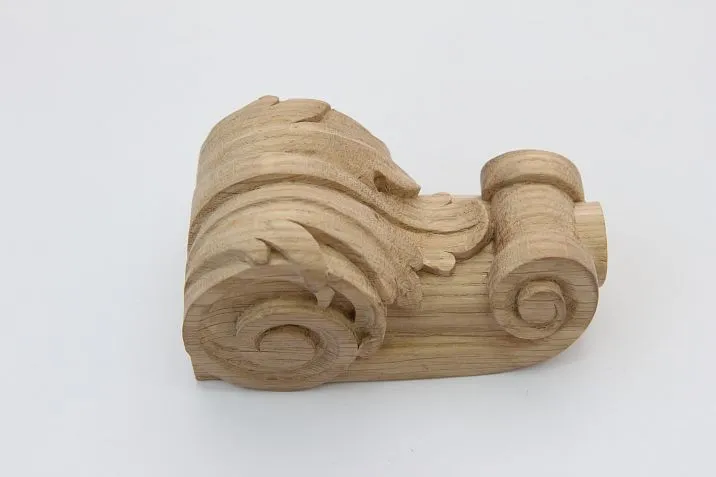
In modern furniture design, every structural element plays an important role, and table legs are no exception. They not only serve as support, but also become an expressive element capable of setting the tone for the entire interior. In this article, we will thoroughly examine the topic "beautiful wooden legs for a table." We will study the history of wooden table legs, discuss modern trends, talk about various styles, functionality, and aesthetics, and also provide practical advice on selection and care. Special attention will be given to such options as beautiful wooden legs for a table, table legs, Wooden legs for table andTable legs.
In this article, we will strive to cover all aspects of this multifaceted topic – from history and traditions to modern technological solutions and designer experiments. We will examine how to properly choose table legs, which wood species and finishes will help achieve the desired result, and how to combine them with various table and interior styles.


Introduction. The significance of wooden legs for a table
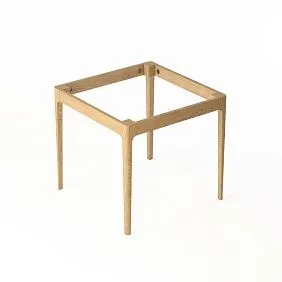
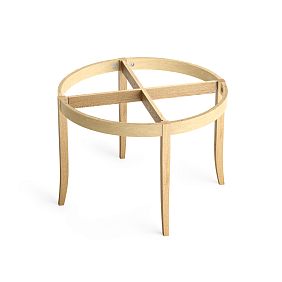
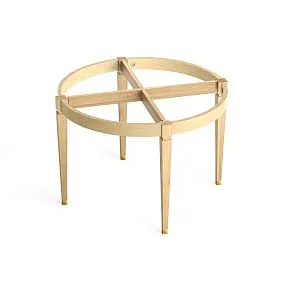
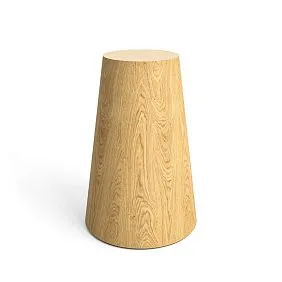
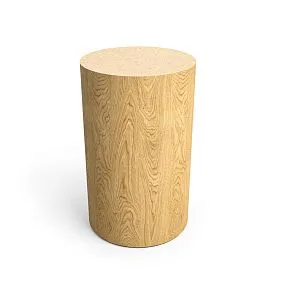
A table is a central element of any dining room, kitchen, or living room. But attention is not always paid to how its legs are made. Wooden legs for a table not only perform a utilitarian function, ensuring stability and reliability of the structure, but also become an expressive detail that can transform the appearance of the entire piece.
Using natural wood in finishing is not just a fashion statement. Natural material gives the table warmth, natural texture, unique wood grain pattern, and durability. That is why a beautiful wooden leg for a table becomes an indispensable part of luxury furniture, where design and functionality go hand in hand.




History of Wooden Table Legs
Our factory also produces:


Traditional Woodworking Methods
Working with wood is an ancient craft that traces its roots back to ancient times. The first wooden table legs were crafted using simple hand tools, and even then, craftsmen paid great attention to the aesthetics and durability of the piece. Ancient masters used traditional methods of planing, sanding, and carving to create legs capable of supporting the tabletop while simultaneously delighting the eye with refined ornamentation.
In medieval Europe, table legs were often adorned with carved patterns and ornaments, highlighting the owner's status. Hand carving allowed artisans to create unique details, each a small work of art. These traditions carried over into subsequent eras, and classical motifs and ornaments can still be seen in modern pieces.
Get Consultation
Revolution in Design: From Classicism to Modernism
With the development of technology and industrialization, methods of wood processing have significantly changed. Machines and modern tools emerged, enabling high-precision manufacturing of parts. However, despite technological progress, natural wood continues to be a favorite in furniture production. TodayWooden legs for table combine the best traditions of artisan craftsmanship with modern processing technologies, allowing the creation of high-quality items that withstand the test of time.
Variety of Styles and Designs
Classic style
Classic style is always associated with refined elegance, strict lines, and harmony of forms. Tables with classic wooden legs often feature carved details, ornate moldings, and symmetrical proportions. When choosingtable legs in the classic style, artisans prefer wood species such as oak or walnut, which possess expressive grain and rich color. These legs not only emphasize the solidity and prestige of the piece but also create an atmosphere of home comfort and stability.
Classic design allows for decorative elements—carving, inlay, gilding—that add charm and refinement to the piece. At the same time, it is important to maintain balance: each detail should harmonize with the overall table composition, without overloading it with unnecessary elements.
Baroque Style
Baroque is an era of opulence, luxury, and rich decorative solutions. Tables withbeautiful wooden table legs in the Baroque style are distinguished by complex ornamentation, scrolls, moldings, and refined carving. Such legs become true works of art, where every line and pattern emphasize the grandeur and elegance of the interior.
For manufacturing Baroque-style legs, artisans often use high-quality wood species—mahogany, walnut, or dark oak—which impart the piece with additional depth and richness of color. In such an executiontable legs not only serve as functional supports but also act as central decorative elements capable of transforming the entire furniture composition.
Modern minimalism
Modern interior design trends often lean toward minimalism and simplicity. In such interiors, table legs play the role of strict yet expressive lines. Simple geometric forms, absence of unnecessary details, and clean lines—these are characteristic of modernwooden table legs.
In minimalist solutions, functionality is key: legs must provide maximum table stability without weighing down the overall appearance of the piece. At the same time, artisans can use innovative joining and finishing methods to create an illusion of lightness and airiness. The clean, unadorned design of such legs harmonizes beautifully with modern materials such as glass or metal, enabling the creation of stylish combined constructions.
Eco-style and Rustic
Eco-style is a return to nature, using natural materials and traditional artisan methods. Tables withtable legs in the rustic style are made from unprocessed or minimally processed wood, allowing the preservation of the natural texture and color of the material.
In such solutions, table legs are often left with minimal polishing, emphasizing their organic nature and natural beauty. Artisan techniques such as hand carving and patination give the piece individuality. Eco-style is actively used in interiors where simplicity, naturalness, and harmony with nature are valued.
Art Deco and Eclecticism
Art Deco combines strict geometric forms with luxurious decorative elements. Within this style, table legs can be crafted from solid wood using glossy finishes, inlays, and even metallic elements. This approach allows creating unusual yet very stylish supports that become a central accent in the interior.
Eclectic solutions involve mixing different styles—for example, combining elements of modernism with those of classicism or Baroque. This allows artisans to experiment with forms, materials, and textures, creating unique and memorable pieces.table legs In the Art Deco style, they can become a striking element of any furniture, giving it individuality and a unique character.
Technical Features of Manufacturing Table Legs
Choice of Wood Species
Key Moment in Creatingwooden table legs – is the choice of wood species. Different species have their unique properties:
● Oak – distinguished by high strength, resistance to mechanical damage, and expressive texture. Oak legs give the table solidity and elegance.
● Walnut – valued for its rich dark color, refined texture, and elegant appearance. Walnut legs are often used in classical and art-deco styles.
● Ash – has a light, almost golden hue and strength, making it ideal for minimalist and modern designs.
● Mahogany – used to create luxurious baroque-style items, thanks to its rich texture and warm color.
Each wood species requires a special approach to processing and finishing, which affects the final appearance of the product. When selecting material, it is important to consider not only aesthetic characteristics, but also mechanical strength, resistance to changes in external conditions, and the possibility of further processing.
Processing and Joining Technologies
Modern technologies allow achieving high precision in manufacturing table legs. Among the most popular processing methods are:
● Laser cutting and milling. These methods allow creating complex geometric patterns and decorative elements that are difficult to reproduce manually. Laser processing is especially in demand in producing art-deco and modern minimalist items.
● Hand carving. A traditional technique requiring high skill. Hand carving allows each leg to have individuality and uniqueness. It is precisely due to this that classical and baroque items retain their uniqueness.
● Sanding and polishing. Special sanding machines are used to achieve perfect surface smoothness, and subsequent polishing gives the item a shine and highlights the natural wood texture.
● Joining parts. The reliability of the structure depends on the quality of connections. Both traditional methods – adhesive joints, dovetail joints – and modern fasteners are used, which ensure maximum stability and longevity of the table.
Each technology requires precise adherence to technological processes, which affects both the appearance and functional characteristics of the item. It is precisely the combined application of modern and traditional processing methods that makesTable legs not only beautiful, but also reliable.
Finishing and decorative treatment
Decorative Finishing – this is the final touch that transforms ordinary table legs into a work of art. There are many ways to finish wood:
● Lacquering. Lacquers not only protect the surface but also highlight the natural beauty of wood. They can be glossy or matte, depending on style and preference.
● Oil finish. Natural oils penetrate into the wood structure, emphasizing its texture and giving the item a warm, natural sheen.
● Waxing. Wax creates a protective layer that prevents moisture and contamination, and also adds an elegant softness to the item.
● Inlay and carving. Using decorative elements such as metal inserts, stones, or intricate carving allows achieving unique decorative effects. Such solutions are especially in demand in classical and baroque styles.
The correct choice of finishing depends on the style of the tabletop, the overall interior, and functional requirements for furniture. In this case, each detail matters – it is precisely this detail that can become the unique feature of the entire item.
Application of Wooden Legs for Tables in Various Types of Furniture
Dining Tables
dining table – a central element of any dining room, andbeautiful wooden legs for a table can dramatically transform its appearance. In classical execution, dining tables are often equipped with massive legs with rich carving, emphasizing the solidity and traditionalism of the interior. Such tables are ideal for family dinners, formal lunches, and celebrations, creating an atmosphere of warmth and coziness.
Modern solutions in minimalist style use simple but strikingtable legsthat give the item lightness and a modern look. Such tables fit perfectly into open-plan interiors, where the emphasis is on functionality and simplicity of forms.
Work tables and office tables
In an office interior, furniture must be not only stylish but also functional. Wooden legs for tables, designed in a modern style, can be an excellent choice for creating a cozy and comfortable working space. Using natural wood in combination with minimalist lines allows creating tables that will please the eye and promote productive work.
Ergonomic design plays an important role: reliable {count} ensure stability and longevity, which is especially important under constant use. In offices, combined solutions are often used, where wooden elements are combined with metal or glass inserts, creating a modern and stylish look.Table legs Coffee and cocktail tables
Coffee tables and cocktail tables are an indispensable part of the living room, where every detail matters. Here {name} can serve as a bright accent. Designers often experiment with shapes — from rounded legs to geometrically strict constructions. Such diversity allows selecting the perfect solution for any interior — whether classic, modern, or art deco.
Coffee and cocktail tables are an indispensable part of the living room, where every detail matters. Here {name} can serve as a bright accent. Designers often experiment with shapes — from rounded legs to geometrically strict constructions. Such diversity allows selecting the perfect solution for any interior — whether classic, modern, or art deco.Wooden legs for table Coffee and cocktail tables are an indispensable part of the living room, where every detail matters. Here {name} can serve as a bright accent. Designers often experiment with shapes — from rounded legs to geometrically strict constructions. Such diversity allows selecting the perfect solution for any interior — whether classic, modern, or art deco.
Restaurants and cafes
In public establishments, where both aesthetics and practicality are important, using wooden legs for tables becomes a practical solution. Reliable and long-lasting {count} made from solid wood can withstand intensive use, while the aesthetic component of the item adds charm and coziness to the establishment. Classic variants with rich carving and decorative elements fit perfectly into establishments with retro or vintage decor.table legs In public establishments, where both aesthetics and practicality are important, using wooden legs for tables becomes a practical solution. Reliable and long-lasting {count} made from solid wood can withstand intensive use, while the aesthetic component of the item adds charm and coziness to the establishment. Classic variants with rich carving and decorative elements fit perfectly into establishments with retro or vintage decor.
Practical tips for selection and care
Selection criteria
When selecting legs for a table, consider the following parameters:
- Strength and stability. Supports must withstand the weight of the tabletop and loads arising from daily use.
- Aesthetics and style. Legs must harmonize with the overall style of the table and interior. Decide whether you prefer classic carving, minimalist design, or lavish Baroque-style decoration.
- Wood species. Choosing the species affects not only the appearance but also the longevity of the item. Pay attention to species such as oak, walnut, beech, or mahogany.
- Processing and finishing methods. Pay attention to the quality of processing: surface smoothness, precision of carving, even application of varnish or oil.
- Functionality and ergonomics. Consider how the selected legs fit into the table's construction — aesthetics are important, but so is practicality, as well as ease of installation and disassembly if needed.
Care recommendations
To ensure wooden legs for tables last for many years, it is recommended to follow several simple care rules:
● Regular cleaning. Wipe the surface with a soft dry or slightly damp cloth. Avoid using aggressive cleaning agents that may damage the lacquer finish.
● Polishing and oiling. To maintain the natural texture and gloss of the wood, periodic treatment with natural oils or wax is recommended.
● Humidity control. Avoid sudden changes in temperature and humidity, which will help prevent deformation and cracking.
● Protection from direct sunlight. Ultraviolet rays can negatively affect the color and texture of the wood, so it is recommended not to place furniture in direct sunlight.
Trends and prospects for the development of table leg design
Innovative technologies and materials
With each passing year, new technologies emerge, allowing for even more refined products. The use of computer modeling, laser cutting, and modern materials enables not only preserving traditional craftsmanship techniques but also incorporating innovative elements into design. Such developments allow creating lightweight, strong, and aesthetically appealing {count} that can be adapted to any requirements.table legsWith each passing year, new technologies emerge, allowing for even more refined products. The use of computer modeling, laser cutting, and modern materials enables not only preserving traditional craftsmanship techniques but also incorporating innovative elements into design. Such developments allow creating lightweight, strong, and aesthetically appealing {count} that can be adapted to any requirements.
Ecological Sustainability
In the context of global attention to ecology, the use of natural wood becomes increasingly relevant. Eco-friendly materials, environmentally safe production, and sustainable use of forest resources — all of these influence the popularity of solid wood products. Wooden legs for tables manufactured according to sustainable development principles not only decorate interiors but also contribute to creating a healthy environment.
Personalization and individual design
Modern clients increasingly prefer unique, custom-designed items. Personalization has become an important component of contemporary furniture design, where every detail can be made to order. This allows creating tables that fully reflect the owner’s personal taste and style. {name} in such an execution becomes an exclusive interior element.a beautiful wooden leg for a table Modern clients increasingly prefer unique, custom-designed items. Personalization has become an important component of contemporary furniture design, where every detail can be made to order. This allows creating tables that fully reflect the owner’s personal taste and style. {name} in such an execution becomes an exclusive interior element.
Examples of successful projects and real solutions
Classic dining tables
In the interiors of elite homes, classic dining tables with massive wooden legs are often encountered. Such tables are distinguished not only by strength and durability but also by refined design. Masters use traditional carving techniques, adding moldings and decorative inlays. The result is a table that looks not only solid but also elegant, highlighting the high status of the owner.
Modern minimalist tables
In the interiors of modern offices or apartments designed in a minimalist style, preference is given to simple, concise forms. Here,Wooden legs for table they feature clean lines and lack of unnecessary decorative elements. Such solutions allow creating a light, airy look while ensuring the necessary strength and stability of the structure. Masters achieve an ideal balance between functionality and aesthetics, using modern wood processing methods.
Eco-style and Rustic
Combined solutions for cafes and restaurants
Combined solutions for cafes and restaurants
In public establishments where both aesthetics and practicality are important, tables withtable legsmade from strong wood species are used. Such solutions can withstand intensive use while maintaining a stylish appearance. In cafe and restaurant interiors, combined materials are often used — wooden elements combined with metal inserts or glass tops, creating a dynamic and modern look.
Practical recommendations for selecting suppliers and ordering
When purchasing or ordering table legs, it is important to choose proven suppliers and manufacturers who can guarantee the quality and durability of the product. Here are some tips:
- Review the portfolio. Familiarize yourself with the manufacturer's previous work, pay attention to finishing details, processing quality, and overall design style of the products.
- Clarify materials. Request information about the wood species, processing methods, and finishes used (such as varnishes or oils). This will help assess the product's durability and eco-friendliness.
- Check reviews. Study reviews from customers who have already purchased similar items. This will help form an objective view of the product's quality.
- Discuss individual preferences. If you wish to order legs with a unique design, do not hesitate to discuss details — professionals are always ready to customize the product to meet your requirements.
- Compare prices and conditions. Choose a supplier offering the best price-to-quality ratio, as well as guaranteeing after-sales service and support.
Conclusion
Beautiful furniture begins with small details, andbeautiful wooden legs for a table — one of the elements that can change the entire appearance of the item. From classic carved models to minimalist modern constructions — choosing wooden table legs offers limitless opportunities for creativity and functional design.
Natural wood used in manufacturing table legs provides the items not only with aesthetics, but also strength, durability, and eco-friendliness. It can harmoniously fit into any interior — from classic to modern, from rustic to art deco. Modern technologies and traditional craftsmanship allow creating items that are true works of art, reflecting the individual style and taste of the owner.
When choosing table legs, it is important to consider all aspects — from wood species and processing methods to decorative elements and overall composition of the item. Proper care of wooden legs extends the furniture's lifespan and preserves its original appearance for many years.
Thus,table legs Made of natural wood — these are not just functional elements, but important details capable of setting the tone for the entire interior. They become a kind of signature of the table, drawing attention with their quality, unique design, and rich history. Investing in quality table legs creates not only beautiful, but also long-lasting furniture that will delight you and your loved ones for many years.
Regardless of the style you prefer — classic, baroque, minimalism, or rustic — wooden table legs can highlight the individuality of the interior and add elegance. Their rich texture, natural sheen, and unique wood grain patterns make each item unique, while functionality and strength guarantee stability and durability of the structure.
We hope this article has helped you better understand the nuances of selecting and manufacturingwooden table legs, and inspired you to create or purchase furniture that will become a true decoration of your home or office. After all, every detail matters, and it is precisely these details that form a complete picture — a picture of your unique interior, where every small detail contributes to creating an atmosphere of comfort, style, and coziness.
Let your tables be not just functional elements, but centers of attraction, where family and close friends gather. Choose qualityTable legs, pay attention to details, and your home will be filled with warmth, harmony, and aesthetic pleasure.
Thus, wooden table legs are a synthesis of tradition and innovation, where every element is thought out in detail. They are an essential part of furniture design, capable of changing the perception of the interior and giving it a unique character. Regardless of the chosen style, whether strict classicism, luxurious baroque, modern minimalism, or cozy eco-rustic, qualitytable legs made of natural wood will always distinguish themselves by strength, durability, and unique aesthetics.
1,188.85 $ р.