Article Contents:
- Introduction to the World of Wooden Ideas
- History and Significance of Wood in Design
- Traditional methods of wood processing
- Modern Trends in Woodworking
- Wooden Furniture as Art
- Decorative Wooden Elements
- Use of Applied Decor for Walls and Furniture
- Application of Baseboards and Crown Molding
- Eco-Friendly and Sustainable Solutions
- Digital Processing Technologies
- Combining wood with other materials
- Handcrafted Furniture
- Accessories and Decorative Elements
- Use of Applied Decor for Walls and Furniture
- Application of Baseboards and Crown Molding
- Stages of Design and Idea Development
- Selecting Materials and Tools
- Practical Recommendations for Beginner Craftsmen
- Wooden Accents in the Living Room
- Loft-Style Interior with Wooden Elements
- Wooden Office Solutions
- Decor for Kitchen and Dining Room
- Ecological sustainability and development
- Innovative Technologies and Digital Design
- Combining Traditions and Modern Trends
- Workshops and Courses: Creating Wooden Souvenirs Yourself
- Humidity and temperature control
- Protection from sunlight
- Handcrafted Author's Furniture
- Decorative Wall Panels
- Combined Solutions for Offices
- Art Objects and Sculptures
- Transformable Furniture
- Interactive Decor
- Project Planning
- Material Selection and Preparation
- Project implementation
- Tips for Improving Results
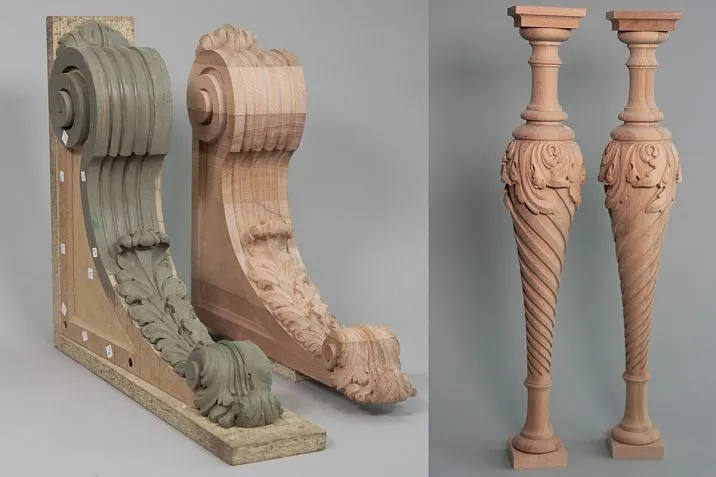
Wood is not just a natural material—it is a source of inspiration for creating unique and functional interior items. In this article, we will thoroughly examine how wood can be used to bring the boldest design ideas to life, creating not only furniture but also decorative elements, accessories, and even architectural solutions. We will delve into history, processing technologies, modern trends, and share practical tips for those who wish to try their hand at this fascinating craft. This article is intended for enthusiasts of handcraft, interior designers, and anyone seeking unconventional and creative solutions using wood.


Introduction to the World of Wooden Ideas
Wood has always held a special place in art and design due to its natural beauty, warmth, and durability. Historically, it was used to create both utilitarian and decorative objects. In today’s world, where the focus shifts toward eco-friendliness and natural materials, wooden ideas are regaining popularity. Today, we will explore how modern technologies and traditional methods can be used to create true works of art capable of transforming any interior.
This article is divided into several sections, each covering a separate aspect of working with wood. We will examine the history of wood usage, modern processing methods, innovative projects, and provide practical examples for home and office applications. Detailed descriptions of stages, material selection recommendations, and tips from masters will give you a complete understanding of how to transform ordinary wood into something entirely unique.




History and Significance of Wood in Design
Our factory also produces:


Traditional Woodworking Methods
The history of working with wood dates back thousands of years. In ancient times, craftsmen used primitive tools, but even then, wood had already become the primary material for creating furniture, dwellings, and decorative elements. Carving, inlay, and engraving—these techniques evolved over time and were passed down from generation to generation.
Traditional processing methods allowed artisans to create unique patterns reflecting the cultural traditions of peoples where wood played not only a utilitarian but also a symbolic role. Wood became a carrier of history, and every item, whether a carved table or an ornate door panel, told its own unique story. This experience is still used to create items valued for their individuality and authenticity.
Get Consultation
Modern Trends in Working with Wood
Modern technologies have significantly expanded the possibilities of working with wood. Today, artisans use laser cutting, digital modeling, and specialized equipment to create complex patterns and structures previously inaccessible with traditional tools. Such innovations allow for high precision and repeatability, which is especially important when mass-producing designer solutions.
In addition to technical achievements, modern interior design trends also play an important role. In the era of minimalism and eco-living, natural materials, especially wood, have become symbols of comfort and coziness. In this context, wooden ideas acquire a new sound: they combine traditional craftsmanship methods with modern design solutions capable of transforming any home.
Application of Wood in Interior Decoration
Wood is a material that easily adapts to any task. It can be used not only for creating furniture but also for decorating walls, floors, and ceilings, creating original decorative elements and accessories. In this section, we will examine the main directions of using wood in interior design.
Wooden Furniture as a Work of Art
Wooden furniture has always been a symbol of quality and durability. Handcrafted work, attention to detail, and the use of natural materials give each item a unique charm. In modern interiors, wooden furniture often becomes a central element around which the overall style of the room is formed.
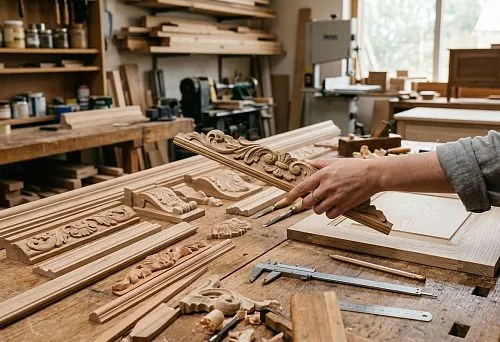
Artisans create tables, chairs, cabinets, and chests that are not only functional but also true works of art. Special attention is paid to finishing: varnishes, oils, and natural paints allow highlighting the texture and natural beauty of wood. Every line, every carved detail carries the warmth and soul of the artisan.
Decorative Wooden Elements
Decorative elements made of wood are no less important in interior design. They can create an atmosphere of coziness and warmth, adding individuality to any space. Examples of such elements include:
● Carved panels and inserts
● Decorative frames for mirrors and paintings
● Sculptures and figurines
● Wall clocks and shelves
Modern designers also actively experiment with wood forms and textures, creating unique solutions that can be used as interior accents. For example, original wooden lamps or combined structures combining wood with metal or glass attract attention and become a source of pride for owners.
Application of Applied Decor for Walls and Furniture
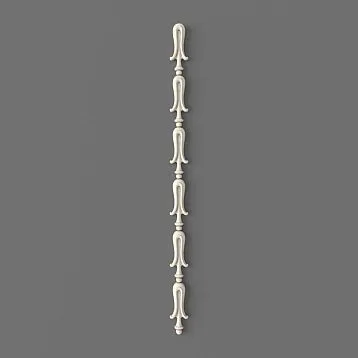
For creating striking interiors, decorative elements such asapplied decor for walls and furnitureThese decorative panels allow quickly and with minimal effort to transform a space, giving it an elegant and modern look. They can be made in various styles—from classic to high-tech—making them a universal tool for designers.
Applied decor does not require major renovation and can be used in both residential and commercial interiors. It is an excellent solution for those who want to refresh a space without resorting to expensive renovation work.
Application of Baseboards and Crown Molding
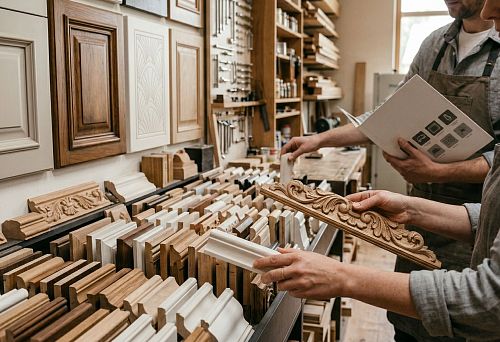
Wooden decorative elements such aswooden skirting boards, wooden cornicesThey play an important role in creating a finished interior image. They not only perform practical functions, hiding joints and seams, but are also decorative elements capable of highlighting the style of the room.
Modern trends involve using cornices and skirting boards with various decorative elements that give space individuality. Such elements can be combined with other materials, creating a harmonious and stylish interior. It is important to remember that a properly chosen decorative element can transform even the simplest interior.
Innovative projects and ideas in wood
The modern world of design offers a multitude of innovative ideas that allow using wood in the most unexpected and creative solutions. Let's consider a few examples of such projects.
Ecological and sustainable solutions
In the context of growing environmental awareness, using natural materials has become a priority for many designers. Wood is one of the most ecological materials, which, when properly used, does not harm the environment. Today, masters actively use wood sourced from sustainable sources, allowing them to create items that are not only beautiful but also ecological.
Ecological design implies minimal use of chemical substances in wood processing. Natural oils, waxes, and varnishes allow preserving the natural properties of the material and creating a healthy atmosphere in the room. Such solutions are applied in interiors of homes, cafes, offices, and even public spaces.
Digital processing technologies
The introduction of modern technologies, such as laser cutting and 3D modeling, allows creating incredibly complex and detailed structures. Digital wood processing opens new horizons for designers: now it is possible to create patterns that previously seemed impossible.
Laser cutting allows achieving high precision and repeatability, which is especially important when creating batch products. 3D modeling helps visualize the final result even before starting work, significantly reducing time and minimizing the risk of errors. These technologies have become an indispensable part of modern wooden design and allow masters to bring the most daring ideas to life.
Combining wood with other materials
Another innovative trend is combining wood with other materials, such as metal, glass, concrete, and even plastic. Such combinations create an interesting contrast, highlighting the unique properties of each material. For example, wooden panels combined with metal frames or glass inserts can become true works of art.
Combined design allows experimenting with textures and colors, creating original compositions. Masters actively use this technique in interiors of modern homes, where the play of light, shadows, and textures is important. Such solutions can be used not only for furniture but also for wall, ceiling, and floor decoration, opening up wide opportunities for creative experimentation.
Practical ideas for home and office
Inspiration can be found in the most diverse projects, whether it's a small interior detail or a large-scale architectural solution. Below are several practical ideas that will help you create unique wooden objects for home and office.
Handmade furniture
Creating furniture by hand is not only an opportunity to save money, but also a chance to create a unique item reflecting your style and taste. Handmade work allows achieving high detail, and each piece of furniture becomes unique due to the individual approach of the craftsman.
You can create tables, chairs, chests, bookshelves, and even beds. At the same time, it is important to pay attention not only to aesthetics but also to functionality. Using natural oils and varnishes will protect the wood and highlight its beauty, while unique carved elements will add charm to the furniture.
Accessories and Decorative Elements
Besides furniture, wood can be used to create various accessories capable of transforming the interior. These can be stylish photo frames, original book stands, wall clocks, decorative vases, and much more. Each element can be made taking into account the specifics of your interior, highlighting its uniqueness and individuality.
Do not forget about small details: decorative handles, inserts, even decorative elements for furniture — all of these can contribute to creating a harmonious space. Experiment with shapes, textures, and colors, combining wood with other materials to achieve the best result.
Application of Applied Decor for Walls and Furniture
As mentioned earlier,applied decor for walls and furniture — is an excellent way to add elegance and style to the interior. Such decorative panels can be used to decorate walls, doors, cabinets, and even ceilings. They allow quickly updating the appearance of a room and creating a unique atmosphere without resorting to major renovations.
Effective design of surface-mounted decor allows highlighting architectural features, emphasizing separate zones in the room, and creating a sense of depth and space. These elements are especially popular in modern interiors, where the play of light, textures, and color accents is important.
Application of Baseboards and Crown Molding
. These elements not only perform a practical function, hiding joints between walls and floor or ceiling, but also become important decorative accents. Properly selected cornices and skirting boards can transform the interior, making it more cohesive and finished.wooden skirting boards, wooden cornicesToday, there are various options for finishing — from classic models with carved ornaments to minimalist constructions with clean lines. The choice depends on the overall style of the room and personal preferences. Such details are usually used in combination with other wooden decor elements, allowing to create a harmonious and balanced space.
Today there are various finishing options – from classic models with carved ornaments to minimalist constructions with clean lines. The choice depends on the overall style of the room and personal preferences. Such details are typically used in combination with other wooden decor elements, allowing to create a harmonious and balanced space.
Creative process: from idea to implementation
Creating a wooden project is a multifaceted process that includes several stages. From the initial concept to the final result, each step requires attention, patience, and professionalism. Let's examine in detail the main stages of working on wooden projects.
Stages of design and idea development
Any successful idea begins with a concept. At this stage, it is important to form a clear understanding of the result you want to achieve. Planning includes:
● Researching trends and seeking inspiration. Viewing works of masters, studying architectural and design solutions helps determine which ideas resonate with you.
● Creating sketches and drawings. Sketches and schematics allow you to visualize your future project, determine dimensions, proportions, and placement of decorative elements.
● Choosing a style. Wood pairs well with both classic and modern design. Decide which style will dominate your project, whether rustic, high-tech, minimalism, or something else.
Material and tool selection
After approving the concept, move on to selecting materials. The key factor is wood quality, which directly affects the durability and appearance of the item. When choosing materials, pay attention to:
● Wood species. Different species have unique properties: oak and beech for classic items, pine for more economical projects, and exotic species for exclusive solutions.
● Processing tools. The modern market offers a wide range of equipment for working with wood: from traditional planes and chisels to laser cutters and routers. Select tools based on the complexity and scale of your project.
● Finishing materials. Natural oils, varnishes, and paints not only protect the wood but also highlight its natural texture. Use eco-friendly products to maintain the item’s eco-friendliness.
Practical recommendations for beginner craftsmen
If you are just starting your journey in the world of wooden craftsmanship, it is important to follow several rules:
● Don't be afraid of mistakes. Every experience is a step toward mastery, and even failures will help you understand what can be improved.
● Learn from professionals. Attend workshops, study video lessons, and interact with experienced craftsmen.
● Start with small projects. Gradually increase complexity — from simple items like photo frames or small shelves to larger projects.
● Pay attention to details. When working with wood, small nuances matter: perfectly finished joints, evenly applied finishes, and precise connections — all of these affect the final result.
● Experiment with finishes. Use different textures and colors, combine natural wood tones with bright accents to create contrasting effects.
Wooden ideas for creating a unique space
When it comes to creating an interior, wood offers limitless creative possibilities. Below are several project examples that will inspire you to start creating.
Wooden accents in the living room
The living room is the heart of any home, and using wood in this space can create an atmosphere of warmth and coziness. Consider creating:
● Decorative panels or wall cladding using carved elements.
● An exclusive coffee table, handcrafted with a unique ornament.
● A wall shelf where every detail reflects individuality and craftsmanship.
● Usingoverlay decoration for walls and furniture will be an excellent solution for creating an accent wall.
Interior in the 'loft' style with wooden elements
Industrial style and loft aesthetics pair beautifully with natural wood elements. Open spaces, high ceilings, and large windows create ideal conditions for incorporating wooden structures:
● Creating wooden partitions that not only zone the space but also add a unique charm to the interior.
● Using wood in furniture design — from solid tables to unconventional shelves.
● Applying wooden cornices and skirting boards to complete the room’s look.wooden skirting boards, wooden cornices will help give the interior a finished look and emphasize individuality.
Wooden office solutions
Workspaces can also become places to realize creative ideas. Wooden elements in the office help create a comfortable and cozy atmosphere:
● Custom-made wooden tables and chairs with ergonomic design.
● Decorative wall panels that not only beautify the office but also help with sound insulation.
● Unconventional storage solutions for documents and personal items — original wooden cabinets, shelves, and organizers.
Kitchen and dining room decor
The kitchen is a place where the family gathers, and using natural materials such as wood can create a warm and homey atmosphere:
● Handcrafted wooden tables, chairs, and buffets.
● Decorative inserts that can be used to decorate kitchen doors and walls.
● Use of wooden accessories such as spice racks, cutting boards, and photo frames to create a cohesive look.
Modern trends and the future of wooden design
Ecological Sustainability
Modern society increasingly seeks eco-friendly materials and technologies. Wood, as a natural material, is an excellent alternative to synthetic materials such as plastic and artificial composites. Sustainable use of wood certified to international standards contributes to environmental conservation and maintaining ecological balance. Craftsmen and designers are increasingly choosing eco-friendly processing methods, minimizing chemical use and preferring natural finishes and oils.
Innovative Technologies and Digital Design
Innovative technologies such as laser cutting, 3D modeling, and digital printing open new horizons for designers. These tools allow creating complex patterns, combining materials, and achieving high precision in every detail. In the future, we can expect that integrating digital technologies with traditional woodworking methods will lead to the emergence of new, previously unseen forms and structures.
Combining traditions and modern trends
One of the main features of modern wooden design is the harmonious combination of traditional craftsmanship techniques and modern design solutions. Wood carving, inlay, and handcrafting techniques passed down through centuries combine with the minimalism and functionality of modern design. Such symbiosis allows creating items that not only possess high aesthetic value but also meet all requirements of modern comfort and practicality.
Care Tips for Wooden Items
To ensure wooden items retain their original appearance and serve for many years, proper care is essential. Here are some recommendations to help preserve the beauty and longevity of wooden items:
Regular cleaning and polishing
Wood requires regular care — soft cloths and specialized care products will help remove dust and dirt without damaging the item’s surface. Periodic polishing with natural oils or waxes will help maintain the luster and protective layer.
Humidity and temperature control
Wood is sensitive to temperature and humidity fluctuations. It is important to create optimal storage and usage conditions for items. Using humidifiers or dehumidifiers, as well as maintaining stable room temperature, will help prevent warping and cracking.
Protection from sunlight
Ultraviolet rays can negatively affect the color and structure of wood. When exposed to direct sunlight for prolonged periods, it is recommended to use special coatings or move items into the shade.
Examples of successful wooden projects
To inspire, it is useful to review examples of successful projects implemented by both professionals and amateur enthusiasts. These success stories demonstrate that creativity and attention to detail can transform ordinary wood into true masterpieces.
Handcrafted custom furniture
In one project, a talented craftsman created a unique dining table from solid oak, using traditional carving techniques and modern sanding methods. Every detail of the tabletop, every carved line told a story of craftsmanship and love for natural materials. Such a table became not only the centerpiece of the dining area but also an artwork that impressed guests.
Decorative wall panels
In another project, the designer usedapplied decor for walls and furniture to create an accent wall in a modern apartment. The combination of various wood textures and shades, achieved through laser cutting, produced an effect of depth and dynamism. The resulting interior was recognized for its boldness and original design solutions.
Combined solutions for offices
In corporate spaces, projects integrating wooden elements into office design have been successfully implemented. Custom-made wooden furniture systems, partitions, and accessories not only created a warm and cozy atmosphere but also improved ergonomic and functional aspects of the workspace. Using wooden cornices and baseboards completed the interior look, adding touches of traditional craftsmanship to the modern office.
Creativity without boundaries: new ideas and perspectives
Working with wood is an endless source of ideas for creative individuals. Each piece is not just interior decor, but the result of meticulous work filled with individuality and the soul of the craftsman. Here are several directions in which you can continue experimenting with wood:
Art Objects and Sculptures
Creating sculptures and art objects from wood allows artists and designers to realize the boldest concepts. Such works can become central elements in both public spaces and private collections.
Transformable Furniture
The modern pace of life demands furniture that is functional and versatile. Wood-based ideas allow creating furniture that easily transforms: foldable tables, chairs that become shelves, and even multifunctional storage systems. These solutions are especially relevant for small apartments, where every square centimeter counts.
Interactive Decor
With the development of technology, opportunities arise to create interactive wooden objects. These can be interior elements equipped with LED panels, touchscreens, or even integrated smart home systems. Such solutions combine traditional craftsmanship with modern technologies, creating unique and functional objects.
Practical Steps to Realize Your Ideas
Let’s move to concrete steps that will help you bring any wood-related idea to life. These recommendations suit both beginners and experienced craftsmen.
Project Planning
- Define your goal: Clearly formulate what you want to create — whether it’s furniture, a decorative element, or an art object.
- Research and inspiration: Review the works of other craftsmen, study modern trends, and find ideas you can adapt to your needs.
- Create sketches: Draw several variations, determine the shape, proportions, and details. This will help visualize the final result and identify potential issues before starting work.
Material Selection and Preparation
- Choose wood: Determine which wood species is best suited for your project. Consider the material’s properties: texture, strength, and resistance to external factors.
- Processing: Before starting work, wood must be properly prepared — cut, planed, sanded, and, if necessary, allowed to dry.
- Tools and Supplies: Ensure you have all necessary tools — saws, planes, sanders, adhesives, varnishes, and paints.
Project Implementation
- Follow the plan clearly: Work step by step, paying attention to each detail. It’s important not to rush to avoid mistakes that are hard to fix later.
- Quality Control: Check the quality of work at each stage. This will help preserve the integrity of the structure and achieve the desired aesthetic effect.
- Final Finishing: Use high-quality finishing materials to protect and highlight the natural beauty of the wood. Regular care of the item will ensure its longevity.
Tips for Improving Results
- Learning and Practice: The more you practice, the better your skills will become. Don’t be afraid to experiment, learn from masters, and attend workshops.
- Attention to Details: When working with wood, every small detail matters — from proper surface treatment to precise application of finishing coatings.
- Creative Approach: Let each of your works reflect your individuality. Don’t be afraid to introduce new ideas and experiment with forms and textures.
Conclusion
Working with wood opens up boundless creative possibilities before us. Beautiful wood ideas are not only aesthetically pleasing items, but also the result of deep understanding of the material, craftsmanship, and innovative technologies. From traditional carved panels to modern furniture systems, each project can inspire and transform space, making it cozy, functional, and unique.
In this article, we reviewed the history of working with wood, traditional and modern processing methods, as well as practical examples of successful projects. We discussed how, using elements such asapplied decor for walls and furniture andwooden skirting boards, wooden cornicesyou can create a harmonious and stylish interior. We shared practical tips that will help bring even the boldest ideas to life.
Each stage of work — from planning to final finishing — requires attention to detail, patience, and professionalism. However, the result is worth it: wooden items not only delight the eye but also bring warmth, comfort, and an atmosphere of genuine authenticity. In an era when art and technology unite, wood becomes a material of the future, capable of preserving its unique value for centuries.
We encourage you not to fear experimentation, learning, and mastering this noble craft. Let each of your wooden ideas reflect your soul, creative energy, and love for beauty. Create, experiment, be inspired by masterworks, and remember that every detail matters. For it is precisely from small details that a grand picture emerges — the picture of your unique and cozy world.
Thus, beautiful ideas from wood are not just projects or crafts, but a lifestyle, a way to express your individuality and bring a little warmth, harmony, and aesthetic pleasure into the world. May your creativity be bold, and each new project successful and inspiring!