Article Contents:
- Advantages of wooden staircases to the second floor
- Natural beauty and individuality
- Ecological and durable
- Warmth and coziness
- Staircase posts
- Staircase balusters
- Staircase handrails
- Newel post
- Classicism and Traditional Motifs
- Modern minimalism
- Eclecticism and creative approach
- 1. Planning and design plan
- 2. Choosing High-Quality Materials
- 3. Installation and mounting
- 4. Decoration
- 5. Protective coating
- 6. Regular maintenance
- Classic Interior
- Modern minimalism
- Eclectic style
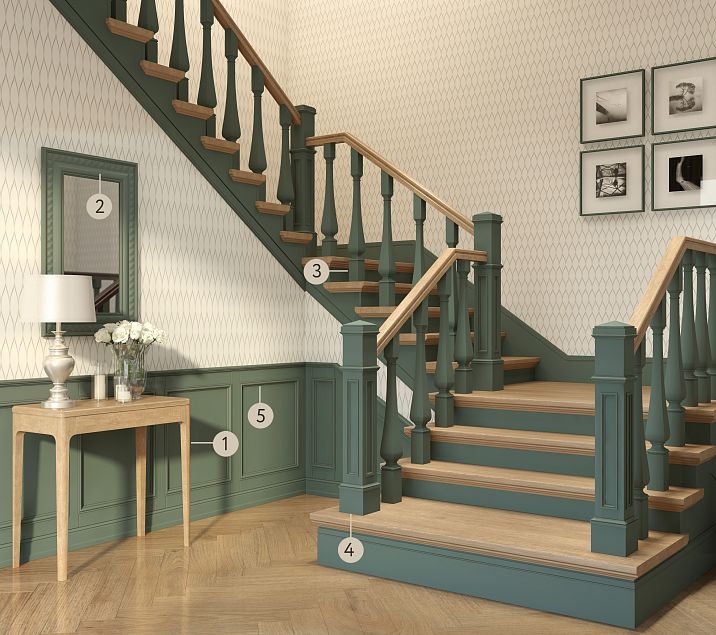
Beautiful wooden staircases to the second floor are not just a functional connection between levels in a house, but a true work of art capable of transforming the interior, bringing warmth of nature and elegance of traditional craftsmanship. Such staircases combine centuries-old traditions of working with wood and modern processing technologies, creating items that delight the eye, are durable, and eco-friendly. In this article, we will thoroughly discuss the advantages and features of beautiful wooden staircases to the second floor, share practical tips on selection, installation, and maintenance, and also consider how to properly use additional decorative elements to create a harmonious interior.


Advantages of wooden staircases to the second floor




Natural beauty and individuality
Natural wood has a unique texture, warm tone, and distinctive patterns that become even more beautiful over time. Beautiful wooden staircases to the second floor can become a central element of the interior, setting the tone for the entire space. Every detail, from wooden planks to decorative elements, tells its own story and gives the house character.
Our factory also produces:


Ecological and durable
Using natural wood is an eco-friendly solution that guarantees the creation of a healthy microclimate in the house. With proper processing and maintenance, wooden staircases serve for decades without losing their aesthetic qualities. This is especially important for homes where not only appearance but also the longevity of furniture and structures is valued.
Get Consultation
Warmth and coziness
Wooden staircases bring warmth and coziness to the interior, thanks to the natural insulating properties of wood. They create an atmosphere of comfort and homey warmth, which is especially relevant for connecting levels in living spaces.
Main elements of a beautiful wooden staircase
Creating an impressive wooden staircase is a complex process that includes not only the installation of main structural elements but also the use of decorative details capable of making the item truly unique.
Staircase posts
Posts for staircase are the support of the entire structure. They ensure the stability and strength of the staircase, and also play an important role in its visual design. Well-executed columns, adorned with traditional carving or modern decorative elements, can emphasize the status and individuality of your home.
Staircase balusters
balusters for staircases are not only safety elements but also important decorative accents. Carved balusters can be made using classical motifs or minimalist lines, depending on the interior style. They add elegance to the staircase and harmoniously fit into the overall design.
Staircase handrails
stair railings ensure comfort and safety when ascending and descending. In addition to their functionality, they are an important decorative element capable of complementing the overall style of the staircase. A properly chosen handrail can become the finishing touch in the design of a wooden structure.
Newel post
Naversia represent decorative inserts that help create a sense of depth and dimension in the staircase design. They facilitate a smooth transition between different parts of the structure, making the overall appearance more dynamic and expressive.
Design and styling of wooden staircases to the second floor
Classic and traditional motifs
In a classic interior, a wooden staircase becomes not just a functional element, but a true work of art. Traditional carved patterns, complex ornamentation, and rich decorative elements create an atmosphere of grandeur and solemnity. Such staircases emphasize the status of the house and give the interior a sense of historical continuity.
Modern minimalism
Modern interiors in the minimalist style value clean lines and functionality. Here, the wooden staircase is designed with an emphasis on the natural beauty of wood. Simple balusters, basic handrails, and minimalist columns create an effect of lightness and space, while remaining elegant and practical.
Eclecticism and creative approach
Eclectic style allows bold combinations of classic and contemporary elements. In such an interior, a wooden staircase may include both traditional carved motifs and modern design solutions. Using innovative materials and technologies, such as combining classic carving with modern coatings, allows creating a unique item reflecting the owner's individuality.
Practical tips for building a wooden staircase to the second floor yourself
1. Planning and design plan
Before beginning installation, carefully plan the staircase design. Determine the style, dimensions, space distribution, and placement of all decorative elements. Creating a detailed design plan will help avoid mistakes and ensure harmonious combination of all details.
2. Choosing Quality Materials
The quality of a wooden staircase largely depends on the material used. Choose high-quality natural wood that has a uniform texture and stable color. This may be oak, beech, or ash — species known for their strength and aesthetics.
3. Installation and mounting
When laying wooden panels and installing stair posts, it is important to ensure the horizontal alignment and evenness of the structure. Use a level to properly align each component. Fastening elements (screws, brackets, glue) must be of high quality and reliable to ensure the longevity of the structure.
4. Decoration
After installing the main structure, proceed to decorative finishing. Use:
● polyurethane molding to create intricate patterns and ornaments that will add elegance to the staircase.
● Wooden beams to create smooth transitions between levels and achieve a finished look.
● Baseboards to finish joints and give the interior a neat appearance.
● Decorativeapplique and carved elements that will highlight traditional craftsmanship and add uniqueness to the structure.
5. Protective coating
Treat wooden surfaces with protective finishes—varnish, oils, or wax. This not only enhances the natural beauty of the wood but also protects the structure from moisture, dust, and mechanical damage. Regular renewal of the coating will help maintain the freshness and gloss of the item for many years.
6. Regular maintenance
To maintain the ideal condition of the wooden staircase, monitor the humidity level in the room, regularly clean surfaces, and renew the protective coating. This will help prevent deformation and preserve the aesthetic appearance of the structure.
Examples of inspiration and design ideas
Classic Interior
In a classic interior, a wooden staircase becomes a central element, emphasizing grandeur and tradition. Carved posts, elegant balusters, and decorative moldings create an atmosphere of luxury. Photographs of classic staircases inspire the creation of items that combine elegance, refinement, and historical value.
Modern minimalism
For minimalist interiors, choose simple and functional designs. Here, the wooden staircase is styled with an emphasis on the natural wood texture, clean lines, and minimal decorative elements. This approach allows you to create a space where every detail contributes to a sense of openness and modernity.
Eclectic Style
Eclectic style offers freedom for experimentation. You can confidently combine traditional carving elements with modern paint finishes, add vibrant accents, and mix various materials. Such a staircase becomes a true work of art, reflecting the individuality and creativity of its owner.
Conclusion
Beautiful wooden staircases to the second floor are not just a means of connecting levels, but an important interior element capable of highlighting taste, individuality, and respect for tradition. Thanks to high-quality natural materials, the combination of classical craftsmanship methods and modern processing technologies, such a staircase becomes a durable, eco-friendly, and aesthetically appealing element of your home.
Use trusted suppliers, such asSTAVROSto select the best materials and decorative elements for creating your ideal staircase. Let your staircase become the center of attention, a source of inspiration, and a symbol of harmony, uniting the past with the present and providing comfort for many years.