Article Contents:
- History and Significance of Wooden Facades
- Traditions of folk craftsmanship
- Aesthetics and Symbolism
- Ecological and energy efficiency
- Durability and strength
- Design versatility
- Surface Preparation and Wood Treatment
- Lacquering and oil finish
- Innovative Finishes
- Wood carving and decorative inlays
- Carved Decorative Elements
- Combining with Other Finishing Elements
- Classicism and Traditional Motifs
- Modern minimalism
- Eclectic approach
- Traditional Wooden House
- Modern Country Cottage
- Eco-Homes and Sustainable Construction
- Thorough Project Planning
- Choosing quality materials
- Collaboration with professionals
- Regular maintenance and technical care
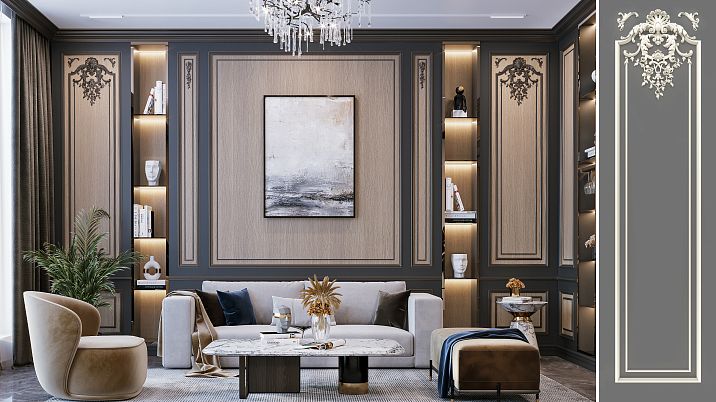
Wood has always been a symbol of nature, warmth, and genuine beauty. When it comes to architecture, wooden facades become true works of art capable of transforming the appearance of a building and creating a unique atmosphere. Beautiful wooden facades are not just cladding, but a comprehensive design solution that combines centuries-old folk craftsmanship traditions with modern wood processing and protection technologies. In this article, we will thoroughly examine why wooden facades remain relevant, what advantages they offer, and how modern innovative methods help create truly impressive architectural solutions.


History and Significance of Wooden Facades




Traditions of folk craftsmanship
The use of wood in construction has deep historical roots. Even in ancient times, craftsmen created carved elements, adorned building facades with complex ornaments and patterns. These traditions were passed down from generation to generation, reflecting the connection between humans and nature and respect for the material. That is why beautiful wooden facades have always been associated with coziness, stability, and durability.
Our factory also produces:


Aesthetics and Symbolism
Wood possesses a unique texture, warm tone, and distinctive grain pattern, making it an ideal material for creating expressive facades. This approach not only protects the building but also highlights its individuality. A facade made of natural wood seems to animate the building, creating an effect of a 'living organism' that harmoniously blends into the natural landscape.
Get Consultation
Advantages of Wooden Facades
Ecological and Energy Efficiency
One of the key advantages of wooden facades is their eco-friendliness. Natural wood does not emit harmful substances, and modern processing technologies allow maintaining its purity and natural appearance for many years. Moreover, wood has high thermal insulation properties, which helps reduce energy consumption for heating and air conditioning. Such a material contributes to creating a healthy microclimate inside the building, which is especially relevant in modern ecological conditions.
Durability and strength
With proper care and use of modern protective compositions such as varnishes, oils, and special coatings, a beautiful wooden facade retains its decorative and protective properties for decades. Wood is capable of resisting the effects of atmospheric precipitation, ultraviolet rays, and mechanical damage. This makes wooden facades not only aesthetically appealing but also reliable in operation.
Design versatility
Wooden facades can be executed in various styles – from classic and rustic to modern minimalism. The variability of processing, carving, and decorative finishing allows creating unique compositions that highlight the building's individuality. Modern wood processing technologies enable achieving exquisite detail, making each facade a unique work of art.
Modern Technologies for Finishing and Protecting Wooden Facades
Surface Preparation and Wood Treatment
Quality finishing begins with careful surface preparation. For wooden facades, this means leveling, cleaning from old paint or dirt, and treating with special compositions that protect the wood from moisture and insects. Modern compositions such as antiseptics and protective varnishes significantly extend the material's service life while preserving its natural texture and color.
Lacquering and oil finish
Varnishing is a classic method for giving wood a luster and protection against external influences. Transparent varnishes highlight the natural beauty of wood without altering its color. An alternative is oil-based coating, which imparts a deep, saturated color and a natural matte finish. These methods not only improve the appearance but also create an additional barrier against moisture, ultraviolet rays, and mechanical damage.
Innovative Coatings
Modern technologies are not standing still: innovative compositions are appearing on the market capable of providing protection for wood even in the most extreme climatic conditions. These compositions have enhanced resistance to ultraviolet radiation and temperature fluctuations, which is especially important for building facades subjected to constant exposure to atmospheric phenomena.
One of the most expressive ways to decorate facades is traditional wood carving. Hand-carved patterns give the facade depth, volume, and individuality. Such decorative elements can range from delicate geometric ornaments to complex narrative compositions reflecting the regional cultural heritage.
Wood Carving and Decorative Appliqués
often used to create accent elements, highlighting the status and uniqueness of the building. Carved appliqué often used to create accent elements, highlighting the status and uniqueness of the building.
Plaster decorative elements
Modern materials, such asPolyurethane moldings, allow achieving high-quality finishing at a more affordable price and with lower maintenance costs.
Combining with other finishing elements
For creating a cohesive facade image of a wooden house, complex solutions are often used, where decorative elements combine with functional details. For example,Wooden skirting andWooden cornices not only perform a protective function but also become expressive accents, unifying various parts of the facade into a single harmonious whole.
Design and style of beautiful wooden facades
Classic and traditional motifs
In the classical style, facades are decorated using traditional folk art elements. Here, the foundation is carved ornaments, decorative window casings, and complex patterns conveying the richness of cultural heritage. Such facades appear majestic, emphasizing the building's status and creating an atmosphere of solemnity. Hand-carved details and natural materials create the impression that the building possesses its own soul and history.
Modern minimalism
In interiors and exteriors designed in the minimalist style, the focus is on the natural beauty of wood. Such facades are characterized by simplicity and elegance, where every element is thought out in detail. Here, every detail matters: from the wood texture to the smooth transitions between finishing elements. Modern decorative solutions, such as minimalistWooden cornices, emphasize the purity and strictness of lines.
Eclectic Approach
Eclecticism allows mixing traditional motifs with modern design ideas. This approach provides freedom to experiment with forms, textures, and colors. Facades executed in an eclectic style often include both classical carved elements and modern decorative materials, such asPolyurethane moldings. This allows creating a unique architectural solution reflecting the owner's individuality and harmoniously blending the past with the present.
Examples of successful projects and inspiration
Traditional wooden house
In a traditional wooden house, the facade is the main element of the architectural ensemble. Here, beauty is expressed through the richness of carving, the natural color of wood, and the use of elements conveying the spirit of folk craftsmanship. Every detail – fromcarved overlays to decorative window casings – tells its story, making the building truly unique.
Modern suburban cottages
Modern suburban cottages are often designed in a minimalist style, where the focus is on clean lines and the natural beauty of materials. Facades of such houses are made of natural wood with minimal decorative elements, but with special attention to finishing quality. Here,Wooden skirting andWooden cornices play an important role, unifying all exterior elements into a single whole.
Eco-homes and sustainable construction
In the era of sustainable development, homes built using eco-friendly materials are gaining increasing popularity. Facades of such buildings reflect the aspiration for harmony with nature. Natural wood, protected by modern compositions, creates the impression of a living, breathing building that is not only beautiful but also energy-efficient. Here, innovative processing technologies, such as modern varnishes and oils, combined with traditional decorative elements, allow achieving an ideal balance between aesthetics and functionality.
Practical recommendations for creating a beautiful facade
Project Planning
Before beginning facade finishing work, it is necessary to prepare a detailed project. Define the style, functional requirements, and budget. Clear planning will help avoid unexpected expenses and ensure harmonious combination of all decorative and structural elements.
Choosing quality materials
Use only selected natural wood and modern protective compositions. The quality of the material directly affects the durability and appearance of the facade. Contact proven suppliers, such asSTAVROS, where you can find a wide range of wooden products and decorative elements.
Collaboration with Professionals
Contact experienced architects, designers, and craftsmen specializing in woodwork. Professional execution of all project stages – from surface preparation to applying final decorative elements – guarantees a flawless result.
Regular maintenance and technical care
To ensure the facade retains its beauty for many years, regular maintenance is essential. Cleaning from contaminants, renewing protective coatings, and monitoring the condition of the wood will help preserve the original appearance and prevent premature wear.
Conclusion
Beautiful wooden facades are more than just building cladding. They are a way to express respect for traditions, love for nature, and a commitment to perfection in every architectural detail. Wood processed using modern technologies can create a unique visual impression that not only pleases the eye but also creates warmth, comfort, and harmony in the space.
Let your home become a reflection of your ideals, where every element, fromwooden crown moldings tocarved overlays, contributes to creating a unified, cohesive image. Use the possibilities of modern decorative solutions, such asRelief Decoration andPolyurethane moldings, to highlight the uniqueness of your project and add a touch of modernity to classic aesthetics.
By creating a facade that combines traditional motifs with innovative technologies, you are investing not only in beauty but also in the longevity and eco-friendliness of your home. Let every element, every detail speak to your pursuit of perfection and love for natural materials. For it is precisely beautiful wooden facades that transform an ordinary building into a true work of art, inspiring and delighting you every day.